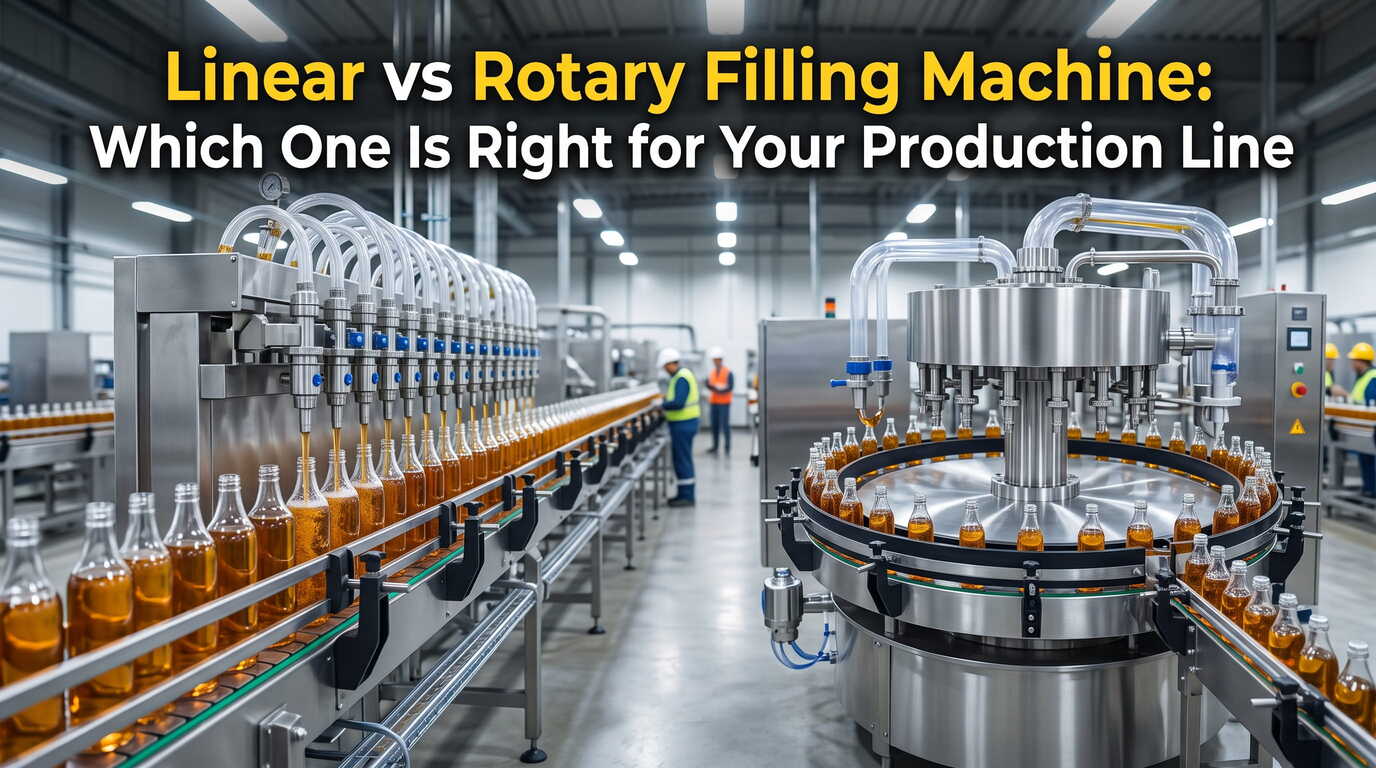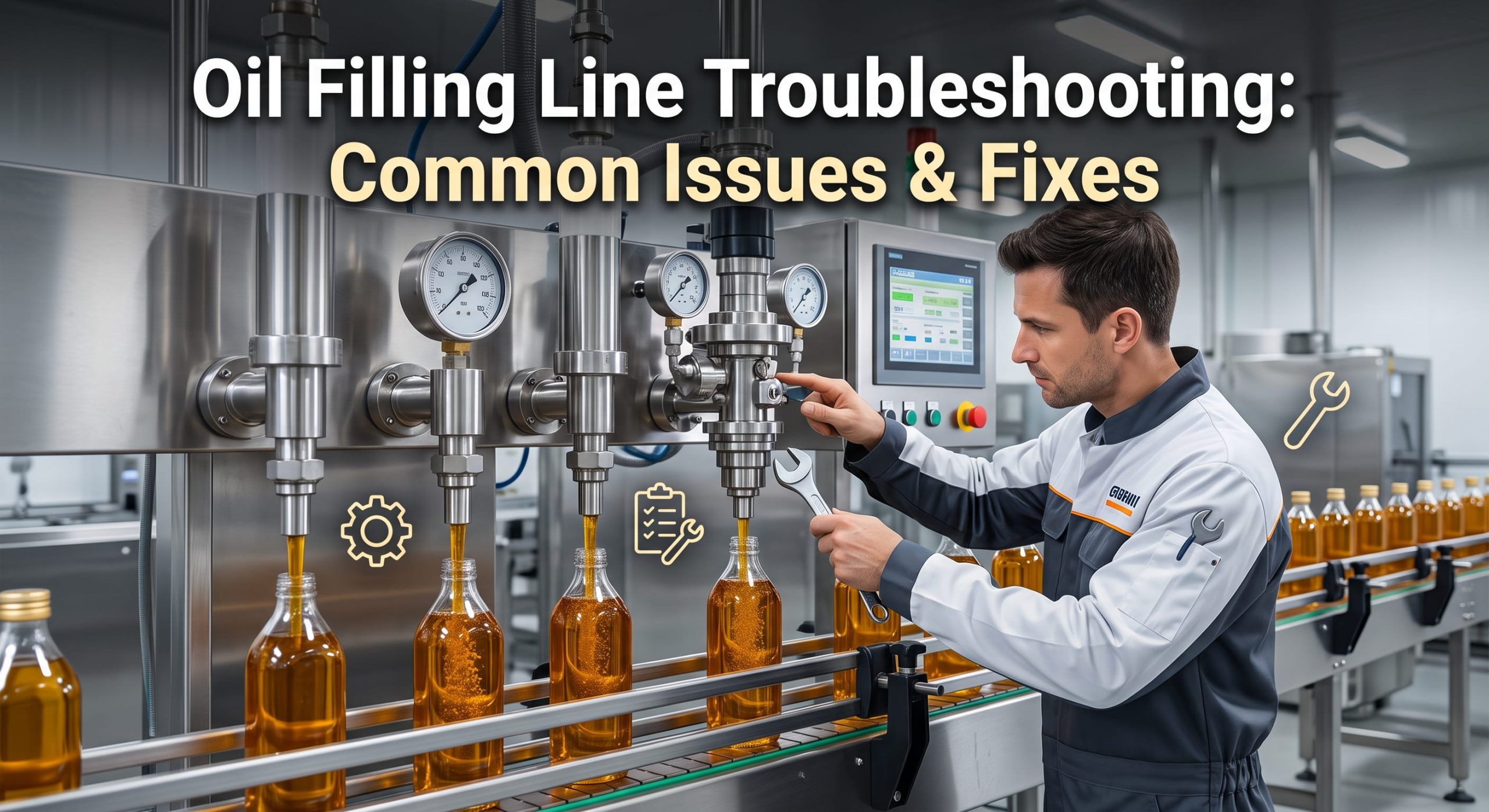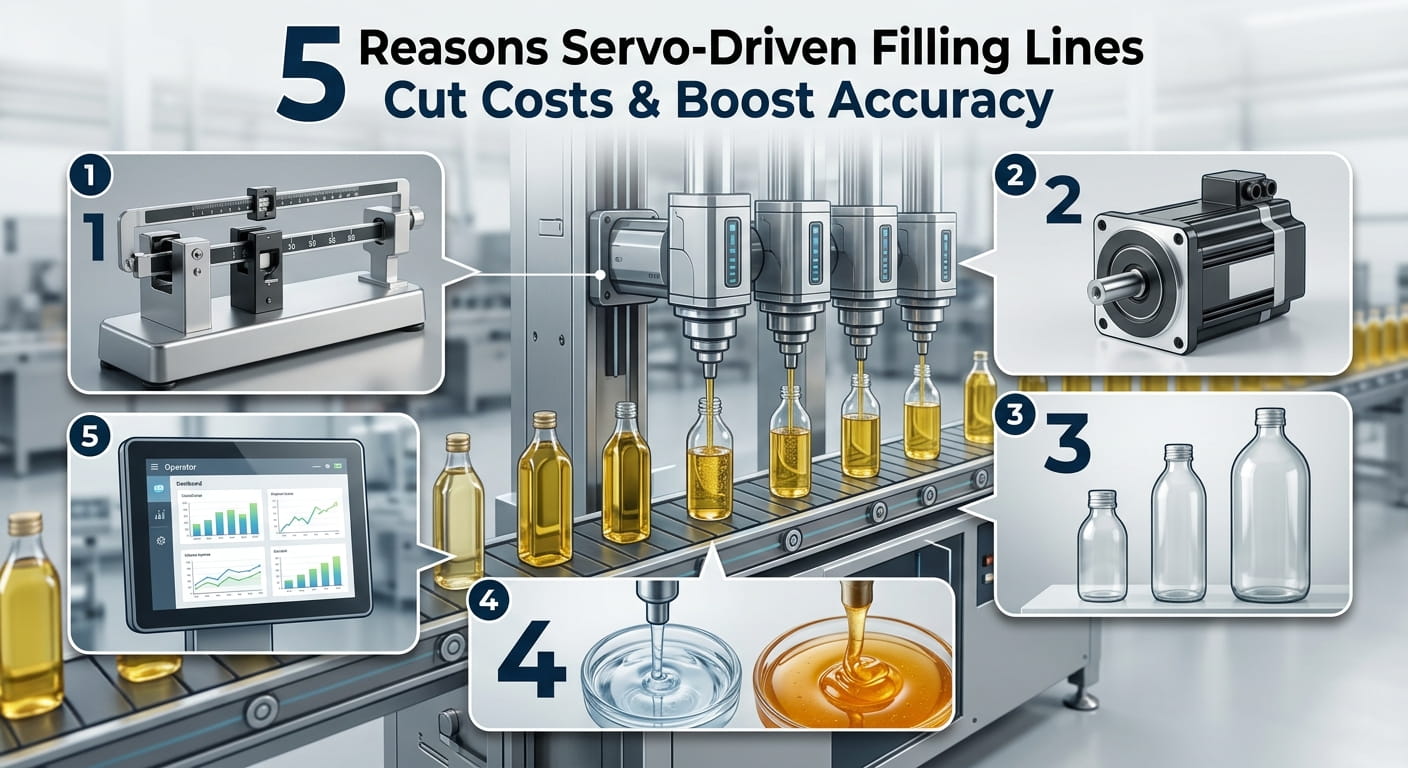
في عصر أصبحت فيه مياه الشرب النظيفة ضرورة، يستمر الطلب على مياه الشرب المعبأة في الازدياد عالمياً. وقد شهدت المشاريع التجارية التي تركز على المياه المعبأة نمواً ملحوظاً، مما دفع رواد الأعمال إلى التفكير في جوانب مختلفة لأعمال تعبئة المياه. أحد المكونات الحاسمة لعملية تعبئة مياه ناجحة هو الآلة المستخدمة لتعبئة الزجاجات. يتعمق هذا المقال في عالم آلات تعبئة مياه الشرب المعبأة، ويشمل أنواعها، ووظائفها، ومزاياها، ورؤى عملية لمساعدة الشركات على اتخاذ قرارات مستنيرة.
فهم آلات تعبئة مياه الشرب المعبأة
آلة تعبئة مياه الشرب المعبأة هي قطعة متخصصة من المعدات مصممة لأتمتة عملية تعبئة الزجاجات بالمياه النقية. تلبي هذه الآلات قدرات إنتاجية متفاوتة ويمكنها استيعاب أنواع وأحجام مختلفة من الحاويات. تتمحور الوظيفة الأساسية حول تعبئة الزجاجات بدقة مع تقليل الانسكاب والتلوث، مما يضمن بقاء المنتج النهائي صحياً وآمناً لاستهلاك المستهلك.
أنواع آلات تعبئة مياه الشرب المعبأة
هناك عدة أنواع من آلات تعبئة مياه الشرب المعبأة المتاحة في السوق، كل منها مصمم لتلبية احتياجات إنتاجية محددة. يمكن أن يساعد فهم هذه الفئات الشركات على اختيار الآلة المناسبة لعملياتها.
1. آلات التعبئة بالجاذبية
تستخدم آلات التعبئة بالجاذبية مبدأ الجاذبية البسيط لتعبئة الزجاجات بالماء. تعمل هذه الآلات عن طريق تغذية المياه من خزان موضوع فوق الزجاجات، مما يسمح للسائل بالتدفق إلى كل حاوية. في حين أن آلات التعبئة بالجاذبية غالباً ما تكون أقل تكلفة ومناسبة لمعدلات الإنتاج المنخفضة إلى المتوسطة، إلا أنها قد لا تكون دقيقة مثل أنظمة التعبئة الأخرى.
2. آلات التعبئة بالتفريغ (الفراغ)
على النقيض من التعبئة بالجاذبية، تعمل آلات التعبئة بالتفريغ (الفراغ) على مبدأ ضغط التفريغ. تسمح هذه الآلية بتعبئة دقيقة، مما يجعلها مثالية للمياه المعبأة عالية الجودة. وهي تعمل عن طريق خلق فراغ داخل الزجاجة، مما يسحب الماء من خزان مع تجنب دخول الهواء، وبالتالي الحفاظ على نقاء الماء. هذه الآلات أكثر ملاءمة للشركات ذات متطلبات الإنتاج الأعلى.
3. آلات التعبئة بالضغط
تم تصميم آلات التعبئة بالضغط للعمليات عالية السرعة ودقة التعبئة المتسقة. من خلال استخدام الضغط لنقل المياه المعبأة من خزان التخزين إلى الحاويات، يمكن لهذه الآلات التعامل مع مجموعة متنوعة من أشكال ومواد الزجاجات. وغالباً ما تفضلها شركات المياه المعبأة الكبيرة التي تسعى إلى الكفاءة والحجم في عملية إنتاجها.
4. آلات التعبئة الإلكترونية
مع تقدم التكنولوجيا، أصبحت آلات التعبئة الإلكترونية تحظى بشعبية متزايدة. فهي تدمج تكنولوجيا متقدمة لضمان أحجام تعبئة دقيقة وأتمتة محسنة. يمكن برمجة هذه الآلات لاستيعاب أحجام وأشكال زجاجات مختلفة، مما يوفر المرونة للمصنعين. علاوة على ذلك، غالباً ما يتم توصيل آلات التعبئة الإلكترونية بأنظمة مراقبة الإنتاج لتتبع المخرجات والكفاءة.
الميزات الرئيسية التي يجب البحث عنها في الآلة
عند اختيار آلة تعبئة مياه الشرب المعبأة، يمكن أن تؤثر ميزات مختلفة على كفاءتك التشغيلية وجودة منتجك. إليك بعض أهم الاعتبارات:
1. سرعة التعبئة
تعد سرعة التعبئة أحد أكثر العوامل أهمية التي يجب مراعاتها، خاصة للشركات التي تهدف إلى توسيع نطاق إنتاجها. اختر آلة تلبي متطلبات مخرجاتك دون المساومة على الجودة. قم بتقييم سعة الآلة (زجاجة في الساعة) للتأكد من توافقها مع أهداف الإنتاج الخاصة بك.
2. دقة التعبئة
تعد التعبئة الدقيقة أمراً بالغ الأهمية لاتساق المنتج وكفاءة التكلفة. يجب أن تكون الآلات قادرة على تعبئة كل زجاجة إلى المستوى المحدد، مما يقلل من الانسكاب والهدر. ابحث عن ميزات مثل التحكم الإلكتروني في الحجم أو فوهات التعبئة القابلة للتعديل.
3. جودة المواد
تلعب المواد المستخدمة في بناء الآلة دوراً مهماً في طول عمرها ونظافتها. اختر الآلات المصنوعة من مواد عالية الجودة ومناسبة للأغذية تتوافق مع معايير الصناعة لضمان السلامة والمتانة.
4. سهولة التشغيل والصيانة
يمكن للآلة التي يسهل تشغيلها وصيانتها أن تؤثر بشكل إيجابي على سير عملك. ابحث عن عناصر تحكم سهلة الاستخدام وميزات تسمح بمهام التنظيف والصيانة السريعة لتقليل وقت التوقف عن العمل وضمان إنتاج متسق.
5. القدرة على التكيف مع أنواع الزجاجات المختلفة
مع تغير السوق، قد تتغير عروض منتجاتك أيضاً. إن اختيار آلة تعبئة يمكنها استيعاب أشكال وأحجام زجاجات مختلفة يسمح للشركات بالتكيف مع طلبات المستهلكين. ابحث عن آلات ذات آليات تعبئة قابلة للتعديل وتكوينات قابلة للتخصيص.
مزايا استخدام آلات تعبئة مياه الشرب المعبأة
يوفر الاستثمار في آلة تعبئة مياه الشرب المعبأة فوائد عديدة يمكن أن تدفع الشركات نحو النجاح في مشهد تنافسي.
1. تعزيز الكفاءة
تقلل آلات التعبئة الآلية بشكل كبير من الوقت المطلوب لعملية التعبئة مقارنة بالطرق اليدوية. تؤدي هذه الكفاءة المتزايدة إلى معدلات إنتاج أعلى، مما يخدم المزيد من العملاء في وقت أقل.
2. تحسين معايير النظافة
النظافة أمر بالغ الأهمية في صناعة الأغذية والمشروبات. تم تصميم آلات التعبئة الحديثة مع وضع النظافة في الاعتبار، باستخدام تكنولوجيا متقدمة لتقليل الاتصال البشري وخطر التلوث. تضمن العمليات الآلية تعبئة كل زجاجة في ظروف معقمة.
3. توفير التكاليف
في حين أن الاستثمار الأولي قد يبدو كبيراً، إلا أن آلات التعبئة الآلية يمكن أن تؤدي بمرور الوقت إلى توفير التكاليف في العمالة، وتقليل الهدر، وتحسين الإنتاجية. يمكن للشركات توفير تكاليف العمالة وتقليل الخسائر الناتجة عن الانسكابات وعدم الدقة.
4. قابلية التوسع
مع نمو الطلب على المياه المعبأة، يجب أن تكون الشركات مستعدة لتوسيع نطاق عملياتها. تسمح آلات تعبئة مياه الشرب المعبأة بإجراء ترقيات وتعديلات سهلة، مما يمكن الشركات من توسيع قدراتها الإنتاجية دون الحاجة إلى إصلاح نظامها بالكامل.
رؤى عملية لتشغيل آلة التعبئة
يتجاوز تشغيل آلة تعبئة مياه الشرب المعبأة الإعداد الأولي. إليك رؤى عملية لضمان عمليات سلسة:
1. الصيانة الدورية
الصيانة الروتينية ضرورية للحفاظ على تشغيل الآلات على النحو الأمثل. قم بجدولة عمليات الفحص والتنظيف المنتظمة لمنع الأعطال وضمان طول العمر. اتبع إرشادات الشركة المصنعة لبروتوكولات الصيانة، وقم بتدريب الموظفين على إجراء الفحوصات اليومية.
2. تدريب الموظفين
استثمر في تدريب مشغليك لضمان فهمهم لجميع وظائف الآلة. يمكن للتدريب المناسب أن يعزز السلامة والكفاءة وجودة المنتج. يجب أن يكون الموظفون على دراية باستكشاف الأخطاء وإصلاحها في المشكلات الشائعة التي قد تنشأ أثناء العمليات.
3. تدابير مراقبة الجودة
قم بتنفيذ تدابير صارمة لمراقبة الجودة أثناء عملية التعبئة للحفاظ على معايير المنتج. راقب بانتظام دقة التعبئة وظروف النظافة لضمان تعبئة الزجاجات بشكل صحيح وآمن.
الخلاصة
تعد آلات تعبئة مياه الشرب المعبأة مكوناً أساسياً في صناعة المياه المعبأة، حيث تدفع الإنتاجية وتضمن تلبية معايير الجودة. من خلال فهم الأنواع المختلفة للآلات، واختيار الميزات التي تتوافق مع احتياجاتك، والالتزام بأفضل الممارسات في العمليات، يمكن للشركات أن تزدهر في هذا السوق المتوسع. مع استمرار ارتفاع طلب المستهلكين على مياه الشرب الآمنة والمتاحة، سيكون الاستثمار في تكنولوجيا التعبئة المناسبة جزءاً لا يتجزأ من الاستفادة من هذا الاتجاه.
سواء كنت رائد أعمال جديداً يدخل صناعة المياه المعبأة أو شركة قائمة تتطلع إلى تحسين خط إنتاجها، فإن فهم وظائف وميزات ومزايا آلات تعبئة مياه الشرب المعبأة يضع الأساس لمشروع تجاري ناجح.