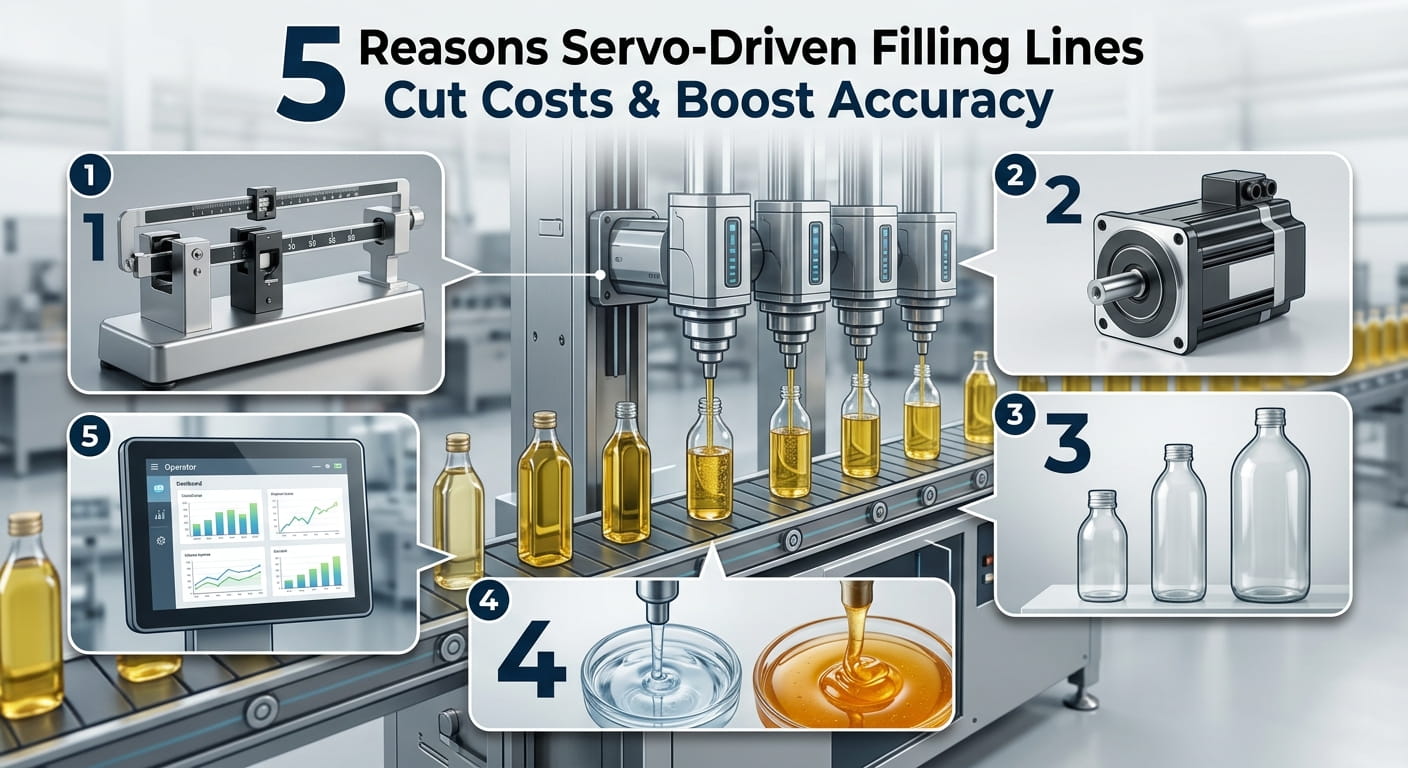
في عالم إنتاج الألبان، يمثل خط تعبئة الحليب مكوناً حيوياً يؤثر بشكل مباشر على الكفاءة وجودة المنتج والربحية. ومع استمرار نمو طلب المستهلكين على منتجات الألبان، يواجه المصنعون تحدياً ملحاً يتمثل في تحسين عمليات التعبئة لتلبية احتياجات السوق المتغيرة مع الالتزام بمعايير السلامة والجودة الصارمة. يتعمق هذا المقال في العناصر الأساسية لخط تعبئة الحليب، مستعرضاً مكوناته والتقدم التكنولوجي والاستراتيجيات التشغيلية والاتجاهات المستقبلية في هذا القطاع.
فهم عملية تعبئة الحليب
تتضمن عملية تعبئة الحليب عدة مراحل، تتطلب كل منها اهتماماً دقيقاً بالتفاصيل لضمان مطابقة المنتج النهائي للمعايير التنظيمية وتوقعات المستهلكين. تشمل الخطوات الرئيسية في عملية التعبئة ما يلي:
1. الجمع والتخزين
تبدأ رحلة الحليب المعبأ في مزارع الألبان، حيث يتم جمع الحليب وتخزينه في خزانات مبردة للحفاظ على طزاجته. وتعد جودة الحليب الذي يتم جمعه في هذه المرحلة أمراً بالغ الأهمية، حيث أن أي تلوث قد يضر بالعملية برمتها. يتم إجراء فحوصات واختبارات منتظمة لضمان مطابقة جودة الحليب للمعايير الصحية.
2. البسترة
البسترة هي خطوة حاسمة تتضمن تسخين الحليب لقتل البكتيريا الضارة وإطالة مدة صلاحيته. يجب التحكم في العملية بدقة لتجنب تغيير طعم الحليب أو قيمته الغذائية. يتم اختيار تقنيات بسترة مختلفة، مثل المعالجة الحرارية قصيرة المدى (HTST) والمعالجة فائقة الحرارة (UHT)، بناءً على المنتج المطلوب ومتطلبات السوق.
3. التجانس
تلي عملية التجانس عملية البسترة، وتتضمن تكسير جزيئات الدهون لضمان الحصول على منتج مستقر وموحد. تعمل هذه العملية على تحسين قوام الحليب وملمسه في الفم، مما يلبي تفضيلات المستهلكين للحصول على قوام كريمي ومتجانس.
4. التعبئة والتغليف
بعد المعالجة، يصبح الحليب جاهزاً للتعبئة. تتضمن هذه المرحلة غالباً سلسلة من الآلات المؤتمتة التي تقوم بملء الزجاجات وإغلاقها ووضع الملصقات عليها بسرعات عالية. تعد الأتمتة ضرورية في هذه المرحلة لزيادة معدلات الإنتاج وتقليل احتمالات الخطأ البشري. كما يجب اختيار مواد التغليف بعناية لحماية جودة الحليب مع الحفاظ على الاستدامة البيئية.
5. مراقبة الجودة
طوال عملية التعبئة، يجب تنفيذ تدابير صارمة لمراقبة الجودة. يساعد الاختبار المنتظم للتلوث الميكروبيولوجي والطعم والخصائص الفيزيائية في ضمان مطابقة المنتج النهائي للمعايير التنظيمية وتوقعات المستهلكين.
الابتكارات التكنولوجية في تعبئة الحليب
مع تطور صناعة الألبان، تتطور أيضاً التكنولوجيا المستخدمة في خطوط تعبئة الحليب. تعمل الابتكارات في الأتمتة والتغليف والاستدامة على إعادة تشكيل كيفية تعامل المصنعين مع الإنتاج:
1. الأتمتة والتكنولوجيا الذكية
تعمل خطوط التعبئة المؤتمتة المجهزة بروبوتات متقدمة على تحسين الكفاءة والموثوقية. تسمح التكنولوجيا الذكية، المدمجة مع قدرات إنترنت الأشياء (IoT)، بالمراقبة والتتبع الفوري لعمليات الإنتاج، مما يمكن المصنعين من تحديد المشكلات وحلها بسرعة، وبالتالي تقليل وقت التوقف عن العمل.
2. حلول التعبئة والتغليف المستدامة
مع تزايد وعي المستهلكين بالقضايا البيئية، يتزايد الطلب على التغليف المستدام. يستكشف العديد من المصنعين حلول تغليف قابلة للتحلل وإعادة التدوير وإعادة الاستخدام. تشمل الابتكارات البلاستيك النباتي والشراكات مع الشركات التي تركز على الاستدامة، مما يضمن توافق كل جانب من جوانب الإنتاج مع الممارسات الصديقة للبيئة.
3. أنظمة مراقبة الجودة المحسنة
يسمح تنفيذ أنظمة مراقبة الجودة المتطورة، المدعومة بالذكاء الاصطناعي والتعلم الآلي، للمنتجين بدقة أكبر في اكتشاف الشذوذ في الإنتاج. على سبيل المثال، يمكن لأنظمة الرؤية التحقق تلقائياً من وجود عيوب في التغليف، مما يمنع وصول المنتجات الرديئة إلى المستهلكين.
استراتيجيات تشغيلية لتحقيق الكفاءة
لتحقيق أقصى قدر من الكفاءة في خط تعبئة الحليب، يحتاج المصنعون إلى تبني أفضل الممارسات التي تبسط العمليات. فيما يلي العديد من الاستراتيجيات القابلة للتنفيذ:
1. الصيانة الدورية والتحديثات
تعد الصيانة الدورية لمعدات التعبئة أمراً بالغ الأهمية لمنع الأعطال وضمان سلاسة العمليات. إن إنشاء جداول للفحوصات الروتينية والتحديثات سيحافظ على تشغيل الآلات على النحو الأمثل ويمكن أن يمنع فترات التوقف المكلفة.
2. تدريب وتطوير الموظفين
يضمن الاستثمار في تدريب الموظفين أن يكون الموظفون على دراية بأفضل الممارسات وأحدث التقنيات في الصناعة. يمكن لبرامج التدريب التي تركز على التشغيل واستكشاف الأخطاء وإصلاحها أن تقلل بشكل كبير من الخطأ البشري وتزيد من الإنتاجية.
3. تحليل البيانات للتحسين المستمر
يمكن أن يساعد تنفيذ نظام قوي لتحليل البيانات في تحديد أوجه القصور في عملية التعبئة. يتيح تحليل بيانات الإنتاج للمصنعين التعرف على الأنماط، والتنبؤ باحتياجات الصيانة، وتحسين تخصيص الموارد، مما يؤدي إلى تعزيز الأداء وتوفير التكاليف.
اتجاهات السوق التي تؤثر على خطوط تعبئة الحليب
تتطور صناعة الألبان باستمرار، متأثرة بتفضيلات المستهلكين واللوائح والتقدم التكنولوجي. فيما يلي بعض الاتجاهات الرئيسية التي تعيد تشكيل مشهد تعبئة الحليب:
1. نمو البدائل النباتية
مع التحول الكبير نحو الأنظمة الغذائية النباتية، فإن صعود بدائل الحليب غير الألبانية يتحدى منتجي الألبان التقليديين للابتكار. قد تحتاج خطوط التعبئة إلى تكييف المعدات والعمليات لاستيعاب تركيبات مختلفة، مثل حليب الشوفان أو اللوز أو الصويا، مع الحفاظ على كفاءة الإنتاج.
2. تزايد الوعي الصحي
يبحث المستهلكون بشكل متزايد عن خيارات مشروبات أكثر صحة، مما يدفع منتجي الألبان إلى تنويع خطوط إنتاجهم. يشمل هذا الاتجاه الحليب الخالي من اللاكتوز، والخيارات المدعمة، والأصناف العضوية، وكلها تتطلب عمليات تعبئة محددة للحفاظ على الخصائص الفريدة والمحتوى الغذائي.
3. البيع بالتجزئة عبر الإنترنت ونماذج البيع المباشر للمستهلك
يدفع الانتشار المتزايد للتجارة الإلكترونية منتجي الألبان إلى إعادة التفكير في استراتيجيات التوزيع الخاصة بهم. تستكشف المزيد من العلامات التجارية نماذج البيع المباشر للمستهلك، مما يستلزم حلول تعبئة وتغليف فعالة تلبي احتياجات التوصيل للمنازل مع الحفاظ على الطزاجة.
الخلاصة
يعد خط تعبئة الحليب جزءاً حيوياً من إنتاج الألبان، ويشمل عمليات متنوعة تتطلب الدقة والابتكار والقدرة على التكيف. مع استمرار ارتفاع الطلب على منتجات الألبان في جميع أنحاء العالم، يجب على المصنعين الاستفادة من التقنيات المتقدمة، وتحسين العمليات، والبقاء على اطلاع باتجاهات السوق للحفاظ على ميزة تنافسية. من خلال اتباع أفضل الممارسات وتبني حلول مستدامة، يمكن لصناعة الألبان ضمان استمرار تقديم منتجات حليب عالية الجودة تلبي الاحتياجات المتطورة للمستهلكين.
في الختام، سواء كنت مصنعاً أو مورداً أو مستهلكاً متحمساً، فإن فهم تعقيدات خط تعبئة الحليب لا يعزز التقدير للمنتج فحسب، بل يسلط الضوء أيضاً على أهمية الجودة والسلامة والابتكار في قطاع الألبان.