في عالم إنتاج المشروبات المتطور باستمرار، تلعب آلات تعبئة العصير دوراً محورياً في ضمان تعبئة المنتجات بكفاءة مع الحفاظ على معايير الجودة والسلامة. ومع استمرار ارتفاع الطلب على العصائر الطازجة والطبيعية عالمياً، أصبح فهم تعقيدات آلات تعبئة العصير أمراً ضرورياً للمصنعين الذين يتطلعون إلى تحسين عملياتهم. تتعمق هذه المقالة في الجوانب المختلفة لآلات تعبئة العصير، بما في ذلك أنواعها، ووظائفها، وفوائدها، وأفضل الممارسات لتنفيذها في خط الإنتاج.
فهم آلات تعبئة العصير
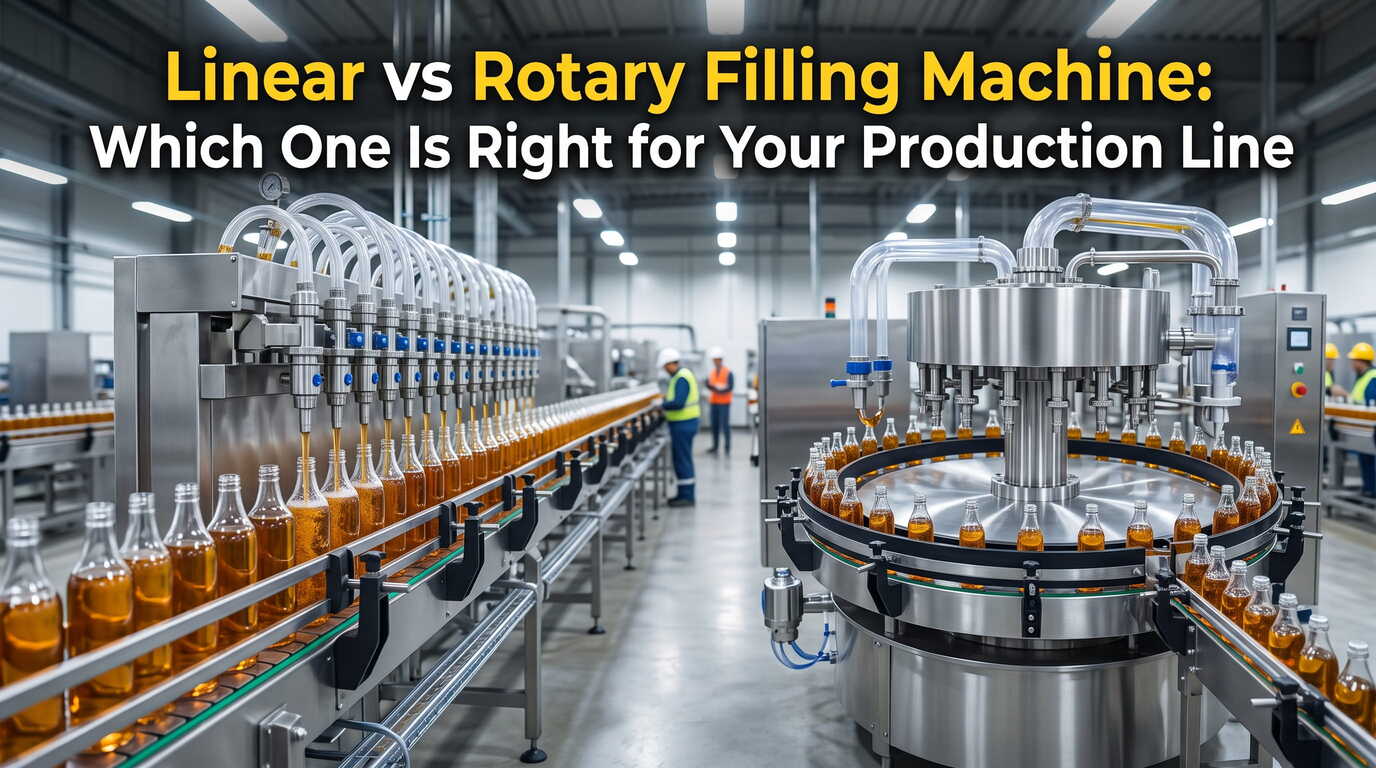
آلات تعبئة العصير هي معدات متخصصة مصممة لتعبئة منتجات العصير وإغلاقها ووضع الملصقات عليها. تعتبر هذه الآلات حاسمة في صناعة المشروبات، حيث يعد الحفاظ على سلامة المنتج وتعظيم كفاءة الإنتاج أمراً بالغ الأهمية. يمكن أن تختلف الآلات بشكل كبير في التعقيد والقدرة، بدءاً من الأنظمة شبه الأوتوماتيكية المناسبة للعمليات الصغيرة، وصولاً إلى الخطوط الأوتوماتيكية بالكامل المصممة للإنتاج عالي الحجم.
أنواع آلات تعبئة العصير
هناك عدة أنواع من آلات تعبئة العصير المتاحة في السوق، يلبي كل منها احتياجات إنتاج مختلفة. يمكن أن يساعد فهم هذه الأنواع المصنعين في اختيار الآلة المناسبة لعملياتهم:
- آلات التعبئة بالجاذبية: تعتبر حشوات الجاذبية مثالية للسوائل منخفضة اللزوجة، وتستخدم الجاذبية لملء الزجاجات. وهي بسيطة وفعالة من حيث التكلفة، مما يجعلها مناسبة للعمليات الصغيرة والمتوسطة.
- آلات التعبئة الهوائية: تستخدم هذه الآلات الهواء المضغوط لملء الزجاجات وهي مناسبة للسوائل منخفضة وعالية اللزوجة. وهي توفر دقة أكبر وغالباً ما تُستخدم لمهام التعبئة الأكثر تعقيداً.
- آلات التعبئة بالتفريغ (الفراغ): تقوم حشوات التفريغ بإزالة الهواء من الزجاجة قبل التعبئة، مما يجعلها مثالية للعصائر الغازية أو المنتجات التي تتطلب فترة صلاحية أطول.
- آلات التعبئة بالضغط: باستخدام الضغط لملء الزجاجات، تعد هذه الآلات مناسبة للعصائر الأكثر كثافة وتسمح بمعدلات تعبئة أسرع.
- خطوط التعبئة الأوتوماتيكية: تدمج هذه الأنظمة الشاملة عمليات مختلفة، بما في ذلك الشطف، والتعبئة، والإغلاق، ووضع الملصقات، مما يوفر حلاً أوتوماتيكياً بالكامل للإنتاج عالي الحجم.
المكونات الرئيسية لآلات تعبئة العصير
يمكن أن يساعد فهم المكونات الأساسية لآلات تعبئة العصير المصنعين على تحسين استخدامها. فيما يلي المكونات الرئيسية:
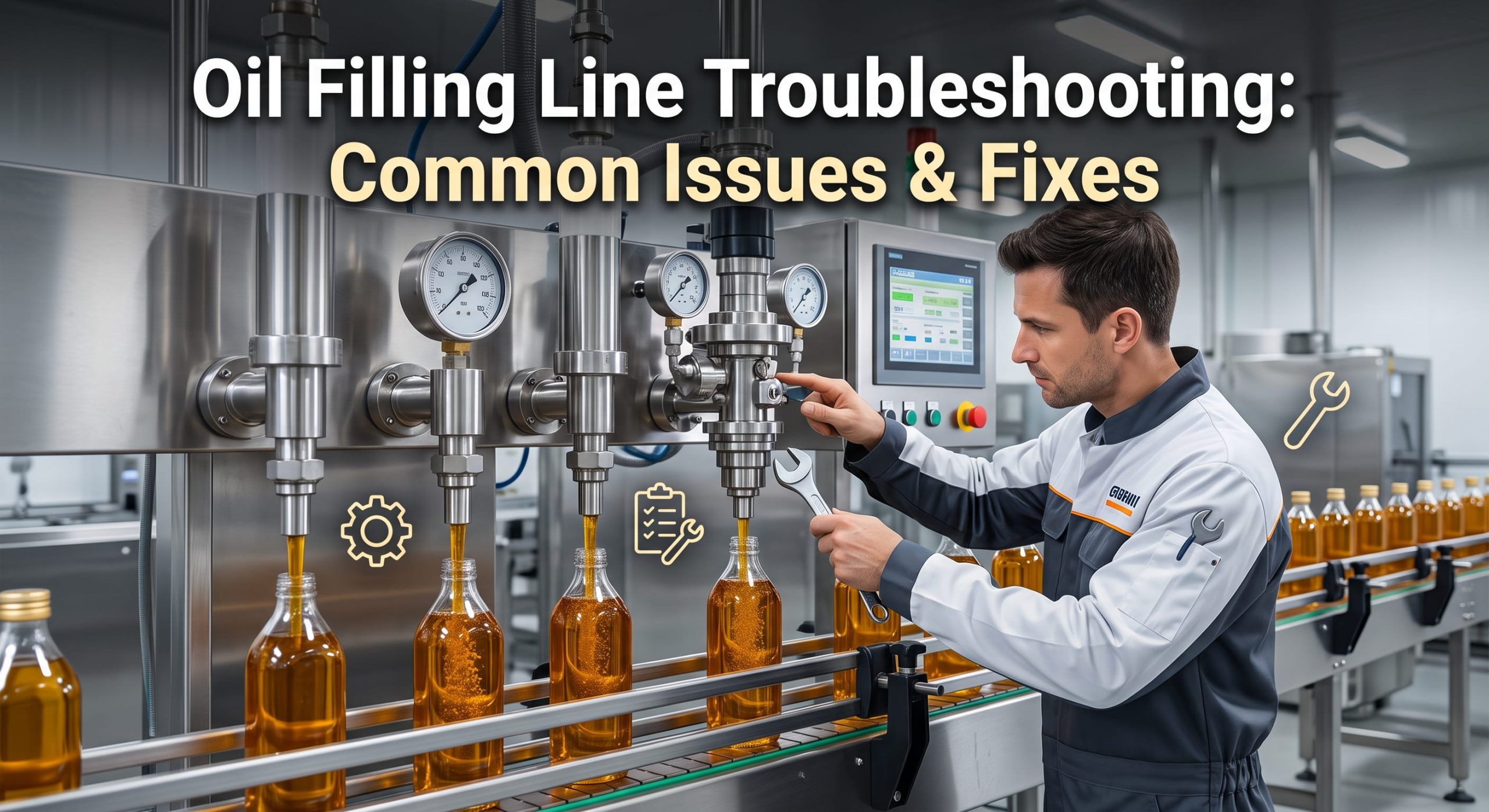
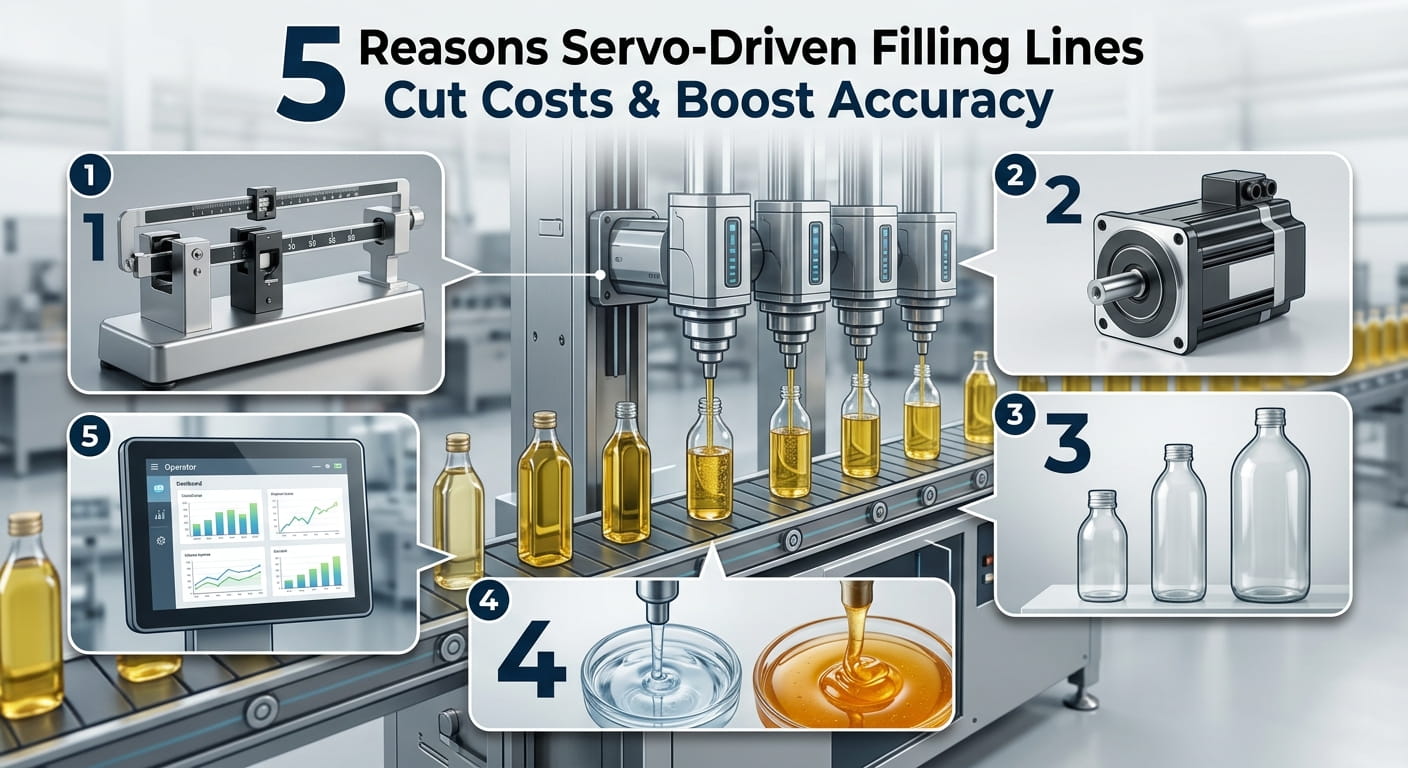
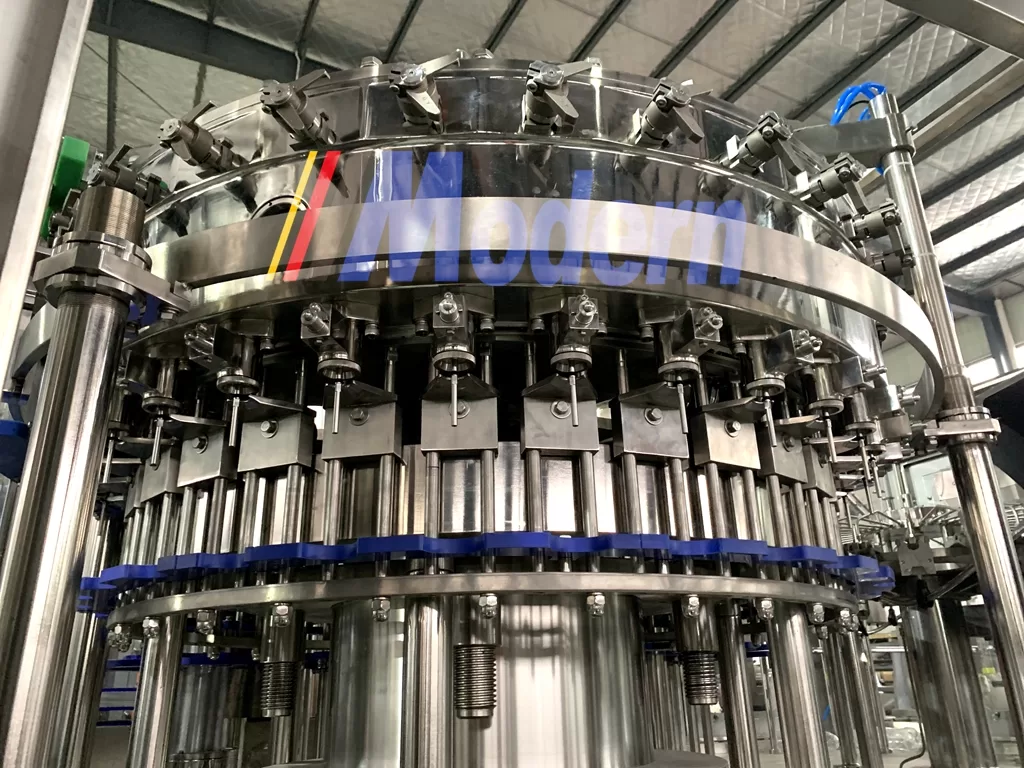
- آلية التعبئة: باعتبارها قلب أي آلة تعبئة، تحدد آلية التعبئة مدى دقة وسرعة توزيع العصير في الزجاجات. يمكن استخدام آليات مختلفة، مثل حشوات المكبس أو عدادات التدفق، بناءً على لزوجة العصير ومتطلبات الإنتاج.
- نظام الإغلاق (التغطية): يضمن هذا المكون إغلاق الزجاجات بإحكام بعد التعبئة. تشمل الخيارات الأغطية اللولبية، والأغطية التاجية، والأغطية القابلة للضغط، حيث يتطلب كل منها تقنيات إغلاق مختلفة.
- آلة وضع الملصقات: تعتبر آلة وضع الملصقات ضرورية للعلامة التجارية والامتثال التنظيمي، حيث تقوم بوضع الملصقات على الزجاجات بدقة وكفاءة.
- نظام النقل: يسهل نظام النقل حركة الزجاجات عبر مراحل مختلفة من عملية التعبئة، مما يعزز الكفاءة ويقلل من العمل اليدوي.
- لوحة التحكم: تم تجهيز آلات تعبئة العصير الحديثة بلوحات تحكم رقمية تسمح للمشغلين بمراقبة الإعدادات وتعديلها في الوقت الفعلي، مما يضمن الأداء الأمثل.
فوائد استخدام آلات تعبئة العصير
يوفر الاستثمار في آلات تعبئة العصير فوائد عديدة يمكن أن تعزز بشكل كبير كفاءة الإنتاج وجودة المنتج. فيما يلي بعض المزايا الرئيسية:
- زيادة الكفاءة: يمكن لآلات التعبئة الأوتوماتيكية العمل بسرعات عالية، مما يقلل بشكل كبير من الوقت المطلوب لتعبئة الزجاجات وإغلاقها مقارنة بالعمليات اليدوية.
- الاتساق والجودة: توفر الآلات تعبئة وإغلاقاً ووضع ملصقات دقيقاً، مما يضمن مطابقة كل زجاجة لمعايير الجودة ويقلل من مخاطر فقدان المنتج بسبب الخطأ البشري.
- فعالية التكلفة: على الرغم من أن الاستثمار الأولي قد يكون مرتفعاً، إلا أن التوفير طويل الأجل من انخفاض تكاليف العمالة وزيادة القدرة الإنتاجية غالباً ما يفوق التكاليف.
- تحسين النظافة: تقلل الأنظمة الأوتوماتيكية من الاتصال البشري بالمنتج، مما يقلل من مخاطر التلوث ويضمن الامتثال للوائح سلامة الأغذية.
- المرونة: يمكن للعديد من آلات تعبئة العصير الحديثة التعامل مع أحجام وأشكال زجاجات مختلفة، مما يسمح للمصنعين بالتكيف بسرعة مع متطلبات السوق المتغيرة.
أفضل الممارسات لتنفيذ آلات تعبئة العصير
لتعظيم فوائد آلات تعبئة العصير، يجب على المصنعين مراعاة أفضل الممارسات التالية