في عالم التصنيع والتعبئة والتغليف سريع الخطى، تلعب كفاءة عمليات الإنتاج دوراً حيوياً في تحديد النجاح. ومن بين عدد لا يحصى من المعدات التي يمكن للشركات الاستثمار فيها، تبرز آلات تعبئة وإغلاق الزجاجات الزجاجية لقدرتها على تبسيط العمليات، وتعزيز جودة المنتج، وتحقيق أقصى قدر من الربحية في نهاية المطاف. يتعمق هذا المقال في الأبعاد المختلفة لآلات تعبئة وإغلاق الزجاجات الزجاجية، بما في ذلك أنواعها، ومبادئ تشغيلها، وفوائدها، وصيانتها، واتجاهات السوق. سواء كنت مصنعاً أو رائد أعمال أو مستثمراً، يهدف هذا الدليل الشامل إلى تزويدك برؤى عملية لتلبية احتياجاتك.
فهم آلات تعبئة وإغلاق الزجاجات الزجاجية
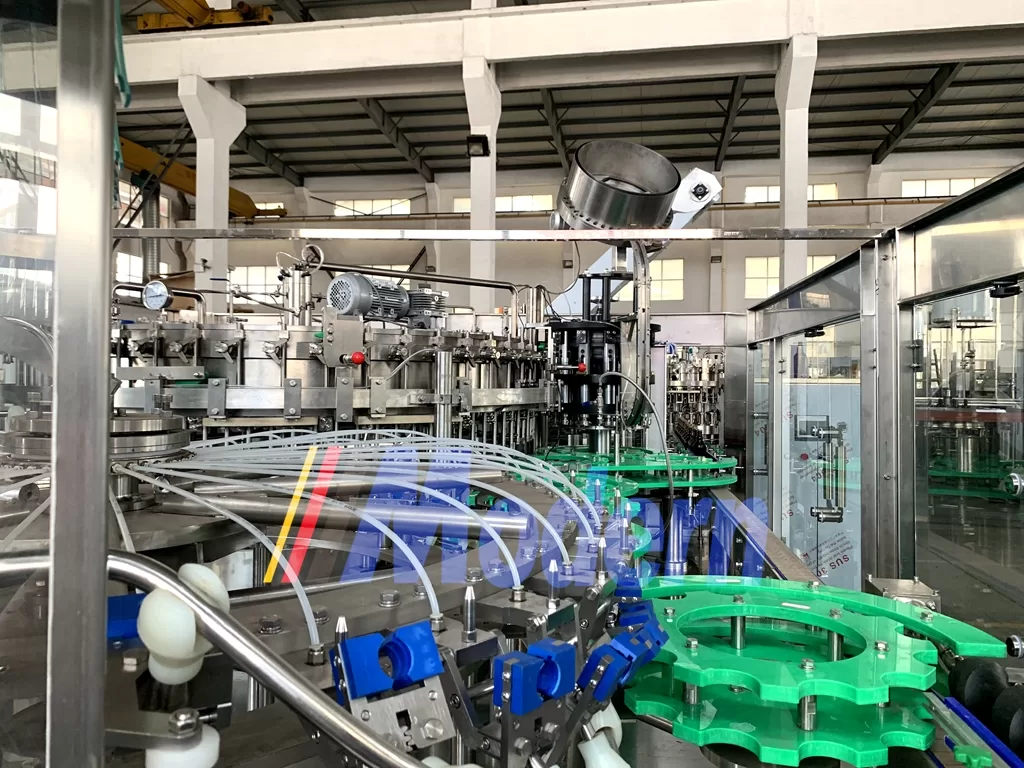
آلات تعبئة وإغلاق الزجاجات الزجاجية هي أنظمة آلية مصممة لتعبئة الزجاجات الزجاجية بكفاءة بمختلف السوائل وإغلاقها بعد ذلك. تُستخدم هذه الآلات في العديد من الصناعات، بما في ذلك المشروبات، ومستحضرات التجميل، والأدوية، وغيرها. وتتمثل وظائفها الأساسية في ضمان التعبئة الدقيقة، والحفاظ على سلامة المنتج، وإغلاق الزجاجات بإحكام لمنع التلوث.
أنواع آلات تعبئة الزجاجات
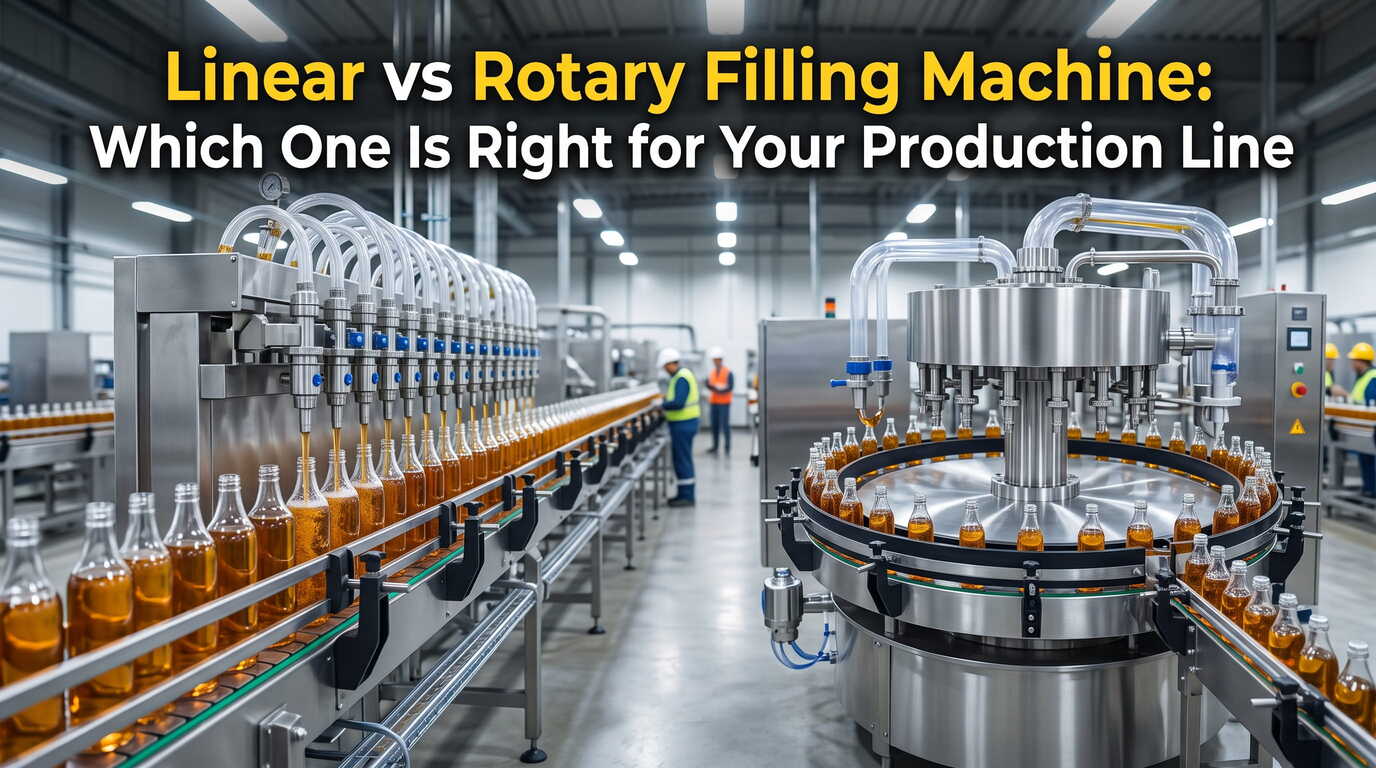
يمكن تصنيف آلات تعبئة الزجاجات الزجاجية بناءً على آليات تشغيلها ونوع السائل الذي تتعامل معه. فيما يلي بعض الأنواع الأكثر شيوعاً:
1. آلات التعبئة بالجاذبية
تعمل آلات التعبئة بالجاذبية بناءً على قوة الجاذبية لتعبئة الزجاجات. يتدفق السائل من خزان مرتفع إلى الزجاجات عبر فوهات التعبئة. هذا النوع مثالي للسوائل الأقل لزوجة، مثل الماء والعصائر والمشروبات الخفيفة الأخرى.
2. آلات التعبئة بالضغط
تستخدم آلات التعبئة بالضغط الهواء المضغوط أو السائل لتعبئة الزجاجات بسرعة. وهي مناسبة للمشروبات الغازية أو السوائل المضغوطة الأخرى، حيث أنها تقلل من الرغوة وتضمن مستويات تعبئة متسقة.
3. آلات التعبئة بالتفريغ (الفراغ)
تستخدم آلات التعبئة بالتفريغ ضغط الفراغ لسحب السائل إلى الزجاجات. يتم إنشاء الفراغ داخل الزجاجة، مما يسمح بتعبئة السائل دون إدخال الهواء. هذه الطريقة مفيدة بشكل خاص للسوائل اللزجة والمنتجات التي تتطلب عمراً افتراضياً طويلاً.
4. آلات التعبئة بالمكبس
تعمل آلات التعبئة بالمكبس باستخدام آلية مكبس لقياس كميات دقيقة من السائل للتعبئة. وهي دقيقة للغاية ويمكنها التعامل مع مجموعة واسعة من اللزوجة، مما يجعلها مثالية للصلصات والشراب والكريمات.
عملية الإغلاق: ضمان سلامة المنتج
بعد عملية التعبئة، تأتي الخطوة الحاسمة التالية وهي الإغلاق. تتضمن هذه العملية وضع الأغطية بإحكام على الزجاجات الزجاجية لضمان نضارة المنتج ومنع التسرب. تتوفر خيارات إغلاق مختلفة، يمكن تصنيفها كما يلي:
1. الأغطية اللولبية
تُستخدم الأغطية اللولبية على نطاق واسع نظراً لسهولة تطبيقها وقدرتها على إنشاء إغلاق محكم. يمكن لآلات الإغلاق اللولبي الآلية وضع هذه الأغطية بسرعات عالية، مما يضمن الكفاءة في الإنتاج.
2. الأغطية الكبس (Snap-on)
تم تصميم الأغطية الكبس، أو أغطية الضغط، لتناسب عنق الزجاجة بإحكام دون الحاجة إلى لولبة. توفر هذه الأغطية حلاً سريعاً للإغلاق ولكنها قد لا توفر نفس مستوى الأمان الذي توفره الأغطية اللولبية.
3. الفلين والسدادات الطبيعية
غالباً ما يُستخدم الفلين في صناعات النبيذ والمشروبات الروحية الفاخرة. عادةً ما تشتمل آلات الإغلاق المصممة للفلين على رأس سد يضمن إدخال الفلين بشكل صحيح لتجنب التلف.
فوائد آلات تعبئة وإغلاق الزجاجات الزجاجية
يوفر دمج آلات تعبئة وإغلاق الزجاجات الزجاجية في خط الإنتاج العديد من المزايا:
1. الكفاءة والسرعة
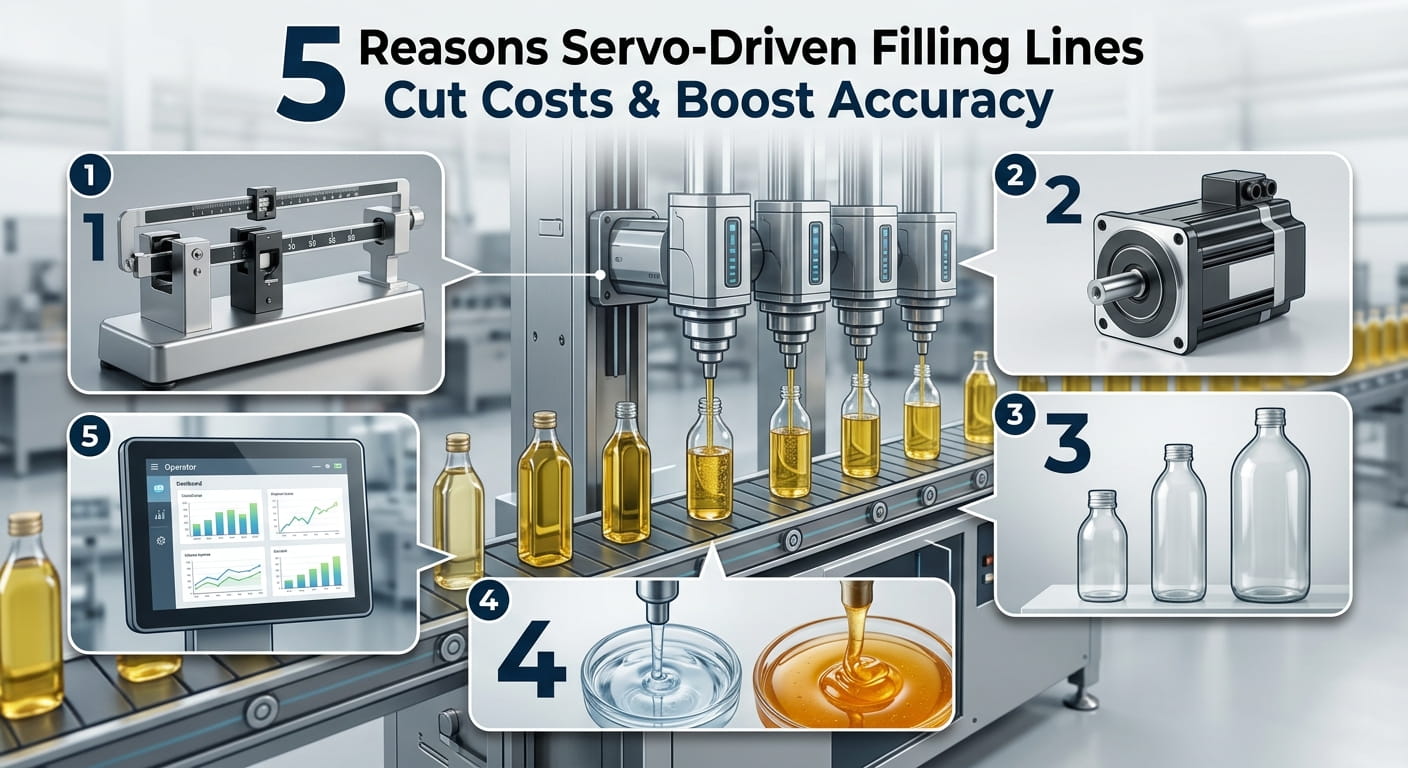
تؤدي أتمتة عملية التعبئة والإغلاق إلى تقليل الوقت المطلوب للإنتاج بشكل كبير. يمكن للآلات عالية السرعة تعبئة وإغلاق آلاف الزجاجات في الساعة، مما يضمن قدرة الشركات على مواكبة الطلب.
2. الاتساق والدقة
توفر الآلات الآلية مستويات تعبئة متسقة وإحكاماً في الإغلاق، وهو أمر بالغ الأهمية للحفاظ على مراقبة الجودة وتلبية المعايير التنظيمية.
3. خفض تكاليف العمالة
يقلل الاستثمار في الآلات الآلية من الحاجة إلى العمالة اليدوية، مما يخفض تكاليف العمالة ويقلل من مخاطر الخطأ البشري. وهذا يسمح للمشغلين بالتركيز على جوانب حيوية أخرى من الإنتاج.
4. التنوع
يمكن تكييف آلات التعبئة والإغلاق الحديثة مع أحجام وأشكال الزجاجات وأنواع السوائل المختلفة. تسمح هذه المرونة للمصنعين بتوسيع عروض منتجاتهم دون استثمار كبير في معدات جديدة.
رؤى تشغيلية: اختيار الآلة المناسبة
عند اختيار آلة تعبئة وإغلاق الزجاجات الزجاجية، يجب مراعاة عدة عوامل:
1. نوع المنتج
تؤثر طبيعة السائل الذي يتم تعبئته بشكل كبير على اختيار الآلة. يجب على المصنعين تقييم ما إذا كانوا بحاجة إلى آلة تعبئة للسوائل الخفيفة، أو المعاجين السميكة، أو المشروبات المضغوطة واختيار الآلية المناسبة وفقاً لذلك.
2. القدرة الإنتاجية
حدد أهداف الإنتاج الخاصة بك. حدد الإنتاجية المطلوبة وطابقها مع قدرات الآلة. إن مواءمة القدرة الإنتاجية مع الطلب يضمن الكفاءة دون استثمار زائد أو ناقص.
3. الميزانية والعائد على الاستثمار (ROI)
قم بتقييم تكاليف الشراء الأولية، ونفقات التشغيل، والعائد المحتمل على الاستثمار. لا تأخذ في الاعتبار سعر الآلة فحسب، بل أيضاً الصيانة، واستهلاك الطاقة، وأي زيادة محتملة في الإنتاج عند تقدير القيمة طويلة الأجل.
4. قابلية التوسع المستقبلية
قد تنمو أعمالك بمرور الوقت، لذا فإن اختيار آلة تتمتع بالمرونة لاستيعاب المتطلبات المستقبلية أمر بالغ الأهمية. اختر الآلات التي يمكن ترقيتها أو تعديلها مع تطور احتياجات الإنتاج.
الصيانة: الحفاظ على الآلات في حالة مثالية
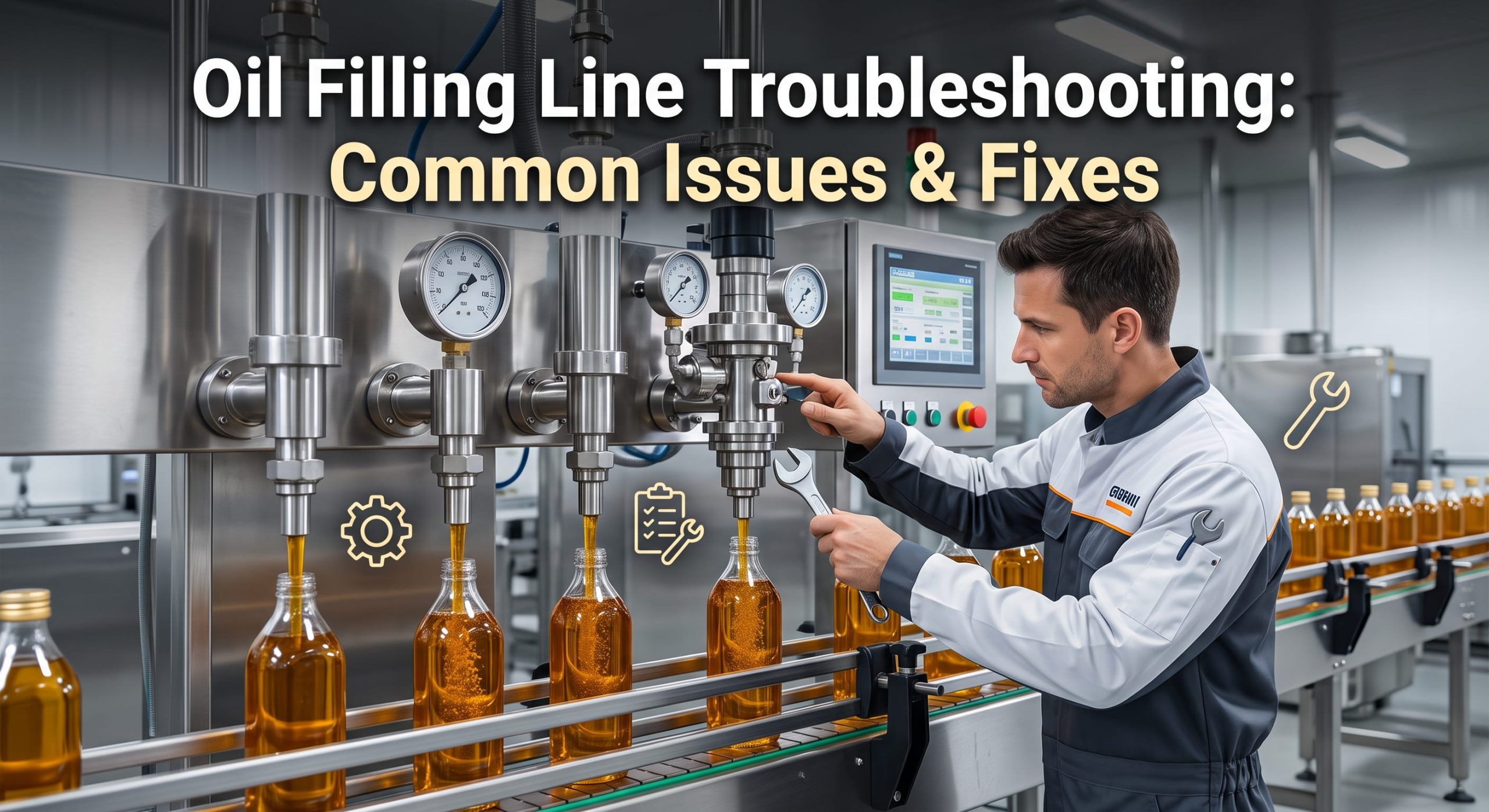
تؤتي الصيانة الدورية لآلات تعبئة وإغلاق الزجاجات الزجاجية ثمارها من حيث الأداء وطول العمر. إليك بعض نصائح الصيانة العملية:
1. التنظيف
حافظ على نظافة الآلة لمنع التلوث. قم بتنظيف فوهات التعبئة، ورؤوس الإغلاق، والأجزاء الأخرى الملامسة للمنتج بانتظام. يعد استخدام عوامل التنظيف المناسبة أمراً بالغ الأهمية لتجنب إتلاف المكونات.
2. الفحوصات الروتينية
قم بإجراء عمليات تفتيش روتينية لتحديد التآكل أو أي اختلال في الأجزاء. يمكن أن يمنع الاكتشاف المبكر حدوث مشكلات أكثر خطورة قد تسبب توقف العمل.
3. التشحيم
يعد التشحيم المناسب للأجزاء المتحركة ضرورياً لتسهيل التشغيل السلس وتقليل التآكل. اتبع إرشادات الشركة المصنعة بشأن جداول التشحيم والمنتجات المستخدمة.
اتجاهات السوق والتوقعات المستقبلية
يستمر سوق آلات تعبئة وإغلاق الزجاجات الزجاجية في التطور، مدفوعاً بعوامل مختلفة:
1. التعبئة والتغليف الصديقة للبيئة
مع التركيز العالمي المتزايد على الاستدامة، يميل المصنعون بشكل متزايد نحو حلول التعبئة والتغليف الصديقة للبيئة. غالباً ما يُنظر إلى الزجاج على أنه خيار أكثر استدامة مقارنة بالبلاستيك، مما قد يزيد من الطلب على آلات تعبئة الزجاجات الزجاجية.
2. دمج التكنولوجيا المتقدمة
إن دمج التقنيات الذكية، مثل إنترنت الأشياء (IoT) والذكاء الاصطناعي (AI)، في آلات التعبئة والإغلاق مهيأ لتعزيز المراقبة والكفاءة. يمكن لهذه الابتكارات تحسين خطوط الإنتاج، والتنبؤ باحتياجات الصيانة، ورفع مستوى الأداء العام.
3. توسيع السوق
يتزايد الطلب على المنتجات المعبأة في زجاجات في الأسواق الناشئة. يوفر هذا الاتجاه فرصاً للمصنعين لاستكشاف أسواق جديدة، مما يستلزم الحاجة إلى حلول تعبئة وإغلاق فعالة تلبي المعايير المحلية المتنوعة.
الخلاصة
لا يمكن المبالغة في أهمية آلات تعبئة وإغلاق الزجاجات في عملية الإنتاج. إن قدرتها على تعزيز الكفاءة التشغيلية، وضمان سلامة المنتج، وخفض التكاليف تجعلها لا غنى عنها في العديد من الصناعات. من خلال فهم أنواع الآلات المتاحة ووظائفها وأحدث الاتجاهات في السوق، يمكن للشركات اتخاذ قرارات مستنيرة تدفع عجلة النمو والنجاح. في نهاية المطاف، يمكن للاستثمار في التكنولوجيا المناسبة اليوم أن يمهد الطريق لمستقبل أكثر ربحية واستدامة.