في عصر أصبحت فيه عمليات تعبئة وتوزيع المياه بكفاءة أكثر أهمية من أي وقت مضى، برزت آلات تعبئة مياه الجالونات كأصل مهم للشركات العاملة في قطاع المشروبات والمياه. لا تعمل هذه الآلات على تبسيط عملية التعبئة فحسب، بل تزيد أيضاً من الإنتاجية ومعايير النظافة. ستقدم هذه المقالة فهماً شاملاً لآلات تعبئة مياه الجالونات، وأهميتها، وأنواعها، والميزات التي يجب مراعاتها، ونصائح عملية للشركات التي تتطلع إلى الاستثمار فيها.
فهم آلات تعبئة مياه الجالونات
صُممت آلات تعبئة مياه الجالونات خصيصاً لأتمتة عملية تعبئة عبوات المياه الكبيرة، والتي تتراوح عادةً بين 3 إلى 5 جالونات. تُعد هذه الآلات جزءاً لا يتجزأ من قطاعات مختلفة، بما في ذلك إنتاج المياه المعبأة، وشركات المشروبات، وحتى في المنشآت التجارية مثل المكاتب ومتاجر التجزئة. تقلل الطبيعة الآلية لهذه الآلات من العمالة البشرية، وتحد من مخاطر التلوث، وتضمن مستوى عالٍ من الاتساق في التعبئة.
أهمية آلات تعبئة مياه الجالونات
يوفر الاستثمار في آلة تعبئة مياه الجالونات فوائد عديدة للشركات:
- زيادة الكفاءة: يمكن لهذه الآلات تسريع عملية التعبئة بشكل كبير، مما يسمح بإنتاجية أعلى في وقت أقل. وهذا مفيد بشكل خاص خلال ساعات ذروة العمل.
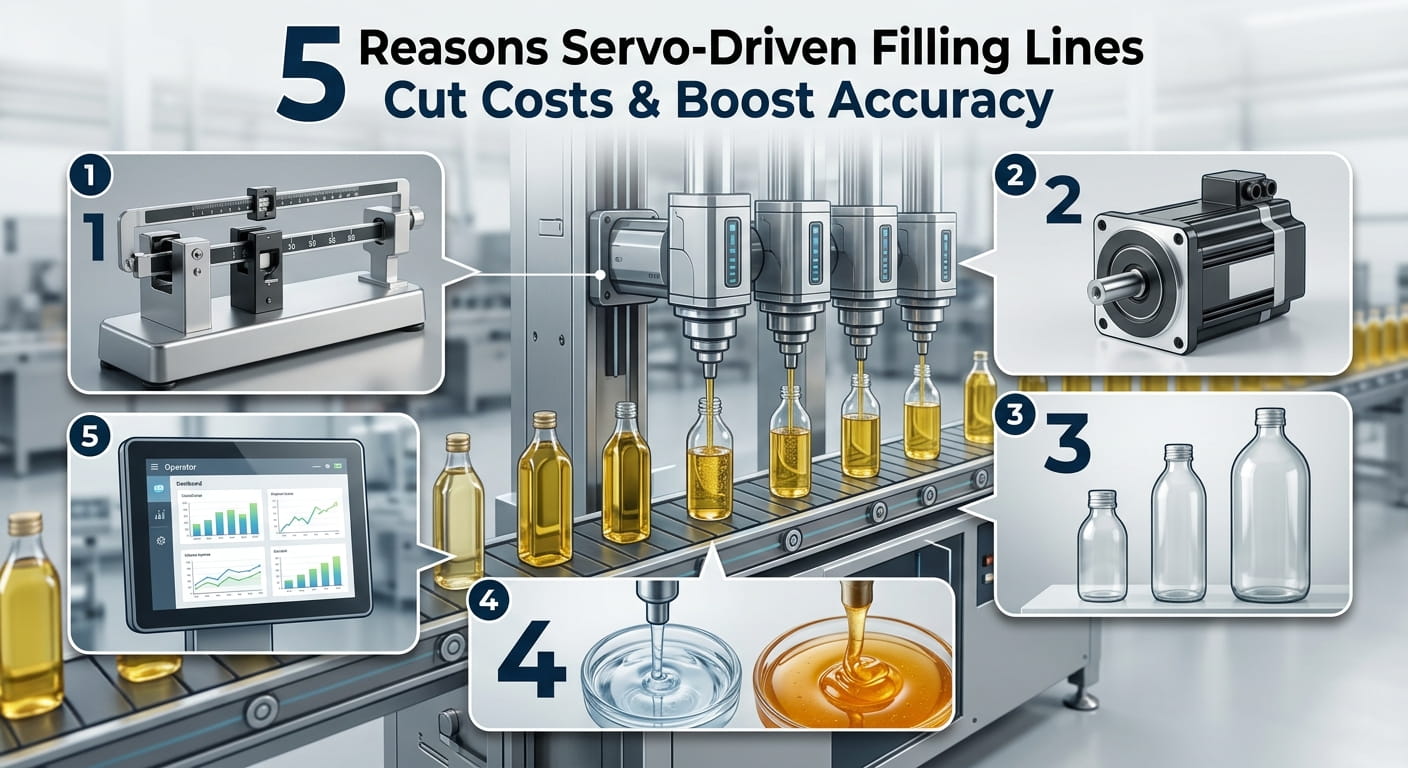
- الدقة والإحكام: صُممت آلات تعبئة مياه الجالونات لتحقيق الدقة، مما يضمن تعبئة كل عبوة بالمستوى الأمثل دون انسكاب أو هدر.
- تعزيز معايير النظافة: في صناعة تعتبر فيها النظافة أمراً بالغ الأهمية، غالباً ما تتميز هذه الآلات بممارسات تعقيم متقدمة، مما يقلل من التلامس البشري ويحد من مخاطر التلوث.
- فعالية التكلفة: على الرغم من أن الاستثمار الأولي قد يكون كبيراً، إلا أن التوفير طويل الأمد في تكاليف العمالة، وهدر المنتج، وزيادة الإنتاجية يمكن أن يؤدي إلى فوائد مالية كبيرة.
أنواع آلات تعبئة مياه الجالونات
يعد اختيار آلة تعبئة مياه الجالونات المناسبة أمراً بالغ الأهمية لنجاح العملية. فيما يلي الأنواع الأكثر شيوعاً:
1. آلات التعبئة بالجاذبية
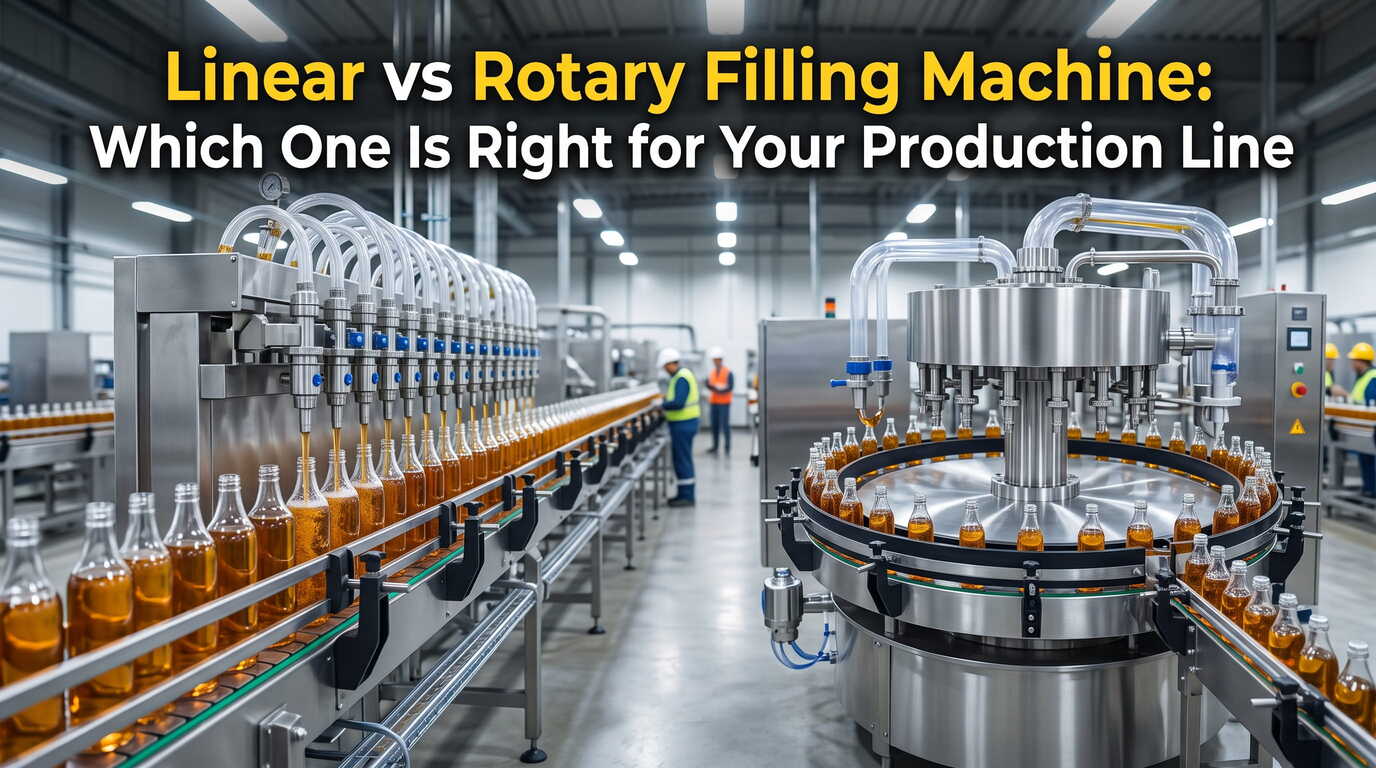
تعمل آلات التعبئة بالجاذبية وفق مبدأ الجاذبية لملء العبوات. هذه الآلات هي حلول بسيطة وفعالة من حيث التكلفة ومناسبة للسوائل الصافية مثل الماء. ومع ذلك، قد لا توفر دائماً الدقة المطلوبة للإنتاج عالي الحجم.
2. آلات التعبئة بالضغط
تستخدم آلات التعبئة بالضغط ضغط الهواء لدفع المياه إلى العبوات. يمكن لهذه الآلات تعبئة عبوات متعددة في وقت واحد، مما يجعلها بديلاً أكثر كفاءة للعمليات الأكبر. وهي مناسبة لكل من المياه المعبأة وأنواع أخرى من المشروبات.
3. آلات التعبئة الحجمية
تقيس آلات التعبئة الحجمية الحجم الدقيق للمياه التي يتم توزيعها في كل عبوة. هذه الآلات مفيدة بشكل خاص للشركات التي تحتاج إلى الحفاظ على رقابة صارمة على كمية السائل الذي يتم تعبئته، مما يضمن الاتساق والجودة.
4. خطوط التعبئة الأوتوماتيكية
بالنسبة للمصنعين ذوي الإنتاج الضخم، يمكن لخطوط التعبئة الأوتوماتيكية بالكامل تبسيط عملية التعبئة بأكملها بدءاً من الغسيل والتعبئة وصولاً إلى الإغلاق. هذه الآلات أكثر تكلفة ولكنها يمكن أن تعزز بشكل كبير من قدرات الإنتاج والكفاءة.
الميزات الرئيسية التي يجب مراعاتها عند الشراء
قبل الاستثمار في آلة تعبئة مياه الجالونات، ضع في اعتبارك الميزات التالية لضمان تلبيتها لاحتياجاتك التشغيلية:
1. الطاقة الإنتاجية
قم بتقييم متطلبات عملك لتحديد السعة التي تحتاجها. تتوفر آلات يمكنها تعبئة أي عدد من الجالونات بدءاً من بضعة جالونات وصولاً إلى الآلاف في الساعة. تأكد من أن الآلة التي تختارها يمكنها التعامل مع متطلبات الإنتاج الحالية والمستقبلية.
2. سهولة الاستخدام والصيانة
اختر الآلات التي توفر عناصر تحكم سهلة الاستخدام وتشغيلاً بديهياً. بالإضافة إلى ذلك، ضع في اعتبارك مدى سهولة تنظيف الآلة وصيانتها، حيث أن الصيانة الدورية هي المفتاح لإطالة عمرها الافتراضي.
3. متطلبات الحجم والمساحة
قم بتقييم المساحة المتاحة في منشأتك. يمكن أن تختلف آلات تعبئة مياه الجالونات بشكل كبير في الحجم. تأكد من أن الآلة تتناسب بشكل مريح مع سير عملك دون تعطيل العمليات الحالية.
4. ميزات ضمان الجودة
ابحث عن الآلات المجهزة بمكونات ضمان الجودة مثل نظام الكشف عن مستوى التعبئة، وآليات التحكم في الضغط، وحتى قدرات الفحص المتكاملة. تساعد هذه الميزات في الحفاظ على اتساق المنتج وجودته طوال عملية التعبئة.
5. التوافق مع المعدات الأخرى
إذا كان لديك بالفعل آلات أخرى مدمجة في خط الإنتاج الخاص بك، فتأكد من أن آلة التعبئة الجديدة متوافقة معها. سيسمح ذلك بسير عمل أكثر تماسكاً ويقلل من مخاطر عدم الكفاءة التشغيلية.
نصائح عملية للشركات
فيما يلي خطوات ونصائح عملية يمكن للشركات اتخاذها عند التفكير في شراء آلة تعبئة مياه الجالونات:
1. البحث الشامل
قم بإجراء بحث مفصل حول مختلف الموديلات والعلامات التجارية. اقرأ مراجعات العملاء ودراسات الحالة لفهم الأداء والموثوقية في العالم الحقيقي. تأكد من التواصل مع العديد من الموردين للحصول على فكرة عن السوق والخيارات المتاحة.
2. التخطيط للمستقبل
اختر آلة لا تلبي احتياجات الإنتاج الحالية فحسب، بل يمكنها أيضاً التوسع مع نمو عملك مع زيادة الطلب. الاستثمار في المعدات التي تسمح بالتوسع يمكن أن يوفر الوقت والمال على المدى الطويل.
3. مراعاة كفاءة الطاقة
مع ارتفاع تكاليف الطاقة باستمرار، فكر في الاستثمار في الآلات التي تتميز بمكونات موفرة للطاقة. يمكن أن يؤدي ذلك إلى وفورات كبيرة بمرور الوقت وهو خيار صديق للبيئة.
4. تدريب موظفيك
بمجرد شراء الآلة، قم بتدريب موظفيك على تشغيلها وصيانتها. يمكن للتدريب المناسب أن يقلل من وقت التوقف عن العمل ويعزز الكفاءة التشغيلية، مما يضمن أداء الآلة في أفضل حالاتها.
5. الاستثمار في عقود الصيانة
فكر في إبرام عقد صيانة مع المورد أو مع مزود خدمة خارجي. ستضمن الصيانة الدورية استمرار عمل الماكينة بسلاسة وإطالة عمرها الافتراضي، مما يضمن لك الحصول على أفضل عائد على استثمارك.
الخلاصة
تعد ماكينات تعبئة المياه بالجالونات معدات حيوية للشركات العاملة في قطاع المشروبات. ومن خلال فهم آلية عملها، وأنواعها، ومميزاتها الرئيسية، والحصول على نصائح عملية لاختيارها وصيانتها، يمكن لأصحاب الأعمال اتخاذ قرارات استثمارية مدروسة تعزز الإنتاجية وتتوافق مع معايير النظافة. ومع استمرار نمو الطلب على المياه المعبأة، فإن دمج هذه الماكينات في عملياتك قد يمنحك ميزة تنافسية كبيرة، مما يضمن لشركتك ليس فقط البقاء، بل الازدهار في سوق اليوم المليء بالتحديات.
استثمر بحكمة، وقم بتدريب موظفيك، وابقَ دائماً على اطلاع بأحدث اتجاهات الصناعة لتحقيق أقصى استفادة من ماكينة تعبئة المياه بالجالونات الخاصة بك.