
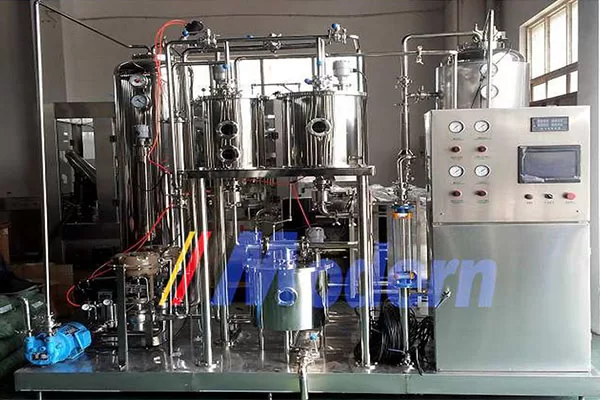
في عصر أصبحت فيه الكفاءة والدقة هما المعيار لنجاح الأعمال، لا يمكن التقليل من أهمية حلول التعبئة والتغليف مثل آلات تعبئة الجالونات. تلعب هذه الأنظمة المتخصصة دوراً حيوياً في العديد من الصناعات، بما في ذلك الأغذية والمشروبات، والأدوية، والمواد الكيميائية، والمنتجات المنزلية. ومن خلال أتمتة عملية التعبئة، يمكن للشركات تعزيز الإنتاجية، وتقليل الهدر، وضمان اتساق المنتج. في هذا المقال، سوف نتعمق في الجوانب المختلفة لآلات تعبئة الجالونات، ونغطي أنواعها، ومبادئ عملها، وميزاتها الرئيسية، ومزاياها، ونصائح الصيانة لزيادة فعاليتها إلى أقصى حد.
فهم آلات تعبئة الجالونات
تم تصميم آلة تعبئة الجالونات لتعبئة المنتجات السائلة في حاويات بحجم جالون. يمكن لهذه الآلات التعامل مع مجموعة واسعة من السوائل اللزجة وغير اللزجة، بدءاً من الماء والعصير وصولاً إلى زيت المحركات والمنظفات. يتحدد عمل هذه الآلات بناءً على المتطلبات المحددة للمنتج الذي يتم تعبئته، والتي تشمل اللزوجة، ودرجة الحرارة، وسرعة التعبئة المطلوبة.
أنواع آلات تعبئة الجالونات
تأتي آلات تعبئة الجالونات في عدة تكوينات، ويعد اختيار النوع المناسب لعملك أمراً بالغ الأهمية. فيما يلي بعض الأنواع الأكثر شيوعاً:
1. آلات التعبئة بالجاذبية
تعمل حشوات الجاذبية (Gravity fillers) وفق مبدأ استخدام الجاذبية لتعبئة الحاويات. تُستخدم هذه الآلات عادةً للسوائل ذات اللزوجة المنخفضة. العملية مباشرة؛ حيث يتم وضع الحاوية تحت الفوهة، فيتدفق السائل إليها بفعل قوة الجاذبية. وعلى الرغم من أن حشوات الجاذبية فعالة من حيث التكلفة وسهلة التشغيل، إلا أن سرعتها قد لا تكون كافية للإنتاج عالي الحجم.
2. حشوات المضخات (Pump Fillers)
تعتبر حشوات المضخات مثالية للسوائل الأكثر كثافة التي لا يمكن أن تتدفق بسهولة عن طريق الجاذبية. وهي تستخدم مضخات لتوليد القوة اللازمة لتدفق السائل إلى الحاويات. هناك أنواع مختلفة من المضخات، مثل مضخات الحجاب الحاجز ومضخات التروس، ويتم اختيار كل منها بناءً على الخصائص المحددة للسائل الذي يتم تعبئته. تتميز حشوات المضخات بأنها أكثر تنوعاً من حشوات الجاذبية ويمكنها التعامل مع نطاق أوسع من اللزوجة.
3. حشوات المكبس (Piston Fillers)
تشتهر حشوات المكبس بدقتها وتنوعها، مما يجعلها مناسبة للسوائل الكثيفة والخفيفة على حد سواء. تستخدم هذه الآلات مكبساً وأسطوانة لقياس وتوزيع حجم محدد مسبقاً من السائل بدقة في كل حاوية. هذه الدقة تقلل من الهدر وتضمن اتساق المنتج، وهو أمر ضروري في الصناعات الخاضعة للرقابة مثل الأدوية.
4. الحشوات الحجمية (Volumetric Fillers)
تقوم الحشوات الحجمية بقياس وتوزيع السوائل بناءً على الحجم. يمكنها العمل باستخدام طرق مختلفة، بما في ذلك عدادات التدفق وأجهزة التوقيت، مما يجعلها قابلة للتكيف مع مختلف المنتجات وسرعات الإنتاج. تُستخدم الحشوات الحجمية على نطاق واسع في صناعات المشروبات نظراً لكفاءتها ودقتها.
اختيار آلة تعبئة الجالونات المناسبة
يتطلب اختيار آلة تعبئة الجالونات المناسبة دراسة متأنية لعوامل مختلفة:
1. خصائص المنتج
يعد فهم لزوجة السائل ودرجة حرارته وتركيبه الكيميائي أمراً ضرورياً. بعض الآلات تكون أكثر ملاءمة للسوائل الأكثر كثافة، بينما تعمل أخرى بشكل جيد مع السوائل الخفيفة.
2. حجم الإنتاج
قيّم احتياجات الإنتاج اليومية الخاصة بك. بالنسبة للعمليات الصغيرة، قد تكون الآلات الأبسط والأبطأ كافية. ومع ذلك، غالباً ما تتطلب المشاريع ذات الحجم الكبير آلات توفر سرعة وكفاءة أكبر.
3. قيود الميزانية
ضع في اعتبارك ميزانيتك ليس فقط لشراء الآلة ولكن أيضاً لصيانتها وتشغيلها. قد يؤدي الاستثمار في آلة ذات جودة أعلى إلى تحقيق وفورات أكبر على المدى الطويل من خلال زيادة الكفاءة وتقليل وقت التوقف عن العمل.
4. اعتبارات المساحة
تأكد من أن أبعاد الآلة تتناسب مع منطقة الإنتاج الخاصة بك. من الضروري مراعاة التخطيط وسير العمل لمنع العوائق وضمان سلاسة العمليات.
مزايا آلات تعبئة الجالونات
يوفر دمج آلات تعبئة الجالونات في خط الإنتاج الخاص بك العديد من المزايا التي يمكن أن تعزز عمليات عملك:
1. زيادة الكفاءة
من خلال أتمتة عملية التعبئة، تقلل هذه الآلات بشكل كبير من الوقت المطلوب للتعبئة اليدوية. تساهم هذه الكفاءة في النهاية في زيادة الإنتاج وأوقات إنجاز أسرع.
2. دقة محسنة
تم تصميم آلات التعبئة الحديثة لتوزيع كميات دقيقة من السائل، مما يقلل من الهدر ويضمن تعبئة كل حاوية بالمستوى المطلوب. هذه الدقة تقلل من احتمالية شكاوى العملاء بسبب أحجام المنتجات غير المتسقة.
3. توفير العمالة
تؤدي أتمتة عملية التعبئة إلى تقليل الاعتماد على العمالة اليدوية، مما يسمح لقوتك العاملة بالتركيز على جوانب حيوية أخرى من الإنتاج. يمكن أن يؤدي ذلك إلى خفض تكاليف العمالة وتحسين إنتاجية القوى العاملة.
4. تحسين النظافة
تم تصميم العديد من آلات تعبئة الجالونات مع مراعاة النظافة، مما يجعلها سهلة التنظيف والصيانة. وهذا مهم بشكل خاص في صناعات مثل الأغذية والأدوية، حيث تعتبر النظافة أمراً بالغ الأهمية.
5. القابلية للتوسع
مع نمو عملك، تصبح القدرة على توسيع نطاق الإنتاج بكفاءة أمراً حيوياً. غالباً ما يمكن تعديل آلات تعبئة الجالونات أو ترقيتها لتلبية متطلبات الإنتاج المتزايدة دون الحاجة إلى إصلاح شامل لخط الإنتاج.
نصائح الصيانة لآلات تعبئة الجالونات
لضمان طول عمر وكفاءة آلة تعبئة الجالونات الخاصة بك، تعد الصيانة الدورية أمراً ضرورياً. إليك بعض نصائح الصيانة العملية:
1. التنظيف الدوري
التزم بجدول تنظيف لإزالة البقايا ومنع التلوث. تأكد من تفكيك الآلة وتنظيفها وإعادة تجميعها بشكل صحيح حسب الحاجة.
2. التشحيم
قم بتزييت الأجزاء المتحركة بانتظام لتقليل التآكل. ارجع إلى إرشادات الشركة المصنعة للحصول على مواد التشحيم والجداول الزمنية الموصى بها.
3. عمليات التفتيش الروتينية
قم بإجراء عمليات تفتيش دورية لتحديد المشكلات المحتملة قبل تفاقمها. راقب أجزاء التآكل، والأختام، والمكونات الكهربائية لضمان عمل الآلة بسلاسة.
4. تدريب الموظفين
تأكد من تدريب جميع الموظفين الذين يشغلون الآلة بشكل صحيح. يمكن للمشغلين المطلعين اكتشاف الأعطال المحتملة في وقت مبكر ويمكنهم تنفيذ مهام استكشاف الأخطاء وإصلاحها والصيانة الأساسية.
مستقبل آلات تعبئة الجالونات
يتجه التصنيع بشكل متزايد نحو الأتمتة والتكنولوجيا الذكية. يتزايد دمج أجهزة الاستشعار المتقدمة، والذكاء الاصطناعي، وتحليلات البيانات في آلات تعبئة الجالونات. تعد هذه الابتكارات بتعزيز الدقة، وتقليل وقت التوقف عن العمل، وتوفير رؤى أعمق حول كفاءة الإنتاج. من المرجح أن تحافظ الشركات التي تسبق هذه التطورات التكنولوجية على ميزة تنافسية في السوق.
الخلاصة
تعتبر آلات تعبئة الجالونات لا غنى عنها في عمليات التصنيع الحديثة، حيث توفر الكفاءة والدقة وفوائد توفير التكاليف. إن فهم الأنواع المختلفة لآلات التعبئة، وكيفية اختيار الآلة المناسبة لعملك، والمزايا التي توفرها، وممارسات الصيانة سيساعدك على تحسين خط الإنتاج الخاص بك. إن تبني الأتمتة والتكنولوجيا في هذا المجال سيعد عملك للتحديات والفرص المستقبلية، مما يمكنّك من تلبية طلبات المستهلكين بشكل أفضل وتحسين أرباحك.


