
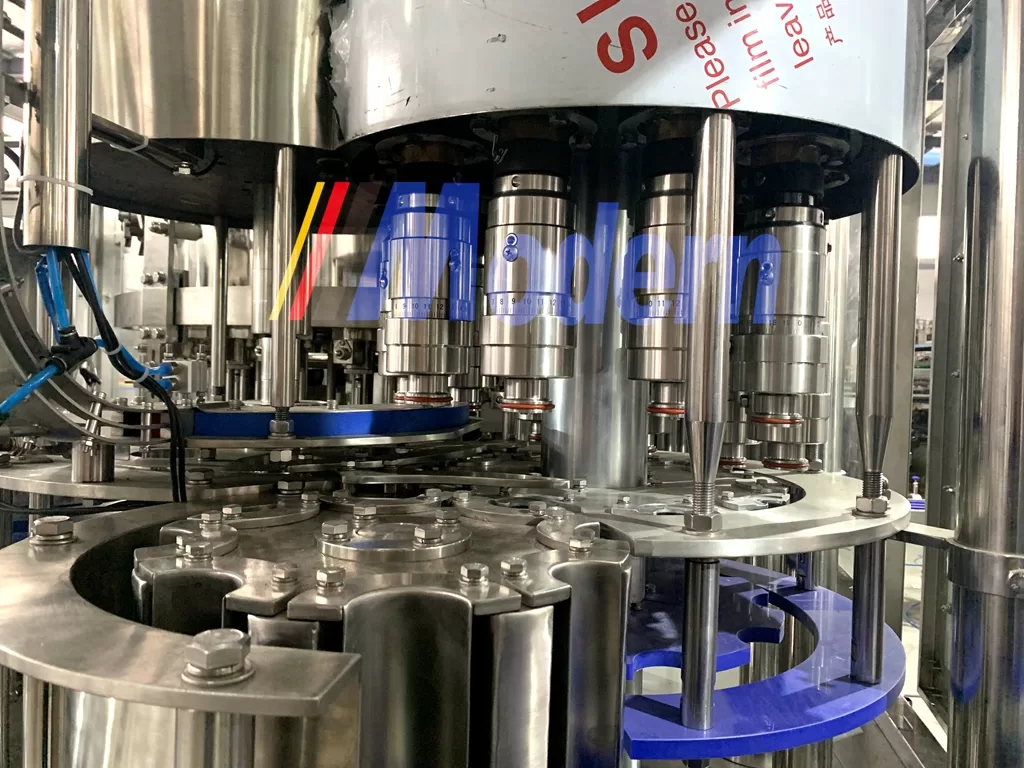
في عالم إنتاج المشروبات الحديث، تعد الكفاءة والدقة والابتكار عوامل حاسمة للنجاح. ومن بين العديد من أنواع الآلات التي تلعب دوراً محورياً في هذا المجال، تبرز آلات تعبئة المشروبات كتركيز أساسي للمصنعين الذين يسعون إلى تعزيز الإنتاجية وتبسيط عملية التعبئة. يتعمق هذا المقال في الجوانب المختلفة لآلات تعبئة المشروبات، والمصنعين الذين يقفون وراءها، والاعتبارات العملية للشركات التي تسعى إلى تحسين عملياتها.
فهم آلات تعبئة المشروبات
آلات تعبئة المشروبات هي معدات متخصصة مصممة لتعبئة المشروبات في زجاجات أو علب بدقة وكفاءة، بدءاً من المياه الساكنة والمشروبات الغازية وصولاً إلى العصائر والمشروبات الكحولية. تعتمد فعالية هذه الآلات على العديد من المكونات والتقنيات التي تسهل التعبئة عالية السرعة، وتقلل من الهدر، وتحافظ على جودة المشروب الذي يتم تعبئته.
هناك العديد من أنواع آلات التعبئة المتاحة في السوق، بما في ذلك:
- آلات التعبئة بالجاذبية: هذه آلات بسيطة تستخدم قوة الجاذبية لملء الحاويات. تعتبر آلات التعبئة بالجاذبية مثالية للسوائل الأقل لزوجة مثل الماء والعصير.
- آلات التعبئة الهوائية: تستخدم هذه الآلات الهواء المضغوط لملء الحاويات وهي مناسبة للمنتجات عالية اللزوجة.
- آلات التعبئة بالتفريغ (الفراغ): تُستخدم هذه الآلات في الغالب للزجاجات، حيث تقوم بإنشاء فراغ يساعد على سحب السائل إلى الزجاجة، مما يضمن الحد الأدنى من الانسكاب.
- آلات التعبئة بالضغط: تُستخدم هذه الآلات على نطاق واسع للمشروبات الغازية وتتضمن التعبئة تحت الضغط للحفاظ على مستويات الغاز.
رؤى حول عملية التصنيع
تتضمن عملية تصنيع آلات تعبئة المشروبات عدة مراحل، تبدأ بتصميم وهندسة الآلة. يستخدم المصنعون عادةً برامج متقدمة لإنشاء نماذج أولية ومحاكاة، مما يضمن الكفاءة والموثوقية قبل الانتقال إلى مرحلة الإنتاج.
بمجرد الانتهاء من التصميم، يختار المصنعون مواد تتحمل الظروف القاسية لإنتاج المشروبات، مثل التآكل الناتج عن السوائل الحمضية والحاجة إلى التعقيم الشامل. تشمل المواد الشائعة الفولاذ المقاوم للصدأ والبلاستيك عالي الجودة المعتمد من إدارة الغذاء والدواء (FDA) لمعالجة الأغذية.
بعد الحصول على المواد، تتم عملية الإنتاج في خطوات متعددة: القطع، واللحام، والتجميع، والاختبار. يتم دمج تدابير مراقبة الجودة طوال العملية لضمان مطابقة المعدات لمعايير ولوائح الصناعة.
اختيار المصنع المناسب
عندما يتعلق الأمر باختيار الشركة المصنعة المناسبة لآلات تعبئة المشروبات، يجب على الشركات مراعاة عدة عوامل:
1. الخبرة والسمعة
يمكن أن تؤثر خبرة الشركة المصنعة في الصناعة بشكل كبير على جودة الآلة. من المرجح أن يكون لدى الشركة المصنعة ذات السمعة الطيبة تاريخ من المشاريع الناجحة والعملاء الراضين. يمكن أن توفر قراءة المراجعات، وطلب الشهادات، والبحث في دراسات الحالة نظرة ثاقبة حول مصداقيتهم.
2. التكنولوجيا والابتكار
يتطلب إنتاج المشروبات الحديث من المصنعين مواكبة التطورات التكنولوجية. يجب على الشركات البحث عن المصنعين الذين يستخدمون أحدث التقنيات، مثل الأتمتة في خطوط التعبئة، التي لا تزيد من الكفاءة فحسب، بل تقلل أيضاً من تكاليف العمالة والخطأ البشري.
3. خيارات التخصيص
كل شركة مشروبات لديها احتياجات معالجة فريدة. إن العمل مع شركة مصنعة تقدم حلولاً قابلة للتخصيص يمكن أن يوفر ميزة في السوق. سواء كان ذلك التكيف مع أحجام زجاجات مختلفة، أو دمج طرق تعبئة جديدة، أو دمج وظائف تغليف إضافية، فإن القدرة على تصميم المعدات لتلبية متطلبات محددة لا تقدر بثمن.
4. دعم ما بعد البيع والصيانة
تعد آلات تعبئة المشروبات استثمارات كبيرة، والدعم المستمر حيوي للنجاح على المدى الطويل. يجب على المصنعين تقديم خدمات شاملة لما بعد البيع، بما في ذلك التركيب والتدريب وخيارات الصيانة الدورية. يمكن للشركة المصنعة التي لديها فريق خدمة عملاء سريع الاستجابة أن تقلل من وقت التوقف عن العمل وتعزز الإنتاجية.
الاعتبارات المالية
يمثل الاستثمار في آلات تعبئة المشروبات التزاماً مالياً كبيراً. يجب على الشركات إجراء تحليل شامل للتكلفة والعائد قبل اتخاذ القرار. في حين أنه قد يكون من المغري اختيار الحل الأقل تكلفة، إلا أن الآلات الأرخص غالباً ما تتكبد تكاليف تشغيل أعلى بسبب عدم الكفاءة وزيادة وقت التوقف عن العمل.
علاوة على ذلك، من الضروري مراعاة تكاليف التشغيل المرتبطة بتشغيل الآلات، بما في ذلك استهلاك الطاقة والصيانة والحاجة إلى قطع الغيار. يمكن أن يؤدي الاستثمار في نماذج أكثر تقدماً وكفاءة في استخدام الطاقة إلى وفورات كبيرة بمرور الوقت.
اتجاهات السوق العالمية
تتطور صناعة المشروبات باستمرار، مدفوعة بتغير تفضيلات المستهلكين وديناميكيات السوق. مع تزايد أهمية الاستدامة، يركز المصنعون بشكل متزايد على إنتاج آلات تدعم الممارسات الصديقة للبيئة. ويشمل ذلك الآلات التي تقلل من استخدام البلاستيك، وتحسن كفاءة الطاقة، وتستخدم مواد قابلة لإعادة التدوير.
بالإضافة إلى ذلك، يتزايد الطلب على الأتمتة، حيث تسعى الشركات إلى تحسين سلاسل التوريد الخاصة بها. تستثمر الشركات بشكل متزايد في التكنولوجيا الذكية التي تسمح بمزيد من التحكم في عمليات الإنتاج، مما يساعد على تقليل الخطأ البشري وتعزيز جمع البيانات لاتخاذ قرارات أفضل.
تبني الثورة الصناعية الرابعة
يتضمن الانتقال إلى الثورة الصناعية الرابعة في تصنيع المشروبات دمج تقنيات متقدمة مثل إنترنت الأشياء (IoT)، والذكاء الاصطناعي (AI)، وتحليلات البيانات الضخمة في عملية الإنتاج. يقوم مصنعو آلات تعبئة المشروبات بدمج هذه العناصر بشكل متزايد في تصميماتهم، مما يتيح المراقبة في الوقت الفعلي وقدرات الصيانة التنبؤية.
تسمح هذه الابتكارات للشركات بتحديد الاختناقات، وتتبع مقاييس الإنتاج، واتخاذ قرارات قائمة على البيانات لتحسين الكفاءة التشغيلية. يجب على الشركات التي تتطلع إلى تأمين خطوط إنتاج المشروبات الخاصة بها للمستقبل إعطاء الأولوية للمصنعين الذين يفهمون هذه التقنيات ويتبنونها.
الخلاصة
يعد اختيار الشركة المصنعة المناسبة لآلات تعبئة المشروبات قراراً معقداً يتطلب دراسة متأنية لعوامل مختلفة، بدءاً من جودة وتكنولوجيا الآلات وصولاً إلى مستوى دعم ما بعد البيع المقدم. مع استمرار تطور صناعة المشروبات، يجب على الشركات البقاء على اطلاع باتجاهات السوق والتطورات التكنولوجية لاتخاذ أفضل الخيارات لعمليات الإنتاج الخاصة بها.
باختصار، تحتاج الشركات إلى إجراء بحث وتحليل شاملين، وموازنة خياراتها، والشراكة مع المصنعين الذين يتوافقون مع أهدافهم المتعلقة بالفعالية والكفاءة والاستدامة. ومن خلال القيام بذلك، يمكنهم تعزيز قدرات إنتاج المشروبات لديهم والبقاء قادرين على المنافسة في سوق سريع التغير.


