
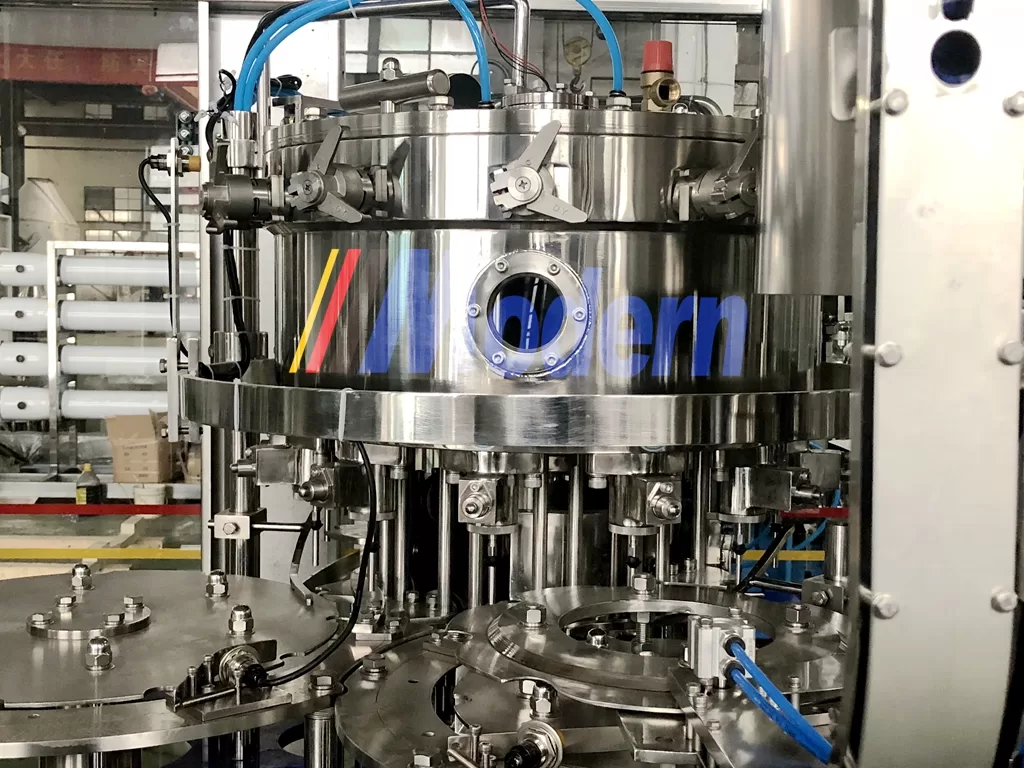
تشهد صناعة المشروبات الغازية تحولاً سريعاً مدفوعاً بزيادة طلب المستهلكين، والوعي الصحي، ومجموعة من ابتكارات المنتجات. وفي ظل هذا المشهد المتطور، أصبحت آلات تعبئة المشروبات الغازية في العلب مكونات حيوية للمصنعين الذين يتطلعون إلى تحسين الإنتاج، وضمان سلامة المنتج، والحفاظ على القدرة التنافسية. يستكشف هذا المقال تعقيدات هذه الآلات، وأهميتها في خط الإنتاج، وما يجب على المصنعين مراعاته عند اختيار أو ترقية أنظمة التعبئة الخاصة بهم.
فهم دور آلات تعبئة العلب
تم تصميم آلات تعبئة العلب لتعبئة وإغلاق وتغليف المشروبات الغازية في علب. وتعد هذه الآلات جزءاً لا يتجزأ من عملية التعبئة، حيث تضمن تعبئة المشروب بفعالية مع الحفاظ على جودته ومستويات الكربنة فيه. تقلل العملية من التعرض للملوثات، مما يحافظ على سلامة المنتج من الإنتاج وحتى الاستهلاك. وبفضل التكنولوجيا المتقدمة والميزات المبتكرة، لا تساهم آلات التعبئة في الكفاءة فحسب، بل تساهم أيضاً في مبادرات الاستدامة من خلال تقليل الهدر واستهلاك الطاقة.
أنواع آلات تعبئة المشروبات الغازية في العلب
هناك عدة أنواع من آلات تعبئة المشروبات الغازية في العلب، وكل نوع مصمم لتلبية احتياجات إنتاجية وقدرات مخرجات محددة. فيما يلي الأنواع الرئيسية:
1. آلات التعبئة بالجاذبية
تعمل آلات التعبئة بالجاذبية على مبدأ تدفق السائل من مستوى مرتفع إلى مستوى منخفض. وتعتبر هذه الآلات مثالية للمشروبات الأقل لزوجة، وتشتهر بتصميمها البسيط وتكلفتها المنخفضة. وهي تستفيد من الجاذبية لتعبئة العلب بسرعة، مما يجعلها مناسبة لخطوط الإنتاج المتوسطة.
2. آلات التعبئة بالضغط
تعتبر آلات التعبئة بالضغط مناسبة للمشروبات الغازية، حيث تستخدم الغاز المضغوط لتعبئة العلب، مما يسمح بسرعات أعلى واحتفاظ أفضل بالكربنة. وتعد هذه الآلات ضرورية لمصانع الجعة والمصنعين الذين يركزون على كفاءة المخرجات وجودة المنتج.
3. آلات التعبئة بالتفريغ (الفراغ)
تعمل آلات التعبئة بالتفريغ الهوائي على إزالة الهواء من العلبة قبل التعبئة، مما يساعد في الحفاظ على نضارة المنتج ويمنع الأكسدة. وتعتبر هذه العملية فعالة للغاية للمشروبات الغازية الحساسة للتعرض للهواء.
4. آلات التعبئة الخطية
تعمل آلات التعبئة الخطية على أتمتة عملية التعبئة، حيث تدمج مراحل مختلفة من التعبئة إلى الإغلاق. وتميل هذه الأنظمة إلى أن تكون عالية الكفاءة، مما يتيح للمصنعين توسيع نطاق الإنتاج بأقل قدر من التدخل البشري. وغالباً ما تُستخدم في مرافق الإنتاج واسعة النطاق.
الميزات الرئيسية التي يجب البحث عنها في آلات تعبئة العلب
يعد اختيار آلة تعبئة العلب أمراً بالغ الأهمية لأي مصنع مشروبات. فيما يلي العديد من الميزات الأساسية التي يمكن أن تساعد في ضمان أن الآلة المختارة تلبي متطلبات الإنتاج:
1. دقة التعبئة
تعد الدقة أمراً حيوياً عند تعبئة المشروبات الغازية لضمان جودة المنتج المتسقة. ابحث عن الآلات التي توفر دقة تعبئة عالية لتقليل الهدر وضمان احتواء كل علبة على الحجم الصحيح من السائل. كما يساعد هذا في منع استياء المستهلك الناتج عن العلب غير الممتلئة أو الممتلئة بشكل زائد.
2. السرعة والكفاءة
تعد سرعة الإنتاج ساحة معركة حاسمة في قطاع التصنيع. اختر آلة يمكنها التعامل مع معدل الإنتاج المطلوب دون زيادة خطر حدوث عيوب. غالباً ما تدمج الأنظمة المتقدمة الأتمتة وميزات تعزيز الكفاءة التي يمكن أن تقلل بشكل كبير من أوقات الدورات.
3. التنوع
غالباً ما يحتاج المصنعون إلى المرونة لتعبئة أحجام وأنواع مختلفة من العلب، من الأحجام القياسية إلى التنسيقات الخاصة. يمكن أن يؤدي اختيار آلة توفر القدرة على التكيف إلى منع الترقيات أو الاستبدالات المكلفة في المستقبل.
4. سهولة الصيانة والنظافة
تؤثر بروتوكولات التنظيف والصيانة على كل من وقت توقف الإنتاج وسلامة المنتج. اختر الآلات التي تتميز بتصاميم سهلة التنظيف ومواد مقاومة للتآكل وتراكم البكتيريا، مما يضمن الامتثال للوائح الصحية.
5. قدرات التكامل
تعد القدرة على التكامل مع المعدات الأخرى في خط الإنتاج أمراً حيوياً للتشغيل السلس. ابحث عن الآلات التي يمكنها الاتصال بسهولة بأنظمة وضع الملصقات والإغلاق والتغليف لتبسيط سير العمل والقضاء على الاختناقات.
فوائد الاستثمار في تكنولوجيا التعبئة المتقدمة
تأتي آلات تعبئة المشروبات الغازية الحديثة مجهزة بمجموعة من التطورات التكنولوجية التي توفر فوائد عديدة:
1. تعزيز جودة المنتج
تم تصميم آلات التعبئة المتطورة للحفاظ على جودة وسلامة المشروبات. تساعد ميزات مثل البيئات الخاضعة للرقابة، ومعدلات التعبئة القابلة للتعديل، وإزالة الأكسجين في الحفاظ على النكهة وإطالة العمر الافتراضي.
2. زيادة معدلات الإنتاج
يمكن للآلات المتقدمة زيادة معدلات الإنتاج بشكل كبير. ومن خلال الميزات المؤتمتة التي تبسط العمليات، تقلل هذه الآلات من تكاليف العمالة وتقلل من الخطأ البشري، مما يؤدي إلى تعزيز الكفاءة والإنتاجية.
3. فعالية التكلفة
على الرغم من أن الاستثمار الأولي في تكنولوجيا تعبئة العلب المتقدمة قد يكون كبيراً، إلا أن وفورات التكلفة على المدى الطويل يمكن أن تكون كبيرة. تقلل الأتمتة من متطلبات القوى العاملة، بينما تستهلك الآلات عالية الكفاءة طاقة ومواد خام أقل.
4. الاستدامة البيئية
مع توجه العالم نحو ممارسات أكثر خضرة، غالباً ما تدمج آلات التعبئة الحديثة ميزات تدعم الاستدامة. قد تشمل هذه الميزات تقليل الهدر، وخيارات التغليف القابلة لإعادة التدوير، والأنظمة الموفرة للطاقة المصممة للامتثال للوائح البيئية.
التحديات التي يواجهها المصنعون
على الرغم من المزايا العديدة، غالباً ما يواجه المصنعون تحديات عند اختيار أو استخدام آلات تعبئة المشروبات الغازية في العلب:
1. استثمار أولي مرتفع
يمكن أن يكون سعر آلات التعبئة المتقدمة عائقاً أمام الشركات الصغيرة والمتوسطة. يحتاج المصنعون إلى إجراء تحليلات شاملة للتكلفة والعائد لضمان توافق استثمارهم مع احتياجات الإنتاج.
2. تعقيد التركيب والتدريب
قد يتطلب تركيب الآلات المتطورة معرفة وتدريباً متخصصين. يعد ضمان تدريب الموظفين جيداً على التشغيل والصيانة أمراً ضرورياً لتعظيم إمكانات الآلة.
3. تكاليف الصيانة المستمرة
حتى أكثر آلات التعبئة تقدماً تتطلب صيانة دورية لضمان الأداء الأمثل. يجب على المصنعين تخصيص ميزانية للصيانة والنظر في الاستثمار في عقود الخدمة للتخفيف من النفقات غير المتوقعة.
الخلاصة
تعد آلات تعبئة المشروبات الغازية في العلب أصولاً لا غنى عنها للمصنعين الذين يسعون جاهدين لتلبية متطلبات السوق التنافسية. ومن خلال فهم أنواع الآلات المختلفة، والميزات الرئيسية، وفوائد تكنولوجيا التعبئة المتقدمة، يصبح المصنعون مجهزين بشكل أفضل لاتخاذ قرارات مستنيرة تتماشى مع أهداف الإنتاج والمتطلبات التشغيلية الخاصة بهم. ومع استمرار تطور الصناعة، سيكون الاستثمار في المعدات المناسبة أمراً حاسماً لضمان جودة المنتج، والكفاءة، والاستدامة في هذا القطاع سريع الخطى. ومن خلال موازنة التحديات مع الفوائد، يمكن للمصنعين وضع أنفسهم بشكل استراتيجي للنجاح في سوق المشروبات الغازية.


