
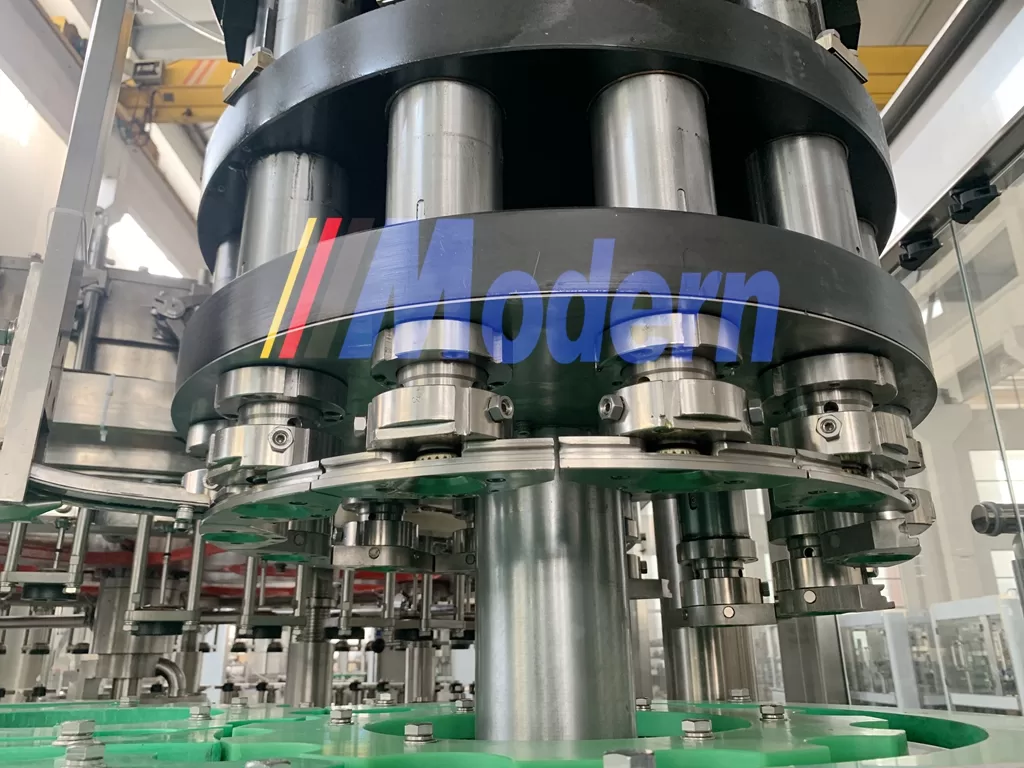
في صناعة المشروبات سريعة الخطى اليوم، تعتبر الكفاءة والجودة أمراً بالغ الأهمية. مع تزايد الطلب على المشروبات المعبأة في زجاجات، بدءاً من المياه وصولاً إلى العصائر ومنتجات الألبان، يجب على المصنعين تبني تقنيات متقدمة لتلبية احتياجات المستهلكين. وهنا يأتي دور آلة تعبئة الزجاجات: وهي أداة محورية في خطوط الإنتاج الحديثة تعمل على تبسيط عملية التعبئة والتغليف مع ضمان سلامة المنتج. يستكشف هذا المقال الأبعاد المختلفة لآلات تعبئة الزجاجات، ويقدم رؤى ونصائح عملية لتحسين استخدامها في إنتاج المشروبات.
فهم آلات تعبئة الزجاجات
آلة تعبئة الزجاجات هي قطعة متخصصة من المعدات مصممة لتعبئة الزجاجات بالمنتجات السائلة بدقة وكفاءة. تختلف هذه الآلات بشكل كبير في التصميم والوظيفة، بدءاً من الأنظمة الصغيرة شبه الأوتوماتيكية المناسبة للمنتجين الحرفيين، وصولاً إلى الأنظمة واسعة النطاق والأوتوماتيكية بالكامل التي تستخدمها شركات المشروبات متعددة الجنسيات. من الضروري للمنتجين اختيار آلة تعبئة تتوافق مع احتياجات الإنتاج الخاصة بهم، والمساحة المتاحة، وتوقعات النمو المستقبلية.
أنواع آلات تعبئة الزجاجات
هناك عدة أنواع من آلات تعبئة الزجاجات، كل منها مناسب لأنواع مختلفة من السوائل وقدرات الإنتاج:
- آلات التعبئة بالجاذبية: مثالية للسوائل الخفيفة مثل الماء والنبيذ، وتستخدم هذه الآلات الجاذبية لتعبئة الزجاجات. وهي فعالة من حيث التكلفة، وسهلة التشغيل، وتتطلب حداً أدنى من الصيانة.
- آلات التعبئة بالمضخة: مناسبة للسوائل الأكثر كثافة مثل الصلصات أو الكريمات، وتستخدم حشوات المضخات مضخات ميكانيكية لسحب السائل من خزان وتوزيعه في الزجاجات. يشتهر هذا النوع بدقته واتساقه.
- آلات التعبئة بالضغط: هي الأفضل للمشروبات الغازية، حيث تقوم هذه الآلات بتعبئة الزجاجات تحت الضغط، مما يمنع انطلاق ثاني أكسيد الكربون ويحافظ على جودة المنتج.
- آلات التعبئة بالتفريغ (الفراغ): تُستخدم للسوائل الحساسة، وتعمل تقنية التعبئة بالتفريغ على طرد الهواء من الزجاجات قبل التعبئة، مما يضمن جودة المنتج.
أهمية اختيار آلة التعبئة المناسبة
يعد اختيار آلة تعبئة الزجاجات المناسبة أمراً ضرورياً لنجاح عمليات المشروبات. تشمل العوامل التي يجب مراعاتها ما يلي:
- خصائص المنتج: يجب أن تحدد لزوجة السائل ومستويات الكربنة نوع تقنية التعبئة المستخدمة.
- حجم الإنتاج: تتطلب العمليات ذات الطلب المرتفع حشوات يمكنها العمل بسرعات عالية دون التضحية بالدقة.
- نوع الزجاجة: ضع في اعتبارك المادة (الزجاج مقابل البلاستيك) وشكل الزجاجات، حيث يمكن أن تؤثر هذه الجوانب على آليات التعبئة.
- النمو المستقبلي: سيساعد توقع النمو في حجم الإنتاج في اختيار آلة تعبئة يمكنها التوسع مع عملياتك.
الكفاءة التشغيلية: تعظيم الأداء
بمجرد اختيار آلة تعبئة الزجاجات، يصبح ضمان الأداء والكفاءة الأمثل هو الأولوية التالية. فيما يلي العديد من الاستراتيجيات القابلة للتنفيذ لتعظيم كفاءة عملية التعبئة:
1. الصيانة الدورية والنظافة
الحفاظ على آلة نظيفة وتعمل بشكل جيد أمر بالغ الأهمية. يجب جدولة عمليات التفتيش الروتينية وخطط التنظيف لمنع التلوث والأعطال الميكانيكية. يمكن أن يساعد تنفيذ سجل صيانة مفصل في تتبع الأداء، والتنبؤ بالمشكلات المستقبلية، وإطالة عمر المعدات.
2. تدريب الموظفين
يعد التدريب المناسب للموظفين أمراً حيوياً لتعظيم أداء آلات التعبئة. يجب أن يفهم الموظفون كيفية تشغيل الآلات، واستكشاف الأخطاء وإصلاحها، وإجراء الصيانة الأساسية لها. يمكن لجلسات التدريب المنتظمة أيضاً أن تساعد في إبقاء الفريق على اطلاع دائم بالتقنيات الجديدة وأفضل الممارسات، مما يعزز ثقافة التحسين المستمر.
3. تحسين معايير التشغيل
يتطلب كل نوع من السوائل والزجاجات ظروف تشغيل مختلفة. يمكن أن يؤدي ضبط المعايير مثل سرعة التعبئة، والضغط، ووضع الزجاجة إلى تحسينات كبيرة في الكفاءة وجودة المنتج. يمكن أن يساعد تحليل البيانات المنتظم في تحديد الأنماط وإبلاغ التعديلات التي قد تؤدي إلى أداء أفضل.
ضمان الجودة: الحفاظ على سلامة المنتج
بعيداً عن الكفاءة، فإن الحفاظ على جودة المشروب طوال عملية التعبئة أمر بالغ الأهمية. فيما يلي بعض أفضل الممارسات لضمان سلامة المنتج:
1. استخدام مواد عالية الجودة
يمكن للمواد المستخدمة في تصنيع آلات تعبئة الزجاجات أن تؤثر بشكل كبير على جودة المنتج النهائي. يُستخدم الفولاذ المقاوم للصدأ (ستانلس ستيل) بشكل شائع لمتانته ومقاومته للتلوث، بينما ستساعد المواد سهلة التنظيف في الحفاظ على الظروف الصحية.
2. تنفيذ أنظمة التفتيش
يمكن أن يساعد دمج أنظمة التفتيش المضمنة في اكتشاف المشكلات المحتملة مثل مستويات التعبئة غير الصحيحة، ونظافة الزجاجات، والأغطية التي لم يتم إغلاقها بشكل صحيح. يقلل التفتيش الآلي من مخاطر الخطأ البشري ويوفر ملاحظات فورية حول جودة المنتج.
3. اعتماد ممارسات التصنيع الجيدة (GMP)
يعد الالتزام بممارسات التصنيع الجيدة أمراً ضرورياً في صناعة المشروبات. تحدد ممارسات التصنيع الجيدة نظاماً من العمليات والإجراءات والوثائق التي ينفذها المصنعون لضمان جودة المنتج وسلامته. يمكن للتركيز المستمر على ضمان الجودة أن يعزز سمعة العلامة التجارية ويضمن الامتثال للمعايير التنظيمية.
استكشاف التقنيات المتقدمة في آلات التعبئة
تتطور صناعة المشروبات باستمرار، وتلعب التكنولوجيا دوراً حيوياً في تعزيز قدرات آلات تعبئة الزجاجات. فيما يلي بعض التقنيات المتقدمة التي تشكل مستقبل الصناعة:
1. الأتمتة والتكنولوجيا الذكية
أحدثت الأتمتة ثورة في إنتاج المشروبات، مما أدى إلى زيادة السرعة والدقة مع تقليل تكاليف العمالة. يمكن لآلات التعبئة الذكية والمتصلة الآن التواصل مع أجزاء أخرى من خط الإنتاج، مما يسمح بإجراء تعديلات في الوقت الفعلي وتحسين جمع البيانات للتحليلات.
2. القدرة على التكيف والمرونة
أصبحت آلات التعبئة الحديثة قابلة للتكيف بشكل متزايد للتعامل مع مجموعة من أحجام وأنواع الزجاجات، بالإضافة إلى سوائل مختلفة. تتيح التكنولوجيا مثل الأجزاء سريعة التغيير للمصنعين الانتقال بسرعة بين المنتجات دون توقف طويل، مما يعزز الإنتاجية الإجمالية.
3. دمج ممارسات الاستدامة
مع تحول طلب المستهلكين نحو الاستدامة، تتكيف آلات تعبئة الزجاجات لدمج ممارسات صديقة للبيئة. قد تشمل هذه التشغيل الموفر للطاقة، وتقليل توليد النفايات، والقدرة على التعامل مع مواد التعبئة والتغليف القابلة لإعادة التدوير أو القابلة للتحلل الحيوي.
الخلاصة: مستقبل إنتاج المشروبات باستخدام آلات تعبئة الزجاجات
مع استمرار نمو وتطور صناعة المشروبات، تظل آلات تعبئة الزجاجات عنصراً لا غنى عنه في عمليات الإنتاج. ومن خلال اختيار النوع المناسب من الآلات، وتحسين الأداء، والحفاظ على رقابة صارمة على الجودة، وتبني التقنيات المتقدمة، يمكن للمصنعين تعزيز الكفاءة وسلامة المنتج في آن واحد. إن هذا النهج متعدد الأوجه لا يلبي متطلبات السوق الحالية فحسب، بل يهيئ الشركات أيضاً لمواجهة التحديات واغتنام الفرص المستقبلية. إن الاستثمار في المعدات المناسبة وأفضل الممارسات سيضمن بقاء المؤسسات قادرة على المنافسة في سوق ديناميكي ومتغير باستمرار.


