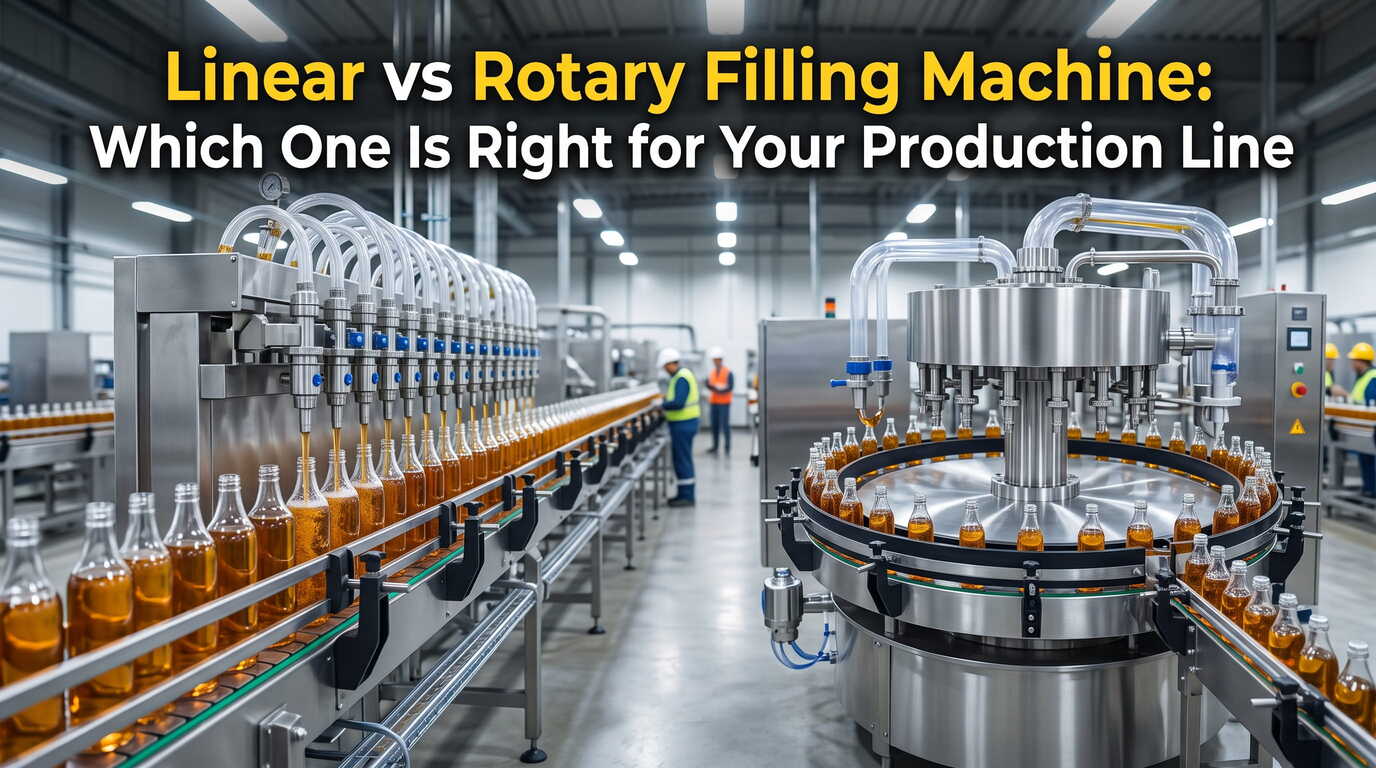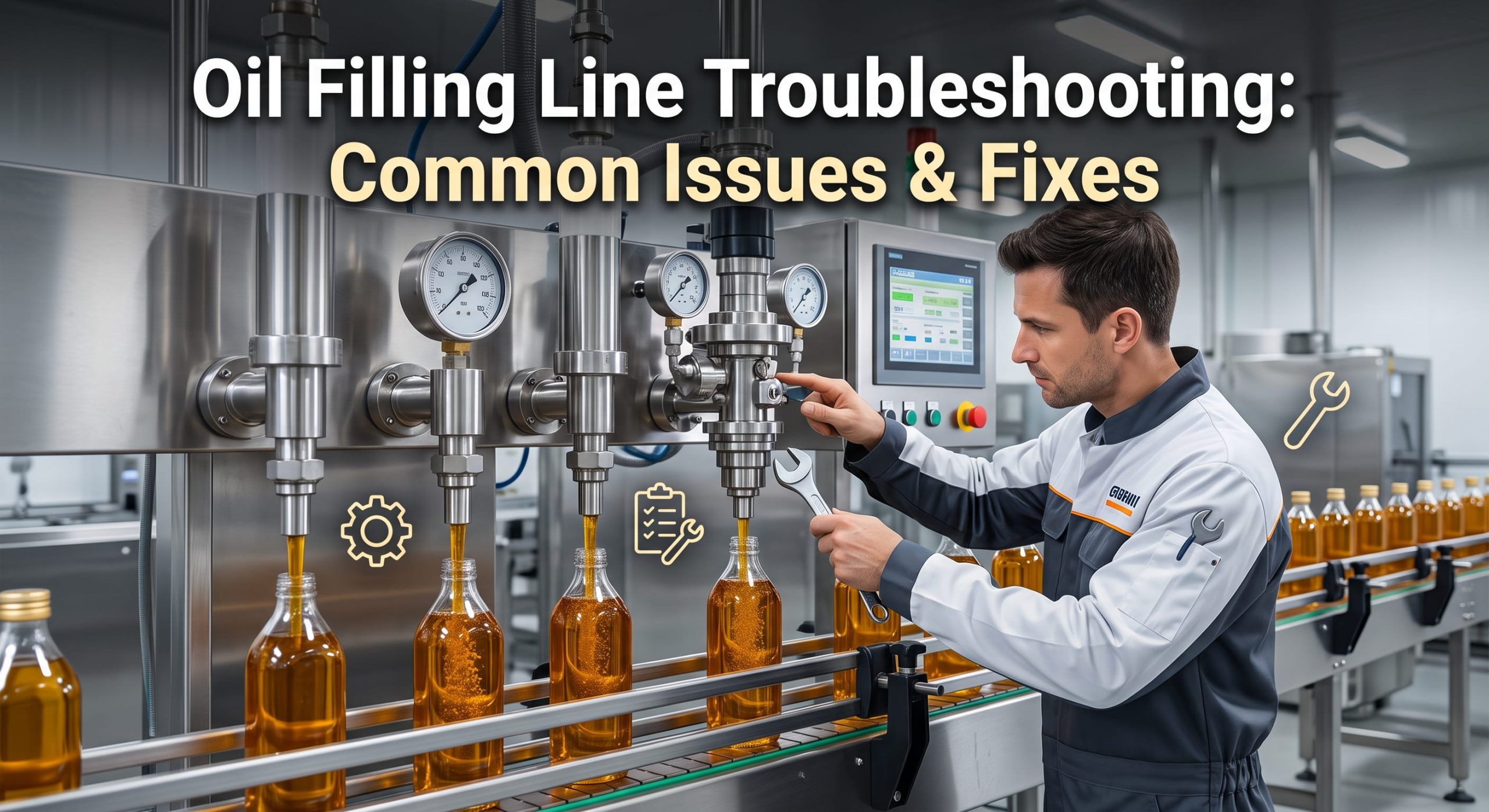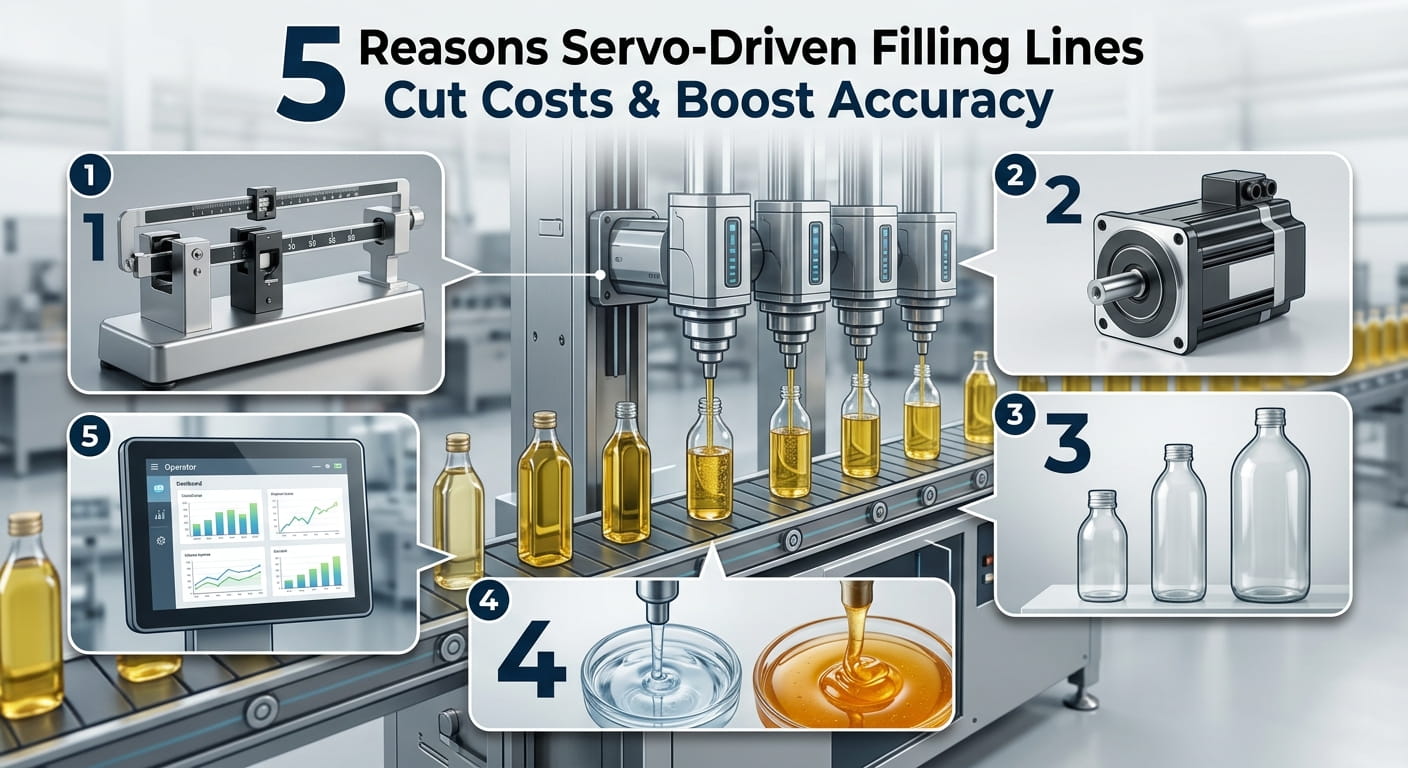
تعد آلات تعبئة المشروبات جزءاً لا غنى عنه في صناعة المشروبات الحديثة، حيث تسهل تعبئة مختلف المنتجات السائلة بكفاءة وبطريقة صحية. ومع التقدم التكنولوجي وتزايد طلبات المستهلكين، تطور دور هذه الآلات لتصبح أكثر تطوراً وفعالية. في هذا الدليل الشامل، سنستكشف الأنواع المختلفة لآلات تعبئة المشروبات، ومبادئ تشغيلها، والعوامل المؤثرة في اختيارها، ونصائح صيانتها، والاتجاهات المستقبلية. لن يقتصر هذا الدليل على خدمة المصنعين فحسب، بل سيستفيد منه أيضاً رواد الأعمال وأصحاب المصلحة الذين يتطلعون إلى دخول هذه الصناعة الحيوية أو التوسع فيها.
فهم آلات تعبئة المشروبات
آلات تعبئة المشروبات هي معدات مصممة لملء الحاويات مثل الزجاجات أو العلب أو الأكياس بمنتجات سائلة مثل العصائر والمشروبات الغازية والمياه والمشروبات الكحولية. يمكن تصنيف هذه الآلات إلى فئات مختلفة بناءً على آليات التعبئة، ومستوى الأتمتة، ونوع المشروبات التي تتعامل معها.
أنواع آلات تعبئة المشروبات
تشمل الأنواع الرئيسية لآلات تعبئة المشروبات ما يلي:
- آلات التعبئة بالجاذبية: تستخدم هذه الآلات الجاذبية لملء الحاويات. وهي مناسبة للسوائل منخفضة اللزوجة مثل الماء والعصائر الخفيفة.
- آلات التعبئة بالمكبس: يستخدم هذا النوع نظاماً يعمل بالمكبس وهو مناسب للمشروبات الأكثر كثافة، مما يسمح بالتحكم الدقيق في الحجم.
- آلات التعبئة بالمضخة: تستخدم هذه الآلات مضخات الإزاحة الإيجابية لنقل السائل إلى الحاوية، وهي مثالية للمنتجات اللزجة والرغوية.
- آلات التعبئة المعقمة: صُممت هذه الآلات للمشروبات شديدة الحساسية، وتضمن بقاء المنتجات معقمة، وهي مثالية للعصائر وغيرها من المنتجات القابلة للتلف.
مبادئ تشغيل آلات تعبئة المشروبات
تعتمد مبادئ تشغيل آلات تعبئة المشروبات على النوع المستخدم. ومع ذلك، تشترك جميع الآلات في مكونات مشتركة تسهل عملية التعبئة. تشمل هذه المكونات نظام التغذية، وصمام التعبئة، ونظام النقل، ولوحة التحكم.
نظام التغذية
نظام التغذية مسؤول عن توصيل المنتج السائل إلى صمامات التعبئة. يمكن تحقيق ذلك من خلال طرق الجاذبية أو الضغط أو التفريغ، اعتماداً على نوع الآلة.
صمام التعبئة
يتحكم صمام التعبئة في تدفق السائل إلى الحاوية. اعتماداً على نوع الآلة، يمكن تنشيط هذا الصمام إلكترونياً أو ميكانيكياً. تلعب دقة صمام التعبئة دوراً حاسماً في ضمان حصول كل حاوية على الحجم الدقيق المطلوب.
نظام النقل
يقوم نظام النقل بنقل الحاويات من وإلى محطة التعبئة، مما يحافظ على تدفق مستمر للإنتاج. تزيد هذه العملية المؤتمتة من الكفاءة وتقلل من الحاجة إلى العمل اليدوي.
لوحة التحكم
تأتي آلات تعبئة المشروبات الحديثة مجهزة بلوحات تحكم متطورة تسمح للمشغلين بمراقبة وتعديل مختلف المعايير، بما في ذلك سرعة التعبئة والحجم ودرجة الحرارة. تعزز هذه الواجهة الرقمية الكفاءة والدقة الإجمالية مع تقليل الخطأ البشري.
العوامل المؤثرة في اختيار آلات تعبئة المشروبات
يعد اختيار آلة التعبئة المناسبة قراراً حاسماً لأي مصنع مشروبات. يجب مراعاة عوامل مختلفة أثناء عملية الاختيار:
نوع المشروب
يؤثر نوع المشروب الذي يتم تعبئته بشكل كبير على اختيار آلة التعبئة. على سبيل المثال، تتطلب المشروبات الغازية معدات متخصصة للتعامل مع الضغط، بينما قد تتطلب المنتجات الأكثر كثافة مثل العصائر المخفوقة (سموذي) آلات تعبئة بالمكبس أو المضخة.
القدرة الإنتاجية
يجب على المصنعين مراعاة قدرتهم الإنتاجية عند اختيار آلة التعبئة. تتوفر الآلات بقدرات منخفضة ومتوسطة وعالية، مصممة لتلبية احتياجات تشغيلية محددة. إن فهم حجم الإنتاج المستهدف أمر حيوي لضمان الكفاءة وفعالية التكلفة.
قيود الميزانية
تلعب الميزانية دوراً حاسماً في تحديد نوع آلة التعبئة التي سيتم شراؤها. قد تتطلب الآلات المؤتمتة استثماراً أولياً أكبر ولكنها يمكن أن تؤدي إلى خفض تكاليف العمالة وتحسين الكفاءة بمرور الوقت. يجب على المصنعين موازنة التكاليف الأولية مقابل المدخرات طويلة الأجل.
المساحة المتاحة
تعد المساحة المادية التي تشغلها آلة التعبئة اعتباراً أساسياً لأي منشأة تصنيع. من الضروري قياس المساحة المتاحة ومراعاة تحسينات التخطيط لضمان كفاءة سير العمل.
الصيانة وأفضل الممارسات
تضمن الصيانة الدورية لآلات تعبئة المشروبات أداءً ثابتاً وطول عمر المعدات. فيما يلي بعض أفضل الممارسات للمساعدة في صيانة معداتك:
التنظيف الدوري
يعد الحفاظ على نظافة الآلات أمراً بالغ الأهمية في صناعة المشروبات من أجل النظافة وطول عمر المعدات. يؤدي تنظيف خطوط التغذية وصمامات التعبئة وأنظمة التوصيل بانتظام إلى تقليل التلوث المتبادل وضمان الأداء الأمثل.
عمليات الفحص المجدولة
قم بتنفيذ جدول فحص دوري لآلاتك. إن التحقق من التآكل والتمزق، ومعايرة أحجام التعبئة، ومراقبة الكفاءة يمكن أن يحدد المشكلات المحتملة قبل تفاقمها، مما يضمن تدفق إنتاج ثابت.
تدريب المشغلين
يعد تدريب الموظفين أمراً حيوياً للتشغيل الفعال لآلات تعبئة المشروبات. إن ضمان فهم المشغلين لكيفية استخدام الآلات وتنظيفها واستكشاف أخطائها وإصلاحها يمكن أن يؤدي إلى تقليل الأخطاء التشغيلية وتحسين معايير السلامة.
الاتجاهات المستقبلية في تكنولوجيا تعبئة المشروبات
تشهد صناعة تعبئة المشروبات تغييرات كبيرة مدفوعة بالتكنولوجيا ومتطلبات المستهلكين. فيما يلي بعض الاتجاهات المتوقعة:
زيادة الأتمتة
من المتوقع أن تلعب الأتمتة دوراً مهيمناً في مستقبل تعبئة المشروبات. ستتيح التكنولوجيا الذكية، بما في ذلك الذكاء الاصطناعي وإنترنت الأشياء، المراقبة الفورية لعمليات الإنتاج، مما يقلل من وقت التوقف عن العمل ويعزز الكفاءة.
الممارسات المستدامة
مع تزايد أهمية الاستدامة، يتجه المصنعون نحو أنظمة تعبئة أكثر صداقة للبيئة. ويشمل ذلك استخدام مواد قابلة لإعادة التدوير في التعبئة والتغليف، وتصميم آلات لتقليل النفايات واستهلاك الطاقة.
التركيز على التخصيص
تتحول تفضيلات المستهلكين نحو خيارات المشروبات المخصصة. تسمح مرونة آلات التعبئة الحديثة للمصنعين بتكييف خطوط الإنتاج بسهولة لاستيعاب أحجام وأشكال الزجاجات المختلفة وتركيبات السوائل المتنوعة، مما يلبي احتياجات المستهلكين المتنوعة.
الخلاصة
يعد الاستثمار في آلة تعبئة المشروبات المناسبة أمراً ضرورياً للمصنعين الذين يهدفون إلى تلبية متطلبات المستهلكين المتزايدة مع الحفاظ على الكفاءة والجودة. إن فهم الأنواع المختلفة من الآلات، ومبادئ تشغيلها، وممارسات صيانتها يمكن أن يساعد الشركات على تحسين عمليات الإنتاج الخاصة بها. بالإضافة إلى ذلك، فإن مراقبة الاتجاهات الناشئة ستعد المصنعين لمواجهة تحديات وفرص الصناعة المستقبلية. في هذا السوق الديناميكي، فإن القدرة على التكيف والمعرفة والاستباقية ستميز الشركات عن المنافسة، مما يضمن النجاح على المدى الطويل في صناعة المشروبات.