
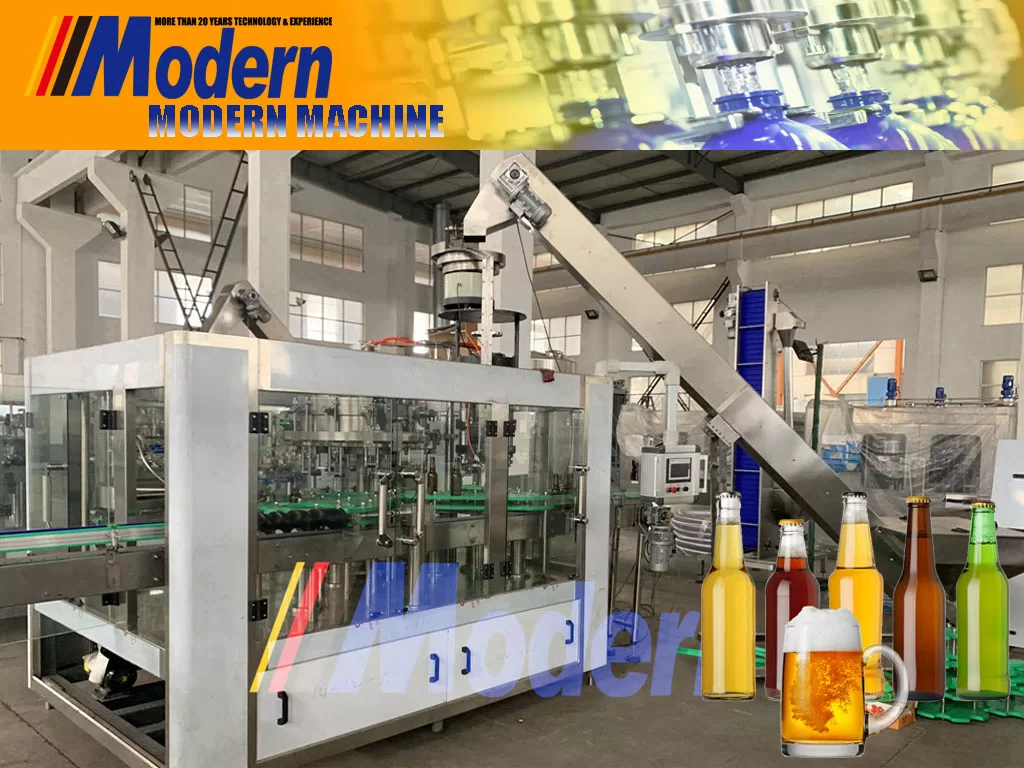
تعد البيرة واحدة من أكثر المشروبات استهلاكاً في جميع أنحاء العالم، وقد أدت شعبيتها إلى نمو مصانع الجعة بجميع أحجامها. ومع تطور الصناعة، تتطور أيضاً التكنولوجيا والعمليات المرتبطة بإنتاج البيرة، لا سيما في مراحل التعبئة والتغليف. يتعمق هذا المقال في تفاصيل محطات تعبئة البيرة، ويستكشف أهميتها، والعمليات التشغيلية، والابتكارات التكنولوجية، وأفضل الممارسات لتحقيق أقصى قدر من الكفاءة والجودة.
فهم محطات تعبئة البيرة
محطة تعبئة البيرة هي منشأة يتم فيها تعبئة البيرة في حاويات متنوعة، مثل الزجاجات أو العلب أو البراميل، لتوزيعها وبيعها. وتعد عملية التعبئة أمراً بالغ الأهمية لأنها تؤثر بشكل مباشر على جودة المنتج، ومدة صلاحيته، وتجربة المستهلك. يمكن أن تؤثر كفاءة محطة التعبئة بشكل كبير على ربحية مصنع الجعة وقدرته التنافسية في السوق.
أهمية محطات تعبئة البيرة
تعمل محطات تعبئة البيرة كمرحلة نهائية في عملية الإنتاج، حيث تسد الفجوة بين التخمير واستهلاك المستهلك. ويمكن تلخيص أهمية هذه المنشآت في عدة نقاط رئيسية:
- مراقبة الجودة: تضمن تقنيات التعبئة المناسبة احتفاظ البيرة بمذاقها ورائحتها وكربنتها، وهي أمور ضرورية لرضا العملاء.
- الكفاءة: يمكن لعمليات التعبئة الآلية زيادة الإنتاج بشكل كبير، مما يقلل من تكاليف العمالة ويقلل من الخطأ البشري.
- المرونة: يمكن لمحطات التعبئة الحديثة التعامل مع أنواع وأحجام مختلفة من الحاويات، مما يسمح لمصانع الجعة بالتكيف مع متطلبات السوق.
- الامتثال التنظيمي: يجب أن تلتزم محطات التعبئة بلوائح الصحة والسلامة الصارمة، مما يضمن أن البيرة آمنة للاستهلاك.
العمليات الرئيسية في محطات تعبئة البيرة
تتضمن عملية التعبئة عدة مراحل، كل منها ضروري لضمان جودة المنتج النهائي وسلامته. إن فهم هذه المراحل يمكن أن يساعد مصانع الجعة على تحسين عملياتها.
1. التحضير
قبل التعبئة، يعد الإعداد الشامل أمراً ضرورياً. ويشمل ذلك تنظيف وتعقيم جميع المعدات والحاويات لمنع التلوث. بالإضافة إلى ذلك، يجب تبريد البيرة إلى درجة الحرارة المناسبة لتقليل الرغوة أثناء عملية التعبئة.
2. التعبئة
يمكن أن تختلف عملية التعبئة الفعلية اعتماداً على نوع الحاوية المستخدمة. وتشمل الطرق الشائعة ما يلي:
- التعبئة بالضغط المعاكس: تُستخدم هذه الطريقة غالباً للزجاجات والعلب، حيث يتم ضغط الحاوية لمنع الرغوة والأكسدة.
- التعبئة بالجاذبية: تعد هذه الطريقة مناسبة للبراميل، وتعتمد على الجاذبية لملء الحاوية، مما يجعلها أبسط ولكنها أقل كفاءة من حيث تقليل الأكسدة.
- التعبئة بالتفريغ (Vacuum Filling): تُستخدم هذه التقنية للمنتجات الحساسة، حيث يتم إنشاء فراغ في الحاوية لسحب البيرة، مما يقلل من خطر الأكسدة.
3. الإغلاق والختم
بمجرد التعبئة، يجب إغلاق الحاويات للحفاظ على نضارتها ومنع التلوث. يمكن أن تتضمن هذه الخطوة طرقاً متنوعة، بما في ذلك سدادات التاج للزجاجات والتعليب للحاويات المصنوعة من الألومنيوم. يعد ضمان الإغلاق المحكم أمراً بالغ الأهمية للحفاظ على الكربنة ومنع التلف.
4. وضع الملصقات والتغليف
تعد الملصقات جانباً أساسياً من عملية التعبئة، حيث توفر للمستهلكين معلومات مهمة حول المنتج. يمكن لآلات وضع الملصقات الآلية تبسيط هذه العملية، مما يضمن الدقة والاتساق. بعد وضع الملصقات، يتم تعبئة المنتجات للتوزيع، وغالباً ما يتم ذلك في كرتون أو على منصات نقالة.
الابتكارات التكنولوجية في محطات تعبئة البيرة
شهدت صناعة البيرة تطورات تكنولوجية كبيرة في السنوات الأخيرة، مما عزز كفاءة وفعالية محطات التعبئة. ومن أبرز الابتكارات ما يلي:
1. الأتمتة
أحدثت أنظمة التعبئة الآلية ثورة في عملية تعبئة البيرة. يمكن لهذه الأنظمة العمل بسرعات عالية، والتعامل مع مهام متعددة مثل التعبئة، والسد، ووضع الملصقات بأقل تدخل بشري. لا تزيد الأتمتة من معدلات الإنتاج فحسب، بل تقلل أيضاً من مخاطر التلوث والخطأ البشري.
2. التكنولوجيا الذكية
يسمح دمج التكنولوجيا الذكية في محطات التعبئة بالمراقبة وتحليل البيانات في الوقت الفعلي. يمكن لهذه التكنولوجيا تتبع مقاييس الإنتاج، وتحديد الاختناقات، وتحسين سير العمل، مما يؤدي إلى تحسين الكفاءة وتقليل الهدر.
3. الممارسات المستدامة
مع تزايد المخاوف البيئية، تتبنى العديد من مصانع الجعة ممارسات مستدامة في عمليات التعبئة الخاصة بها. ويشمل ذلك استخدام مواد تغليف قابلة لإعادة التدوير، وتقليل استهلاك المياه والطاقة، وتنفيذ أنظمة إدارة النفايات لتقليل الأثر البيئي.
أفضل الممارسات لتشغيل محطة تعبئة البيرة
لتحقيق أقصى قدر من الكفاءة والجودة في محطة تعبئة البيرة، يجب على مصانع الجعة التفكير في تنفيذ أفضل الممارسات التالية:


