
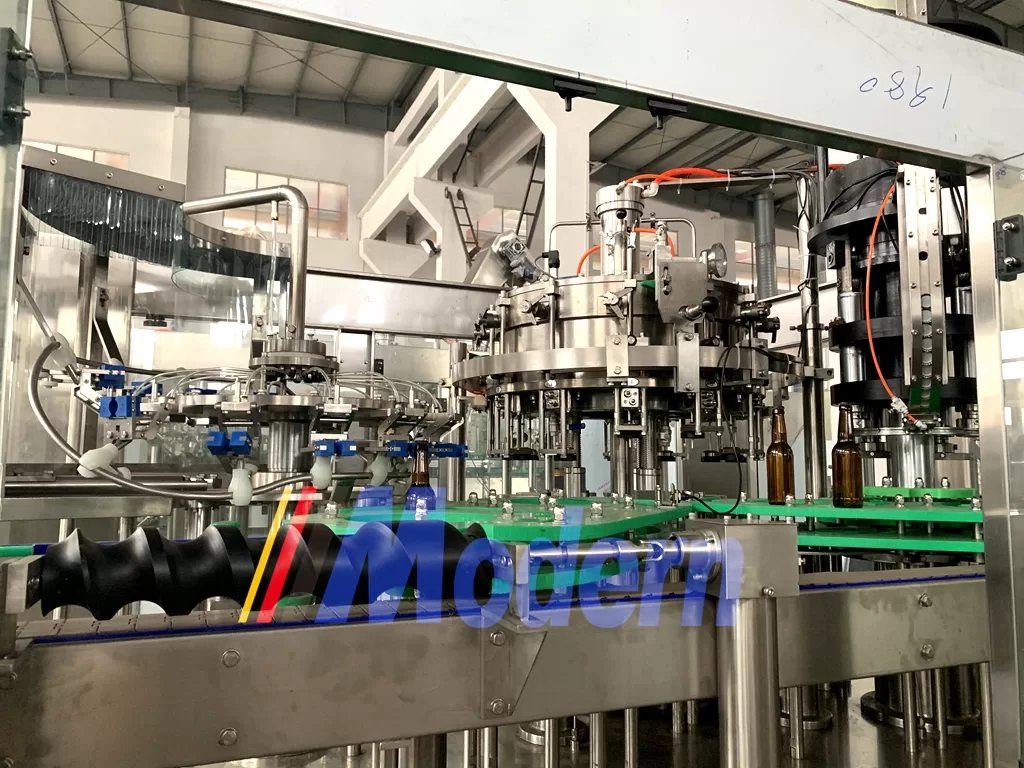
أصبحت الجعة واحدة من أكثر المشروبات شعبية في جميع أنحاء العالم، ولها تاريخ غني يعود إلى آلاف السنين. ومع استمرار ازدهار حركة الجعة الحرفية، زاد الطلب على محطات تعبئة الجعة ذات الكفاءة والجودة العالية. يتعمق هذا المقال في تفاصيل محطات تعبئة الجعة، ويستكشف العمليات المتبعة، والمعدات المستخدمة، وأفضل الممارسات لتحسين العمليات. سواء كنت مالك مصنع جعة، أو مستثمرًا، أو من عشاق الجعة، فإن فهم ديناميكيات محطات التعبئة يمكن أن يوفر رؤى قيمة حول صناعة التخمير.
فهم عملية تعبئة الجعة
تعد عملية تعبئة الجعة مرحلة حاسمة في سلسلة الإنتاج، حيث تؤثر بشكل مباشر على جودة المنتج النهائي ومدة صلاحيته. تتضمن العملية عادةً عدة خطوات رئيسية:
1. تحضير الزجاجات
قبل البدء في التعبئة، من الضروري التأكد من تنظيف جميع الزجاجات وتعقيمها جيدًا. يمكن أن تؤدي الزجاجات الملوثة إلى تلف المنتج والتأثير على مذاق الجعة. تشمل الممارسات الشائعة ما يلي:
- الغسيل: عادة ما يتم غسل الزجاجات بالماء الساخن لإزالة أي بقايا من المحتويات السابقة.
- التعقيم: بعد الغسيل، يتم تعقيم الزجاجات باستخدام مطهرات كيميائية أو البخار للقضاء على أي بكتيريا متبقية.
2. التعبئة
بمجرد تحضير الزجاجات، تكون الخطوة التالية هي ملؤها بالجعة. يجب إجراء هذه العملية بعناية لتقليل الأكسدة، والتي يمكن أن تؤثر سلبًا على النكهة. هناك طريقتان أساسيتان للتعبئة:
- التعبئة بالضغط العكسي: تتضمن هذه الطريقة ملء الزجاجة تحت الضغط، مما يسمح بأقل قدر من التعرض للأكسجين. وهي مثالية للجعة الغازية.
- التعبئة بالجاذبية: التعبئة بالجاذبية هي أبسط وغالبًا ما تُستخدم للجعة الأقل غازية. ومع ذلك، قد تؤدي إلى دخول المزيد من الأكسجين إلى الزجاجة.
3. الإغلاق
بعد ملء الزجاجات، يجب إغلاقها لمنع التلوث والحفاظ على الكربنة. يمكن إجراء عملية الإغلاق باستخدام:
- الأغطية التاجية: تُستخدم عادةً لزجاجات الجعة، وتوفر الأغطية التاجية إغلاقًا محكمًا.
- الأغطية القلابة: وهي أغطية قابلة لإعادة الاستخدام توفر إغلاقًا قويًا وغالبًا ما تُستخدم للجعة المتخصصة.
4. وضع الملصقات
لا تعد الملصقات متطلبًا قانونيًا فحسب، بل هي أيضًا فرصة تسويقية. يجب أن تتضمن الملصقات معلومات أساسية مثل نسبة الكحول، والمكونات، وتواريخ انتهاء الصلاحية. بالإضافة إلى ذلك، يمكن للتصاميم الإبداعية أن تعزز التعرف على العلامة التجارية.
5. التغليف
أخيرًا، يتم تغليف الجعة المعبأة للتوزيع. يمكن أن يشمل ذلك وضع الزجاجات في صناديق، أو أقفاص، أو على منصات نقالة، لضمان تأمينها أثناء النقل.
المعدات الرئيسية في محطة تعبئة الجعة
تعتمد كفاءة وجودة محطة تعبئة الجعة إلى حد كبير على المعدات المستخدمة. فيما يلي بعض الآلات والأدوات الأساسية التي تلعب دورًا محوريًا في عملية التعبئة:
1. غسالة الزجاجات
تعد غسالة الزجاجات ضرورية لضمان خلو الزجاجات من الملوثات. يمكن للآلات الحديثة غسل وتعقيم زجاجات متعددة في وقت واحد، مما يسرع العملية بشكل كبير.
2. آلة التعبئة
تأتي آلات التعبئة في تكوينات مختلفة، من الأنظمة شبه الآلية إلى الأنظمة الآلية بالكامل. يمكن لآلات التعبئة المتقدمة التكيف مع أحجام وأنواع الزجاجات المختلفة، مما يضمن مستويات تعبئة متسقة ويقلل من الهدر.
3. آلة السد
تم تصميم آلات الإغلاق لتطبيق الأغطية بشكل آمن وفعال. يمكن لبعض الآلات أيضًا اكتشاف ما إذا كان قد تم وضع الغطاء بشكل غير صحيح، مما يضمن مراقبة الجودة.
4. آلة وضع الملصقات
تعمل آلات وضع الملصقات على أتمتة عملية وضع الملصقات، مما يسمح بوضعها بدقة وتقليل مخاطر وضع ملصقات خاطئة. يمكن لهذه الآلات أيضًا طباعة بيانات متغيرة، مثل أرقام الدفعات وتواريخ انتهاء الصلاحية، مباشرة على الملصقات.
5. معدات التغليف
يمكن لأنظمة التغليف الآلية أن تعزز الكفاءة بشكل كبير من خلال تجميع وتعبئة الزجاجات في صناديق أو أقفاص. يمكن أن تشمل هذه الأنظمة أيضًا آلات التغليف بالانكماش أو آلات رص المنصات لتوفير حماية إضافية أثناء النقل.
أفضل الممارسات لتشغيل محطة تعبئة الجعة
لضمان نجاح وكفاءة محطة تعبئة الجعة، يجب على المشغلين الالتزام بعدة ممارسات فضلى:
1. الصيانة الدورية للمعدات
تعد الصيانة الروتينية لمعدات التعبئة ضرورية لتجنب الأعطال غير المتوقعة وضمان الأداء الأمثل. تنفيذ الصيانة الوقائية


