
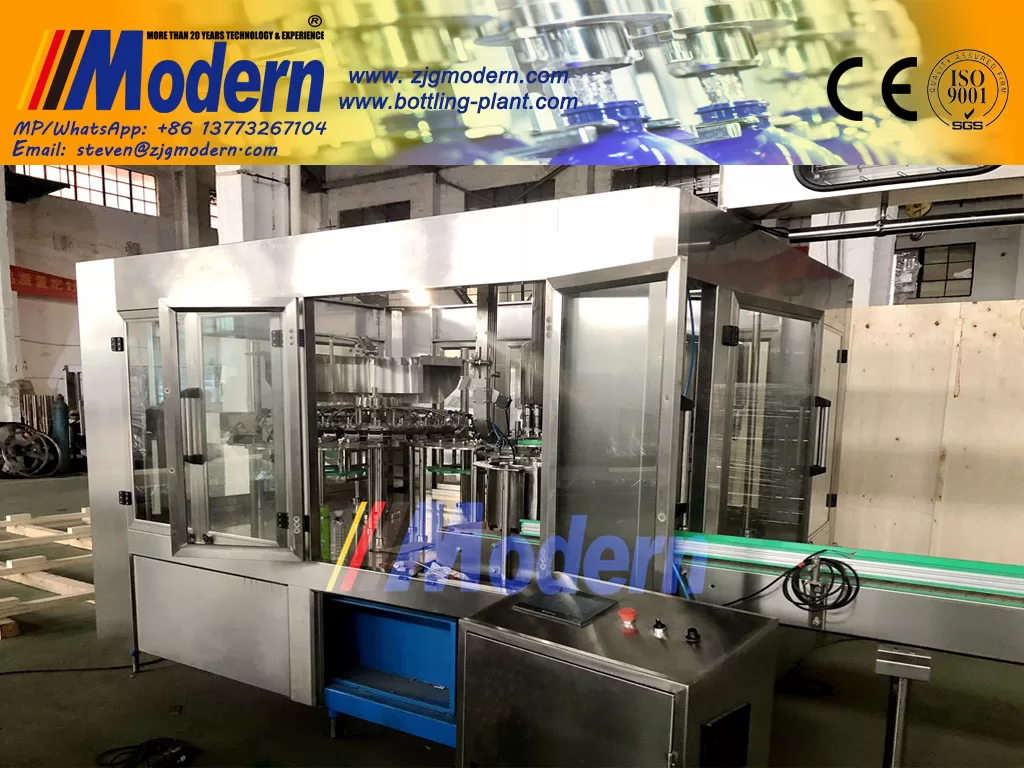
في عالمنا سريع الخطى اليوم، يستمر الطلب على المياه النقية في الارتفاع بشكل كبير. ومع تزايد الوعي بالصحة والعافية، تحرص الشركات على اقتناء آلات تعبئة المياه النقية لتلبية احتياجات المستهلكين. ومع ذلك، قد يكون فهم أسعار هذه الآلات أمراً معقداً، حيث إنها تختلف بناءً على عوامل متعددة. تهدف هذه المقالة إلى تقديم تحليل متعمق لأسعار آلات تعبئة المياه النقية، واستكشاف الجوانب التي تؤثر على التكاليف، وتقديم نصائح عملية للمشترين المحتملين.
فهم آلات تعبئة المياه النقية
تم تصميم آلة تعبئة المياه النقية لأتمتة عملية تعبئة الحاويات بالمياه النقية. يمكن أن تختلف هذه الآلات بشكل كبير من حيث الحجم والسعة والتكنولوجيا. وهي تلعب دوراً حيوياً في ضمان جودة وسلامة المنتج الذي يتم تعبئته، مما يجعلها استثماراً أساسياً لمحطات التعبئة، ومصنعي المشروبات، وشركات توزيع المياه.
العوامل المؤثرة على سعر آلات تعبئة المياه النقية
تؤثر عدة عوامل رئيسية على تسعير آلات تعبئة المياه النقية، حيث يساهم كل منها في التكلفة النهائية. يمكن أن يساعد فهم هذه المكونات المشترين المحتملين على اتخاذ قرارات مستنيرة.
نوع الآلة
يعد نوع آلة التعبئة أحد أهم العوامل التي تؤثر على السعر. هناك عدة أنواع، بما في ذلك:
- آلات التعبئة بالجاذبية
- آلات التعبئة المكبسية
- آلات التعبئة بالتفريغ (Vacuum Fillers)
- آلات التعبئة بالضغط
تعتبر آلات التعبئة بالجاذبية عموماً هي الأكثر تكلفة، ولكنها قد لا تكون مناسبة لجميع لزوجات السوائل. من ناحية أخرى، غالباً ما توفر آلات التعبئة بالمكبس دقة أعلى ويتم تسعيرها وفقاً لذلك. يمكن أن تساعد الاحتياجات المحددة للعمل التجاري في تحديد نوع الآلة الذي سيوفر أفضل قيمة.
القدرة الإنتاجية
تؤثر الطاقة الإنتاجية لآلة التعبئة - التي تُقاس بالزجاجات في الساعة - بشكل كبير على سعرها. عادة ما تكون تكلفة الآلات ذات السعات الأعلى أكبر بسبب تقنياتها الأكثر تقدماً وبنيتها القوية. يجب على الشركات التي تتوقع طلبات إنتاج أعلى أن تأخذ هذه التكلفة في الاعتبار عند اختيار الآلة.
جودة المواد والمتانة
تؤثر المواد المستخدمة في التصنيع بشكل كبير على السعر. تضمن المواد عالية الجودة المتانة، مما يقلل من تكاليف الصيانة على المدى الطويل. الفولاذ المقاوم للصدأ (ستانلس ستيل) مادة شائعة نظراً لمقاومتها للتآكل وسهولة تنظيفها؛ ومع ذلك، فهي تأتي أيضاً بسعر أعلى مقارنة بالبلاستيك أو المعادن منخفضة الجودة.
الميزات التكنولوجية
غالباً ما تكون آلات التعبئة الحديثة مجهزة بميزات تكنولوجية متقدمة مثل عناصر التحكم الآلية، وواجهات شاشة اللمس، وأجهزة استشعار للكشف عن الزجاجات. تعمل هذه الميزات على تعزيز الكفاءة التشغيلية ويمكن أن تؤدي إلى وفورات كبيرة في تكاليف العمالة بمرور الوقت. ومع ذلك، فإن الآلات ذات التكنولوجيا الأكثر تقدماً ستتحمل أيضاً تكاليف أولية أعلى.
سمعة المورد
يمكن أن تؤثر سمعة المورد أو الشركة المصنعة بشكل كبير على السعر. قد تفرض الشركات الراسخة التي تتمتع بسجل حافل من الموثوقية والخدمة سعراً أعلى مقارنة بالعلامات التجارية الأقل شهرة. لذلك، من الضروري الموازنة بين التكاليف الأولية وإمكانية الحصول على خدمة ودعم موثوقين.
متوسط نطاق السعر
يمكن أن يتراوح سعر آلات تعبئة المياه النقية على نطاق واسع، حيث يقع عادةً بين 5,000 دولار و100,000 دولار أو أكثر، اعتماداً على العوامل المذكورة أعلاه. على سبيل المثال:
- قد تبدأ النماذج الأساسية المصممة للعمليات الصغيرة من حوالي 5,000 دولار إلى 15,000 دولار.
- قد تتراوح تكلفة الخيارات متوسطة المدى المناسبة للمنشآت متوسطة الحجم بين 15,000 دولار و50,000 دولار.
- قد تتجاوز الأنظمة عالية السعة والمؤتمتة بالكامل والموجهة لخطوط الإنتاج الكبيرة 100,000 دولار.
بالإضافة إلى تكلفة الآلة نفسها، يجب على المشترين مراعاة التكاليف المرتبطة بها مثل التركيب والتدريب ونفقات الصيانة المستمرة.
نصائح عملية للمشترين
يعد اتخاذ قرار شراء آلة تعبئة المياه النقية استثماراً كبيراً. فيما يلي بعض الخطوات القابلة للتنفيذ لتوجيه المشترين المحتملين:
إجراء أبحاث السوق
قبل إجراء عملية الشراء، قم بإجراء بحث شامل في السوق لتحديد الموردين وعروضهم. قارن بين النماذج المختلفة لتقييم الميزات والأسعار وآراء العملاء. سيساعد هذا في ضمان أن الآلة المختارة هي الأنسب لاحتياجات العمل.
تقييم متطلبات الإنتاج
من الضروري تقييم احتياجات الإنتاج بدقة قبل اختيار الآلة. ويشمل ذلك فهم الطلب الحالي وتوقع الاحتياجات المستقبلية. إن اختيار آلة يمكنها استيعاب النمو دون الحاجة إلى استبدال فوري يعد استثماراً حكيماً.
حساب التكلفة الإجمالية للملكية
في حين أن التكاليف الأولية ضرورية، فإن فهم التكلفة الإجمالية للملكية أمر بالغ الأهمية بنفس القدر. ضع في اعتبارك عوامل مثل استهلاك الطاقة وتكاليف الصيانة ووقت التوقف المحتمل. قد ينتهي الأمر بآلة أرخص لتكون أكثر تكلفة على المدى الطويل إذا كانت تتطلب إصلاحات متكررة أو تفتقر إلى كفاءة الطاقة.
التركيز على دعم ما بعد البيع
قبل إتمام عملية الشراء، تأكد من مستوى دعم ما بعد البيع والضمان الذي يقدمه المورد. يمكن لخدمة العملاء الجيدة أن تمنع المشاكل المستقبلية وتضمن التشغيل السلس. ابحث عن الموردين الذين يقدمون تدريباً شاملاً ودعماً فنياً.
النظر في الآلات المستعملة أو المجددة
بالنسبة للشركات ذات الميزانيات المحدودة، يمكن أن يكون النظر في الآلات المستعملة أو المجددة خياراً قابلاً للتطبيق. غالباً ما تأتي هذه الآلات بسعر أقل مع الاستمرار في تقديم أداء موثوق. ومع ذلك، من الضروري التأكد من فحصها بدقة وأنها مدعومة بضمان.
لماذا الجودة مهمة
يعد الاستثمار في آلة تعبئة مياه نقية عالية الجودة أمراً بالغ الأهمية لعدة أسباب.
جودة المنتج
يساعد استخدام آلات عالية الجودة في الحفاظ على سلامة المنتج. تمنع دقة التعبئة المتسقة الانسكاب والهدر، مما يحسن هوامش الربح في النهاية.
الامتثال التنظيمي
في العديد من المناطق، يجب أن تلبي آلات التعبئة لوائح صحية وسلامة محددة. إن ضمان بناء الآلة وفقاً لمعايير الصناعة يمكن أن يمنع المشكلات القانونية ويسهل العمليات السلسة.
وفورات طويلة الأجل
يمكن أن يوفر اختيار آلة عالية الجودة وفورات طويلة الأجل من خلال تقليل تكرار الإصلاحات وعدم الكفاءة التشغيلية. الاستثمار مقدماً يمكن أن يؤدي إلى تكاليف أقل بمرور الوقت.
الخلاصة
يتضمن فهم تسعير آلات تعبئة المياه النقية تحليل العديد من العوامل، بما في ذلك نوع الآلة، والقدرة الإنتاجية، وجودة المواد، وسمعة المورد. وعلى الرغم من أن الأسعار قد تتفاوت بشكل كبير، فإن إجراء بحث وتخطيط شاملين سيساعد الشركات على اختيار الآلة الأنسب لتلبية احتياجاتها. وفي نهاية المطاف، يمكن أن يؤدي الاستثمار في آلة تعبئة مياه نقية موثوقة وفعالة إلى تعزيز القدرات التشغيلية بشكل كبير وضمان جودة المنتج باستمرار، مما يجعلها خياراً حكيماً لأي شركة في هذا القطاع.


