
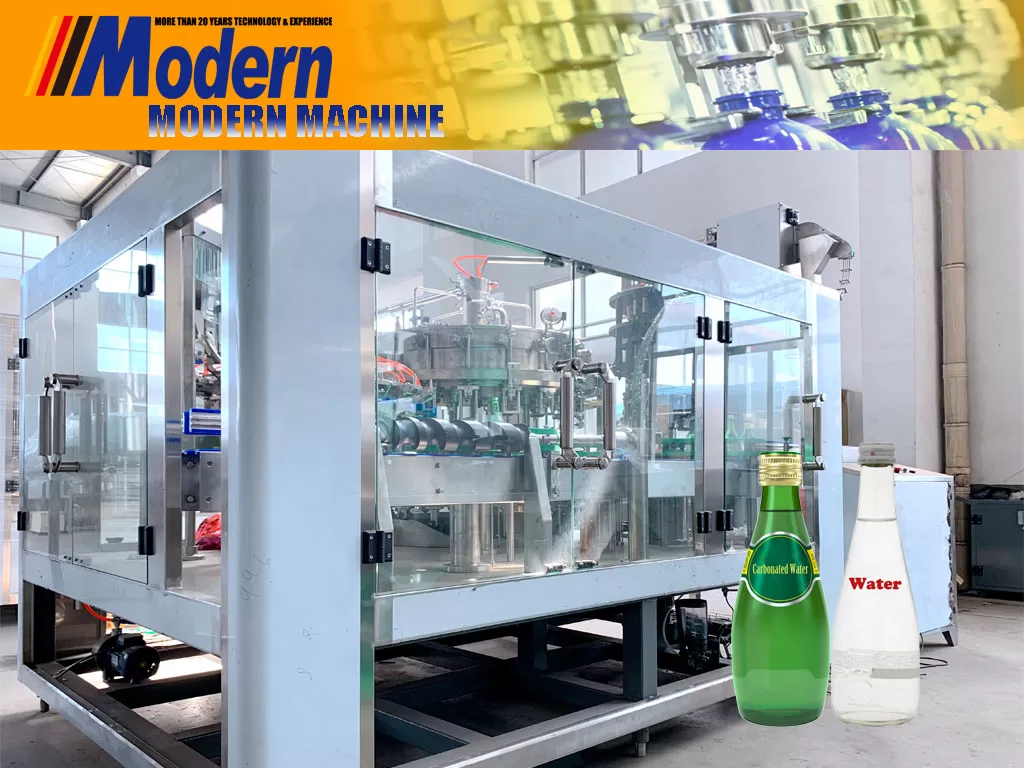
في صناعة المشروبات سريعة الخطى اليوم، تعد الكفاءة والجودة والسرعة حجر الزاوية للنجاح. ومن بين التقنيات المحورية التي تساهم في تلبية هذه المتطلبات آلات تعبئة المياه في العبوات الزجاجية. صُممت هذه الآلات لأتمتة عملية تعبئة العبوات الزجاجية بالمياه أو السوائل الأخرى، مما له آثار كبيرة على الإنتاجية والتكاليف التشغيلية. يتعمق هذا المقال في تفاصيل آلات تعبئة المياه في العبوات الزجاجية، مستكشفاً أنواعها، وعملياتها التشغيلية، ومزاياها، ونصائح صيانتها، ودورها في السوق العالمية.
فهم آلات تعبئة المياه في العبوات الزجاجية
تؤدي آلات تعبئة المياه في العبوات الزجاجية غرضاً أساسياً في صناعة المشروبات. وتتمثل وظيفتها الرئيسية في تعبئة الزجاجات أو الجرار الزجاجية بأنواع مختلفة من المياه، بما في ذلك المياه المعدنية، أو مياه الينابيع، أو المياه المنقاة. ومع زيادة أحجام الإنتاج وارتفاع طلب المستهلكين على المشروبات المعبأة، تصبح الحاجة إلى حلول تعبئة فعالة وموثوقة أمراً بالغ الأهمية.
أنواع آلات تعبئة المياه في العبوات الزجاجية
تأتي آلات تعبئة المياه في العبوات الزجاجية بأنواع مختلفة، صُمم كل منها لتلبية احتياجات إنتاجية محددة. وتشمل الأنواع الأكثر شيوعاً ما يلي:
1. آلات التعبئة بالجاذبية
تعمل آلات التعبئة بالجاذبية وفق مبدأ الجاذبية، حيث تستخدم قوة الجاذبية لملء العبوات. هذه الآلات مثالية لتعبئة السوائل الخفيفة، مثل الماء، بسرعات معتدلة، مما يجعلها مناسبة لخطوط الإنتاج الصغيرة.
2. آلات التعبئة بالضغط
تستخدم آلات التعبئة بالضغط ضغط الهواء لملء العبوات الزجاجية، مما يقلل الوقت اللازم للتعبئة. وهي مناسبة تماماً لخطوط الإنتاج عالية السرعة حيث يمكنها التعامل مع كمية كبيرة من السوائل في فترة زمنية قصيرة. يُستخدم هذا النوع عادةً للمشروبات الغازية أو أي سائل قد يتطلب تعبئة سريعة.
3. آلات التعبئة بالتفريغ (الفراغ)
تنشئ آلات التعبئة بالتفريغ (الفراغ) ضغطاً سالباً داخل الزجاجة لسحب السائل إلى داخل العبوة. هذه الطريقة مفيدة بشكل خاص لتعبئة السوائل اللزجة، مما يضمن الدقة مع تقليل الهدر. ومع ذلك، بالنسبة لتعبئة المياه النقية، قد تكون هذه الطريقة مبالغاً فيها وهي أكثر ملاءمة للسوائل الأكثر كثافة.
4. آلات التعبئة الإلكترونية
في البيئات الحديثة، أصبحت آلات التعبئة الإلكترونية تحظى بشعبية متزايدة. فهي تستخدم مستشعرات إلكترونية دقيقة لضمان حصول كل زجاجة على الكمية الدقيقة من السائل. تضمن هذه الآلات الدقة والموثوقية، وهي ذات قيمة خاصة للعلامات التجارية التي تعطي الأولوية للاتساق في منتجاتها.
العملية التشغيلية
تتضمن العملية التشغيلية لآلة تعبئة المياه في العبوات الزجاجية بشكل عام عدة خطوات، والتي قد تختلف اعتماداً على نوع الآلة.
1. التحضير
قبل بدء عملية التعبئة، يجب تنظيف الزجاجات وتعقيمها بشكل صحيح للحفاظ على معايير النظافة. يمكن دمج أنظمة آلية لهذا الغرض، مما يضمن أن كل زجاجة جاهزة للتعبئة.
2. التعبئة
يمكن بدء عملية التعبئة بمجرد وضع الزجاجات في مكانها على سير النقل. اعتماداً على نوع آلة التعبئة، تبدأ العملية إما تلقائياً أو يمكن بدؤها يدوياً. يتم توزيع السائل في العبوة، إما من خلال أنظمة الجاذبية أو الضغط أو التفريغ.
3. السد ووضع الملصقات
بعد اكتمال عملية التعبئة، يمكن إجراء عمليات الإغلاق (السد) ووضع الملصقات، وعادة ما يتم دمجها بسلاسة داخل خط التعبئة. يمكن للآلات المتقدمة ضمان إغلاق محكم ووضع ملصقات دقيق، وهو أمر بالغ الأهمية للعلامة التجارية وسلامة المستهلك.
مزايا آلات تعبئة المياه في العبوات الزجاجية
يوفر الاستثمار في آلة تعبئة المياه في العبوات الزجاجية العديد من المزايا لمصنعي المشروبات:
1. زيادة الكفاءة
تؤدي أتمتة عملية التعبئة إلى تقليل الوقت المستغرق في تعبئة الزجاجات بشكل كبير، مما يؤدي إلى زيادة الإنتاجية. مع القدرة على تعبئة مئات أو آلاف الزجاجات في الساعة، يمكن للمصنعين تلبية طلب المستهلكين المرتفع.
2. جودة متسقة
تقلل التعبئة الدقيقة من مخاطر الملء الزائد أو الناقص، مما يضمن احتواء كل زجاجة على الكمية الصحيحة من السائل. هذا الاتساق أمر بالغ الأهمية للحفاظ على جودة المنتج وسمعة العلامة التجارية.
3. خفض تكاليف العمالة
من خلال أتمتة عملية التعبئة، يمكن للشركات تقليل الحاجة إلى العمالة اليدوية، مما يؤدي إلى توفير في التكاليف. يمكن للقوى العاملة التركيز على عمليات حيوية أخرى، مما يزيد من الإنتاجية الإجمالية.
4. تعزيز النظافة
صُممت آلات التعبئة الحديثة مع وضع التعقيم في الاعتبار. من خلال تقليل التلامس البشري مع الزجاجات أثناء عملية التعبئة، تساعد هذه الآلات في ضمان خلو المنتج النهائي من الملوثات، وبالتالي الالتزام بمعايير النظافة الصناعية.
نصائح صيانة آلات تعبئة المياه في العبوات الزجاجية
لضمان طول عمر آلات تعبئة المياه في العبوات الزجاجية وأدائها الأمثل، تعد الصيانة الدورية أمراً ضرورياً. إليك بعض النصائح العملية:
1. التنظيف الدوري
يساعد التنظيف الدوري لمكونات آلة التعبئة في منع تراكم البقايا التي قد تؤدي إلى التلوث. استخدم مواد تنظيف مناسبة واتبع إرشادات الشركات المصنعة أثناء هذه العملية.
2. عمليات الفحص الروتينية
يساعد إجراء عمليات الفحص الروتيني في تحديد التآكل في أجزاء الآلة. يعد فحص السدادات والخراطيم والصمامات بحثاً عن أي علامات تلف أمراً بالغ الأهمية للحفاظ على التشغيل الفعال.
3. المعايرة
تضمن المعايرة المنتظمة لآليات التعبئة توزيع أحجام دقيقة. يمكن أن يساعد الاحتفاظ بسجلات دقيقة لفترات المعايرة ونتائجها في الحفاظ على الامتثال للمعايير الصناعية.
4. تدريب الموظفين
يمكن لتدريب الموظفين على تشغيل وصيانة آلات التعبئة بشكل صحيح منع الحوادث التي قد تنشأ عن الاستخدام غير السليم. يمكن لورش العمل وجلسات التدريب المنتظمة المساعدة في تحديث الموظفين بشأن أفضل الممارسات التشغيلية وصيانة الآلات.
سياق السوق العالمية
يشهد السوق العالمي لتصنيع المشروبات نمواً سريعاً، حيث تعد المياه واحدة من أسرع القطاعات نمواً. أدى الوعي الصحي المتزايد بين المستهلكين إلى زيادة الطلب على المياه المعبأة، مما دفع مبيعات آلات تعبئة المياه في العبوات الزجاجية. يحتاج المصنعون إلى التكيف مع تفضيلات المستهلكين واللوائح التنظيمية المتباينة جغرافياً، مما يشكل كيفية تسويق الآلات وقبولها في مختلف المناطق.
1. الاتجاهات الإقليمية
قد يكون للمناطق المختلفة تفضيلات متميزة فيما يتعلق بأنواع المياه المعبأة - على سبيل المثال، المياه المعدنية في أوروبا، أو المياه المنكهة في أمريكا الشمالية، أو المياه المعبأة المنقاة بأسعار معقولة في منطقة آسيا والمحيط الهادئ. يعد فهم هذه الاتجاهات أمراً بالغ الأهمية للمصنعين الذين يتطلعون إلى البقاء في المنافسة.
2. الامتثال التنظيمي
يعد الامتثال للوائح الصحة والسلامة المحلية أمراً حيوياً في صناعة المشروبات. يجب على الشركات التأكد من أن آلات التعبئة الخاصة بها تلبي جميع المتطلبات، والتي قد تختلف حسب البلد، لتجنب التعقيدات القانونية وتعزيز الثقة مع المستهلكين.
الخلاصة
تعد آلات تعبئة المياه في العبوات الزجاجية مكوناً أساسياً في خط إنتاج المشروبات الحديث. مع استمرار ارتفاع طلب المستهلكين، فإن الاستفادة من آلات تعبئة فعالة وموثوقة ودقيقة ليست مجرد رفاهية - بل هي ضرورة. من خلال فهم الأنواع المختلفة للآلات، وعملياتها التشغيلية، ونصائح الصيانة، يمكن للمصنعين اتخاذ قرارات مستنيرة تعزز قدراتهم الإنتاجية وتضمن جودة المنتج.
يمكن أن يوفر الاستثمار في آلات تعبئة المياه في العبوات الزجاجية مزايا كبيرة، بما في ذلك تحسين الكفاءة والاتساق وتقليل تكاليف العمالة. مع تطور السوق العالمية، فإن مواكبة التطورات التكنولوجية وديناميكيات السوق ستضمن نجاحاً طويل الأمد للمصنعين الذين يسعون لتلبية طلبات المستهلكين مع الالتزام بمعايير الصناعة.


