
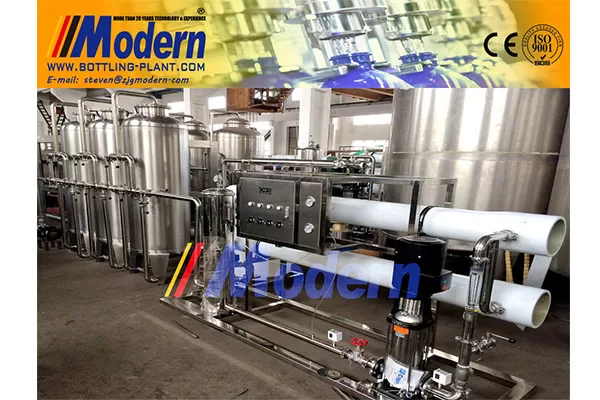
في صناعة المشروبات التي تتطور بسرعة، تعد الكفاءة والجودة من أهم الأولويات. بالنسبة لرواد الأعمال والشركات التي تتطلع إلى إنشاء أو ترقية قدراتها الإنتاجية، توفر خطوط تعبئة المشروبات الجاهزة للتشغيل (Turnkey) حلاً شاملاً. تم تصميم هذه الأنظمة لتبسيط عملية الإنتاج، وتقليل العمالة اليدوية مع ضمان مخرجات عالية الجودة. ستتناول هذه المقالة ماهية خطوط تعبئة المشروبات الجاهزة للتشغيل، وفوائدها، ومكوناتها الرئيسية، ومعايير اختيارها، ورؤى عملية لمساعدة الشركات على تلبية احتياجات التعبئة الخاصة بها بفعالية.
فهم خطوط تعبئة المشروبات الجاهزة للتشغيل
خط تعبئة المشروبات الجاهز للتشغيل هو نظام متكامل يشمل جميع المعدات اللازمة لعملية التعبئة، بدءاً من المعالجة وحتى التغليف. يشير مصطلح “جاهز للتشغيل” (Turnkey) إلى أن النظام جاهز للاستخدام الفوري بمجرد تركيبه، مما يسمح للشركات بالتركيز على عملياتها الأساسية دون عناء تجميع المكونات الفردية. يمكن أن يشمل ذلك آلات غسل وتعبئة وإغلاق ووضع ملصقات وتغليف المشروبات بتنسيقات مختلفة.
فوائد خطوط تعبئة المشروبات الجاهزة للتشغيل
يعد الاستثمار في خط تعبئة مشروبات جاهز للتشغيل أمراً ذا مزايا عديدة، مما يجعله خياراً جذاباً للعديد من المنتجين:
1. تبسيط العمليات
تتمثل إحدى الفوائد الرئيسية للحل الجاهز للتشغيل في التكامل السلس للعمليات المختلفة. من خلال دمج وظائف متعددة في وحدة واحدة متماسكة، يمكن للشركات تقليل وقت التوقف بين الخطوات، مما يؤدي إلى زيادة الكفاءة التشغيلية. يعد سير العمل المبسط هذا أمراً بالغ الأهمية خاصة خلال أوقات ذروة الإنتاج، مما يضمن تلبية المخرجات لطلب السوق.
2. فعالية التكلفة
على الرغم من أن الاستثمار الأولي في خط تعبئة جاهز للتشغيل قد يكون كبيراً، إلا أن التوفير على المدى الطويل يمكن أن يكون كبيراً. من خلال تقليل تكاليف العمالة، وتقليل الهدر، وتعزيز كفاءة الإنتاج، يمكن للشركات تحقيق عائد أسرع على الاستثمار. بالإضافة إلى ذلك، يوفر العديد من مصنعي هذه الأنظمة دعم الصيانة، مما يقلل من التكاليف التشغيلية بمرور الوقت.
3. المرونة وقابلية التوسع
يمكن تصميم خطوط التعبئة الجاهزة للتشغيل لتلبية الاحتياجات المحددة للشركة. تعني هذه المرونة أنه مع نمو احتياجات الشركة الإنتاجية أو تغيرها، يمكن تعديل النظام وفقاً لذلك. سواء كان الأمر يتعلق بالتحول من الإنتاج على نطاق صغير إلى عمليات تعبئة كبيرة، أو إدخال تركيبات مشروبات جديدة، يمكن للخطوط الجاهزة للتشغيل التكيف مع هذه المتطلبات.
4. ضمان الجودة
مع الأنظمة المتكاملة، يمكن للشركات ضمان مستوى أعلى من مراقبة الجودة طوال عملية الإنتاج. يمكن إدارة الاتساق في مستويات التعبئة، وسلامة الأغطية، ووضع الملصقات بدقة من خلال العمليات المؤتمتة، مما يقلل بشكل كبير من احتمالية الخطأ البشري. هذا التركيز على الجودة لا يلبي المعايير التنظيمية فحسب، بل يحمي أيضاً سمعة العلامة التجارية.
المكونات الرئيسية لخط تعبئة جاهز للتشغيل
عند تقييم أو تصميم خط تعبئة مشروبات جاهز للتشغيل، يعد فهم مكوناته الأساسية أمراً بالغ الأهمية. يلعب كل جزء دوراً مهماً في تحقيق عملية تعبئة فعالة:
1. أنظمة التنظيف
قبل التعبئة، يجب تنظيف الزجاجات جيداً لضمان سلامة المنتج وجودته. تستخدم أنظمة التنظيف المؤتمتة عادةً الغسيل عالي الضغط، والشطف، والتعقيم لإعداد الحاويات للتعبئة. تساعد هذه الأنظمة في منع التلوث والحفاظ على معايير النظافة.
2. آلات التعبئة
آلات التعبئة هي قلب أي خط تعبئة. اعتماداً على نوع المشروب - سواء كان غازياً، أو غير غازي، أو معبأ ساخناً، أو معبأ بارداً - تتوفر تقنيات تعبئة متنوعة، مثل التعبئة الحجمية، أو بالجاذبية، أو بالضغط. لكل طريقة مزاياها ويتم اختيارها بناءً على المنتج الذي يتم تعبئته.
3. آلات الإغلاق (السد)
بمجرد التعبئة، يجب إغلاق الزجاجات بإحكام. تأتي آلات الإغلاق (Capping machines) في تكوينات مختلفة، بما في ذلك آلات إغلاق البراغي، وآلات الإغلاق بالضغط، وآلات إغلاق الفلين، حيث يخدم كل منها احتياجات تغليف مختلفة. يضمن التطبيق الصحيح للغطاء منع التسرب والحفاظ على سلامة المنتج.
4. آلات وضع الملصقات
يعد وضع الملصقات أمراً بالغ الأهمية للعلامة التجارية والامتثال التنظيمي. يمكن لآلات وضع الملصقات المؤتمتة وضع الملصقات بدقة وكفاءة، وغالباً ما تكون قادرة على طباعة بيانات متغيرة مثل أرقام الدفعات أو تواريخ انتهاء الصلاحية. يمكن أن يؤدي اختيار تقنية وضع الملصقات المناسبة إلى تعزيز جاذبية المنتج على الرف.
5. أنظمة التغليف
بعد التعبئة، يجب تغليف المشروبات للتوزيع. قد يشمل هذا المكون التغليف بالانكماش الحراري، وتعبئة الكرتون، والتجميع على منصات نقالة، والمزيد. تساعد أنظمة التغليف الفعالة في الحفاظ على جودة المنتج أثناء النقل وتحسين كفاءة التخزين في المستودعات.
اختيار خط تعبئة المشروبات الجاهز للتشغيل المناسب
يتطلب اختيار خط تعبئة جاهز للتشغيل مناسب دراسة متأنية للعديد من العوامل لضمان توافق النظام مع أهداف عملك:
1. فهم احتياجات الإنتاج
قبل الشروع في عملية الاختيار، حدد بوضوح احتياجات الإنتاج الخاصة بك. ستؤثر عوامل مثل مستويات الإنتاج الحالية، والنمو المتوقع، وأنواع المشروبات بشكل كبير على اختيارك. سيؤدي إجراء تحليل شامل لهذه الاحتياجات إلى تمكينك من اختيار نظام يلبي متطلباتك حقاً.
2. البحث في التقنيات المتاحة
تعرف على التقنيات المختلفة المتاحة في معدات التعبئة. توفر الآلات المختلفة مزايا فريدة، مثل السرعة والدقة والقدرة على التكيف. استثمر الوقت في فهم كيفية توافق كل تقنية مع سمات منتجك وأهداف عملك.
3. تقييم خبرة المورد
تعد الشراكة مع مورد ذي خبرة أمراً بالغ الأهمية. قم بتقييم سمعتهم في الصناعة، وقدرات الدعم الفني، وخدمات ما بعد التركيب. لن يقدم المورد الموثوق التوجيه أثناء عملية الاختيار فحسب، بل سيوفر أيضاً الدعم والخدمة المستمرين لضمان عمل النظام على النحو الأمثل.
4. اعتبارات الميزانية
ضع ميزانية واقعية تشمل كلاً من الاستثمارات الأولية والتكاليف التشغيلية المستقبلية. في حين أن الأنظمة الجاهزة للتشغيل قد تكون أكثر تكلفة مقدماً، وازن بين التوفير طويل الأجل والكفاءات التشغيلية مقابل التكاليف الأولية. سيؤدي التوازن الصحيح إلى استثمار أكثر استدامة.
5. الامتثال وشهادات الجودة
تأكد من أن النظام المختار يلبي الامتثال التنظيمي اللازم ومعايير الصناعة. تُظهر شهادات مثل ISO وFDA وHACCP التركيز على ضمان الجودة وسلامة المنتج، وهي عوامل حاسمة في صناعة المشروبات.
الخلاصة
تمثل خطوط تعبئة المشروبات الجاهزة للتشغيل تقدماً كبيراً في كفاءة التصنيع، ومراقبة الجودة، والقدرة على التكيف. من خلال الاستثمار في هذه الأنظمة المتكاملة، يمكن للشركات تحسين المخرجات، وتقليل التكاليف، وتعزيز جودة المنتج الإجمالية. يتطلب اختيار الحل الجاهز للتشغيل تقييماً دقيقاً للاحتياجات التشغيلية، والتكنولوجيا، وخبرة المورد، والميزانية، والامتثال. مسلحين بهذه المعرفة وفهم عميق للمكونات التي تشكل خط تعبئة جاهز للتشغيل، يمكن للشركات وضع نفسها في طريق النجاح في سوق المشروبات التنافسي. مع وجود النظام المناسب، تصبح الرحلة من الإنتاج إلى الرف عملية سلسة وفعالة، مما يسمح لرواد الأعمال بالتركيز على ما يجيدونه: تقديم منتجات استثنائية لعملائهم.


