
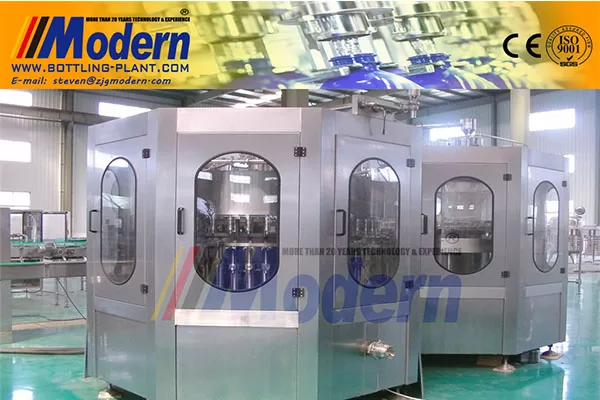
في مجال التصنيع الديناميكي، يبرز خط إنتاج التعبئة كعنصر حيوي عبر مختلف الصناعات، لا سيما في قطاعات الأغذية والمشروبات، والأدوية، ومستحضرات التجميل. تتعمق هذه المقالة في تفاصيل خطوط إنتاج التعبئة، مسلطة الضوء على أهميتها، وهيكلها، وتحدياتها التشغيلية، والحلول المبتكرة لتحسين الكفاءة والجودة. سواء كنت خبيراً في الصناعة أو وافداً جديداً يتطلع إلى تعزيز قدراتك التشغيلية، يهدف هذا الدليل إلى تقديم رؤى قيمة ونصائح عملية.
فهم خط إنتاج التعبئة
يشير خط إنتاج التعبئة إلى سلسلة من العمليات المؤتمتة المصممة خصيصاً لتعبئة الحاويات بالمنتجات بطريقة منهجية وفعالة. تشمل هذه الخطوط مراحل متنوعة، بما في ذلك التحضير، والتعبئة، والإغلاق (وضع الأغطية)، ووضع الملصقات، والتغليف. الهدف العام هو ضمان تعبئة المنتجات بدقة وكفاءة مع الحفاظ على معايير الجودة المطلوبة.
مكونات خط إنتاج التعبئة
قد يختلف كل خط إنتاج تعبئة من حيث التعقيد والتكوين، وعادة ما يتكون من المكونات التالية:
1. محطة التحضير
هنا يتم تجميع المواد الخام وتحضيرها لعملية التعبئة. يمكن أن تشمل المواد سوائل، أو مساحيق، أو مواد حبيبية. يعد التحضير السليم أمراً حيوياً لتجنب التلوث وضمان جودة المنتج.
2. آلة التعبئة
آلة التعبئة هي قلب خط الإنتاج، وهي المسؤولة عن توزيع المنتج في الحاويات. اعتماداً على نوع المنتج ومعدل التعبئة المطلوب، يمكن استخدام تقنيات تعبئة مختلفة، مثل الحشوات الحجمية، أو الوزنية، أو المكبسية.
3. محطة الإغلاق (وضع الأغطية)
بعد تعبئة الحاويات، تنتقل إلى محطة الإغلاق، حيث يتم وضع الأغطية لتأمين المحتويات. هذه المرحلة حاسمة للحفاظ على سلامة المنتج ومنع التسرب.
4. آلة وضع الملصقات
يعد وضع الملصقات عملية أساسية للامتثال التنظيمي وأغراض التسويق. تُستخدم الآلات لوضع الملصقات بدقة وكفاءة، مما يعزز التعرف على العلامة التجارية ويوفر معلومات المنتج الضرورية.
5. وحدة التغليف
تتضمن المرحلة النهائية تغليف المنتجات المعبأة والموسومة للتوزيع. قد تشمل هذه العملية التعبئة في صناديق، أو التجميع على منصات نقالة، أو التغليف بالانكماش الحراري، اعتماداً على المنتجات ومتطلبات السوق.
أهمية الأتمتة في خطوط التعبئة
أحدثت الأتمتة ثورة في مشهد التصنيع، مما أثر بشكل كبير على خطوط إنتاج التعبئة. يؤدي تنفيذ الأنظمة المؤتمتة إلى فوائد عديدة:
1. زيادة الكفاءة
تقلل الأتمتة من العمل اليدوي وتسرع معدلات الإنتاج. يمكن للآلات العمل بسرعات أعلى من العمال البشر، مما يؤدي إلى زيادة الإنتاج دون المساس بالجودة.
2. تعزيز الدقة والإحكام
تم تجهيز آلات التعبئة الحديثة بتكنولوجيا متقدمة تضمن قياسات دقيقة. وهذا يقلل من هدر المنتج ويضمن الامتثال لمعايير ولوائح الصناعة.
3. خفض التكاليف
على الرغم من أن الاستثمار الأولي في الأتمتة قد يكون كبيراً، إلا أن التوفير طويل الأجل من انخفاض تكاليف العمالة وزيادة كفاءة الإنتاج يمكن أن يكون كبيراً. علاوة على ذلك، غالباً ما تتطلب الأنظمة المؤتمتة صيانة أقل مقارنة بالعمليات اليدوية.
التغلب على التحديات في خطوط إنتاج التعبئة
على الرغم من المزايا، تواجه خطوط إنتاج التعبئة تحديات مختلفة يمكن أن تعيق الكفاءة والجودة. إن إدراك هذه التحديات هو الخطوة الأولى لتطوير حلول فعالة.
1. توقف المعدات
يمكن أن يؤدي التوقف غير المخطط له بسبب عطل في المعدات إلى تعطيل جداول الإنتاج بشكل خطير. للتخفيف من هذه المخاطر، يجب تنفيذ صيانة دورية وأنظمة مراقبة استباقية، مما يضمن عمل الآلات على النحو الأمثل.
2. قضايا مراقبة الجودة
الحفاظ على معايير الجودة العالية أمر حيوي في عمليات التعبئة. يمكن أن يؤدي تنفيذ تدابير صارمة لمراقبة الجودة، مثل عمليات التفتيش المضمنة والتحقق المؤتمت، إلى منع وصول المنتجات المعيبة إلى السوق.
3. تباين المنتج
يمكن أن يؤثر التباين في المواد الخام على عملية التعبئة. يمكن أن يساعد التدريب المستمر للموظفين والاستثمار في التكنولوجيا المتقدمة في التكيف مع التقلبات، مما يضمن جودة متسقة. بالإضافة إلى ذلك، يلعب الحصول على مواد خام عالية الجودة دوراً حاسماً.
تنفيذ أفضل الممارسات لخطوط إنتاج التعبئة
يمكن تحقيق تعزيز أداء خطوط إنتاج التعبئة من خلال تبني العديد من أفضل الممارسات:
1. اختر التكنولوجيا المناسبة
يعتمد الاستثمار في تقنية التعبئة المناسبة على نوع منتجك، والمخرجات المطلوبة، وميزانيتك. قم بتحليل عروض السوق واختر آلة يمكنها النمو مع احتياجات عملك.
2. التأكيد على تدريب الموظفين
الموظفون المدربون جيداً ضروريون للتشغيل السلس لخطوط التعبئة. وفر فرص تدريب وتطوير مستمرة لضمان كفاءة الموظفين في التعامل مع المعدات وإجراءات مراقبة الجودة.
3. ثقافة التحسين المستمر
شجع ثقافة التحسين المستمر داخل مؤسستك. استخدم منهجيات مثل "سيكس سيجما" (Six Sigma) أو التصنيع الرشيق (Lean manufacturing) لتحديد أوجه القصور وتنفيذ التغييرات التي تعزز الإنتاجية.
الاتجاهات المستقبلية في خطوط إنتاج التعبئة
يتطور خط إنتاج التعبئة باستمرار، متأثراً بالتقدم في التكنولوجيا وتحولات طلبات المستهلكين. إليك بعض الاتجاهات المستقبلية التي يجب مراقبتها:
1. الأتمتة الذكية
تجد الأجهزة التي تدعم إنترنت الأشياء (IoT) والذكاء الاصطناعي طريقها إلى التصنيع، مما يسمح بخطوط إنتاج أكثر ذكاءً وترابطاً. يمكن لهذه التكنولوجيا الذكية توفير تحليل البيانات في الوقت الفعلي والصيانة التنبؤية، مما يحسن الكفاءة بشكل كبير.
2. ممارسات الاستدامة
مع تزايد الوعي البيئي لدى المستهلكين، تتبنى الشركات ممارسات مستدامة في عملياتها. ويشمل ذلك استخدام تغليف صديق للبيئة وتقليل النفايات في عملية التعبئة.
3. التخصيص وتفريد المنتجات
يتزايد الطلب على المنتجات المخصصة في مختلف القطاعات. قد تحتاج خطوط التعبئة المستقبلية إلى مرونة متقدمة لاستيعاب عمليات إنتاج أصغر ومتنوعة مع الحفاظ على الكفاءة والجودة.
الخلاصة
يعد خط إنتاج التعبئة جانباً لا غنى عنه في التصنيع عبر العديد من الصناعات. ومع استمرار تطور هذا القطاع، ستزدهر الشركات التي تتبنى الأتمتة، وتعطي الأولوية لمراقبة الجودة، وتعتمد أفضل الممارسات. ومن خلال البقاء على اطلاع بالاتجاهات المستقبلية وتعزيز ثقافة التحسين المستمر، يمكن للشركات تحسين خطوط التعبئة الخاصة بها لتحقيق أعلى مستويات الأداء، مما يضمن بقاءها قادرة على المنافسة في سوق سريع التغير.
إن الاستثمار في التكنولوجيا المناسبة، وتدريب الموظفين، ومعالجة التحديات الشائعة بشكل مباشر لن يؤدي فقط إلى تحسين الكفاءة، بل سيعزز أيضاً جودة المنتج، مما يؤدي في النهاية إلى زيادة رضا العملاء وتحقيق النجاح على المدى الطويل.


