
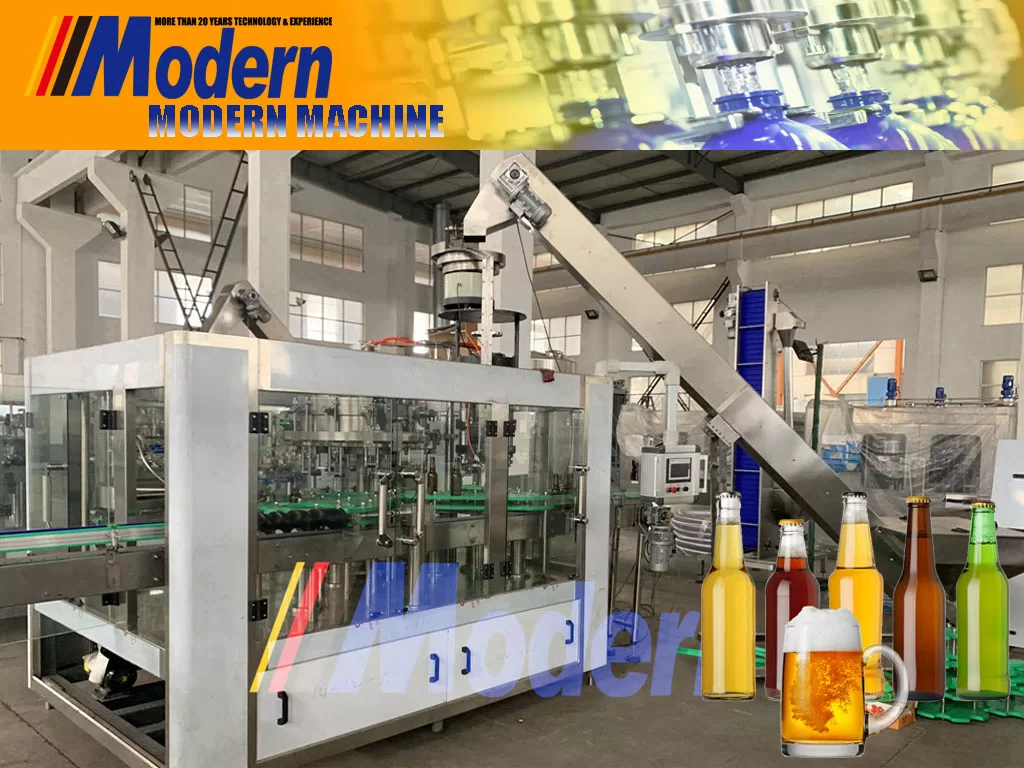
تعد آلات التعبئة من المعدات الأساسية في صناعة التعبئة والتغليف، وهي ضرورية لأتمتة عمليات التعبئة في قطاعات متنوعة مثل الأغذية والمشروبات، والأدوية، ومستحضرات التجميل، والمواد الكيميائية. بالنسبة للشركات التي تتطلع إلى الاستثمار في هذه الآلات، يعد فهم العوامل التي تؤثر على أسعار آلات التعبئة أمراً حيوياً. سيتناول هذا المقال أبعاد تسعير آلات التعبئة، مقدماً رؤى قيمة، ونصائح عملية، ونظرة تفصيلية على المتغيرات التي تحدد التكاليف.
فهم آلات التعبئة
تم تصميم آلات التعبئة لتوزيع المنتجات في حاويات بأحجام وأشكال مختلفة. يمكن أن يؤثر نوع آلة التعبئة - سواء كانت حجمية، أو وزنية، أو تعتمد على الوزن - بشكل كبير على سعرها. يمكن لهذه الآلات التعامل مع أنواع مختلفة من المنتجات، من السوائل والمساحيق إلى الحبيبات والمعاجين. إن الفهم الواضح لأنواع آلات التعبئة المتاحة أمر ضروري للمشترين الذين يبحثون عن المعدات المناسبة لاحتياجات الإنتاج الخاصة بهم.
أنواع آلات التعبئة
يمكن تصنيف آلات التعبئة إلى أنواع مختلفة بناءً على مبادئ تشغيلها وتطبيقاتها:
- آلات تعبئة السوائل: تقوم هذه الآلات بتعبئة المنتجات السائلة، بدءاً من الماء وصولاً إلى المواد اللزجة مثل الصلصات. ويمكن تقسيمها أيضاً إلى آلات تعبئة مكبسية، وآلات تعبئة بالجاذبية، وآلات تعبئة بالضغط.
- آلات تعبئة المساحيق: صُممت للمنتجات الجافة، وتستخدم منهجيات متنوعة لتوزيع المساحيق بدقة، بما في ذلك آلات التعبئة الحلزونية (أوجير) وآلات التعبئة الحجمية بالكؤوس.
- آلات تعبئة المعاجين: مناسبة للمنتجات السميكة، وتُستخدم آلات تعبئة المعاجين بشكل شائع في معالجة الأغذية لمنتجات مثل الخردل والمايونيز.
العوامل المؤثرة على أسعار آلات التعبئة
تساهم عدة عوامل في تسعير آلات التعبئة. يمكن أن يساعد فهم هذه الجوانب الشركات على اتخاذ قرارات شراء مستنيرة ووضع ميزانية فعالة لاستثمارات معداتها.
1. نوع الآلة
يؤثر نوع آلة التعبئة بشكل كبير على سعرها. فتكلفة الآلة اليدوية أو شبه الأوتوماتيكية الأساسية ستكون عموماً أقل من آلة التعبئة الدوارة عالية السرعة والأوتوماتيكية بالكامل. بالإضافة إلى ذلك، قد تحمل الآلات المتخصصة المصممة لمنتجات سائلة أو مسحوقة أو معجونية معينة سعراً أعلى بسبب التكنولوجيا والهندسة المتضمنة.
2. القدرة الإنتاجية
تعد القدرة الإنتاجية عاملاً حاسماً آخر. تميل الآلات المصممة لأحجام إنتاج عالية إلى أن تكون أكثر تكلفة بسبب أنظمتها ومكوناتها المتطورة، والتي تتطلب مواد أكثر متانة وجهوداً هندسية أكبر. يعد فهم معدل الإنتاج المطلوب أمراً ضرورياً لاختيار آلة تناسب كلاً من الاحتياجات التشغيلية وقيود الميزانية.
3. جودة المواد والتصنيع
يمكن للمواد المستخدمة في تصنيع آلة التعبئة، مثل الفولاذ المقاوم للصدأ مقابل المكونات البلاستيكية، أن تؤثر بشكل كبير على المتانة والنظافة. غالباً ما تؤدي المواد ذات الجودة العالية إلى أسعار أعلى ولكنها يمكن أن توفر وفورات طويلة الأجل من خلال تقليل تكاليف الصيانة وإطالة عمر الآلة. من الضروري الموازنة بين فوائد الاستثمار في آلات متينة مقابل سعر الشراء الأولي.
4. الميزات التكنولوجية
تأتي الآلات الحديثة مجهزة بميزات تكنولوجية متقدمة، مثل عناصر التحكم الأوتوماتيكية، وواجهات شاشات اللمس، وأنظمة الفحص المدمجة في خط الإنتاج. وفي حين أن هذه الميزات يمكن أن تزيد من التكلفة الأولية، إلا أنها يمكن أن تعزز الكفاءة وتقلل من تكاليف العمالة على المدى الطويل، مما يجعلها تستحق الدراسة للشركات التي تهدف إلى عمليات قابلة للتوسع.
5. خيارات التخصيص
يقدم العديد من المصنعين خيارات تخصيص لتكييف الآلات خصيصاً لنوع منتج الشركة ومتطلبات التعبئة والتغليف. وفي حين أن الحلول المخصصة يمكن أن توفر مزايا كبيرة، إلا أنها عادة ما تأتي بتكلفة أعلى. تحتاج الشركات إلى تقييم ما إذا كانت الزيادة في السعر مبررة بالفوائد المحتملة المكتسبة من زيادة الكفاءة التشغيلية والقدرة على التكيف.
6. الضمان ودعم ما بعد البيع
يمكن أن تؤثر شروط الضمان ودعم ما بعد البيع أيضاً على التكلفة الإجمالية للملكية. قد تأتي الآلات المدعومة بضمانات شاملة ودعم عملاء ممتاز بسعر أعلى، ولكنها يمكن أن توفر للشركات تكاليف كبيرة بمرور الوقت. يعد ضمان الوصول إلى الخدمة في الوقت المناسب وقطع الغيار أمراً حيوياً لتقليل وقت التوقف عن العمل وخفض تكاليف الإصلاح غير المتوقعة.
تقييم ميزانيتك
يتطلب وضع ميزانية واقعية لشراء آلة تعبئة فهماً شاملاً لكل من التكاليف الأولية والنفقات طويلة الأجل. فيما يلي خطوات عملية لضبط ميزانيتك بفعالية:
1. إجراء أبحاث السوق
ابحث عن أسعار السوق الحالية لأنواع مختلفة من آلات التعبئة. ستساعد هذه الخلفية في فهم متوسط التكاليف وستساعد في مقارنة الآلات والموردين المختلفين. تواصل مع منتديات الصناعة واطلب رؤى من المستخدمين الحاليين لجمع معلومات حول أفضل الخيارات المتاحة ضمن نطاق ميزانيتك.
2. حساب التكلفة الإجمالية للملكية
بعيداً عن سعر الشراء الأولي، قم بتقييم التكاليف الجارية، بما في ذلك الصيانة، واستهلاك الطاقة، والحاجة إلى قطع غيار إضافية. سيوفر فهم التكلفة الإجمالية للملكية صورة أوضح للالتزام المالي الذي ينطوي عليه الحصول على آلة.
3. النظر في خيارات التمويل
بالنسبة للشركات التي تعاني من قيود في الميزانية، يمكن أن يكون استكشاف خيارات التمويل مفيداً. يقدم العديد من موردي المعدات ترتيبات التأجير المنتهي بالتملك أو خطط تمويل يمكن أن تساعد في توزيع التكاليف بمرور الوقت، مما يجعل الاستثمار أكثر قابلية للإدارة. راجع دائماً الشروط والأحكام لضمان اتخاذ قرارات سليمة مالياً.
الخلاصة
يعد الاستثمار في آلة تعبئة قراراً مهماً يتطلب دراسة متأنية لعوامل مختلفة تؤثر على التسعير. من خلال فهم أنواع الآلات، وقدراتها الإنتاجية، والمواد المستخدمة، يمكن للشركات اتخاذ قرارات مستنيرة تتماشى مع احتياجاتها التشغيلية وقيود ميزانيتها. إن الموازنة بين التكاليف الأولية والفوائد طويلة الأجل، بما في ذلك البناء المتين والميزات التكنولوجية المتقدمة، يمكن أن توفر وفورات كبيرة وتحسينات في الكفاءة على المدى الطويل.
في صناعة التعبئة والتغليف دائمة التطور، يعد اتخاذ خيارات استثمارية ذكية أمراً ضرورياً للحفاظ على القدرة التنافسية. مع آلة التعبئة المناسبة، يمكن للشركات تبسيط العمليات، وتعزيز الإنتاجية، وتحقيق ربحية أكبر في نهاية المطاف. ابق على اطلاع، وقم بتقييم جميع الخيارات المتاحة، واستثمر بحكمة لضمان النجاح في مساعيك في مجال التعبئة والتغليف.


