
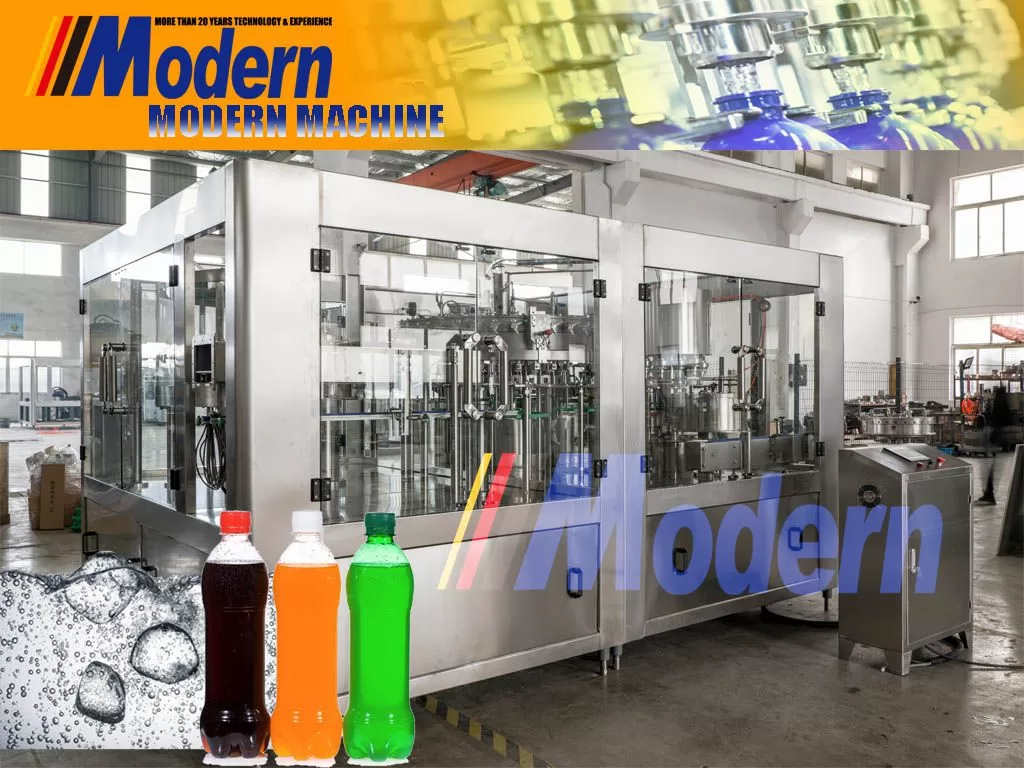
مع استمرار ارتفاع الطلب العالمي على المنتجات المعبأة، احتلت محطات التعبئة المتكاملة مركز الصدارة في المشهد الصناعي. تعمل هذه الأنظمة المتطورة على تبسيط عملية تعبئة الحاويات بالسوائل أو المساحيق أو الحبيبات بكفاءة، مما يلبي احتياجات مختلف الصناعات مثل الأغذية والمشروبات، والأدوية، ومستحضرات التجميل. يستكشف هذا المقال الأبعاد المتعددة لمحطات التعبئة المتكاملة، ويقدم رؤى حول تصميمها وتشغيلها وأفضل الممارسات التي تضمن الكفاءة والجودة.
فهم محطات التعبئة المتكاملة
تشير محطة التعبئة المتكاملة إلى نظام مترابط مصمم للتعامل مع كل جانب من جوانب عملية التعبئة. ويشمل ذلك التحضير، والتعبئة، والإغلاق أو الختم، وأحياناً تغليف المنتجات النهائية. تكمن ميزة النظام المتكامل في قدرته على الحفاظ على الكفاءة وضمان مراقبة الجودة طوال خط الإنتاج.
تتميز محطات التعبئة المتكاملة بقابليتها العالية للتخصيص، حيث تلبي احتياجات الصناعات المتنوعة ذات المتطلبات الفريدة. على سبيل المثال، تركز محطة تعبئة المشروبات على الدقة والسرعة للتعامل مع كميات كبيرة من السوائل، بينما تؤكد محطة الأدوية على التعقيم والدقة للامتثال للمعايير التنظيمية.
مكونات محطة التعبئة المتكاملة
تتكون محطة التعبئة المتكاملة من عدة مكونات، يؤدي كل منها وظيفة حاسمة:
- أنظمة التغذية: تقوم هذه الأنظمة بنقل المواد الخام، مثل السوائل أو المساحيق، من خزانات التخزين أو الصوامع إلى آلات التعبئة. وقد تستخدم سيوراً ناقلة، أو مضخات، أو براغي تغذية (أوجير)، اعتماداً على نوع المنتج.
- آلات التعبئة: قلب النظام، حيث تقوم آلات التعبئة بتوزيع كميات محددة مسبقاً بدقة في الحاويات. قد تكون هذه الآلات عبارة عن حشوات بالجاذبية، أو حشوات مكبسية، أو حشوات حجمية، يتم اختيارها بناءً على خصائص المنتج.
- آلات الإغلاق والختم: بعد التعبئة، تحتاج الحاويات إلى أغطية أو أختام لضمان النضارة ومنع التسرب. يمكن لآلات الإغلاق الأوتوماتيكية التعامل مع أنواع مختلفة من الأغطية، بما في ذلك الأغطية اللولبية، والأغطية الكبس، وغيرها.
- أنظمة النقل: تقوم السيور الناقلة بنقل الحاويات المعبأة والمغلقة إلى المرحلة التالية من الإنتاج، مما يتيح سير عمل سلس ويقلل من المناولة اليدوية.
- أنظمة مراقبة الجودة: تضمن المستشعرات وأنظمة المراقبة المتكاملة التزام عملية التعبئة بالمعايير المحددة. قد يشمل ذلك فحوصات الوزن، أو الفحص البصري، أو مسح الباركود للتتبع.
- التجميع والتغليف: قد تشمل المرحلة النهائية تعبئة الحاويات المعبأة في صناديق وتجهيزها للشحن. تعمل أنظمة التجميع (البالتيزر) الأوتوماتيكية على تبسيط هذه العملية، مما يزيد من معدل الإنتاج.
فوائد محطات التعبئة المتكاملة
يوفر الاستثمار في محطة تعبئة متكاملة فوائد عديدة للشركات:
1. تعزيز الكفاءة
مع وجود محطة تعبئة مصممة جيداً، يمكن للشركات زيادة طاقتها الإنتاجية بشكل كبير. تقلل الأنظمة الأوتوماتيكية من الوقت المستغرق في كل مرحلة من مراحل عملية التعبئة، مما يتيح التعامل مع كميات أكبر دون التضحية بالجودة.
2. تحسين مراقبة الجودة
تدمج محطات التعبئة المتكاملة تدابير مراقبة الجودة في جميع أنحاء خط الإنتاج. يقلل هذا الإشراف من احتمالية حدوث أخطاء، مثل التعبئة الزائدة أو الناقصة، مما يضمن جودة المنتج واتساقه بما يلبي توقعات المستهلك.
3. فعالية التكلفة
على الرغم من أن الاستثمار الأولي في محطة تعبئة متكاملة قد يكون كبيراً، إلا أن التوفير على المدى الطويل غالباً ما يفوق هذه التكاليف. تؤدي زيادة كفاءة الإنتاج إلى انخفاض تكاليف العمالة وتقليل هدر المواد، مما يساهم في تحقيق هوامش ربح أفضل.
4. المرونة وقابلية التوسع
يمكن تصميم محطات التعبئة المتكاملة لتلائم متطلبات منتج معين. علاوة على ذلك، يمكن توسيع نطاقها مع نمو احتياجات الإنتاج، وهو أمر بالغ الأهمية للشركات التي تتطلع إلى توسيع عملياتها أو تنويع خطوط إنتاجها.
اختيار محطة التعبئة المتكاملة المناسبة
يعتمد اختيار محطة التعبئة المتكاملة المناسبة على عدة عوامل حاسمة:
1. خصائص المنتج
يعد فهم طبيعة المنتجات المراد تعبئتها أمراً ضرورياً. على سبيل المثال، تتطلب السوائل اللزجة آلات تعبئة مختلفة عن المساحيق حرة التدفق. سيساعد تقييم الخصائص الفيزيائية، مثل اللزوجة والكثافة وحجم الحبيبات، في اتخاذ القرار الصحيح.
2. حجم الإنتاج
يعد تقييم حجم الإنتاج المطلوب أمراً حيوياً. تتطلب العمليات ذات الحجم الكبير آلات تعبئة أسرع وأنظمة قوية، بينما قد تعطي العمليات الأصغر الأولوية للتنوع والتصاميم الموفرة للمساحة.
3. الامتثال التنظيمي
في صناعات مثل الأدوية وتصنيع الأغذية، يعد الامتثال للمعايير التنظيمية أمراً غير قابل للتفاوض. يجب على الشركات التأكد من أن محطات التعبئة الخاصة بها مصممة لتلبية جميع لوائح السلامة والجودة ذات الصلة.
4. مستوى الأتمتة
يمكن أن تؤثر درجة الأتمتة المطلوبة بشكل كبير على اختيار أنظمة التعبئة. تتطلب المحطات الأوتوماتيكية بالكامل استثماراً أولياً أعلى ولكن يمكنها تقليل تكاليف العمالة بشكل كبير وزيادة الكفاءة الإجمالية.
5. اعتبارات الميزانية
يعد وضع ميزانية واضحة أمراً بالغ الأهمية. في حين أن تقليل التكاليف قد يؤدي إلى آلات ذات جودة رديئة، فإن الإفراط في الاستثمار يمكن أن يجمد رأس المال دون داع. يجب على الشركات الموازنة بين احتياجاتها الحالية والنمو المستقبلي المحتمل لتحديد مستوى الاستثمار المناسب.
أفضل الممارسات لتشغيل محطات التعبئة المتكاملة
لتحقيق أقصى قدر من الكفاءة والفعالية لمحطات التعبئة المتكاملة، فكر في تنفيذ أفضل الممارسات التالية:
1. الصيانة الدورية
تعد الصيانة الدورية للمعدات ضرورية لمنع التوقف غير المتوقع. تضمن عمليات الفحص المجدولة والإصلاحات في الوقت المناسب عمل آلات التعبئة بسلاسة وبقائها متوافقة مع معايير السلامة.
2. تدريب الموظفين
يمكن أن يؤدي الاستثمار في تدريب الموظفين إلى نتائج كبيرة. يجب أن يكون الموظفون على دراية جيدة بتشغيل الآلات، واستكشاف الأخطاء وإصلاحها، والالتزام بلوائح السلامة. يمكن لهذه الخبرة تعزيز كفاءة الإنتاج الإجمالية وتقليل مخاطر الحوادث.
3. التحسين المستمر
يسمح تبني ثقافة التحسين المستمر للشركات بتطوير عملياتها بمرور الوقت. يمكن أن يؤدي تنفيذ مبادئ التصنيع الرشيق واستكشاف تقنيات جديدة إلى تحسينات في الكفاءة وجودة المنتج.
4. بروتوكولات ضمان الجودة
ضع بروتوكولات قوية لضمان الجودة في كل مرحلة من مراحل التشغيل. يمكن أن يساعد الاختبار والمراقبة المنتظمان في تحديد المشكلات مبكراً، مما يضمن وصول المنتجات عالية الجودة فقط إلى السوق.
الاتجاهات المستقبلية في محطات التعبئة المتكاملة
مع تقدم التكنولوجيا، يتطور مشهد محطات التعبئة المتكاملة. إليك بعض الاتجاهات التي يجب مراقبتها:
1. دمج التكنولوجيا الذكية
تعمل تقنية إنترنت الأشياء (IoT) على إحداث تحول في طريقة عمل محطات التعبئة. حيث يمكن للمستشعرات الذكية جمع البيانات في الوقت الفعلي، مما يتيح للمصنعين مراقبة عمليات الإنتاج وتحديد أوجه القصور على الفور.
2. الممارسات المستدامة
هناك طلب متزايد على الاستدامة في التصنيع. ستحتاج محطات التعبئة المتكاملة إلى دمج ممارسات صديقة للبيئة، مثل استهلاك طاقة أقل، وتقليل النفايات، واستخدام مواد قابلة لإعادة التدوير.
3. التخصيص
مع تزايد المنتجات المخصصة، ستصبح القدرة على تخصيص عمليات التعبئة ذات قيمة متزايدة. وستكون المرونة في الإنتاج عاملاً حاسماً للنجاح في سوق تنافسية.
الخلاصة
تمثل محطات التعبئة المتكاملة حجر الزاوية للإنتاج الفعال في مختلف الصناعات. إن فهم مكوناتها وفوائدها وأفضل الممارسات التشغيلية يمكن أن يمكّن الشركات من تحسين عمليات التعبئة لديها. ومن خلال اتخاذ قرارات مستنيرة فيما يتعلق باختيار المعدات وإعطاء الأولوية للصيانة وتدريب الموظفين، يمكن للشركات إطلاق الإمكانات الكاملة لخطوط إنتاجها. ومع المشهد المتطور باستمرار للتكنولوجيا وتوقعات المستهلكين، فإن مواكبة الاتجاهات ستكون مفتاح الحفاظ على الميزة التنافسية في السوق العالمية.


