
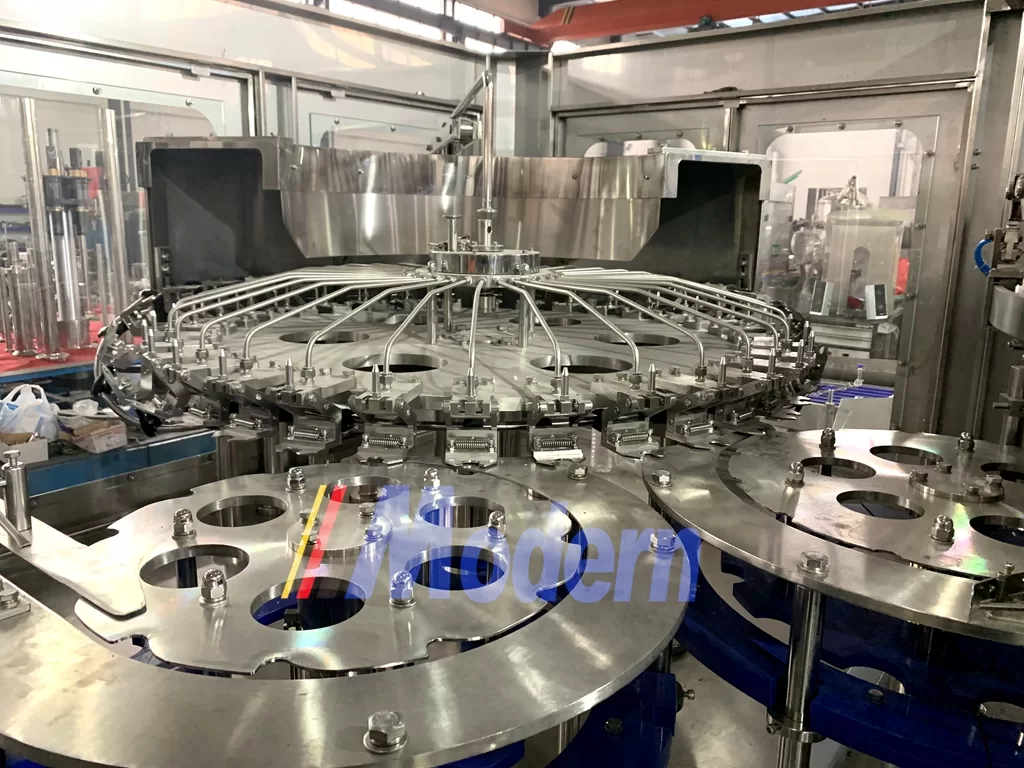
في ظل التطور السريع الذي تشهده صناعة المشروبات اليوم، أصبح الطلب على الكفاءة والجودة في تغليف المنتجات أمراً بالغ الأهمية. ومن بين المعدات الأساسية التي تسهل هذه العملية هي آلة تعبئة عصير الزجاجات. صُممت هذه الآلات المبتكرة لتبسيط عملية التعبئة، مما يضمن تعبئة المشروبات وإغلاقها ووضع الملصقات عليها بدقة. يتناول هذا المقال الجوانب المختلفة لآلات تعبئة عصير الزجاجات، ويغطي أنواعها ومزاياها ومبادئ تشغيلها ونصائح لاختيار المعدات المناسبة لاحتياجاتك.
فهم آلات تعبئة عصير الزجاجات
آلات تعبئة عصير الزجاجات هي أجهزة متخصصة تُستخدم لتعبئة المنتجات السائلة مثل عصائر الفاكهة في الزجاجات. تختلف هذه الآلات في التصميم والوظيفة لتلبية احتياجات الإنتاج المختلفة. الهدف الأساسي من هذه الآلات هو تعزيز كفاءة الإنتاج مع الحفاظ على جودة المشروب. تعمل آلة التعبئة المصممة جيداً على تقليل الهدر وضمان الدقة، وهو أمر بالغ الأهمية لتلبية رضا المستهلك والمعايير التنظيمية.
أنواع آلات تعبئة عصير الزجاجات
هناك عدة أنواع من آلات تعبئة عصير الزجاجات في السوق اليوم. يعتمد اختيار النوع المناسب على عوامل مختلفة، بما في ذلك حجم الإنتاج، ونوع العصير الذي تتم معالجته، ومستوى الأتمتة المطلوب. إليك بعض الأنواع الشائعة:
- آلات التعبئة بالجاذبية: تعمل هذه الآلات وفق مبدأ الجاذبية. وهي مناسبة للسوائل ذات اللزوجة العالية وغالباً ما تُستخدم في إعدادات الإنتاج منخفضة السرعة.
- آلات التعبئة بالضغط: تعتبر آلات التعبئة بالضغط مثالية للسوائل الغازية، حيث تستخدم ضغطاً متحكماً فيه لتعبئة الزجاجات. وهي تعمل بشكل أفضل في الظروف التي يكون فيها الحفاظ على الغازات أمراً ضرورياً.
- آلات التعبئة بالمكبس: هذه آلات متعددة الاستخدامات ومناسبة لمجموعة واسعة من لزوجة السوائل. توفر آلات التعبئة بالمكبس دقة عالية، مما يجعلها مثالية لأنواع مختلفة من العصائر.
- حشوات حجمية: تقوم هذه الآلات بقياس وتوزيع حجم محدد من العصير لكل زجاجة، مما يضمن التوحيد عبر الدفعات. وهي فعالة لمعدلات الإنتاج المتوسطة إلى العالية.
فوائد استخدام آلات تعبئة عصير الزجاجات
يؤدي الاستثمار في آلة تعبئة عصير الزجاجات إلى تحقيق مزايا عديدة لمصنعي المشروبات. إليك بعض الفوائد الرئيسية:
1. زيادة كفاءة الإنتاج
تؤدي أتمتة عملية التعبئة إلى تقليل الوقت المستغرق لتعبئة الزجاجات بشكل كبير مقارنة بالعمليات اليدوية. وتؤدي هذه الزيادة في السرعة إلى معدل إنتاج أعلى، مما يعزز الإنتاجية والربحية في نهاية المطاف.
2. مراقبة الجودة المتسقة
تضمن آلات التعبئة الدقيقة أحجام تعبئة متسقة، وهو أمر حيوي للحفاظ على جودة المنتج. بالإضافة إلى ذلك، تساعد هذه الآلات في تقليل انسكاب المنتج وهدره، وبالتالي الالتزام بمعايير الجودة المتوقعة في سوق المشروبات.
3. خفض تكاليف العمالة
على الرغم من أن تنفيذ الأنظمة الآلية قد يتضمن استثماراً أولياً، إلا أنها تؤدي إلى وفورات كبيرة في تكاليف العمالة بمرور الوقت. ومع الحاجة إلى عدد أقل من الموظفين للإشراف على عمليات التعبئة، يمكن للشركات إعادة توزيع الموظفين على عمليات حيوية أخرى.
4. المرونة والتخصيص
توفر آلات تعبئة عصير الزجاجات الحديثة ميزات قابلة للتخصيص، مما يسمح للمصنعين بتكييف الآلات وفقاً لاحتياجاتهم الخاصة. ويشمل ذلك تعديل سرعة التعبئة، وتغيير أحجام الحاويات، والتبديل بين أنواع مختلفة من السوائل.
5. الامتثال للوائح الصحية
تعتبر النظافة أمراً بالغ الأهمية في صناعة المشروبات. صُممت آلات تعبئة عصير الزجاجات بمواد مخصصة للأغذية، مما يضمن تعبئة المنتجات في بيئة نظيفة وصحية. هذا الالتزام بالمعايير الصحية ليس حيوياً لسلامة المستهلك فحسب، بل يساعد أيضاً في الحفاظ على سمعة العلامة التجارية.
مبادئ تشغيل آلات تعبئة عصير الزجاجات
يمكن تصنيف تشغيل آلات تعبئة عصير الزجاجات بشكل عام إلى عدة عمليات رئيسية:
1. تحضير الزجاجات
قبل التعبئة، يتم عادةً غسل الزجاجات وتعقيمها لإزالة الملوثات. تأتي العديد من الآلات مجهزة بوحدات شطف وتجفيف لضمان أن الزجاجات نظيفة وجاهزة للتعبئة.
2. عملية التعبئة
يتم تفعيل آلية التعبئة بمجرد وضع الزجاجات في مكانها الصحيح. اعتماداً على نوع آلة التعبئة، يتم تغذية العصير بالجاذبية، أو توزيعه بالضغط، أو قياسه حجمياً في الزجاجات.
3. الإغلاق والختم
بعد التعبئة، تتمثل الخطوة التالية في إغلاق الزجاجات للحفاظ على نضارتها. يمكن دمج آلات السد الأوتوماتيكية لخط تعبئة كامل، مما يضمن إغلاق كل زجاجة بإحكام لمنع التلوث أو الانسكاب أثناء النقل والتخزين.
4. وضع الملصقات
يمكن أيضاً دمج آلات وضع الملصقات في خط الإنتاج، مما يسمح للشركات بوضع الملصقات تلقائياً. هذه العملية ضرورية للعلامة التجارية والامتثال للوائح معلومات المستهلك.
نصائح لاختيار آلة تعبئة عصير الزجاجات المناسبة
عند اختيار آلة تعبئة عصير الزجاجات، يجب مراعاة عدة عوامل لضمان اتخاذ قرار مستنير:
1. تقييم حجم إنتاجك
يعد فهم حجم إنتاجك اليومي أو الشهري أمراً ضرورياً. صُممت آلات تعبئة مختلفة لمستويات إنتاج متفاوتة. حدد ما إذا كنت تحتاج إلى آلات منخفضة السرعة أو متوسطة السرعة أو عالية السرعة وفقاً لأهداف الإنتاج الخاصة بك.
2. مراعاة خصائص العصير
يمكن أن يؤثر نوع العصير الذي تقوم بتعبئته بشكل كبير على اختيارك. على سبيل المثال، قد تتطلب العصائر الأكثر سمكاً آلات تعبئة بالمكبس أو بالجاذبية، بينما ستتطلب المشروبات الغازية آلات تعبئة بالضغط. سيساعدك فهم هذه الخصائص في اختيار المعدات المناسبة.
3. تقييم احتياجات الأتمتة
ضع في اعتبارك مستوى الأتمتة المطلوب. تقلل الأنظمة الآلية بالكامل من تكاليف العمالة ولكنها تتطلب استثماراً أولياً أعلى. توفر الآلات شبه الآلية توازناً بين الكفاءة والتكلفة، مما يسمح بالمرونة مع تغير احتياجات الإنتاج.
4. مراعاة قيود المساحة
يلعب تصميم منشأة الإنتاج الخاصة بك دوراً حاسماً في اختيار المعدات. تأكد من أن الآلة التي تختارها يمكن أن تتناسب بشكل مريح مع مساحة التشغيل الخاصة بك ويمكن دمجها في خط الإنتاج الحالي الخاص بك دون إجراء تغييرات كبيرة.
5. مراجعة الصيانة والدعم
الاستثمار في آلة موثوقة أمر بالغ الأهمية، ولكن من المهم أيضاً التأكد من حصولك على الدعم الفني وخدمات الصيانة. راجع سجل الشركة المصنعة وسمعة خدمة العملاء الخاصة بهم قبل إجراء عملية الشراء.
الخلاصة
في الختام، تعد آلات تعبئة عصير الزجاجات مكوناً أساسياً في تصنيع المشروبات الحديثة. من خلال فهم الأنواع المختلفة من الآلات المتاحة، ومبادئ تشغيلها، وفوائدها، يمكن للمنتجين تحسين عمليات الإنتاج الخاصة بهم وتعزيز جودة المنتج. قد يبدو اختيار الآلة المناسبة أمراً شاقاً، ولكن مع دراسة احتياجاتك بعناية وإجراء بحث شامل، يمكنك اتخاذ خيارات مستنيرة ستفيد عملك على المدى الطويل.
مع استمرار تطور صناعة المشروبات، سيكون تبني التقنيات والمعدات المبتكرة مثل آلات تعبئة عصير الزجاجات أمراً ضرورياً للبقاء في المنافسة وتلبية طلبات المستهلكين بفعالية. سواء كنت شركة ناشئة أو مصنعاً قائماً، فإن الاستثمار في تقنية التعبئة المناسبة قد يكون مفتاح نجاحك في هذا السوق الديناميكي.


