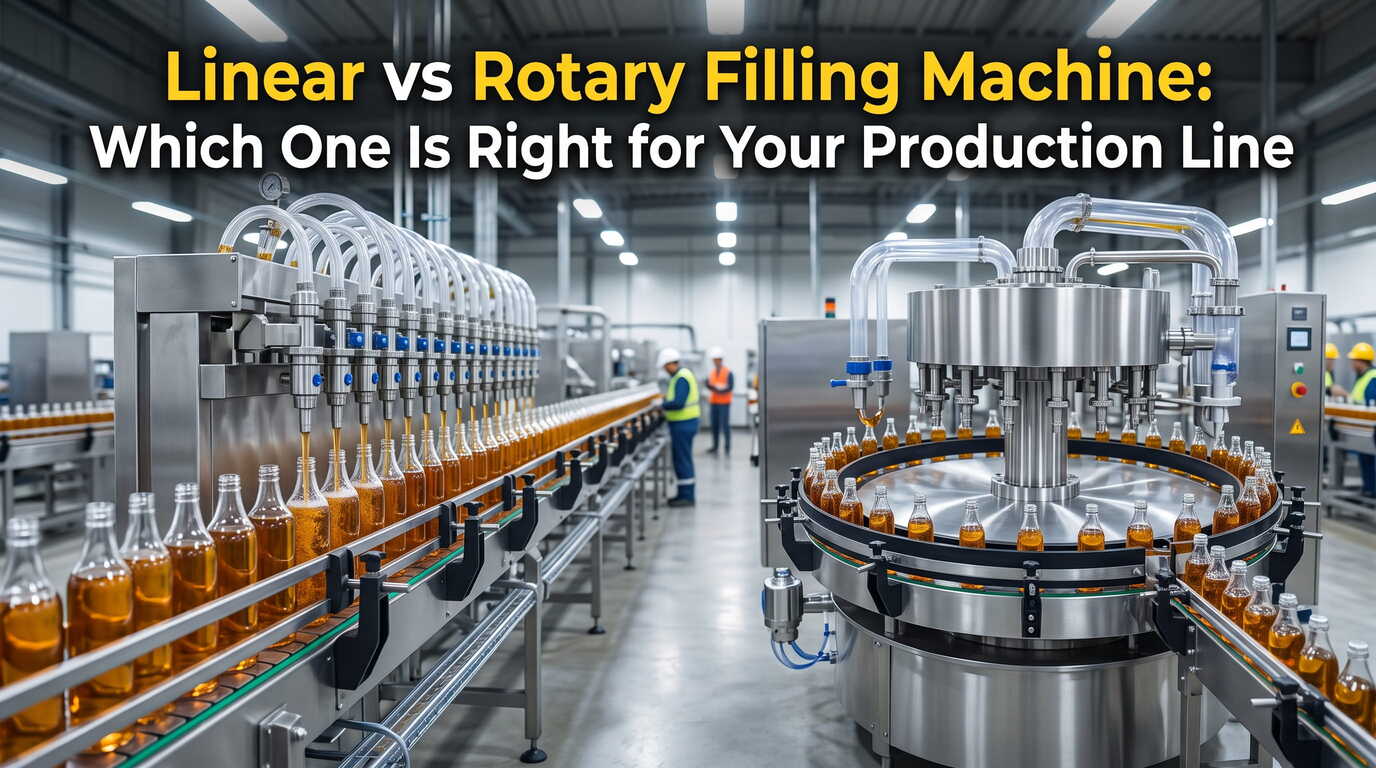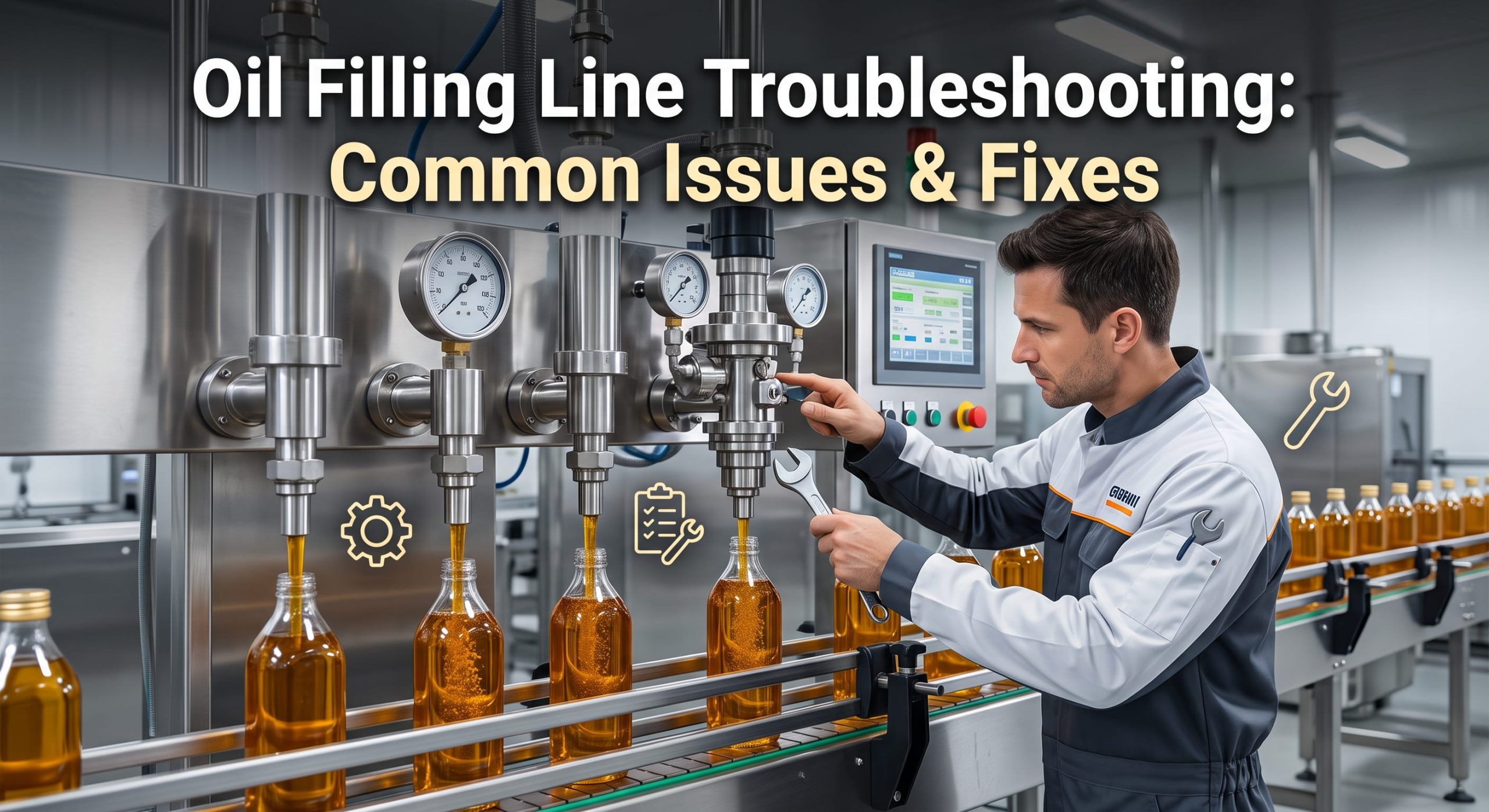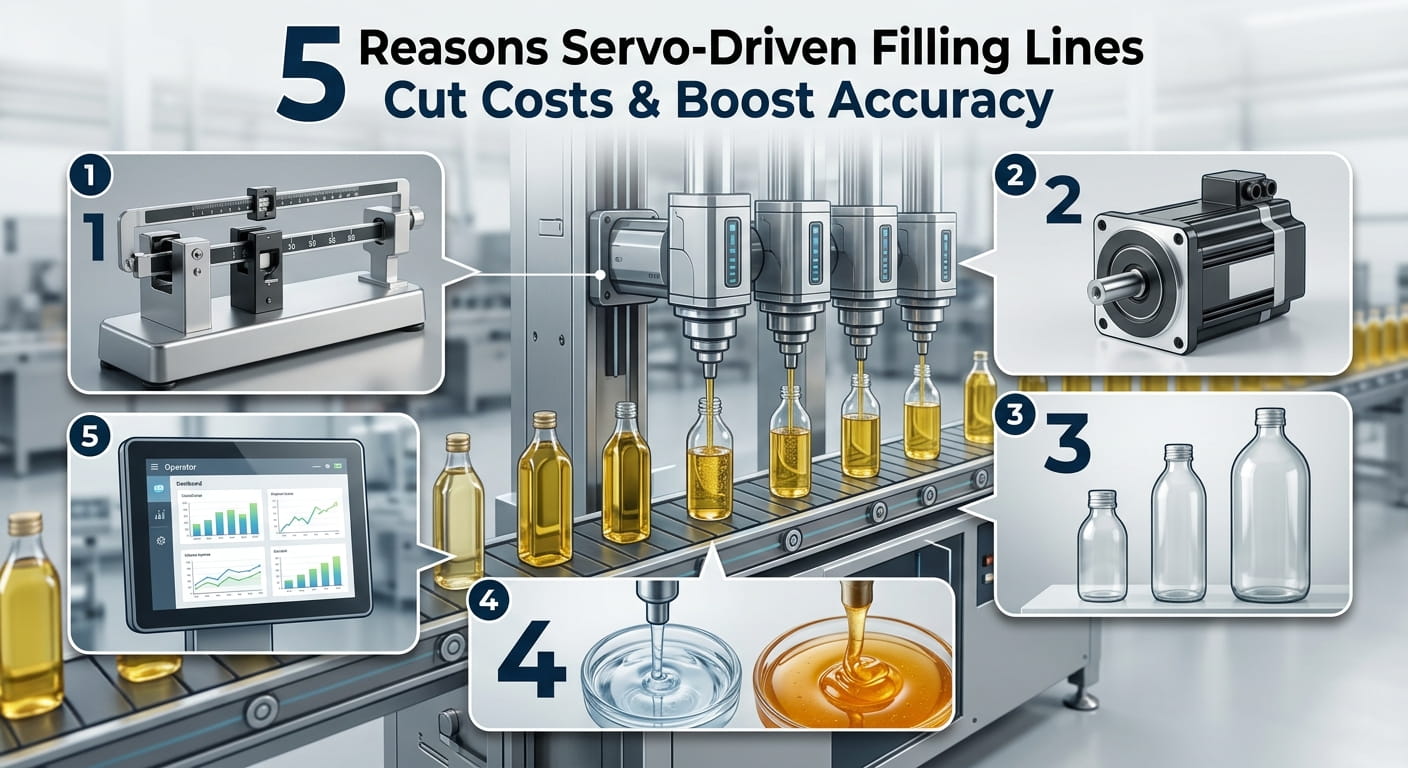
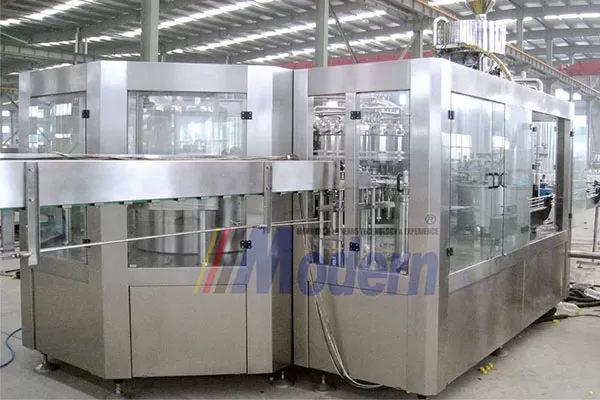
مع استمرار نمو صناعة المشروبات العالمية بشكل متسارع، أصبح الطلب على طرق الإنتاج الفعالة أعلى من أي وقت مضى. تلعب آلات تعبئة المشروبات دوراً حاسماً في هذه العملية، حيث تتولى مسؤولية التعبئة الدقيقة والصحية لمختلف المشروبات، بدءاً من المشروبات الغازية وصولاً إلى العصائر والمشروبات الكحولية. يتعمق هذا المقال في عالم آلات تعبئة المشروبات، موضحاً أنواعها، وأهميتها، وآليات عملها، ونصائح صيانتها، والاتجاهات المستقبلية، لضمان تحقيق أقصى قدر من الكفاءة والجودة للعاملين في قطاع المشروبات.
أنواع آلات تعبئة المشروبات
يعد فهم أنواع آلات تعبئة المشروبات أمراً ضرورياً لأي شركة تتطلع إلى تحسين الإنتاج. تُصنف الآلات عموماً إلى عدة أنواع، يلبي كل منها منتجات واحتياجات إنتاجية مختلفة.
1. آلات التعبئة بالجاذبية
تستخدم آلات التعبئة بالجاذبية مبدأ الجاذبية لتوزيع السوائل في الزجاجات أو الحاويات. تُستخدم هذه الآلات عادةً للمشروبات غير الغازية مثل العصائر والمياه. بساطة الآلة وكفاءتها تجعلها خياراً مفضلاً للإنتاج على نطاق صغير إلى متوسط. ومع ذلك، قد لا توفر مستوى الدقة اللازم للسوائل عالية اللزوجة.
2. آلات التعبئة بالضغط
صُممت آلات التعبئة بالضغط لتعبئة المشروبات الغازية وغيرها من السوائل التي تكون رغوة. من خلال استخدام ضغط الهواء، يمكن لهذه الآلات تعبئة الزجاجات بشكل أسرع وتقليل الرغوة غير المرغوب فيها. تعد هذه التقنية حاسمة للحفاظ على جودة الغازات في المشروبات الغازية والنبيذ الفوار. ومع ذلك، فهي تتطلب إعدادات أكثر تعقيداً وصيانة دورية لمنع التسرب والأعطال.
3. آلات التعبئة بالتفريغ (الفراغ)
تعتبر آلات التعبئة بالتفريغ مثالية لتعبئة المشروبات اللزجة مثل الصلصات والشراب. تستخدم هذه الآلة تفريغ الهواء لسحب السائل إلى الحاوية، مما يسمح بالتعبئة الدقيقة عند مستويات مختلفة. إنها تقلل من الهدر وتعتبر واحدة من أكثر الطرق كفاءة للسوائل عالية اللزوجة.
4. آلات التعبئة المعقمة
تضمن آلات التعبئة المعقمة تعبئة المشروبات في بيئات معقمة. هذه التقنية ضرورية للمنتجات التي تتطلب فترة صلاحية أطول دون مواد حافظة، مثل العصائر ومنتجات الألبان. من خلال الحفاظ على عملية تعبئة معقمة، يمكن للمصنعين إطالة عمر المنتج مع الحفاظ على مذاقه وقيمته الغذائية.
أهمية آلات تعبئة المشروبات
تمتد أهمية آلات تعبئة المشروبات إلى ما هو أبعد من مجرد الكفاءة؛ فهي حيوية للحفاظ على جودة المنتج، والاتساق، وسلامة المستهلك.
1. مراقبة الجودة
تم تجهيز آلات تعبئة المشروبات الحديثة بأجهزة استشعار وأنظمة تحكم متطورة تراقب سلامة ودقة عملية التعبئة. بفضل ميزات مثل المعايرة الآلية وآليات التغذية الراجعة، يمكن للمصنعين ضمان حصول كل حاوية على الكمية المناسبة من المنتج، مما يقلل بشكل كبير من مخاطر التعبئة الناقصة أو الزائدة.
2. النظافة والسلامة
تعد النظافة حجر الزاوية في إنتاج الغذاء. صُممت آلات تعبئة المشروبات مع مراعاة النظافة، حيث تتميز بمكونات من الفولاذ المقاوم للصدأ، وسهولة الفك للتنظيف، وعمليات تعقيم آلية. لا تعزز هذه الميزات سلامة المنتج فحسب، بل تعزز أيضاً ثقة المستهلك في العلامة التجارية.
3. كفاءة التكلفة
من خلال أتمتة عملية التعبئة، يمكن للشركات ترشيد تكاليف العمالة وتقليل الخطأ البشري. تساهم زيادة سرعة التعبئة وتقليل الهدر بشكل مباشر في خفض تكاليف الإنتاج، مما يسمح للشركات بتخصيص الموارد بشكل أكثر كفاءة وزيادة أرباحها.
آليات التشغيل: كيف تعمل
تتضمن عملية تشغيل آلات تعبئة المشروبات عدة مكونات رئيسية تعمل معاً بسلاسة لضمان تعبئة فعالة ودقيقة.
1. نظام التغذية
نظام التغذية مسؤول عن نقل المشروب من خزان التخزين إلى وحدة التعبئة. يتم تحقيق ذلك عادةً من خلال مزيج من الجاذبية، والمضخات، وأنظمة الأنابيب المصممة لتجنب التلوث وضمان اتساق الضغط.
2. صمام التعبئة
يلعب صمام التعبئة دوراً حاسماً في التحكم في تدفق السائل إلى الحاويات. يحدد تصميم وآلية الصمام سرعة ودقة عملية التعبئة. يمكن للصمامات المتقدمة الضبط تلقائياً بناءً على نوع المشروب والحاوية، مما يضمن الأداء الأمثل.
3. الإغلاق والختم
بعد تعبئة المشروب، تتضمن الخطوة التالية غالباً الإغلاق والختم لضمان طول عمر المنتج. قد تتضمن هذه العملية تقنيات مختلفة، بما في ذلك الأغطية اللولبية، أو الأغطية القابلة للضغط، أو حتى تقنيات الختم الحراري للمنتجات التي تتطلب إغلاقاً محكماً.
أفضل الممارسات لتشغيل وصيانة آلات تعبئة المشروبات
للاستفادة من الإمكانات الكاملة لآلات تعبئة المشروبات، من الضروري اتباع أفضل الممارسات التي تضمن الأداء الأمثل وطول العمر.
1. الصيانة الدورية
يمكن لجدولة فحوصات الصيانة المستمرة لآلة التعبئة الخاصة بك منع التوقف غير المتوقع والتكاليف الإضافية. افحص بانتظام المضخات، والصمامات، وأنظمة المعايرة لضمان عملها بفعالية واستبدل أي أجزاء تالفة على الفور.
2. بروتوكولات النظافة
يعد تنفيذ بروتوكولات نظافة صارمة أمراً حيوياً لمنع التلوث. ويشمل ذلك التنظيف المنتظم لجميع الأسطح التي تتلامس مع المشروبات، واستخدام عوامل تعقيم معتمدة، والتأكد من ارتداء المشغلين لمعدات الحماية المناسبة.
3. تدريب الموظفين
استثمر في برامج تدريب شاملة للموظفين الذين يشغلون آلات تعبئة المشروبات. إن المعرفة بمكونات الآلة، وإعدادات التشغيل، وتقنيات استكشاف الأخطاء وإصلاحها ستمكن المشغلين من التعامل مع المشكلات المحتملة بكفاءة والحفاظ على معايير إنتاج عالية.
الاتجاهات المستقبلية في تكنولوجيا تعبئة المشروبات
يتطور مشهد تعبئة المشروبات بسرعة، مدفوعاً بالتقدم التكنولوجي وتغير طلبات المستهلكين.
1. الأتمتة وإنترنت الأشياء (IoT)
مع صعود الثورة الصناعية الرابعة، يكتسب دمج الأتمتة وإنترنت الأشياء في آلات التعبئة زخماً كبيراً. تسمح هذه التقنية بالمراقبة والتحكم في معايير الإنتاج في الوقت الفعلي، مما يزيد من الكفاءة بشكل كبير مع تقليل التدخل البشري.
2. الممارسات المستدامة
مع تزايد الاهتمام بالاستدامة كأولوية لدى العديد من المستهلكين، يتبنى المصنعون بشكل متزايد ممارسات صديقة للبيئة في خطوط إنتاجهم. ويشمل ذلك استخدام زجاجات قابلة لإعادة التعبئة، وتقليل استخدام البلاستيك، وتحسين العمليات لخفض استهلاك الطاقة.
3. التخصيص
يتزايد الطلب على خيارات المشروبات المخصصة. ومن المرجح أن تحتاج آلات التعبئة في المستقبل إلى استيعاب أحجام الزجاجات المختلفة، وتركيبات المنتجات، وحتى تركيبات النكهات، حيث تسعى الشركات لتلبية التفضيلات الفريدة للمستهلكين.
الخلاصة
في صناعة المشروبات التي تتطور باستمرار، تعمل آلات تعبئة المشروبات كركيزة أساسية لكفاءة الإنتاج، ومراقبة الجودة، وسلامة المستهلك. ومن خلال فهم الأنواع المختلفة لآلات التعبئة، وإدراك أهميتها، وإتقان آليات التشغيل، والالتزام بأفضل الممارسات، ومواكبة الاتجاهات المستقبلية، يمكن للشركات أن تضع نفسها في موقع النجاح في سوق تنافسية. ومع استمرار تقدم التكنولوجيا، فإن أولئك الذين يتكيفون ويبتكرون سيقودون الطريق نحو بيئة إنتاج مشروبات أكثر كفاءة واستدامة وتركيزاً على المستهلك.