
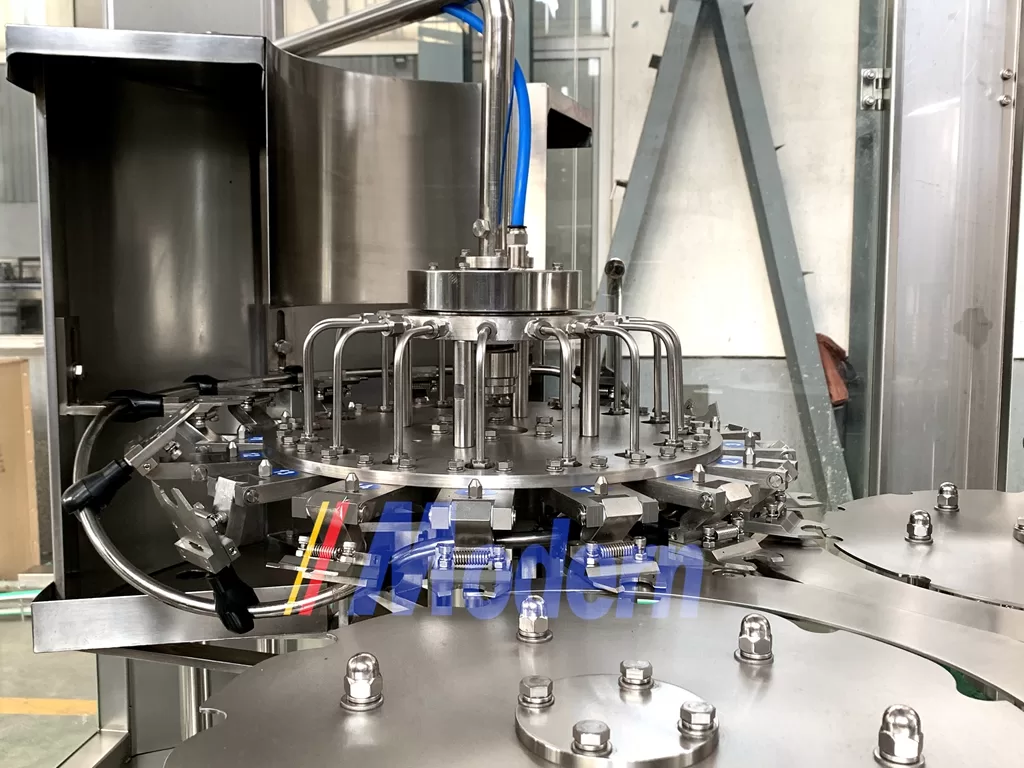
في المشهد الحديث لإنتاج المياه المعبأة، تعتبر الكفاءة والجودة والاستدامة أموراً بالغة الأهمية. يتعمق هذا المقال في الآليات المعقدة لخط تعبئة المياه النقية، ويستكشف مكوناته وعملياته والعوامل الأساسية التي يجب مراعاتها لضمان نجاح التشغيل. سواء كنت رائد أعمال تنوي دخول صناعة المياه المعبأة أو شركة قائمة تتطلع إلى تحسين عمليات الإنتاج الخاصة بها، فإن هذا الدليل يقدم رؤى عملية.
فهم تعبئة المياه النقية: نظرة عامة
خط تعبئة المياه النقية هو نظام متطور مصمم لتحويل المياه غير المعالجة إلى منتج قابل للبيع، وهو المياه المعبأة. تمر هذه المياه بعدة مراحل، تشمل التنقية، والتعبئة، ووضع الملصقات، والتغليف. لا يمكن المبالغة في أهمية الحفاظ على معايير عالية خلال كل مرحلة، حيث يجب أن يتوافق المنتج النهائي مع اللوائح الصحية وتوقعات المستهلكين.
المكونات الرئيسية لخط تعبئة المياه النقية
يتكون كل خط تعبئة فعال من مكونات فريدة تعمل بتناغم لضمان سير العمليات بسلاسة. فيما يلي المكونات الحيوية:
1. نظام معالجة المياه
الخطوة الأولى في تعبئة المياه النقية هي معالجة مياه المصدر. وعادة ما يتضمن ذلك:
- الترشيح: إزالة الرواسب والملوثات الكبيرة.
- التناضح العكسي (RO): طريقة حاسمة لتنقية المياه عن طريق القضاء على المواد الصلبة الذائبة والشوائب.
- التعقيم بالأشعة فوق البنفسجية (UV): استخدام ضوء الأشعة فوق البنفسجية لقتل مسببات الأمراض وضمان سلامة المياه ميكروبيولوجياً.
- الأوزنة (Ozonation): ضخ الأوزون في الماء لتعزيز التطهير وتحسين الطعم.
2. نظام التعبئة
بمجرد تنقية المياه، يجب تعبئتها بكفاءة:
- آلات التعبئة: أنظمة آلية تملأ الزجاجات صحياً بالمياه المعالجة. هناك عدة أنواع، بما في ذلك حشوات الجاذبية وحشوات الضغط.
- آلات الإغلاق (السدادات): تقوم هذه الأجهزة بتثبيت أغطية الزجاجات للحفاظ على سلامة المنتج ومنع التلوث.
3. معدات وضع الملصقات والتغليف
يعد وضع الملصقات أمراً حيوياً للعلامة التجارية والامتثال التنظيمي. تضمن آلات التغليف جاهزية الزجاجات للتوزيع:
- آلات وضع الملصقات: تقوم هذه الآلات بوضع الملصقات بدقة وكفاءة، وهو أمر قد يكون حاسماً لتتبع الدفعات والتسويق.
- آلات التغليف: تقوم بتجميع المياه المعبأة للتوزيع، والتي يمكن أن تشمل التغليف بالانكماش الحراري أو الصناديق الكرتونية.
عملية التعبئة: خطوة بخطوة
عملية التعبئة هي سلسلة من الأحداث المنسقة جيداً، بدءاً من تنقية المياه وصولاً إلى التغليف النهائي:
1. جمع المياه والمعالجة الأولية
تتضمن المرحلة الأولى جمع المياه من مصدر موثوق ومعالجتها أولياً لإزالة أي شوائب مرئية. يمكن أن يشمل ذلك ترشيح الرواسب والاختبار الأولي.
2. تنقية المياه
كما ذكرنا سابقاً، تخضع المياه لعدة خطوات تنقية، بما في ذلك التناضح العكسي والتعقيم بالأشعة فوق البنفسجية، مما يضمن مطابقتها لمعايير الجودة قبل دخول مرحلة التعبئة.
3. التعبئة والإغلاق
في هذه المرحلة، يتم نقل المياه النقية إلى خط التعبئة حيث يتم ملؤها في زجاجات معقمة. تتبعها أنظمة الإغلاق مباشرة، حيث يتم إغلاق الزجاجات للحفاظ على نضارتها.
4. وضع الملصقات
بعد التعبئة والإغلاق، تنتقل الزجاجات إلى آلات وضع الملصقات حيث تحصل على الملصقات الضرورية التي تعكس معلومات المنتج، والعلامة التجارية، وبيانات الامتثال.
5. التغليف والتوزيع
تتضمن الخطوة الأخيرة وضع الزجاجات المُلصقة في كرتون أو أشكال أخرى من التغليف للتوزيع. هذه المرحلة ضرورية لحماية المنتج أثناء النقل.
ضمان الجودة في تعبئة المياه النقية
يشمل ضمان الجودة كل جانب من جوانب عملية التعبئة لضمان أن المنتج النهائي آمن وذو جودة عالية. يعد إجراء اختبارات منتظمة للكائنات الحية الدقيقة والمكونات الكيميائية والخصائص الفيزيائية أمراً ضرورياً. فيما يلي بعض أفضل الممارسات:
- الاختبار الروتيني: اختبار عينات المياه بانتظام للكشف عن الملوثات للحفاظ على الامتثال للوائح الصحية.
- تدريب الموظفين: ضمان تدريب الموظفين جيداً على بروتوكولات الجودة لمنع التلوث أثناء التعبئة.
- صيانة المعدات: صيانة مجدولة بانتظام لجميع الآلات لمنع الأعطال والتلوث.
الاستدامة في تعبئة المياه
مع تزايد المخاوف البيئية، أصبحت الاستدامة في صناعة التعبئة أمراً حيوياً. تشمل الاستراتيجيات الرئيسية ما يلي:
- استخدام مواد قابلة لإعادة التدوير: اختر مواد صديقة للبيئة ويمكن إعادة تدويرها بسهولة.
- تقليل هدر المياه: قم بتنفيذ أنظمة إعادة تدوير المياه في عملياتك لتقليل الاستهلاك والهدر.
- كفاءة الطاقة: استثمر في آلات موفرة للطاقة لتقليل البصمة الكربونية المرتبطة بالإنتاج.
تحديات تعبئة المياه النقية
على الرغم من أن صناعة تعبئة المياه تتمتع بإمكانات كبيرة، إلا أنها تواجه أيضاً تحديات متنوعة:
1. الامتثال التنظيمي
قد يكون الامتثال للوائح الصحية أمراً معقداً ويختلف حسب الموقع. من الضروري فهم القوانين المحلية التي تحكم جودة المياه وممارسات التعبئة.
2. المنافسة في السوق
سوق المياه المعبأة مشبع، وقد يكون تمييز منتجك أمراً صعباً. الاستثمار في استراتيجيات العلامة التجارية والتسويق ضروري للتميز.
3. تقلب تكاليف المواد الخام
يمكن أن تتقلب تكاليف مصادر المياه والزجاجات البلاستيكية بسبب عوامل مختلفة، مما يؤثر على هوامش الربح. التخطيط الكافي للموارد ضروري للتخفيف من هذه المخاطر.
الخلاصة: الطريق إلى الأمام في إنتاج المياه المعبأة
يعد خط تعبئة المياه النقية مسعى قوياً يتطلب آلات متنوعة، والالتزام بمعايير الجودة، والتزاماً راسخاً بالاستدامة. من خلال فهم وتحسين كل مكون من مكونات عملية التعبئة، يمكن للشركات ضمان إنتاج منتج ناجح وتنافسي. استثمر في ضمان الجودة، والتزم باللوائح، وطور ممارسات مستدامة لتزدهر في صناعة المياه المعبأة. إن مشهد تعبئة المياه النقية مليء بالفرص لأولئك المستعدين للتعامل مع تعقيداته.


