
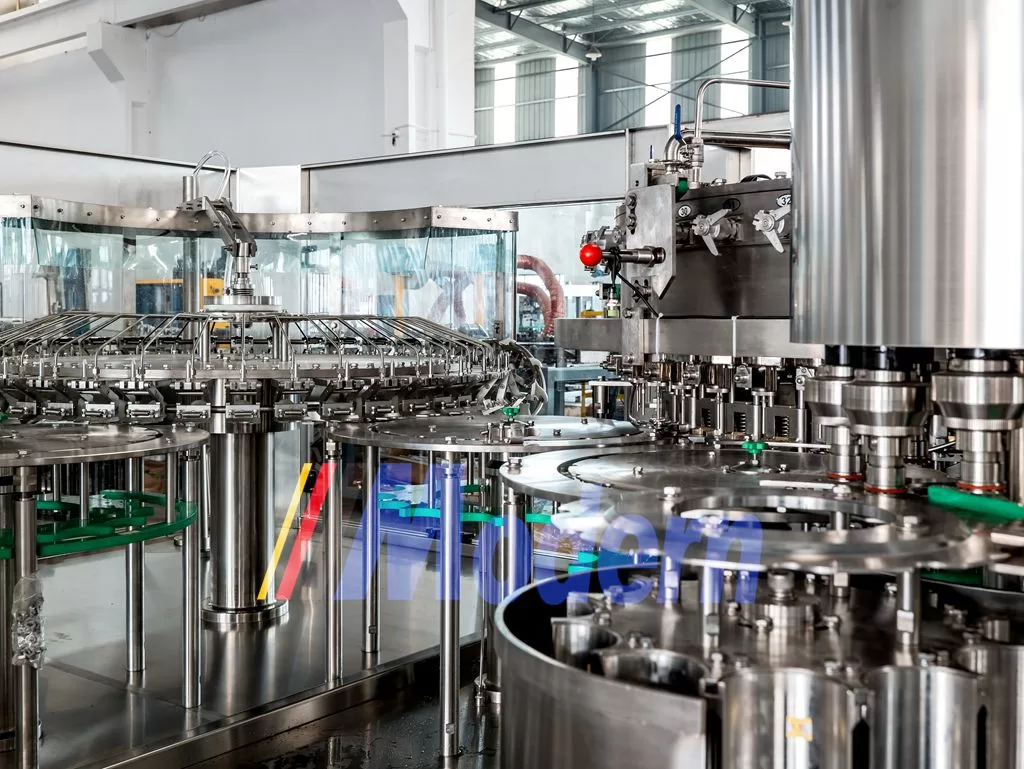
في ظل المشهد المتطور باستمرار لصناعة المشروبات، لا يمكن المبالغة في أهمية آلات تعبئة المشروبات الفعالة والموثوقة. تلعب هذه الآلات دوراً حاسماً في ضمان إنتاج سلس وفعال من حيث التكلفة لمجموعة واسعة من المشروبات، بدءاً من المشروبات الغازية وصولاً إلى عصائر الفاكهة. إن فهم الخصائص الرئيسية لآلات تعبئة المشروبات أمر ضروري للمصنعين الذين يتطلعون إلى تعزيز عمليات الإنتاج لديهم وتلبية الطلبات المتزايدة في السوق. تهدف هذه المقالة إلى تقديم نظرة شاملة حول خصائص آلات تعبئة المشروبات، مع تسليط الضوء على ميزاتها وفوائدها وأفضل الممارسات لتحقيق الأداء الأمثل.
1. الدقة والإحكام
تعد القدرة على التعبئة الدقيقة والمحكمة واحدة من أهم خصائص آلة تعبئة المشروبات. وهذا يضمن ملء كل زجاجة أو عبوة بالكمية المحددة بدقة من السائل، مما يقلل من هدر المنتج ويضمن اتساق الجودة. تستخدم آلات التعبئة الحديثة تقنيات متقدمة مثل مقاييس التدفق، ومستشعرات المستوى، والأنظمة القائمة على الوزن لتحقيق مستويات عالية من الدقة في عمليات التعبئة.
2. المرونة وتعدد الاستخدامات
تعتبر المرونة وتعدد الاستخدامات من الخصائص الأساسية لآلات تعبئة المشروبات، حيث تتيح للمصنعين التكيف مع اتجاهات السوق المتغيرة وتفضيلات المستهلكين. تشمل بعض الميزات الرئيسية التي تعزز المرونة القدرة على تعبئة أنواع مختلفة من العبوات، وتعديل أحجام التعبئة بسهولة، والتبديل بين منتجات المشروبات المختلفة بكفاءة. كما يساهم التصميم المعياري وآليات التغيير السريع في تعزيز تعدد استخدامات آلات التعبئة.
3. النظافة والتعقيم
يعد ضمان النظافة والتعقيم أمراً بالغ الأهمية في صناعة المشروبات لتلبية المعايير التنظيمية والحفاظ على جودة المنتج. تم تصميم آلات تعبئة المشروبات بميزات مثل الهيكل المصنوع من الفولاذ المقاوم للصدأ، والأسطح الملساء، والمكونات سهلة التنظيف لمنع التلوث ونمو الميكروبات. كما تعمل أنظمة التنظيف والتعقيم الآلية على تعزيز معايير النظافة في آلات التعبئة بشكل أكبر.
4. السرعة والكفاءة
تعتبر السرعة والكفاءة من الاعتبارات الحاسمة للمصنعين الذين يتطلعون إلى زيادة الإنتاجية وتلبية متطلبات الإنتاج العالية. يمكن لآلات تعبئة المشروبات التي تتميز بسرعات تعبئة عالية، وأوقات تغيير سريعة، ووقت تعطل أدنى، أن تزيد بشكل كبير من مخرجات الإنتاج وتقلل من تكاليف التشغيل. تعد الصيانة المناسبة والخدمة الدورية ضرورية لضمان عمل الآلة بأقصى كفاءة.
5. مراقبة الجودة والمتابعة
تعد قدرات مراقبة الجودة والتحكم من الخصائص الأساسية لآلات تعبئة المشروبات الحديثة. تتيح المستشعرات والكاميرات وأنظمة المراقبة المتكاملة فحص عملية التعبئة في الوقت الفعلي، مما يكتشف أي انحرافات أو عيوب في المنتج النهائي. تساعد وظائف تحليل البيانات وإعداد التقارير المصنعين على تتبع وتحليل مقاييس الأداء الرئيسية لتحسين عملية التعبئة والحفاظ على جودة المنتج.
6. كفاءة الطاقة والاستدامة
مع التركيز المتزايد على الاستدامة والمسؤولية البيئية، يتجه مصنعو المشروبات بشكل متزايد نحو آلات تعبئة موفرة للطاقة وصديقة للبيئة. تساهم ميزات مثل المحركات الموفرة للطاقة، وآليات الإغلاق التلقائي، وتقليل استهلاك المياه في تعزيز ملف الاستدامة لآلات التعبئة. ومن خلال تقليل استهلاك الطاقة وتوليد النفايات، يمكن للمصنعين تقليل بصمتهم البيئية وخفض تكاليف التشغيل.
7. التكيف مع اتجاهات الصناعة
مع استمرار تطور صناعة المشروبات، يجب أن تكون آلات التعبئة قابلة للتكيف مع الاتجاهات الناشئة مثل الطلب على مشروبات أكثر صحة، والتغليف المخصص، والتكامل الرقمي. يمكن للمصنعين الاستفادة من الاستثمار في آلات التعبئة التي توفر خيارات التخصيص، والاتصال الرقمي، وميزات الأتمتة الذكية للبقاء في صدارة المنافسة وتلبية تفضيلات المستهلكين المتطورة.
الخلاصة
في الختام، تلعب خصائص آلات تعبئة المشروبات دوراً حاسماً في تشكيل كفاءة وجودة واستدامة عمليات إنتاج المشروبات. ومن خلال فهم هذه الميزات الرئيسية والاستفادة منها، يمكن للمصنعين تحسين قدراتهم الإنتاجية، وتعزيز جودة المنتج، وتلبية المتطلبات الديناميكية للسوق. إن الاستثمار في آلات تعبئة حديثة ومتقدمة تعطي الأولوية للدقة، والمرونة، والنظافة، والسرعة، ومراقبة الجودة، وكفاءة الطاقة، والقدرة على التكيف مع اتجاهات الصناعة يعد أمراً ضرورياً للبقاء في المنافسة في المشهد المتغير باستمرار لصناعة المشروبات.


