
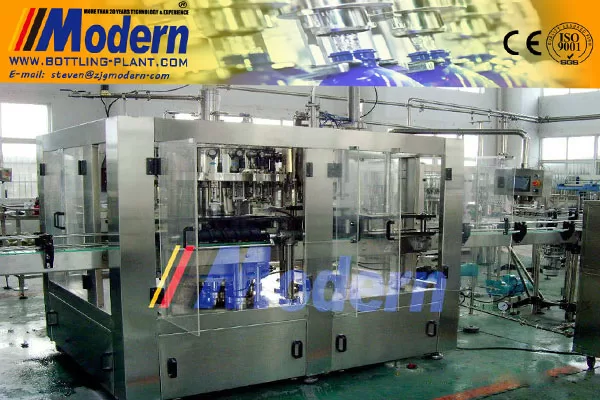
في عالم تخمير وتقديم المشروبات الذي يشهد تطوراً مستمراً، برزت آلة تعبئة البيرة من الأسفل كابتكار هام أحدث ثورة في طريقة سكب البيرة وتعبئتها والاستمتاع بها. من مصانع الجعة إلى مهرجانات البيرة، ومن المطاعم إلى مساحات البيع بالتجزئة، تُحدث هذه التكنولوجيا تأثيراً كبيراً في القطاع. يهدف هذا المقال إلى تقديم فهم شامل لآلات تعبئة البيرة من الأسفل، ومزاياها، وطريقة عملها، وصيانتها، والاتجاهات المستقبلية، مما يُمكّن الشركات والمتحمسين على حد سواء من الاستفادة من هذا التطور المثير.
فهم تقنية التعبئة من الأسفل
تعمل آلة تعبئة البيرة من الأسفل عن طريق سكب البيرة من قاع الكوب أو الحاوية بدلاً من الأعلى، وهي الطريقة التقليدية. يقلل هذا النهج المبتكر من الرغوة أثناء السكب، ويسمح بتعبئة أسرع، ويعزز جودة البيرة عن طريق تقليل الأكسدة.
آلية عمل آلات التعبئة من الأسفل
تتكون آلات تعبئة البيرة من الأسفل عادةً من عدة مكونات رئيسية: فوهة تعبئة، ومستشعر ضغط، ونظام تحكم، ونظام توصيل البيرة. صُممت فوهة التعبئة لإنشاء ختم مفرغ من الهواء في قاع الكوب، مما يسمح للبيرة بالتدفق بلطف والتعبئة من القاعدة. تراقب المستشعرات التدفق والضغط لضمان التعبئة المثالية دون فيضان. يدير نظام التحكم هذه الوظائف، مما يمنح المشغلين القدرة على ضبط الإعدادات بناءً على نوع البيرة ومتطلبات التقديم.
مزايا آلات تعبئة البيرة من الأسفل
توفر آلات تعبئة البيرة من الأسفل مزايا عديدة مقارنة بطرق التعبئة التقليدية من الأعلى. ومن أبرز هذه المزايا:
1. تقليل الرغوة
تعد الرغوة الزائدة إحدى أكبر المشكلات عند سكب البيرة من الأعلى، مما قد يؤدي إلى هدر المنتج وضعف المظهر الجمالي. تتحكم آلات التعبئة من الأسفل في معدل وزاوية السكب، مما يقلل من تكون الرغوة ويحافظ على الرأس المطلوب للبيرة.
2. زيادة السرعة والكفاءة
في البيئات ذات الطلب المرتفع، مثل المهرجانات والحانات والمطاعم المزدحمة، تعتبر السرعة أمراً بالغ الأهمية. يمكن لآلات التعبئة من الأسفل ملء حاويات متعددة في وقت واحد وبسرعة أكبر من الطرق التقليدية، مما يؤدي إلى كفاءة أكبر ورضا العملاء.
3. تعزيز الجودة والنضارة
من خلال تقليل ملامسة البيرة للهواء، تساعد آلات التعبئة من الأسفل في الحفاظ على جودة ونضارة المشروب. الأكسدة الأقل تعني تجربة أكثر نكهة للمستهلكين، مع الحفاظ على الخصائص الفريدة للبيرة.
4. خفض تكاليف التشغيل
بالنسبة للشركات، فإن تقليل هدر المنتج الناتج عن الانسكاب والرغوة يترجم إلى انخفاض في تكاليف التشغيل. بالإضافة إلى ذلك، يمكن للخدمة الأسرع زيادة أحجام المبيعات، مما يؤدي إلى تحسين الربحية.
اختيار آلة تعبئة البيرة المناسبة من الأسفل
يتطلب اختيار آلة تعبئة البيرة المثالية من الأسفل دراسة متأنية لعدة عوامل، لضمان تلبية المعدات للاحتياجات المحددة للعملية:
1. السعة
يعد حجم البيرة الذي يمكن للآلة توزيعه في إطار زمني معين أمراً بالغ الأهمية. قم بتقييم متوسط حركة العملاء وأوقات الذروة المتوقعة أثناء اختيار آلة ذات سعة كافية للتعامل مع الطلب.
2. التنوع
تختلف آلات التعبئة من الأسفل في قدرتها على التعامل مع أنواع مختلفة من الحاويات، من الأكواب إلى العلب والأوعية الكبيرة. توفر الآلة متعددة الاستخدامات التي يمكنها استيعاب مجموعة متنوعة من العناصر مرونة أكبر لبيئات الخدمة المتنوعة.
3. سهولة الاستخدام
يجب أن تكون واجهة المستخدم بديهية لتقليل وقت التدريب وضمان التشغيل السلس. ابحث عن آلات ذات عناصر تحكم واضحة وإجراءات صيانة مباشرة.
4. الصرف الصحي والصيانة
نظراً لمتطلبات النظافة الصارمة في صناعة المشروبات، يجب أن تكون الآلة المختارة سهلة التنظيف والصيانة. ابحث عن ميزات مثل المكونات القابلة للإزالة وبروتوكولات التنظيف التلقائي.
اعتبارات تشغيلية لآلات تعبئة البيرة من الأسفل
بمجرد اختيار آلة تعبئة البيرة من الأسفل، من الضروري تنفيذ أفضل الممارسات التشغيلية لزيادة فعاليتها:
1. تدريب الموظفين بشكل صحيح
يعد التدريب المناسب للموظفين أمراً ضرورياً لضمان التشغيل الفعال للمعدات. قدم دورات تدريبية تغطي ميكانيكا الآلة، وتقنيات السكب، وروتين الصيانة لزيادة الإنتاجية وتقليل الأخطاء.
2. إجراء الصيانة الدورية
ضع جدول صيانة منتظم يتضمن التنظيف والفحص وأي إصلاحات مطلوبة. يمكن للصيانة الاستباقية منع الأعطال وإطالة عمر الآلة.
3. مراقبة جودة البيرة
تحقق بانتظام من جودة البيرة التي يتم توزيعها. يجب أن تكون اختبارات التذوق والفحوصات البصرية جزءاً من الروتين التشغيلي لضمان استمرار الآلة في تقديم منتج عالي الجودة.
الاتجاهات المستقبلية في تكنولوجيا تقديم البيرة
مع تقدم التكنولوجيا، يستمر عالم آلات تعبئة البيرة من الأسفل في التطور. تشمل بعض الاتجاهات القادمة التي يجب مراقبتها:
1. الأتمتة والتكنولوجيا الذكية
يجد دمج تقنية إنترنت الأشياء (IoT) طريقه إلى توزيع المشروبات. يمكن للآلات الذكية مراقبة الأداء، وتوفير إحصائيات الاستخدام، وتنبيه المشغلين عند الحاجة إلى الصيانة، مما يؤدي إلى تعزيز الكفاءة واتخاذ قرارات مبنية على البيانات.
2. ميزات التخصيص
أصبح التخصيص مهماً بشكل متزايد للمستهلكين. قد توفر الآلات المستقبلية خيارات للسكب المخصص، بما في ذلك التحكم في مستويات الكربنة أو درجات حرارة التقديم القابلة للتعديل.
3. مبادرات الاستدامة
مع تزايد القلق بشأن البيئة، يعمل المطورون على جعل آلات تعبئة البيرة من الأسفل أكثر كفاءة في استخدام الطاقة واستخدام مواد مستدامة في بنائها. كما تكتسب الممارسات الصديقة للبيئة، مثل تقليل هدر المياه أثناء التنظيف، اهتماماً متزايداً.
الخلاصة
تمثل آلة تعبئة البيرة من الأسفل تقدماً كبيراً في تكنولوجيا تقديم المشروبات مع فوائد متعددة الأوجه، بدءاً من تقليل الهدر وتعزيز الكفاءة وصولاً إلى الحفاظ على جودة المنتج. يجب على الشركات التي تتطلع إلى البقاء في المنافسة التفكير في الاستثمار في آلات التعبئة من الأسفل كجزء من استراتيجية أوسع لتحسين جودة الخدمة والأداء التشغيلي.
من خلال فهم تعقيدات هذه الآلات، واتخاذ خيارات مستنيرة، والالتزام بأفضل الممارسات، يمكن لأصحاب المصلحة تسخير الإمكانات الكاملة لتقنية التعبئة من الأسفل، وتلبية طلب المستهلكين مع تعزيز إطار عملهم التشغيلي للمستقبل. مع وجود ابتكارات في الأفق، يعد مستقبل تقديم المشروبات بأن يكون ديناميكياً بقدر النكهات التي يقدمها.


