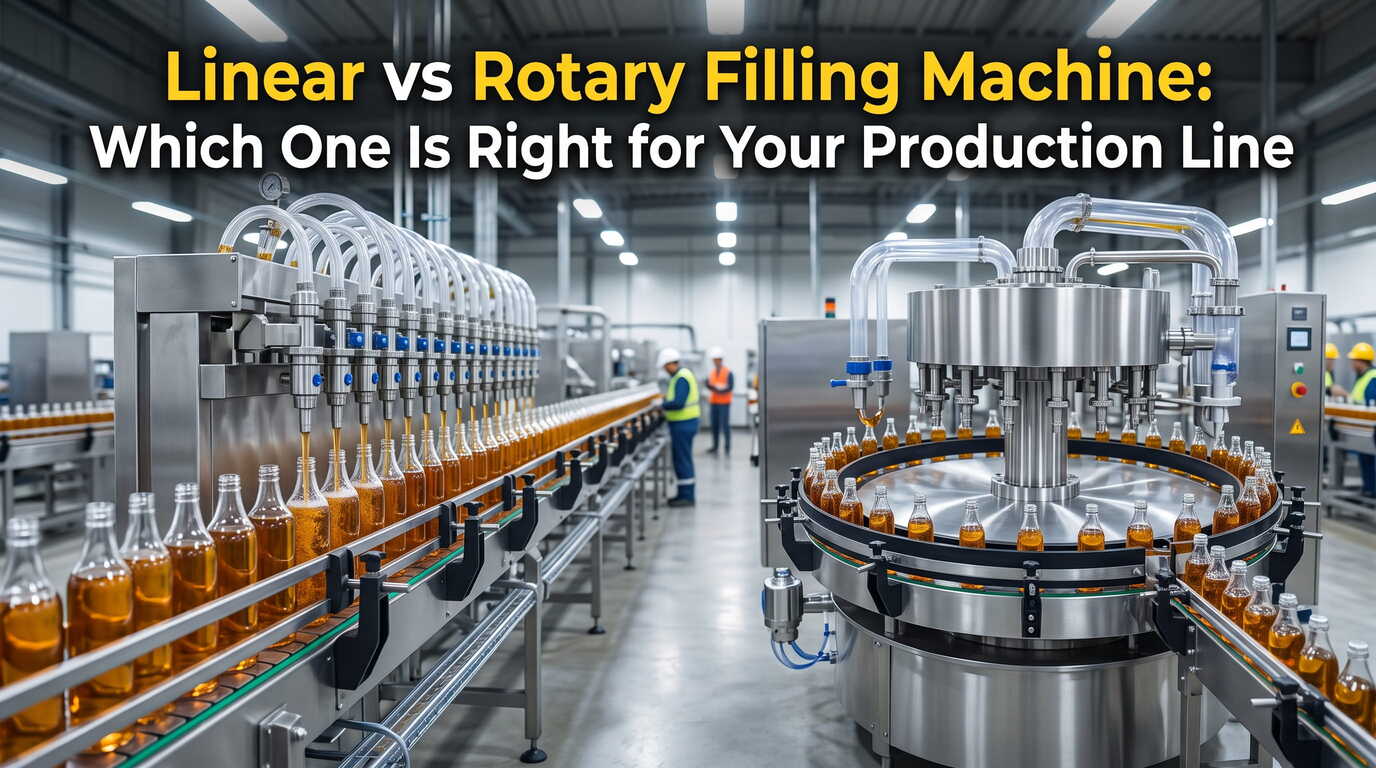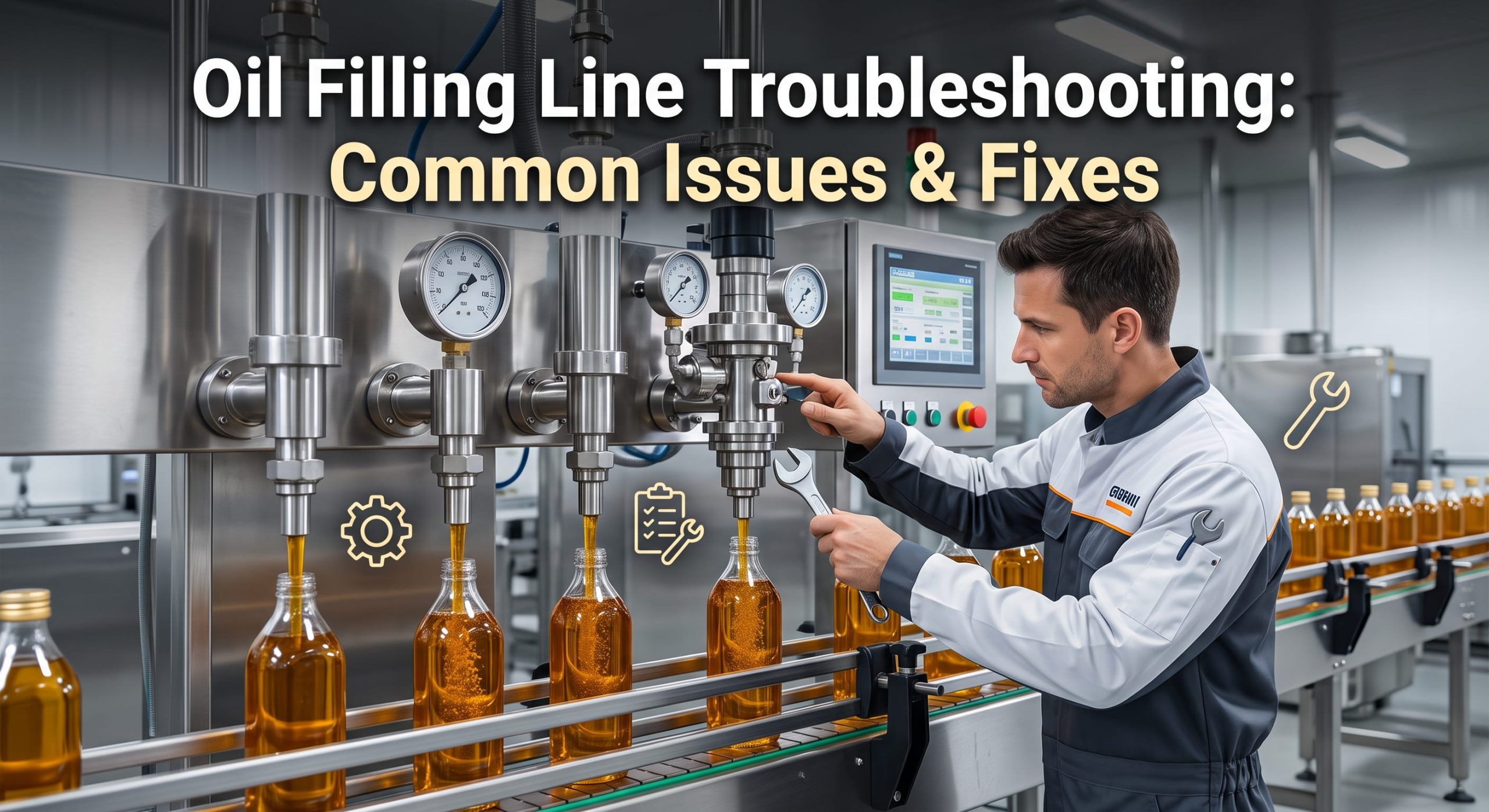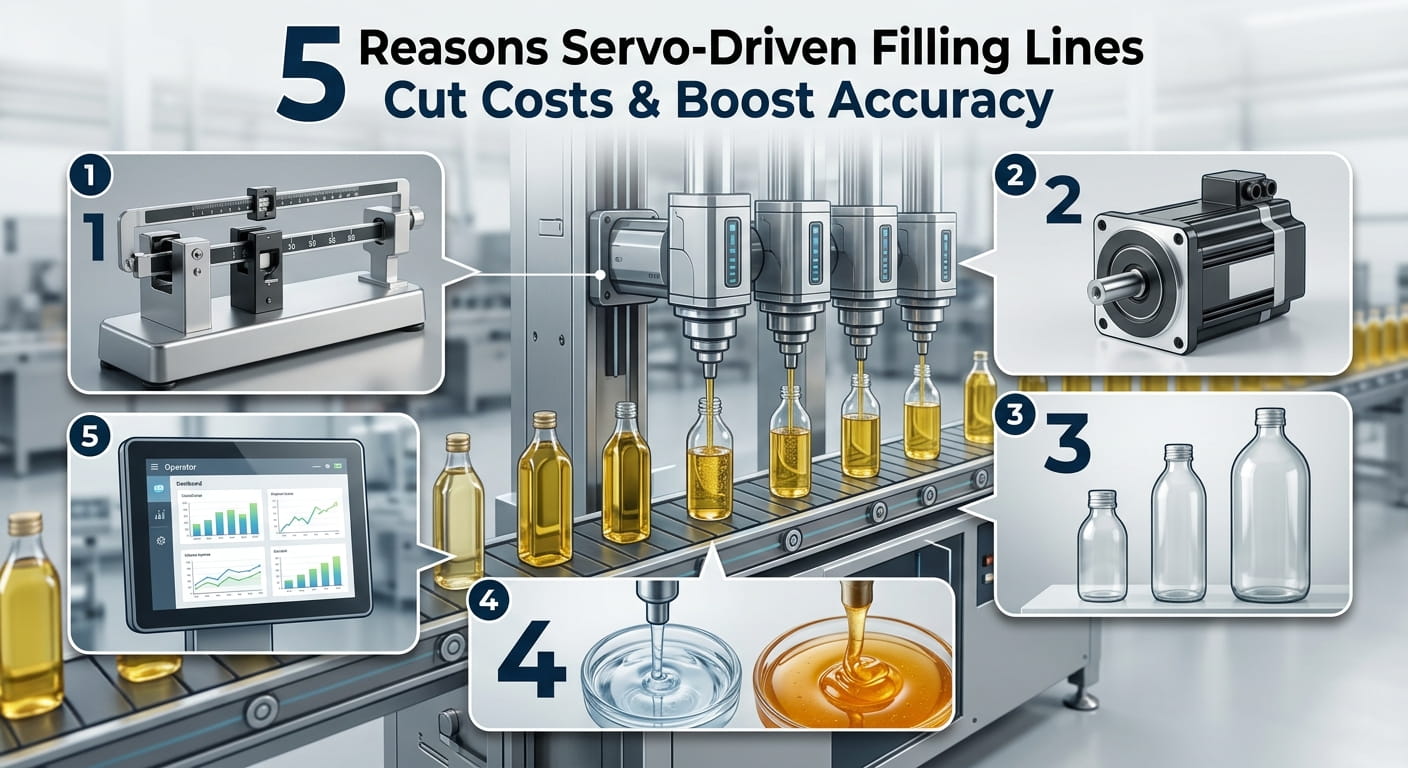
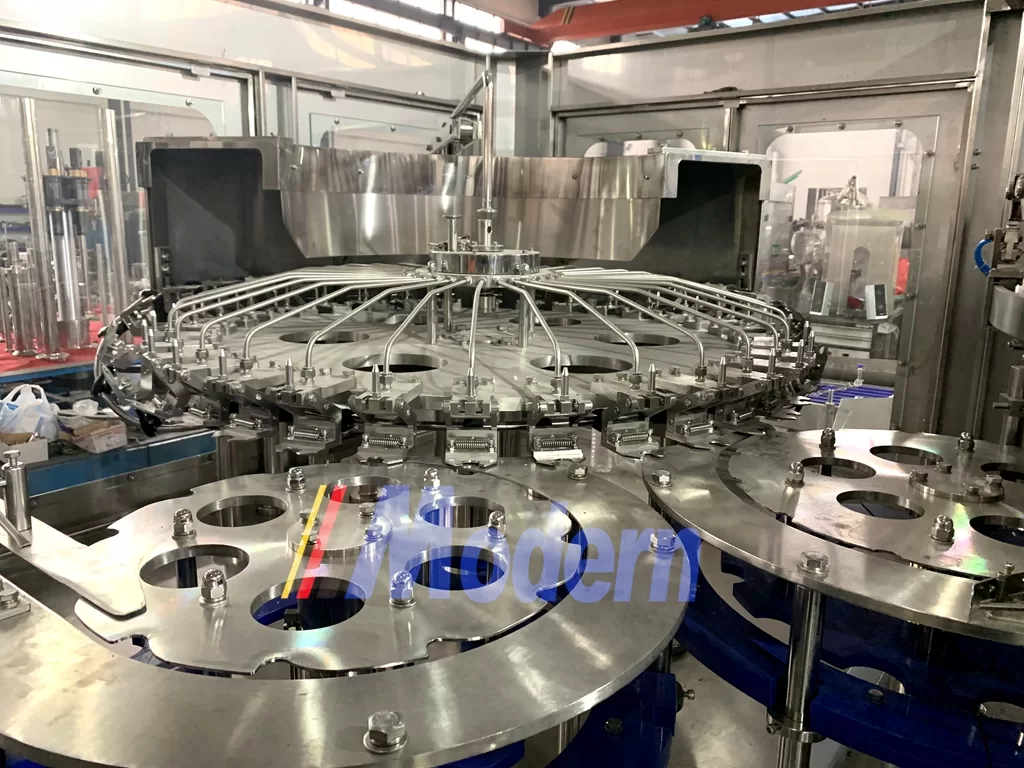
في المشهد الديناميكي لإنتاج المشروبات، تلعب عملية تعبئة المشروبات دوراً محورياً في ضمان وصول المنتجات إلى المستهلكين في أفضل حالة. ومع تزايد الطلب على الكفاءة والجودة والسلامة، أصبح إتقان فن وعلم تعبئة المشروبات أمراً ضرورياً للمصنعين. يتعمق هذا المقال في مختلف أبعاد تعبئة المشروبات، بدءاً من فهم التكنولوجيا المستخدمة وصولاً إلى أفضل الممارسات لتحقيق الكفاءة التشغيلية، مما يوفر رؤى عملية للمعنيين في صناعة المشروبات.
فهم أساسيات تعبئة المشروبات
في جوهرها، تعبئة المشروبات هي عملية توزيع المشروبات السائلة في عبوات مخصصة للتوزيع. يمكن تطبيق هذه العملية على مجموعة متنوعة من المنتجات، بما في ذلك المشروبات الغازية، والعصائر، ومنتجات الألبان، والمشروبات الكحولية. يبدأ فهم الجوانب الأساسية لتعبئة المشروبات بالتعرف على طرق التعبئة المختلفة المتاحة في الصناعة.
أنواع طرق تعبئة المشروبات
هناك عدة طرق لتعبئة المشروبات، كل منها مناسب لأنواع مختلفة من السوائل والتغليف. تشمل الطرق الأساسية ما يلي:
- التعبئة بالجاذبية: تعتمد هذه الطريقة على قوة الجاذبية لملء العبوات. تعد التعبئة بالجاذبية أكثر فاعلية للسوائل ذات اللزوجة المنخفضة، مثل الماء أو العصائر.
- تعبئة المكبس: تستخدم حشوات المكبس (Piston fillers) مكبساً لسحب السائل ثم توزيعه. توفر هذه الطريقة تحكماً دقيقاً في الحجم، مما يجعلها مثالية للسوائل الأكثر كثافة، مثل الصلصات أو الشراب المركز.
- التعبئة بالضغط: تتضمن التعبئة بالضغط استخدام الهواء المضغوط لملء العبوات. تُستخدم هذه الطريقة بشكل شائع للمشروبات الغازية لضمان بقاء كربنة المنتج سليمة.
- التعبئة بالتفريغ (Vacuum Filling): تستخدم هذه التقنية الفراغ لملء العبوات، مما يجعلها مناسبة للمنتجات الحساسة التي تتطلب حداً أدنى من التعرض للهواء، وبالتالي الحفاظ على نضارتها.
اعتبارات رئيسية في تعبئة المشروبات
على الرغم من أن طريقة التعبئة قد تختلف، إلا أنه يجب مراعاة العديد من العوامل الحاسمة لتعزيز عملية التعبئة.
توافق الحاويات
غالباً ما يعتمد اختيار تقنية التعبئة المناسبة على نوع العبوة المستخدمة. للمواد المختلفة (مثل الزجاج أو البلاستيك أو المعدن) خصائص فريدة يمكن أن تؤثر على عملية التعبئة. على سبيل المثال، تتطلب الزجاجات تعاملاً حذراً لمنع الكسر، بينما قد تتطلب العبوات البلاستيكية إغلاقاً حرارياً لضمان عدم التسريب.
خصائص المنتج
تلعب طبيعة المشروب نفسه دوراً رئيسياً في تحديد أفضل طريقة للتعبئة. تؤثر اللزوجة ومستويات الكربنة ودرجة الحرارة جميعها على كيفية تعبئة المنتج. على سبيل المثال، يمكن للمشروبات الغازية أن تفقد كربنتها إذا لم يتم تعبئتها بالضغط والسرعة المناسبين. وبالتالي، يجب على المصنعين تقييم خصائص المنتج بدقة قبل اتخاذ قرار بشأن طريقة التعبئة.
معايير النظافة والسلامة
في صناعة المشروبات، لا يمكن التهاون في معايير النظافة والسلامة. يجب أن يلتزم خط التعبئة ببروتوكولات تعقيم صارمة لتقليل مخاطر التلوث. يعد التنظيف والصيانة الدورية للمعدات، وتدريب الموظفين على ممارسات التعقيم، وضمان ترشيح الهواء بشكل صحيح إجراءات ضرورية لحماية سلامة المنتج.
التطورات التكنولوجية في تعبئة المشروبات
لقد أدى تطور التكنولوجيا إلى تعزيز عملية تعبئة المشروبات بشكل كبير. لقد أحدثت الأتمتة والمعدات الدقيقة تحولاً في الطرق التقليدية، مما أدى إلى تحسين الكفاءة مع الحفاظ على جودة المنتج.
الأتمتة في إنتاج المشروبات
تستخدم مرافق إنتاج المشروبات الحديثة بشكل متزايد أنظمة تعبئة المشروبات الآلية. يمكن لهذه الأنظمة زيادة الإنتاجية، وتقليل تكاليف العمالة، وضمان الاتساق في أحجام التعبئة. يمكن أيضاً دمج الأنظمة الآلية مع مراحل معالجة أخرى، مثل وضع الملصقات والتغليف، مما يبسط العمليات ويقلل من الخطأ البشري.
تكامل التكنولوجيا الذكية
جلب ظهور التكنولوجيا الذكية طرقاً مبتكرة لمراقبة عملية التعبئة والتحكم فيها. يمكن لأجهزة الاستشعار وأجهزة إنترنت الأشياء (IoT) جمع بيانات في الوقت الفعلي حول ظروف التعبئة، ودرجات حرارة المنتج، وحتى مستويات المخزون. تسمح هذه البيانات للمصنعين باتخاذ قرارات مستنيرة تعزز الكفاءة التشغيلية مع تقليل الهدر.
أفضل الممارسات لتعبئة المشروبات بكفاءة
لضمان أقصى قدر من الكفاءة وجودة المنتج في عملية تعبئة المشروبات، يجب على المصنعين التفكير في تنفيذ أفضل الممارسات التالية:
1. الصيانة الدورية للمعدات
تعد الصيانة الدورية لمعدات التعبئة أمراً بالغ الأهمية لتقليل وقت التوقف عن العمل وضمان الأداء الأمثل. يمكن أن تساعد جدولة عمليات الفحص والصيانة الدورية في تحديد المشكلات المحتملة قبل تفاقمها.
2. تدريب وتطوير الموظفين
الاستثمار في تدريب الموظفين لا يعزز فقط وجود قوة عاملة مطلعة، بل يزيد أيضاً من الإنتاجية الإجمالية. ستزود الدورات التدريبية المنتظمة التي تركز على تشغيل المعدات، وممارسات النظافة، ومعايير السلامة الموظفين بالمهارات الأساسية، مما يضمن الامتثال والكفاءة.
3. تدابير مراقبة الجودة
يساعد تنفيذ إجراءات صارمة لمراقبة الجودة طوال عملية التعبئة في تحديد وتصحيح التناقضات. يمكن أن يؤدي استخدام منهجيات مراقبة العمليات الإحصائية (SPC) إلى مراقبة عملية التعبئة، مما يساعد على ضمان تلبية كل منتج لمعايير الجودة المحددة.
4. التحسين المستمر
يُمكّن تبني عقلية التحسين المستمر المصنعين من تحسين عملياتهم بشكل منهجي. يمكن أن يؤدي تشجيع التعليقات من الموظفين وإجراء تقييمات منتظمة للأداء التشغيلي إلى كشف مجالات التحسين، مما يعزز ثقافة الابتكار.
الاعتبارات البيئية في تعبئة المشروبات
تواجه صناعة المشروبات ضغوطاً متزايدة لتبني ممارسات مستدامة. وعلى هذا النحو، يجب أن تأخذ عمليات تعبئة المشروبات في الاعتبار تأثيرها البيئي.
تقليل هدر المواد
يجب أن تبدأ الجهود المبذولة لتقليل هدر المواد بالتغليف. إن استخدام مواد خفيفة الوزن، وتحسين أشكال العبوات، واستخدام تقنيات تعبئة فعالة يمكن أن يقلل بشكل كبير من استهلاك الموارد.
كفاءة الطاقة
يعد الاستثمار في معدات تعبئة موفرة للطاقة أمراً بالغ الأهمية لتقليل البصمة الكربونية لإنتاج المشروبات. يمكن للمصنعين البحث عن معدات تتوافق مع معايير توفير الطاقة، مما يضمن عمليات صديقة للبيئة.
الحفاظ على المياه
يعد الحفاظ على المياه أثناء تنظيف وصيانة معدات تعبئة المشروبات أمراً في غاية الأهمية. إن تنفيذ أنظمة إعادة تدوير المياه أو اعتماد طرق التنظيف الجاف يمكن أن يقلل بشكل ملحوظ من استخدام المياه.
الخلاصة
تعد عملية تعبئة المشروبات جزءاً لا يتجزأ من صناعة إنتاج المشروبات، حيث تمزج بين الفن والعلم لتقديم منتجات عالية الجودة للمستهلكين. من خلال فهم طرق التعبئة المختلفة، وتبني التطورات التكنولوجية، وتنفيذ أفضل الممارسات، يمكن للمصنعين تعزيز كفاءتهم التشغيلية، وسلامة منتجاتهم، واستدامتها. علاوة على ذلك، فإن التقييم المستمر والتكيف مع متطلبات المستهلك والمخاوف البيئية سيضمن ميزة تنافسية في هذا السوق المتطور باستمرار. مع استمرار توسع صناعة المشروبات، سيظل النهج الدقيق لتعبئة المشروبات أمراً حاسماً للنجاح.