
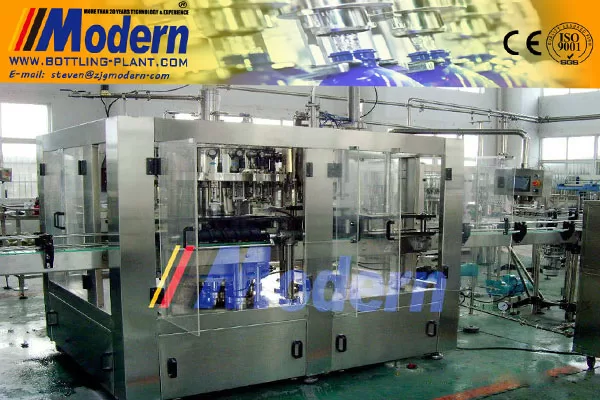
في عالم إنتاج المشروبات، تعتبر الكفاءة والجودة من أهم الأولويات. ولا تُعد صناعة البيرة استثناءً من ذلك، حيث تؤثر الحاجة إلى الدقة في التعبئة بشكل كبير على المنتج النهائي. ومن بين التقنيات المختلفة المستخدمة، برزت ماكينات تعبئة البيرة من الأسفل كحل ثوري. يستعرض هذا المقال تعقيدات تقنية التعبئة من الأسفل، ومزاياها، ورؤى عملية للشركات التي تفكر في الاستثمار في هذه الآلات المبتكرة.
فهم تقنية التعبئة من الأسفل
التعبئة من الأسفل هي طريقة مستخدمة في عملية التعبئة حيث يتم ملء العبوة بالبيرة من الأسفل بدلاً من الأعلى. وتعتبر هذه التقنية مفيدة بشكل خاص للمشروبات الغازية، لأنها تقلل من الرغوة التي تحدث غالبًا عند سكب السائل في زجاجة فارغة من الأعلى.
في أنظمة التعبئة التقليدية من الأعلى، يمكن أن تتكون رغوة في البيرة، مما يؤدي إلى تغليف رديء الجودة وفقدان محتمل للمنتج. تعالج طريقة التعبئة من الأسفل هذه المشكلات باستخدام فوهات متخصصة تُدخل السائل بالقرب من قاع الزجاجة، مما يسمح له بالارتفاع برفق وتقليل الاضطراب. لا يحافظ هذا النهج المبتكر على جودة البيرة فحسب، بل يعزز أيضًا الكفاءة العامة لعملية التعبئة.
مزايا ماكينات تعبئة البيرة من الأسفل
1. تقليل الأكسدة
تتمثل إحدى الفوائد الرئيسية للتعبئة من الأسفل في قدرتها على تخفيف الأكسدة. أثناء عملية التعبئة، تكون البيرة عرضة بشدة للتعرض للأكسجين، مما قد يؤدي إلى تدهور النكهة وتقليل مدة الصلاحية. تساعد التعبئة من الأسفل في تقليل كمية الأكسجين التي تتلامس مع البيرة، مما يحافظ على مذاقها ونضارتها لفترة أطول.
2. تقليل الرغوة
كما ذُكر سابقًا، غالبًا ما تؤدي طرق التعبئة التقليدية من الأعلى إلى تكوّن رغوة زائدة. وهذا لا يؤدي إلى الهدر فحسب، بل يعقد أيضًا عملية التعبئة. تم تصميم ماكينات التعبئة من الأسفل للتحكم في معدل التدفق والضغط، مما يتيح تعبئة أكثر سلاسة تقلل بشكل كبير من إنتاج الرغوة. وينتج عن ذلك إنتاجية أفضل للمنتج وتقليل الحاجة إلى إجراء تعديلات أثناء التشغيل.
3. زيادة كفاءة الإنتاج
تم تصميم ماكينات التعبئة من الأسفل من أجل السرعة والدقة. ومن خلال أتمتة عملية التعبئة، يمكن لهذه الماكينات زيادة معدلات الإنتاج بشكل كبير مقارنة بالتعبئة اليدوية. يمكن للعديد من الطرازات تعبئة آلاف الزجاجات في الساعة، مما يسمح لمصانع البيرة بتلبية الطلب المتزايد دون المساومة على الجودة. كما تضمن آلية التعبئة الدقيقة الاتساق عبر الدفعات، وهو أمر بالغ الأهمية لموثوقية العلامة التجارية.
4. تعدد الاستخدامات في التطبيق
ميزة أخرى لماكينات تعبئة البيرة من الأسفل هي تعدد استخداماتها. يمكن لهذه الماكينات التعامل مع مجموعة متنوعة من أحجام وأشكال العبوات، بما في ذلك الزجاجات والعلب والبراميل. تجعل هذه القدرة على التكيف الماكينات مناسبة لكل من مصانع البيرة الحرفية الصغيرة ومرافق الإنتاج الكبيرة، مما يوفر المرونة مع نمو الشركات وتنويع خطوط إنتاجها.
5. تحسين الصرف الصحي والنظافة
تعد سلامة الغذاء جانبًا حاسمًا في إنتاج المشروبات. غالبًا ما تكون ماكينات التعبئة من الأسفل مجهزة بميزات تعقيم متقدمة، مثل الفوهات ذاتية التنظيف والتصاميم المعيارية التي تسمح بالتفكيك السهل. تضمن هذه الميزات إمكانية غسل المعدات وصيانتها بدقة، مما يقلل من خطر التلوث ويحمي سلامة البيرة.
الميزات الرئيسية التي يجب البحث عنها في ماكينة تعبئة البيرة من الأسفل
1. أنظمة الأتمتة والتحكم
عند اختيار ماكينة تعبئة البيرة من الأسفل، من الضروري مراعاة مستوى الأتمتة والتحكم المتاح. تأتي الطرازات المتقدمة مزودة بوحدات تحكم منطقية قابلة للبرمجة (PLCs) تسمح بإجراء تعديلات دقيقة في حجم التعبئة والسرعة والضغط. وهذا يسمح للمشغلين بتكييف عملية التعبئة مع أنماط البيرة المختلفة، مما يحسن الجودة ويقلل الهدر.
2. جودة التصنيع
تلعب المواد المستخدمة في بناء ماكينة التعبئة دورًا مهمًا في أدائها وطول عمرها. الفولاذ المقاوم للصدأ هو الخيار المفضل نظرًا لمقاومته للتآكل وسهولة تنظيفه. بالإضافة إلى ذلك، ابحث عن الماكينات التي تلتزم بمعايير الصناعة للنظافة والسلامة، مما يضمن الامتثال للوائح المحلية.
3. متطلبات الصيانة
تعد الصيانة الدورية ضرورية للتشغيل السلس لأي ماكينة تعبئة. اختر ماكينة تعبئة بيرة من الأسفل مصممة لسهولة الوصول إلى المكونات، مما يسهل عمليات الفحص والخدمة السريعة. بالإضافة إلى ذلك، ضع في اعتبارك الشركات المصنعة التي توفر دعمًا قويًا للعملاء وتوافر قطع الغيار للمساعدة في صيانة معداتك.
4. التكامل مع الأنظمة الحالية
بالنسبة للشركات التي تتطلع إلى ترقية عمليات التعبئة الخاصة بها، من المهم التفكير في كيفية دمج ماكينة التعبئة الجديدة من الأسفل مع المعدات الحالية. ويشمل ذلك التوافق مع السيور الناقلة، وماكينات وضع الملصقات، وسير العمل الإنتاجي العام. تأكد من إمكانية دمج المعدات التي اخترتها بسلاسة في عملياتك لتعزيز الكفاءة العامة.
خطوات عملية لتنفيذ تقنية التعبئة من الأسفل
1. تقييم احتياجات الإنتاج
قبل الاستثمار في ماكينة تعبئة البيرة من الأسفل، قم بإجراء تقييم شامل لاحتياجات الإنتاج في مصنع البيرة الخاص بك. ضع في اعتبارك عوامل مثل الإنتاج اليومي، وتنوع المنتجات، وخطط النمو المستقبلية. سيساعد هذا في تحديد المواصفات والقدرات المطلوبة للآلات التي تستثمر فيها.
2. إجراء أبحاث السوق
خذ الوقت الكافي للبحث عن مختلف الشركات المصنعة والطرازات المتاحة في السوق. ابحث عن المراجعات ودراسات الحالة وشهادات المستخدمين الآخرين داخل صناعة البيرة. ستوفر هذه المعلومات رؤى قيمة حول الأداء والموثوقية ودعم العملاء الذي تقدمه الشركات المختلفة.
3. التواصل مع خبراء الصناعة
يمكن أن توفر استشارة خبراء الصناعة أو حضور المعارض التجارية تجربة عملية مع ماكينات تعبئة مختلفة. إن التعامل مع المهنيين الذين لديهم معرفة مباشرة بتقنية التعبئة من الأسفل يمكن أن يوفر رؤى قيمة حول المعدات التي تتوافق بشكل أفضل مع أهدافك التشغيلية ومعايير الجودة.
4. التخطيط لتدريب الموظفين
يعتمد التشغيل السلس لأي ماكينة جديدة بشكل كبير على مهارات الموظفين الذين يشغلونها. استثمر في برامج التدريب لضمان أن فريقك على دراية جيدة بتشغيل وصيانة ماكينة تعبئة البيرة من الأسفل. سيساعد هذا في زيادة الكفاءة وتقليل احتمالية حدوث أخطاء أثناء عملية التعبئة.
الخلاصة
تمثل ماكينات تعبئة البيرة من الأسفل قفزة كبيرة في تكنولوجيا التعبئة، حيث توفر العديد من المزايا التي تعزز الكفاءة، وتقلل الهدر، وتحافظ على جودة المنتج. ومع استمرار مصانع البيرة في النمو والتكيف مع متطلبات السوق، يمكن أن يؤدي الاستثمار في مثل هذه الآلات المتقدمة إلى عوائد كبيرة من حيث الإنتاجية ورضا المستهلك.
من خلال فهم آليات ومزايا واستراتيجيات تنفيذ تقنية التعبئة من الأسفل، يمكن لمصانع البيرة وضع نفسها في طريق النجاح في مشهد تنافسي متزايد. في النهاية، المفتاح هو تقييم احتياجاتك التشغيلية المحددة، وإجراء بحث شامل، والتواصل مع شركاء مطلعين لاتخاذ قرارات مستنيرة من شأنها دفع عملك إلى الأمام.


