
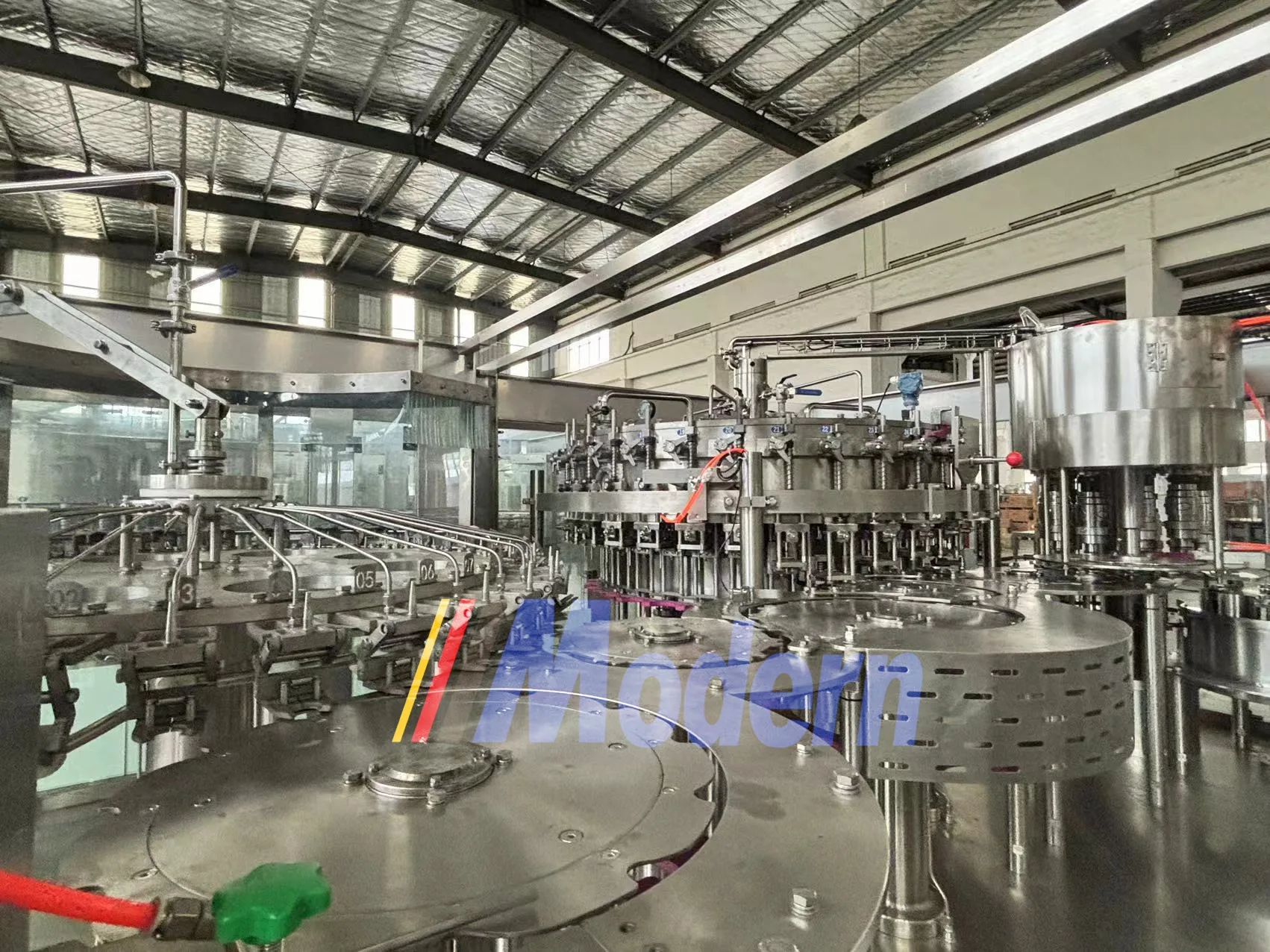
عندما يتعلق الأمر بتغليف المشروبات الغازية، غالباً ما يتصدر النقاش المقارنة بين زجاجات PET والعلب المعدنية. فكلا خياري التغليف لهما مجموعة من المزايا والعيوب التي يمكن أن تؤثر على كل شيء بدءاً من العمر الافتراضي للمنتج، والأثر البيئي، وصولاً إلى تفضيلات المستهلك. في هذا المقال، نتعمق أكثر في مقارنة زجاجات PET والعلب المعدنية كمواد تغليف للمشروبات الغازية، ونستكشف أبعاداً مختلفة لمساعدتك في اتخاذ قرارات مستنيرة لعملك.
1. الأثر البيئي
تعد الاستدامة البيئية عاملاً حاسماً في سوق المستهلك اليوم. تُعاد معالجة زجاجات PET بشكل شائع، لكن عملية إعادة التدوير يمكن أن تكون كثيفة الاستهلاك للطاقة. من ناحية أخرى، تتمتع علب الألمنيوم بمعدل إعادة تدوير أعلى بكثير وهي قابلة لإعادة التدوير إلى ما لا نهاية دون أي فقدان في الجودة. وهذا يجعل العلب خياراً أكثر صداقة للبيئة من حيث كفاءة إعادة التدوير والاستدامة الشاملة.
2. العمر الافتراضي وسلامة المنتج
عندما يتعلق الأمر بالحفاظ على نضارة وجودة المشروبات الغازية، فإن كلاً من زجاجات PET والعلب المعدنية لهما نقاط قوتهما. تشتهر زجاجات PET بقدرتها على الحفاظ على الكربنة ومنع التسرب، مما يضمن بقاء المنتج طازجاً لفترات أطول. ومع ذلك، توفر علب الألمنيوم حماية فائقة ضد التعرض للضوء والأكسجين، مما يقلل من خطر تغير النكهة ويضمن عمراً افتراضياً أطول.
3. التكلفة والكفاءة
من حيث تكاليف الإنتاج، تعتبر زجاجات PET عموماً أرخص في التصنيع مقارنة بعلب الألمنيوم. بالإضافة إلى ذلك، فإن زجاجات PET أخف وزناً، مما يقلل من تكاليف النقل وانبعاثات الكربون. ومع ذلك، فإن علب الألمنيوم أكثر كفاءة في استغلال المساحة، مما يسمح بتعبئة المزيد من المنتجات في نفس المساحة، وهو ما قد يؤدي إلى انخفاض تكاليف الشحن في بعض الحالات.
4. راحة المستهلك وتصوراته
تلعب راحة المستهلك دوراً مهماً في خيارات التغليف. زجاجات PET خفيفة الوزن وسهلة الحمل، مما يجعلها خياراً مفضلاً للمستهلكين أثناء التنقل. من ناحية أخرى، يُنظر إلى العلب على أنها أكثر تميزاً وغالباً ما ترتبط بتجربة شرب أفضل. إن فهم تفضيلات وعادات جمهورك المستهدف أمر بالغ الأهمية في تحديد خيار التغليف الذي يتوافق بشكل أفضل مع توقعات المستهلك.
5. العلامة التجارية والتأثير التسويقي
يمكن أن يؤثر الاختيار بين زجاجات PET والعلب المعدنية أيضاً على استراتيجيات العلامة التجارية والتسويق الخاصة بك. يوفر التصميم الأنيق وخيارات الملصقات التي تغطي العلبة بالكامل (360 درجة) مساحة فريدة لحملات العلامة التجارية والتسويق. من ناحية أخرى، توفر زجاجات PET تنوعاً أكبر من حيث الشكل والحجم، مما يسمح بتصاميم تغليف إبداعية يمكنها جذب انتباه المستهلك على أرفف المتاجر.
6. اعتبارات سلسلة التوريد والخدمات اللوجستية
عند النظر في جوانب سلسلة التوريد والخدمات اللوجستية، يمكن أن يؤثر الاختيار بين زجاجات PET والعلب المعدنية على إدارة المخزون، ومتطلبات التخزين، وكفاءة النقل. قد تتطلب زجاجات PET مساحة أكبر للتخزين نظراً لطبيعتها الأكثر ضخامة، بينما يمكن تكديس العلب بكفاءة، مما يحسن مساحة المستودعات ويبسط عمليات التوزيع.
7. اللوائح الدولية واتجاهات السوق
من الضروري مراعاة اللوائح الدولية واتجاهات السوق عند اختيار مواد التغليف للمشروبات الغازية. قد يكون لدى البلدان المختلفة لوائح متفاوتة فيما يتعلق باستخدام زجاجات PET أو علب الألمنيوم، والتي يمكن أن تؤثر على خيارات التغليف الخاصة بك بناءً على المتطلبات الإقليمية. بالإضافة إلى ذلك، يمكن أن يساعدك البقاء على اطلاع دائم باتجاهات السوق وتفضيلات المستهلكين في مواءمة استراتيجية التغليف الخاصة بك مع متطلبات السوق المتطورة.
الخلاصة
يتضمن الاختيار بين زجاجات PET والعلب المعدنية لتغليف المشروبات الغازية تحليلاً شاملاً لعوامل مختلفة، بدءاً من الأثر البيئي وكفاءة التكلفة وصولاً إلى تصور المستهلك واستراتيجيات العلامة التجارية. من خلال تقييم كل بُعد بعناية ومراعاة احتياجات عملك المحددة وجمهورك المستهدف، يمكنك اتخاذ قرار مستنير لا يلبي المتطلبات التنظيمية فحسب، بل يتماشى أيضاً مع توقعات المستهلك في سوق تنافسية.
في النهاية، لن يؤثر خيار التغليف الذي تتخذه على استدامة وجودة منتجك فحسب، بل سيشكل أيضاً تجربة المستهلك الشاملة ومكانة علامتك التجارية في سوق المشروبات.


