
شهدت صناعة تعبئة المياه نمواً ملحوظاً على مدى العقود القليلة الماضية، مدفوعة بزيادة الطلب على مياه الشرب النظيفة والآمنة. ومع استمرار تطور تفضيلات المستهلكين، أصبح من الضروري للشركات في هذا القطاع تحسين خطوط تعبئة المياه لديها لتعزيز الكفاءة، وخفض التكاليف، والحفاظ على جودة المنتج. يستكشف هذا المقال المتعمق جوانب مختلفة لخطوط تعبئة المياه، بدءاً من اختيار المعدات وصولاً إلى أفضل الممارسات التشغيلية، بهدف مساعدة الشركات على زيادة إنتاجيتها وربحيتها.
فهم عملية تعبئة المياه
تتضمن عملية تعبئة المياه عادةً عدة مراحل: الحصول على المياه، والتنقية، والتعبئة، ووضع الملصقات، والتغليف. يجب تصميم كل مرحلة بدقة لضمان أن المنتج النهائي يلبي معايير السلامة وتوقعات العملاء.
الحصول على المياه
يمكن الحصول على المياه من مصادر متنوعة، بما في ذلك الينابيع والآبار وإمدادات المياه البلدية. يؤثر اختيار مصدر المياه بشكل كبير على عملية التعبئة. يجب على الشركات إجراء تقييمات شاملة لجودة المياه وضمان الامتثال للوائح المحلية. يعد اختبار الملوثات والحفاظ على الاستدامة البيئية أمراً بالغ الأهمية لبناء علامة تجارية مرموقة.
طرق التنقية
تعد التنقية خطوة محورية في عملية التعبئة. يتم استخدام طرق مختلفة، مثل التناضح العكسي، والمعالجة بالأشعة فوق البنفسجية، والترشيح الكربوني، للتخلص من الشوائب ومسببات الأمراض. يجب أن يعتمد اختيار طريقة التنقية على جودة مصدر المياه والمتطلبات المحددة للسوق المستهدف. تعد الصيانة الدورية لمعدات التنقية ضرورية لضمان الكفاءة التشغيلية وسلامة المنتج.
المعدات الرئيسية في خط تعبئة المياه
تعتمد كفاءة وفعالية خط تعبئة المياه إلى حد كبير على اختيار المعدات. يمكن أن يؤدي اختيار الآلات المناسبة إلى تعزيز الإنتاجية بشكل كبير وتقليل التكاليف التشغيلية. فيما يلي بعض المكونات الأساسية لخط تعبئة مياه فعال.
آلات التعبئة
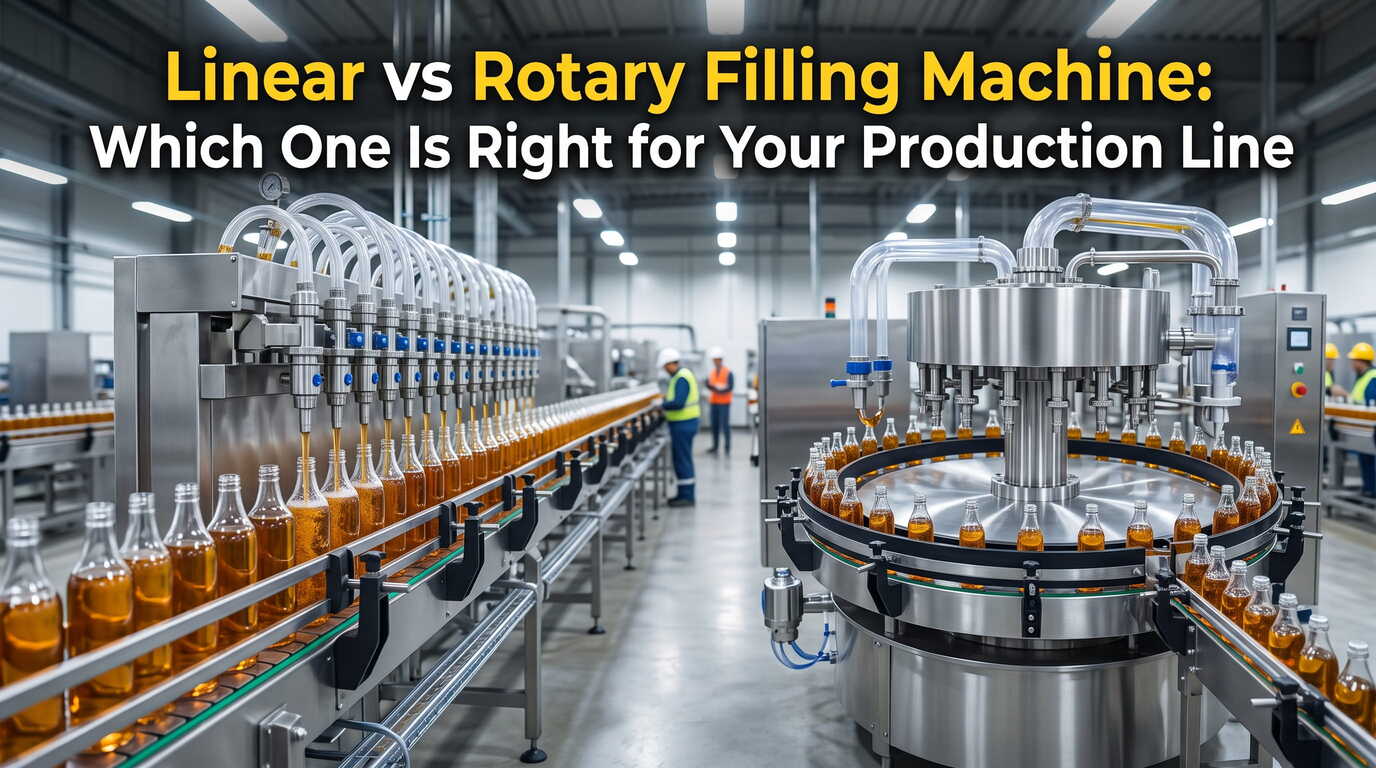
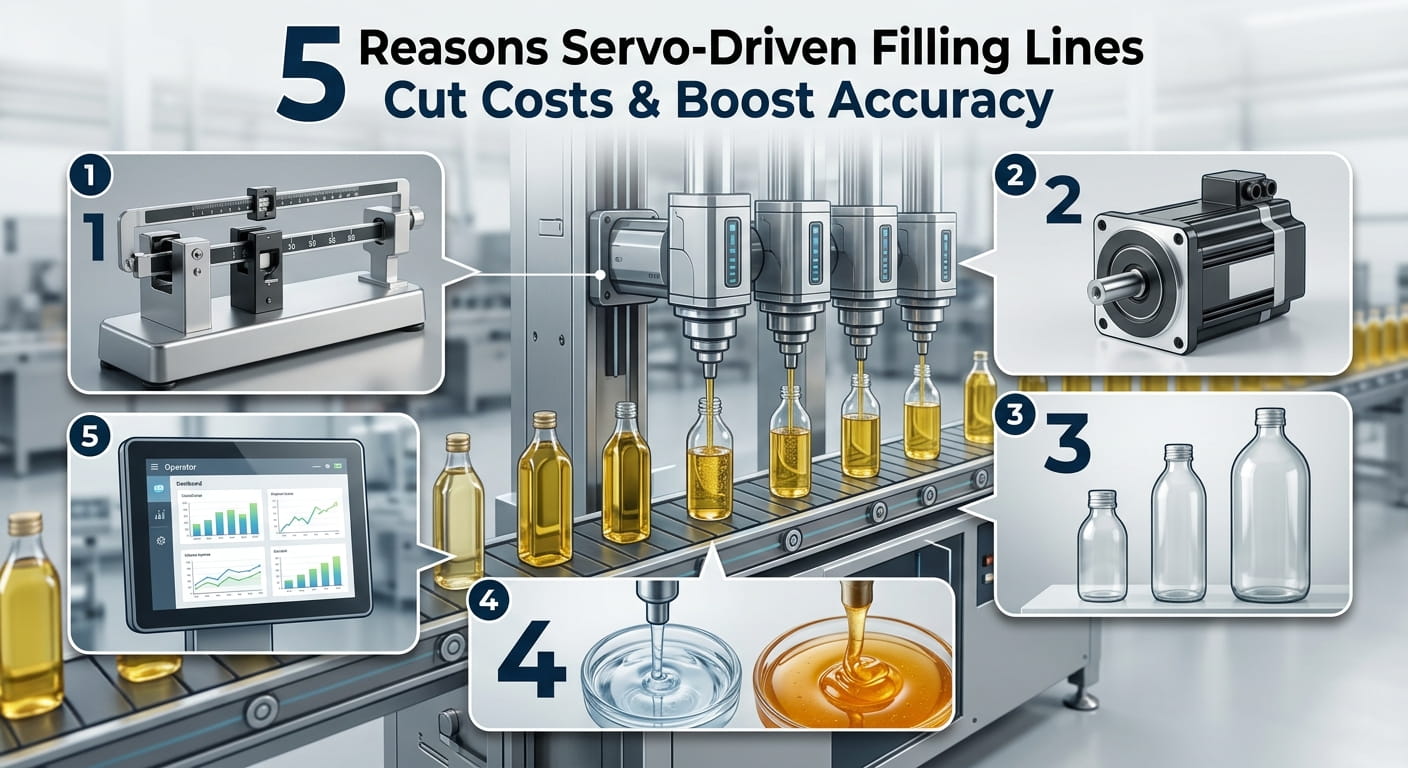
تأتي آلات التعبئة في تكوينات متنوعة، بما في ذلك الأنظمة شبه الآلية والآلية بالكامل. تعتبر آلات التعبئة الآلية بالكامل مثالية للإنتاج عالي الحجم، حيث يمكنها تعبئة الزجاجات وإغلاقها ووضع الملصقات عليها في نظام واحد متكامل. يمكن أن يؤدي الاستثمار في التكنولوجيا المتقدمة، مثل المستشعرات وأجهزة التحكم المنطقي القابلة للبرمجة (PLCs)، إلى تبسيط العمليات بشكل أكبر وتقليل الخطأ البشري.
حلول وضع الملصقات والتغليف
يعد وضع الملصقات جانباً لا يتجزأ من العلامة التجارية والتسويق في صناعة تعبئة المياه. تعد آلات وضع الملصقات الدقيقة التي توفر طباعة عالية الجودة وتطبيقاً لاصقاً ضرورياً لجذب المستهلكين. علاوة على ذلك، يجب أن تكون عملية التغليف فعالة لضمان نقل المنتجات وتخزينها بأمان. يمكن لحلول التغليف الثانوية، مثل التغليف بالانكماش الحراري (shrink wrapping) والتجميع على منصات نقالة (palletizing)، أن تعزز أيضاً حماية المنتج أثناء النقل.
أنظمة مراقبة الجودة
يعد تنفيذ أنظمة قوية لمراقبة الجودة أمراً حيوياً لضمان سلامة المنتج والامتثال التنظيمي. يمكن لأنظمة الفحص الآلي اكتشاف عيوب الزجاجات، وقياس مستويات التعبئة، ومراقبة عملية وضع الملصقات، مما يقلل من الهدر ويعزز جودة المنتج. يجب على الشركات أيضاً التفكير في إجراء عمليات تدقيق واختبارات منتظمة للحفاظ على معايير عالية.
أفضل الممارسات التشغيلية
بعيداً عن المعدات، يلعب العنصر البشري والممارسات التشغيلية أدواراً مهمة في نجاح خط تعبئة المياه. يمكن أن يساعد اتباع أفضل الممارسات الشركات على تحقيق الأداء الأمثل وبناء سمعة طيبة من حيث الموثوقية.
تدريب القوى العاملة
تعد القوى العاملة المدربة جيداً أمراً بالغ الأهمية لزيادة الإنتاجية. يجب أن يتلقى الموظفون تدريباً شاملاً على تشغيل المعدات، وبروتوكولات السلامة، وممارسات ضمان الجودة. يمكن لفرص التعليم المستمر أيضاً تعزيز الابتكار وتشجيع الموظفين على تنفيذ تحسينات في أرضية الإنتاج.
بروتوكولات الصيانة
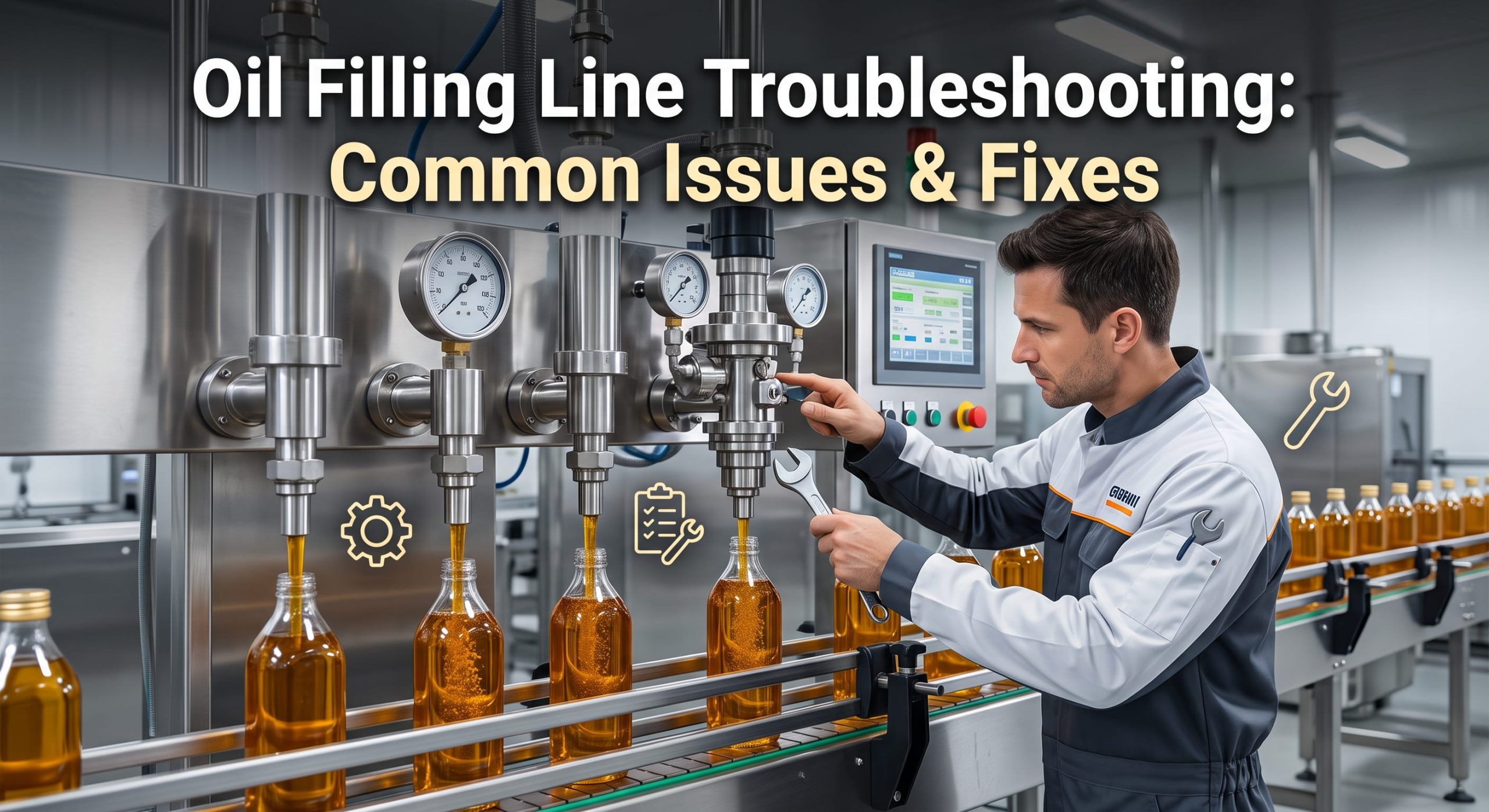
يمكن للصيانة الروتينية للآلات أن تمنع التوقف المكلف عن العمل وتطيل عمر المعدات. يجب على الشركات تنفيذ جدول صيانة وقائية يتضمن عمليات التفتيش المنتظمة، والتنظيف، والاستبدال في الوقت المناسب للأجزاء البالية. يعد الاحتفاظ بسجلات صيانة مفصلة أمراً ضرورياً أيضاً لتحليل أداء المعدات واتخاذ قرارات مبنية على البيانات.
الاعتبارات البيئية
يشعر المستهلكون المعاصرون بقلق متزايد بشأن الاستدامة. يجب على شركات تعبئة المياه معالجة الاعتبارات البيئية من خلال تقليل الهدر واعتماد ممارسات صديقة للبيئة. يمكن أن يؤدي استخدام مواد تغليف قابلة لإعادة التدوير وتنفيذ تدابير الحفاظ على المياه إلى تعزيز صورة الشركة بشكل كبير وجذب المستهلكين المهتمين بالبيئة.
اتجاهات السوق وتفضيلات المستهلك
يعد البقاء على اطلاع باتجاهات السوق وتفضيلات المستهلكين أمراً بالغ الأهمية للنجاح في صناعة تعبئة المياه. يمكن أن يساعد فهم هذه الديناميكيات في توجيه تطوير المنتجات واستراتيجيات التسويق.
التركيز على الصحة والعافية
مع التركيز المتزايد على الصحة والعافية، يتجه المستهلكون نحو منتجات المياه المعبأة التي تقدم فوائد وظيفية. اكتسبت المياه المنكهة، والمشروبات المعززة بالكهرباء، والمياه القلوية شعبية كبيرة. يجب على الشركات التفكير في تنويع خطوط إنتاجها لتلبية هذه الاتجاهات مع الحفاظ على العروض الأساسية.
شفافية العلامة التجارية والممارسات الأخلاقية
يقدر مستهلكو اليوم الشفافية والممارسات الأخلاقية من العلامات التجارية التي يدعمونها. يجب على شركات تعبئة المياه إعطاء الأولوية للشفافية في المصادر، وطرق التنقية، والأثر البيئي. يمكن أن يؤدي التفاعل مع المستهلكين من خلال حملات تسويقية تسلط الضوء على الممارسات المستدامة إلى تعزيز ولاء العلامة التجارية وتمييز المنتجات في سوق مزدحم.
الخلاصة: تأمين مستقبل خط تعبئة المياه الخاص بك
يتطلب تحسين خط تعبئة المياه نهجاً استراتيجياً يشمل اختيار المعدات، وأفضل الممارسات التشغيلية، وفهماً لاتجاهات السوق. من خلال الاستثمار في التكنولوجيا المتقدمة، وتدريب قوى عاملة قادرة، وضمان رقابة صارمة على الجودة، والبقاء مستجيبين لتفضيلات المستهلكين، يمكن لشركات تعبئة المياه أن تزدهر في مشهد تنافسي متزايد. مع استمرار تطور السوق، يجب على الشركات أن تظل مرنة، وتتكيف مع التغييرات مع الحفاظ على التزام ثابت بالجودة والاستدامة لتحقيق النجاح على المدى الطويل.