
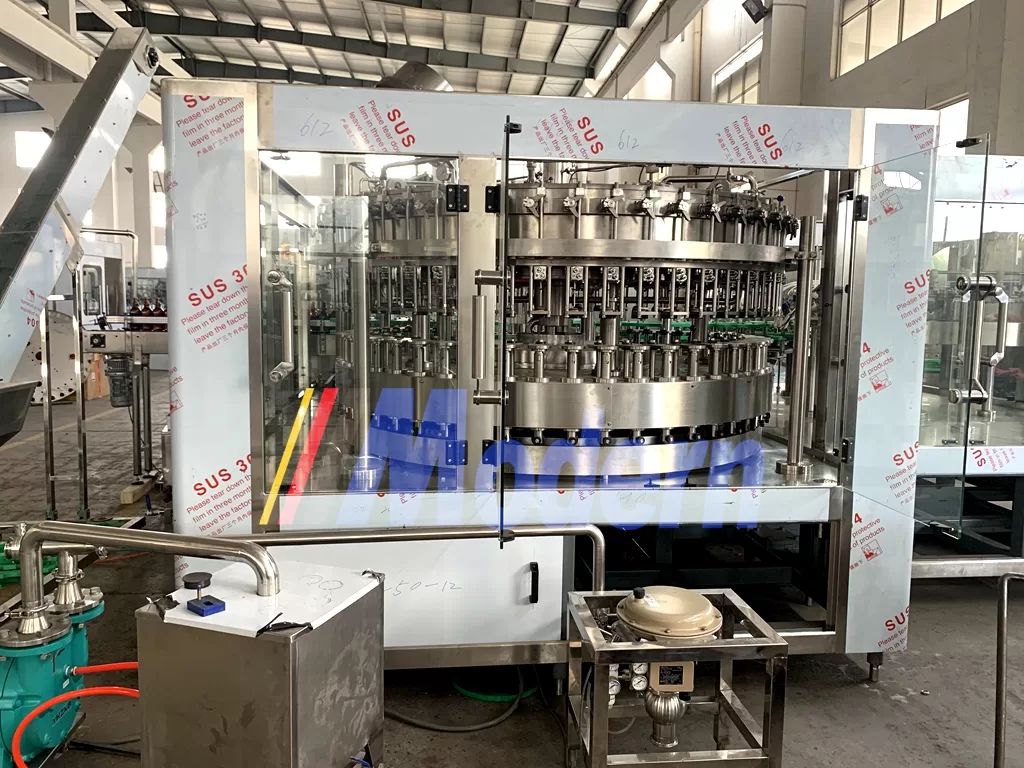
تلعب آلات تعبئة وتغليف البيرة دوراً حاسماً في ضمان جودة وسلامة المنتج النهائي. ويعد الحفاظ على معايير نظافة عالية في هذه الآلات أمراً بالغ الأهمية لمنع التلوث، والحفاظ على نكهة البيرة، والامتثال للمتطلبات التنظيمية. في هذا الدليل الشامل، سنتعمق في أهمية معايير النظافة في آلات تعبئة وتغليف البيرة، وسنقدم نصائح عملية حول كيفية الحفاظ على بيئة إنتاج نظيفة ومعقمة.
أهمية النظافة في إنتاج البيرة
البيرة منتج سريع التلف وعرضة للتلوث بالكائنات الحية الدقيقة، مثل البكتيريا وسلالات الخميرة البرية. لذا، فإن الحفاظ على معايير نظافة صارمة طوال عملية الإنتاج أمر ضروري لمنع التلف، وتغير النكهات، والمخاطر الصحية المحتملة على المستهلكين. وفي سياق آلات تعبئة وتغليف البيرة، تعد ممارسات النظافة السليمة أمراً حيوياً لضمان سلامة المنتج النهائي.
اعتبارات النظافة الرئيسية لآلات تعبئة وتغليف البيرة
1. التنظيف والتعقيم: يعد التنظيف والتعقيم الشامل لآلات تعبئة وتغليف البيرة أساس الحفاظ على معايير نظافة عالية. استخدم عوامل وبروتوكولات تنظيف معتمدة في الصناعة للقضاء على أي بقايا أو أغشية حيوية أو كائنات دقيقة قد تضر بجودة المنتج.
2. الصيانة الدورية: نفذ جدول صيانة استباقي لضمان أن جميع مكونات الآلات في حالة مثالية. فالفحص المنتظم واستبدال الأجزاء البالية يمكن أن يمنع مشاكل التلوث وتعطل المعدات.
3. فصل المناطق النظيفة عن غير النظيفة: أنشئ مناطق واضحة للعمليات النظيفة وغير النظيفة داخل منشأة الإنتاج. يساعد هذا الفصل في منع التلوث المتبادل والحفاظ على بيئة عمل صحية.
أفضل الممارسات لإنتاج البيرة بشكل صحي
1. التدريب والتعليم: قدم تدريباً شاملاً للموظفين حول ممارسات النظافة السليمة، بما في ذلك التنظيف والتعقيم والنظافة الشخصية. يمكن للجلسات التعليمية المنتظمة تعزيز ثقافة النظافة والمسؤولية.
2. استخدام مواد مخصصة للأغذية: تأكد من أن جميع المكونات التي تلامس البيرة أثناء عملية التعبئة والتغليف مصنوعة من مواد مخصصة للأغذية. وهذا يقلل من خطر التسرب الكيميائي وتلوث المواد الغريبة.
3. المراقبة والتوثيق: نفذ إجراءات مراقبة صارمة لتتبع نظافة وأداء آلات تعبئة وتغليف البيرة. احتفظ بسجلات مفصلة لأنشطة التنظيف، وفحوصات الصيانة، وأي انحرافات عن إجراءات التشغيل القياسية.
ضمان الامتثال للمعايير التنظيمية
لدى الهيئات التنظيمية، مثل إدارة الغذاء والدواء (FDA) والسلطات الصحية المحلية، متطلبات صارمة لمنشآت إنتاج الأغذية والمشروبات، بما في ذلك مصانع البيرة. إن الالتزام بهذه المعايير أمر غير قابل للتفاوض ويمكن أن يساعد في تجنب الغرامات المكلفة، وعمليات سحب المنتجات، والإضرار بسمعة العلامة التجارية.
الخلاصة
إن الحفاظ على معايير نظافة عالية في آلات تعبئة وتغليف البيرة أمر ضروري لضمان جودة المنتج وسلامته والامتثال للمتطلبات التنظيمية. ومن خلال اتباع أفضل الممارسات، وتنفيذ بروتوكولات تنظيف قوية، وتعزيز ثقافة النظافة داخل منشأة الإنتاج، يمكن لمصانع البيرة إنتاج بيرة عالية الجودة تلبي توقعات المستهلكين ومعايير الصناعة.


