
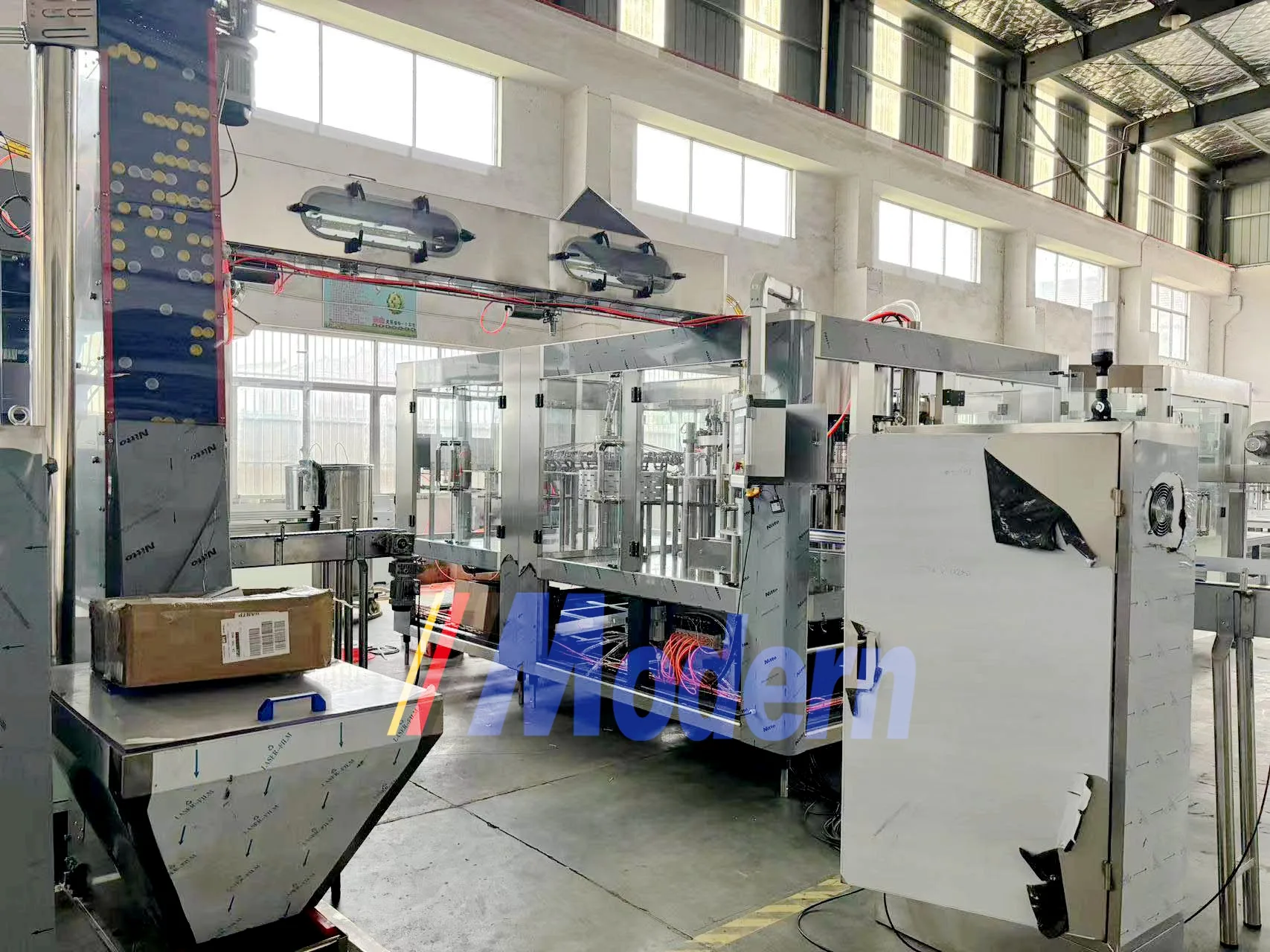
مقدمة
في عالم التصنيع والإنتاج سريع الخطى، يمكن أن يكون لوقت التوقف عن العمل تأثير كبير على أرباح الشركة. فكل دقيقة من وقت التوقف غير المخطط له يمكن أن تؤدي إلى فقدان الإنتاجية، وضياع المواعيد النهائية، وزيادة التكاليف. ولمنع مثل هذه الاضطرابات، تتجه الشركات بشكل متزايد إلى استراتيجيات الصيانة الوقائية للحفاظ على سير خطوط إنتاجها بسلاسة وكفاءة.
فوائد الصيانة الوقائية
يمكن أن يوفر تنفيذ برنامج الصيانة الوقائية العديد من المزايا لشركات التصنيع. فمن خلال معالجة مشكلات المعدات بشكل استباقي قبل تفاقمها، يمكن للشركات تقليل وقت التوقف غير المخطط له، وإطالة عمر الآلات، وتحسين السلامة، وخفض تكاليف الصيانة الإجمالية. بالإضافة إلى ذلك، يمكن للصيانة الوقائية تعزيز جودة المنتج واتساقه، مما يؤدي إلى زيادة رضا العملاء وولائهم.
أنواع الصيانة الوقائية
هناك نوعان رئيسيان للصيانة الوقائية: الصيانة القائمة على الوقت والصيانة القائمة على الحالة. تتضمن الصيانة القائمة على الوقت إجراء عمليات فحص وخدمة دورية في فترات زمنية محددة مسبقاً، بغض النظر عن حالة المعدات. أما الصيانة القائمة على الحالة، فتعتمد على البيانات والمراقبة في الوقت الفعلي لاكتشاف المشكلات المحتملة وجدولة الصيانة حسب الحاجة.
التطبيقات في سيناريوهات واقعية
تُستخدم الصيانة الوقائية على نطاق واسع في مختلف الصناعات، بما في ذلك السيارات، والإلكترونيات، وتصنيع الأغذية، وغيرها. على سبيل المثال، في قطاع السيارات، يمكن لعمليات الفحص والخدمة الدورية لمعدات خط التجميع منع الأعطال وضمان سير الإنتاج بسلاسة. وبالمثل، في صناعة الأغذية، يمكن أن تساعد الصيانة الوقائية للآلات في تلبية معايير النظافة والجودة الصارمة.
أفضل الممارسات للصيانة الوقائية
لتحقيق أقصى قدر من فعالية الصيانة الوقائية في خطوط الإنتاج، يجب على الشركات الالتزام بأفضل الممارسات التالية:
- تطوير جدول صيانة شامل بناءً على توصيات الشركة المصنعة ومعايير الصناعة.
- تنفيذ نظام تتبع موثوق لتسجيل أنشطة الصيانة ومراقبة أداء المعدات.
- تدريب الموظفين على إجراءات الصيانة الصحيحة والتأكد من حصولهم على الأدوات والموارد اللازمة.
- مراجعة وتحديث إجراءات الصيانة بانتظام للتكيف مع الاحتياجات التشغيلية المتغيرة والتقدم التكنولوجي.
- التعاون مع موردي المعدات وخبراء الصيانة للبقاء على اطلاع بأفضل الممارسات واتجاهات الصناعة.
رؤى واتجاهات الصناعة
يُحدث اعتماد تقنيات الصيانة التنبؤية، مثل مستشعرات إنترنت الأشياء (IoT) والتحليلات التنبؤية، ثورة في الطريقة التي تتعامل بها الشركات مع الصيانة. فمن خلال الاستفادة من البيانات في الوقت الفعلي وخوارزميات التعلم الآلي، يمكن للشركات التنبؤ بأعطال المعدات قبل وقوعها، وتحسين جداول الصيانة، وتقليل وقت التوقف عن العمل بشكل أكبر.
التحديات والحلول
على الرغم من فوائد الصيانة الوقائية، قد تواجه الشركات تحديات مثل تكاليف التنفيذ الأولية، ووقت التوقف أثناء الصيانة المجدولة، ومقاومة التغيير من قبل الموظفين. وللتغلب على هذه التحديات، يمكن للشركات إدخال إجراءات الصيانة الوقائية تدريجياً، وإعطاء الأولوية للمعدات الحيوية، وتوفير التدريب والحوافز لتشجيع الموظفين على تبني هذه الممارسات.
الاستدامة والتوقعات المستقبلية
بالإضافة إلى فوائدها التشغيلية، تساهم الصيانة الوقائية أيضاً في الاستدامة من خلال تقليل استهلاك الطاقة، وتقليل النفايات، وإطالة عمر المعدات. ومع استمرار قطاع التصنيع في إعطاء الأولوية للاستدامة والكفاءة، ستلعب الصيانة الوقائية دوراً حاسماً في تحقيق هذه الأهداف ودفع عجلة الابتكار في عمليات الإنتاج.
من خلال تنفيذ برنامج استراتيجي للصيانة الوقائية، يمكن للشركات تعزيز الموثوقية والإنتاجية والربحية في خطوط إنتاجها مع البقاء في صدارة المنافسة في مشهد السوق التنافسي اليوم. إن إعطاء الأولوية لتدابير الصيانة الاستباقية لا يقلل من وقت التوقف عن العمل فحسب، بل يعزز أيضاً ثقافة التحسين المستمر والتميز التشغيلي.
في الختام، تعد الصيانة الوقائية حجر الزاوية لعمليات الإنتاج الفعالة، حيث تقدم مجموعة من المزايا التي تفوق بكثير الاستثمار الأولي. ومن خلال تبني نهج استباقي لصيانة المعدات وتنفيذ أفضل الممارسات، يمكن للشركات تخفيف المخاطر، وتعزيز الإنتاجية، وضمان النجاح على المدى الطويل في عالم التصنيع الديناميكي.


