
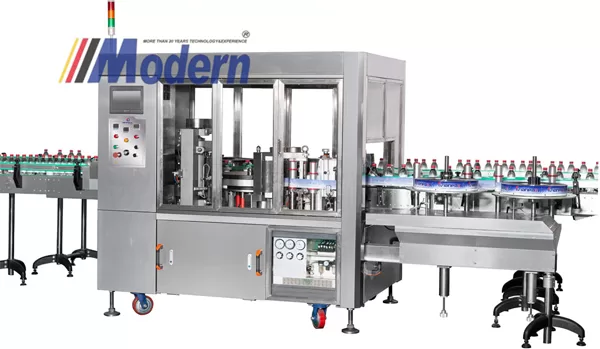
برزت التعبئة والتغليف الذكية كحل ثوري لمكافحة الهدر المفرط للمواد في مختلف الصناعات. لا تكتفي هذه التكنولوجيا المبتكرة بتعزيز حماية المنتج ورؤيته فحسب، بل تساهم بشكل كبير في جهود الاستدامة من خلال تقليل الأثر البيئي. في هذا المقال، نتعمق في الجوانب المختلفة لكيفية تقليل التعبئة والتغليف الذكية لهدر المواد وتداعيات ذلك عبر مختلف القطاعات.
نظرة عامة
في المشهد العالمي الحالي، حيث تتصدر المخاوف البيئية وأهداف الاستدامة استراتيجيات الأعمال، أصبح دور التعبئة والتغليف الذكية في تقليل هدر المواد أكثر أهمية من أي وقت مضى. تشير التعبئة والتغليف الذكية إلى دمج التقنيات الرقمية في مواد التعبئة التقليدية لتعزيز الوظائف وتحسين الاستدامة.
فوائد التغليف الذكي
يوفر اعتماد التعبئة والتغليف الذكية عددًا لا يحصى من الفوائد للشركات والمستهلكين على حد سواء. فمن خلال دمج ميزات مثل المستشعرات، وعلامات تحديد الهوية بموجات الراديو (RFID)، وأنظمة تتبع البيانات، تسهل التعبئة الذكية إدارة أفضل للمخزون، وتقلل من تلف المنتجات، وتحد من التغليف الزائد، وتعزز كفاءة سلسلة التوريد. لا تؤدي هذه التطورات إلى توفير التكاليف فحسب، بل تعزز أيضًا الإشراف البيئي من خلال تقليل هدر المواد.
مزايا للشركات
بالنسبة للشركات، توفر التعبئة والتغليف الذكية رؤى قيمة حول سلوك المستهلك، وأداء المنتج، وتحسين سلسلة التوريد. ومن خلال الاستفادة من تحليلات البيانات في الوقت الفعلي وقنوات التواصل المخصصة، يمكن للشركات اتخاذ قرارات مستنيرة تدفع نمو الإيرادات مع تقليل بصمتها البيئية.
مزايا للمستهلكين
يستفيد المستهلكون من التعبئة والتغليف الذكية من خلال تحسين رؤية المنتج، وتدابير السلامة المعززة، وتجارب المستخدم السلسة. تعمل ميزات مثل عناصر التغليف التفاعلية، وإشعارات تاريخ انتهاء الصلاحية، وأدوات التحقق من صحة المنتج على تعزيز ثقة المستهلك وتشجيع ممارسات الاستهلاك المستدام.
أنواع التغليف الذكي
تأتي حلول التعبئة والتغليف الذكية بأشكال متنوعة، كل منها مصمم خصيصًا لمتطلبات صناعية محددة وخصائص المنتج. التعبئة النشطة، والتعبئة الذكية، والتعبئة ذات الغلاف الجوي المعدل هي بعض الأنواع الشائعة التي تستفيد من تقنيات مثل مستشعرات إنترنت الأشياء (IoT)، ورموز الاستجابة السريعة (QR)، وتكنولوجيا النانو لتعزيز وظائف التعبئة وتقليل هدر المواد.
التعبئة النشطة
تدمج أنظمة التعبئة النشطة مكونات وظيفية مثل ممتصات الأكسجين، وممتصات الرطوبة، والعوامل المضادة للميكروبات لإطالة العمر الافتراضي للسلع القابلة للتلف. من خلال التفاعل النشط مع المنتج المعبأ، تساعد هذه الأنظمة في الحفاظ على جودة المنتج وتقليل الحاجة إلى مواد تغليف مفرطة.
التعبئة الذكية
تدمج حلول التعبئة الذكية عناصر رقمية مثل علامات NFC، ومستشعرات درجة الحرارة، وملصقات RFID لتوفير معلومات في الوقت الفعلي حول نضارة المنتج، وأصالته، وظروف تخزينه. تتيح هذه التكنولوجيا شفافية سلسلة التوريد وتمكن المستهلكين من اتخاذ قرارات شراء مستنيرة، مما يقلل في النهاية من الهدر ويعزز الاستدامة.
تطبيقات التعبئة والتغليف الذكية
تمتد مرونة التعبئة والتغليف الذكية عبر مختلف الصناعات، بما في ذلك الأغذية والمشروبات، والأدوية، والإلكترونيات، والخدمات اللوجستية. من اللقاحات الحساسة لدرجة الحرارة إلى الإلكترونيات الهشة، تلبي حلول التعبئة الذكية مجموعة واسعة من متطلبات المنتج من خلال ضمان الحماية المثلى، وإمكانية التتبع، والاستدامة طوال سلسلة التوريد.
صناعة الأغذية والمشروبات
في قطاع الأغذية والمشروبات، تلعب التعبئة الذكية دورًا حاسمًا في الحفاظ على جودة المنتج، ومنع التلوث، وتقليل هدر الطعام. تتيح تقنيات مثل مؤشرات النضارة، والأختام الواضحة للعبث، ومسح رموز QR للمستهلكين اتخاذ خيارات مستنيرة وتقليل الأثر البيئي لمواد التعبئة.
صناعة الأدوية
تركز حلول التعبئة الذكية في صناعة الأدوية على ضمان سلامة المنتج، والامتثال للمعايير التنظيمية، وسلامة المرضى. تساعد ميزات مثل مراقبة درجة الحرارة، وتدابير مكافحة التزييف، والأختام المقاومة للعبث شركات الأدوية على تبسيط العمليات، وتخفيف المخاطر، وتعزيز ثقة المرضى.
رؤى تقنية وتفاصيل تشغيلية
تتضمن الجوانب التقنية للتعبئة الذكية دمج المستشعرات، والمشغلات، وواجهات الاتصال داخل مواد التعبئة. تتيح هذه المكونات جمع البيانات في الوقت الفعلي، والمراقبة البيئية، والوظائف التفاعلية التي تعزز رؤية المنتج وكفاءته طوال سلسلة التوريد.
المواصفات الرئيسية
تشمل بعض المواصفات الرئيسية التي يجب مراعاتها عند اعتماد حلول التعبئة الذكية التوافق مع تنسيقات التعبئة الحالية، وقابلية التوسع للإنتاج الضخم، وكفاءة الطاقة لتقنيات الاستشعار، وبروتوكولات أمن البيانات لحماية المعلومات الحساسة.
أفضل الممارسات ونصائح الصيانة
لتحقيق أقصى قدر من فوائد التعبئة الذكية وتقليل هدر المواد بفعالية، يمكن للشركات تنفيذ أفضل الممارسات التالية:
- الاستثمار في مواد تعبئة مستدامة قابلة لإعادة التدوير أو التحلل الحيوي
- إجراء مراقبة منتظمة لأداء التعبئة والأثر البيئي
- تنفيذ أدوات تحليل بيانات ذكية لتحسين كفاءة التعبئة
- التعاون مع شركاء سلسلة التوريد لتبسيط عمليات التعبئة وتقليل التكرار
اتجاهات السوق ورؤى الصناعة
يتم دفع تطور التعبئة والتغليف الذكية من خلال التقدم التكنولوجي المستمر، والتغيرات التنظيمية، وتغير تفضيلات المستهلكين نحو المنتجات المستدامة. تستمر اتجاهات مثل صعود التجارة الإلكترونية، والطلب على إمكانية التتبع في سلاسل التوريد، والتركيز على مبادئ الاقتصاد الدائري في تشكيل مستقبل حلول التعبئة الذكية عبر الصناعات.
الاستدامة والتوقعات المستقبلية
بينما نتحرك نحو اقتصاد أكثر استدامة ودائرية، ستلعب التعبئة والتغليف الذكية دورًا محوريًا في تقليل هدر المواد، وخفض البصمة الكربونية، وتعزيز كفاءة الموارد. من خلال تبني تقنيات مبتكرة، وشراكات تعاونية، وحلول قائمة على البيانات، يمكن للشركات مواءمة استراتيجيات التعبئة الخاصة بها مع الأهداف البيئية وضمان مستقبل عملياتها.
في الختام، يوفر دمج تقنيات التعبئة والتغليف الذكية حلاً تحويليًا لتقليل هدر المواد، وتحسين الاستدامة، وتعزيز قيمة المنتج عبر الصناعات. من خلال تبني هذه الابتكارات واعتماد أفضل الممارسات، يمكن للشركات أن تضع نفسها كرواد في الإشراف البيئي مع تلبية المتطلبات المتطورة للمستهلكين والجهات التنظيمية في سوق عالمية سريعة التغير.


