
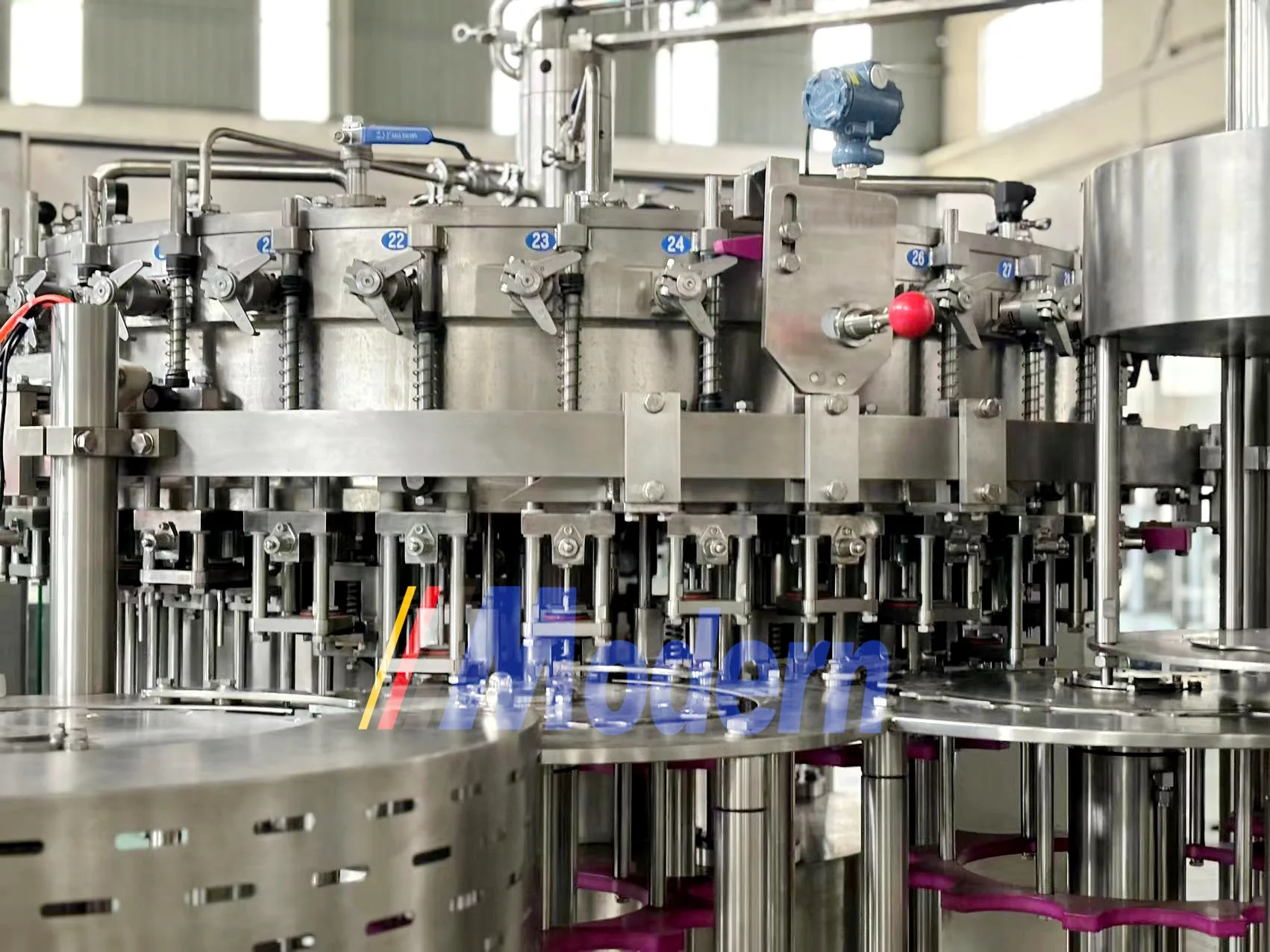
في بيئة التصنيع سريعة الخطى اليوم، تعد كفاءة عمليات الإنتاج أمراً بالغ الأهمية للشركات للحفاظ على قدرتها التنافسية وتلبية طلب المستهلكين. تلعب آلات تعبئة المشروبات الغازية دوراً حيوياً في تعزيز كفاءة الإنتاج لمصنعي المشروبات في جميع أنحاء العالم. في هذا الدليل الشامل، نتعمق في الجوانب المختلفة لكيفية تبسيط آلات تعبئة المشروبات الغازية للعمليات، وزيادة الإنتاج، وتعزيز الإنتاجية الإجمالية.
نظرة عامة وسياق الصناعة
آلات تعبئة المشروبات الغازية هي معدات متطورة مصممة لأتمتة تعبئة المشروبات في الزجاجات أو الحاويات بدقة وسرعة. تُستخدم هذه الآلات على نطاق واسع في صناعة المشروبات، بما في ذلك المشروبات الغازية، والمياه الفوارة، ومشروبات الطاقة، وغيرها. يعد التشغيل الفعال لآلات التعبئة أمراً ضرورياً لتلبية أحجام الإنتاج العالية مع الحفاظ على جودة المنتج واتساقه.
فوائد استخدام آلات تعبئة المشروبات الغازية
1. سرعة إنتاج معززة: آلات تعبئة المشروبات الغازية قادرة على تعبئة عدد كبير من الزجاجات أو العلب في الدقيقة، مما يزيد من مخرجات الإنتاج بشكل كبير.
2. دقة واتساق محسنان: تضمن هذه الآلات مستويات تعبئة دقيقة، مما يقلل من هدر المنتج ويعزز مراقبة الجودة.
3. توفير العمالة: من خلال أتمتة عملية التعبئة، يمكن للشركات تقليل تكاليف العمالة وإعادة تخصيص الموارد لمجالات إنتاج حيوية أخرى.
4. تعدد الاستخدامات: يمكن لآلات تعبئة المشروبات الغازية استيعاب أحجام وأشكال مختلفة من الزجاجات، مما يوفر مرونة في الإنتاج.
أنواع وفئات آلات تعبئة المشروبات الغازية
هناك عدة أنواع من آلات تعبئة المشروبات الغازية المتاحة في السوق، بما في ذلك:
- آلات التعبئة بالجاذبية
- آلات التعبئة بالضغط
- آلات التعبئة بالتفريغ (Vacuum Fillers)
- آلات التعبئة متساوية الضغط
لكل نوع مبادئ تشغيل فريدة وهو مناسب لمتطلبات إنتاج وأنواع مشروبات مختلفة.
التطبيقات وحالات الاستخدام
تُستخدم آلات تعبئة المشروبات الغازية في مجموعة واسعة من التطبيقات، بما في ذلك:
- خطوط إنتاج المشروبات الغازية
- محطات تعبئة المياه الفوارة
- منشآت تصنيع مشروبات الطاقة
تلعب هذه الآلات دوراً حاسماً في ضمان التعبئة الفعالة والدقيقة للمشروبات الغازية للتوزيع التجاري.
التفاصيل التقنية والميزات التشغيلية
تشمل المواصفات الفنية الرئيسية والميزات التشغيلية لآلات تعبئة المشروبات الغازية ما يلي:
- سرعة وسعة التعبئة
- آليات مناولة الزجاجات
- أنظمة التحكم في ضغط ثاني أكسيد الكربون
- وظائف السد والإغلاق التلقائي
يعد فهم هذه الجوانب الفنية أمراً ضرورياً لتحسين أداء آلات التعبئة في بيئة الإنتاج.
أفضل الممارسات ونصائح الصيانة
لضمان طول عمر وكفاءة آلات تعبئة المشروبات الغازية، يجب على المصنعين اتباع أفضل الممارسات التالية:
- التنظيف والتعقيم الدوري
- معايرة مستويات التعبئة
- فحوصات الصيانة الدورية
- تدريب المشغلين على تشغيل الآلة
من خلال الالتزام بهذه الممارسات، يمكن للشركات زيادة عمر وأداء آلات التعبئة الخاصة بها.
اتجاهات السوق والرؤى
تشهد صناعة المشروبات ابتكارات في آلات تعبئة المشروبات الغازية، بما في ذلك:
- دمج تقنية إنترنت الأشياء (IoT) للمراقبة والتحكم عن بعد
- تحسينات الكفاءة من خلال الأتمتة والروبوتات
- مبادرات الاستدامة لتقليل الأثر البيئي
يمكن أن يساعد البقاء على اطلاع بهذه الاتجاهات الشركات على اتخاذ قرارات مستنيرة عند الاستثمار في تكنولوجيا آلات التعبئة.
التحديات والحلول
تشمل التحديات الشائعة التي تواجه تشغيل آلات تعبئة المشروبات الغازية ما يلي:
- كسر الزجاجات أثناء التعبئة
- عدم اتساق مستويات التعبئة
- توقف الصيانة الذي يؤثر على جداول الإنتاج
يمكن أن يساعد تنفيذ استراتيجيات الصيانة الوقائية وتدريب المشغلين في معالجة هذه التحديات بفعالية.
الاستدامة والتوقعات المستقبلية
مع تزايد التركيز على الاستدامة في الصناعة، تتطور آلات تعبئة المشروبات الغازية لتشمل ميزات صديقة للبيئة مثل التشغيل الموفر للطاقة، وتقليل استهلاك المياه، والمواد القابلة لإعادة التدوير. تتماشى التوقعات المستقبلية لهذه الآلات مع التوجه نحو زيادة الاستدامة والكفاءة في إنتاج المشروبات.
في الختام، تلعب آلات تعبئة المشروبات الغازية دوراً محورياً في تعزيز كفاءة الإنتاج، وتبسيط العمليات، ودفع الإنتاجية الإجمالية لمصنعي المشروبات. من خلال الاستثمار في التكنولوجيا المناسبة، يمكن للشركات زيادة مخرجاتها، وتقليل التكاليف، والبقاء في المقدمة في مشهد سوق تنافسي.


