
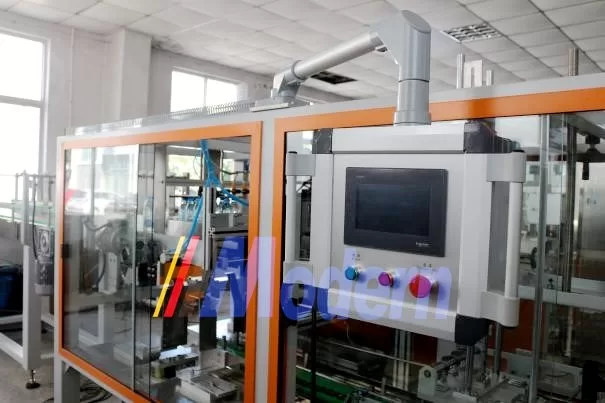
نظرة عامة
في عالم التغليف الديناميكي، تعد الكفاءة مفتاح النجاح. لقد أحدثت آلات تعبئة الصناديق الأوتوماتيكية ثورة في طريقة تعبئة البضائع، حيث توفر سرعة ودقة وموثوقية لا مثيل لها. يتعمق هذا المقال في الفوائد العديدة لاستخدام آلات تعبئة الصناديق الأوتوماتيكية وكيفية تعزيزها لكفاءة التغليف عبر مختلف الصناعات.
فوائد آلات تعبئة الصناديق الأوتوماتيكية
تم تصميم آلات تعبئة الصناديق الأوتوماتيكية لتبسيط عملية التغليف، مما يوفر مزايا عديدة للشركات. ولعل تعزيز الكفاءة هو الفائدة الأهم، حيث يمكن لهذه الآلات التعامل مع كميات كبيرة من المنتجات بسرعة ودقة. وهذا يعزز الإنتاجية، ويقلل من تكاليف العمالة، ويقلل من الأخطاء، مما يؤدي إلى توفير كبير في الوقت والتكلفة للشركات.
المزايا
إلى جانب الكفاءة، توفر آلات تعبئة الصناديق الأوتوماتيكية مزايا أخرى مثل تحسين حماية المنتج أثناء التغليف، وجودة تغليف متسقة، والقدرة على التعامل مع مجموعة واسعة من أنواع وأحجام المنتجات. بالإضافة إلى ذلك، تتميز هذه الآلات بتعدد استخداماتها ويمكن دمجها بسهولة في خطوط التغليف الحالية، مما يجعلها أصلاً قيماً للشركات التي تتطلع إلى تحسين عملياتها.
أنواع آلات تعبئة الصناديق الأوتوماتيكية
تأتي آلات تعبئة الصناديق الأوتوماتيكية في أنواع وتكوينات مختلفة لتناسب احتياجات التغليف المتنوعة. تشمل الأنواع الشائعة آلات تعبئة الصناديق الرأسية، وآلات التعبئة من الجانب، وآلات التعبئة من الأعلى. يتميز كل نوع بخصائصه وفوائده الفريدة، مما يلبي متطلبات التغليف المحددة والقدرات الإنتاجية المطلوبة.
التنويعات
تم تجهيز بعض آلات تعبئة الصناديق الأوتوماتيكية بتقنيات متقدمة مثل الأذرع الروبوتية للتعامل الدقيق مع المنتجات ووضعها، بينما تتميز أخرى بأنظمة وضع ملصقات أو ترميز مدمجة لتعزيز التتبع. إن فهم التنويعات المختلفة المتاحة يمكن أن يساعد الشركات على اختيار الخيار الأنسب لعمليات التغليف الخاصة بها.
تطبيقات آلات تعبئة الصناديق الأوتوماتيكية
تجد آلات تعبئة الصناديق الأوتوماتيكية استخداماً واسع النطاق عبر مختلف الصناعات، بما في ذلك الأغذية والمشروبات، والأدوية، ومستحضرات التجميل، والسلع الاستهلاكية. تُستخدم هذه الآلات لتعبئة المنتجات في صناديق أو كرتونات بكفاءة، مما يضمن النقل الآمن والعرض الجذاب للعملاء النهائيين. تُظهر التطبيقات الواقعية تنوع وموثوقية آلات تعبئة الصناديق الأوتوماتيكية في سيناريوهات التغليف المتنوعة.
حالات الاستخدام
في صناعة الأغذية، تلعب آلات تعبئة الصناديق الأوتوماتيكية دوراً حاسماً في تعبئة السلع القابلة للتلف بسرعة ودقة، مما يطيل من العمر الافتراضي للمنتج ويحافظ على نضارته. وفي قطاع الأدوية، تضمن هذه الآلات تعبئة دقيقة وآمنة للأدوية، مع الالتزام بالمتطلبات التنظيمية الصارمة. إن فهم حالات الاستخدام المحددة يمكن أن يساعد الشركات على إدراك الإمكانات الكاملة لآلات تعبئة الصناديق الأوتوماتيكية في عملياتها.
التفاصيل التقنية والميزات التشغيلية
تعمل آلات تعبئة الصناديق الأوتوماتيكية بناءً على تقنيات متقدمة مثل محركات السيرفو، والمستشعرات، وأجهزة التحكم المنطقي القابلة للبرمجة (PLCs) لتحقيق عمليات تغليف دقيقة وفعالة. تشمل الميزات التشغيلية الرئيسية تجميع الصناديق أوتوماتيكياً، وتجميع المنتجات، وتعبئة الصناديق، وإغلاقها، وكلها مدمجة بسلاسة لتحسين كفاءة التغليف.
المواصفات الرئيسية
عند اختيار آلة تعبئة صناديق أوتوماتيكية، يجب مراعاة عوامل مثل السرعة، والتوافق مع حجم الصندوق، وسعة التحميل، وخيارات التخصيص لتتماشى مع متطلبات الإنتاج المحددة. يعد فهم المواصفات الفنية والتفاصيل التشغيلية لهذه الآلات أمراً بالغ الأهمية لتحقيق أقصى قدر من أدائها وفعاليتها.
أفضل الممارسات ونصائح الصيانة
لضمان الأداء الأمثل وطول عمر آلات تعبئة الصناديق الأوتوماتيكية، تعد الصيانة الدورية والاستخدام السليم أمراً ضرورياً. تشمل أفضل الممارسات إجراء عمليات فحص روتينية، وتنظيف المكونات بانتظام، ومعايرة الآلة حسب الحاجة. بالإضافة إلى ذلك، يمكن لتدريب المشغلين على التعامل السليم مع الآلة وإجراءات استكشاف الأخطاء وإصلاحها منع التوقف عن العمل وتعزيز الكفاءة التشغيلية.
نصائح الصيانة
يمكن لمهام الصيانة الروتينية مثل تشحيم الأجزاء المتحركة، والتحقق من التآكل، ومراقبة مؤشرات الأداء أن تطيل عمر آلات تعبئة الصناديق الأوتوماتيكية وتمنع الأعطال المكلفة. إن تنفيذ جدول صيانة وقائية والاحتفاظ بسجلات صيانة شاملة يمكن أن يساعد الشركات على استباق المشكلات المحتملة والحفاظ على ذروة الكفاءة.
اتجاهات السوق ورؤى الصناعة
تتطور صناعة التغليف بسرعة، مدفوعة بالتقدم في الأتمتة والاستدامة والرقمنة. تشير اتجاهات السوق إلى طلب متزايد على حلول التغليف الصديقة للبيئة وتقنيات التغليف الذكية التي تعزز تفاعل المستهلك. إن دمج هذه الاتجاهات في استراتيجيات التغليف يمكن أن يمنح الشركات ميزة تنافسية ويجعلها تتماشى مع ديناميكيات السوق المتطورة.
ابتكارات الصناعة
تعيد الابتكارات مثل آلات تعبئة الصناديق الأوتوماتيكية التي تدعم إنترنت الأشياء (IoT)، والتي توفر مراقبة في الوقت الفعلي وقدرات صيانة تنبؤية، تشكيل مشهد الصناعة. تكتسب مبادرات التغليف المستدام، مثل المواد القابلة للتحلل وحلول التغليف القابلة لإعادة الاستخدام، زخماً، مما يعكس تحولاً نحو ممارسات واعية بيئياً. إن مواكبة ابتكارات الصناعة يمكن أن يساعد الشركات على اتخاذ قرارات مستنيرة والبقاء في الطليعة.
التحديات والحلول
على الرغم من فوائدها العديدة، قد تواجه آلات تعبئة الصناديق الأوتوماتيكية تحديات مثل التوقف عن العمل، أو مشكلات الصيانة، أو مشكلات التوافق مع معدات التغليف الحالية. تتطلب معالجة هذه التحديات تدابير استباقية مثل الاستثمار في برامج تدريب المشغلين، والشراكة مع موردي معدات موثوقين، واعتماد استراتيجيات إنتاج مرنة لتحسين استخدام الآلات.
حلول عملية
يمكن أن يساعد تنفيذ برامج الصيانة التنبؤية، والاستفادة من تقنيات المراقبة عن بعد، وإجراء عمليات تدقيق أداء منتظمة الشركات على تخفيف التحديات الشائعة المرتبطة بآلات تعبئة الصناديق الأوتوماتيكية. إن التعاون مع خبراء الصناعة والبحث عن حلول مبتكرة مصممة خصيصاً للاحتياجات التشغيلية يمكن أن يعزز الكفاءة والفعالية الشاملة لعمليات التغليف.
الاستدامة والتوقعات المستقبلية
في عالم يزداد وعياً بالبيئة، تعد الاستدامة اعتباراً حاسماً في عمليات التغليف. تلعب آلات تعبئة الصناديق الأوتوماتيكية، بقدرتها على تحسين استخدام المواد، وتقليل النفايات، وتعزيز كفاءة الطاقة، دوراً مهماً في تعزيز ممارسات التغليف المستدام. وبالنظر إلى المستقبل، تتضمن التوقعات المستقبلية لآلات تعبئة الصناديق الأوتوماتيكية ابتكاراً مستمراً في حلول التغليف الصديقة للبيئة والتقنيات الرقمية لدفع الكفاءة والإشراف البيئي.
الأثر البيئي
من خلال أتمتة عمليات التغليف وتقليل هدر المواد، تساهم آلات تعبئة الصناديق الأوتوماتيكية في تقليل البصمة البيئية لعمليات التغليف. تعد الممارسات المستدامة مثل استخدام مواد قابلة لإعادة التدوير، وتحسين تصميمات التغليف لكفاءة الموارد، واعتماد تقنيات توفير الطاقة أمراً محورياً في تشكيل مستقبل أكثر استدامة لصناعة التغليف. إن تبني مبادرات الاستدامة لا يمكن أن يفيد البيئة فحسب، بل يعزز أيضاً سمعة العلامة التجارية وولاء العملاء.
الخلاصة
في الختام، تعد آلات تعبئة الصناديق الأوتوماتيكية أصولاً لا غنى عنها تعزز كفاءة التغليف، وتبسط العمليات، وتدفع عجلة توفير التكاليف للشركات عبر مختلف الصناعات. يعد فهم الفوائد والأنواع والتطبيقات والتفاصيل الفنية لآلات تعبئة الصناديق الأوتوماتيكية أمراً ضرورياً لتحقيق أقصى قدر من إمكاناتها. من خلال تبني أفضل الممارسات، والبقاء على اطلاع باتجاهات السوق، ومعالجة التحديات بشكل استباقي، وإعطاء الأولوية للاستدامة، يمكن للشركات الاستفادة من آلات تعبئة الصناديق الأوتوماتيكية لتحقيق كفاءة وتنافسية واستدامة أكبر في عمليات التغليف الخاصة بها.


