
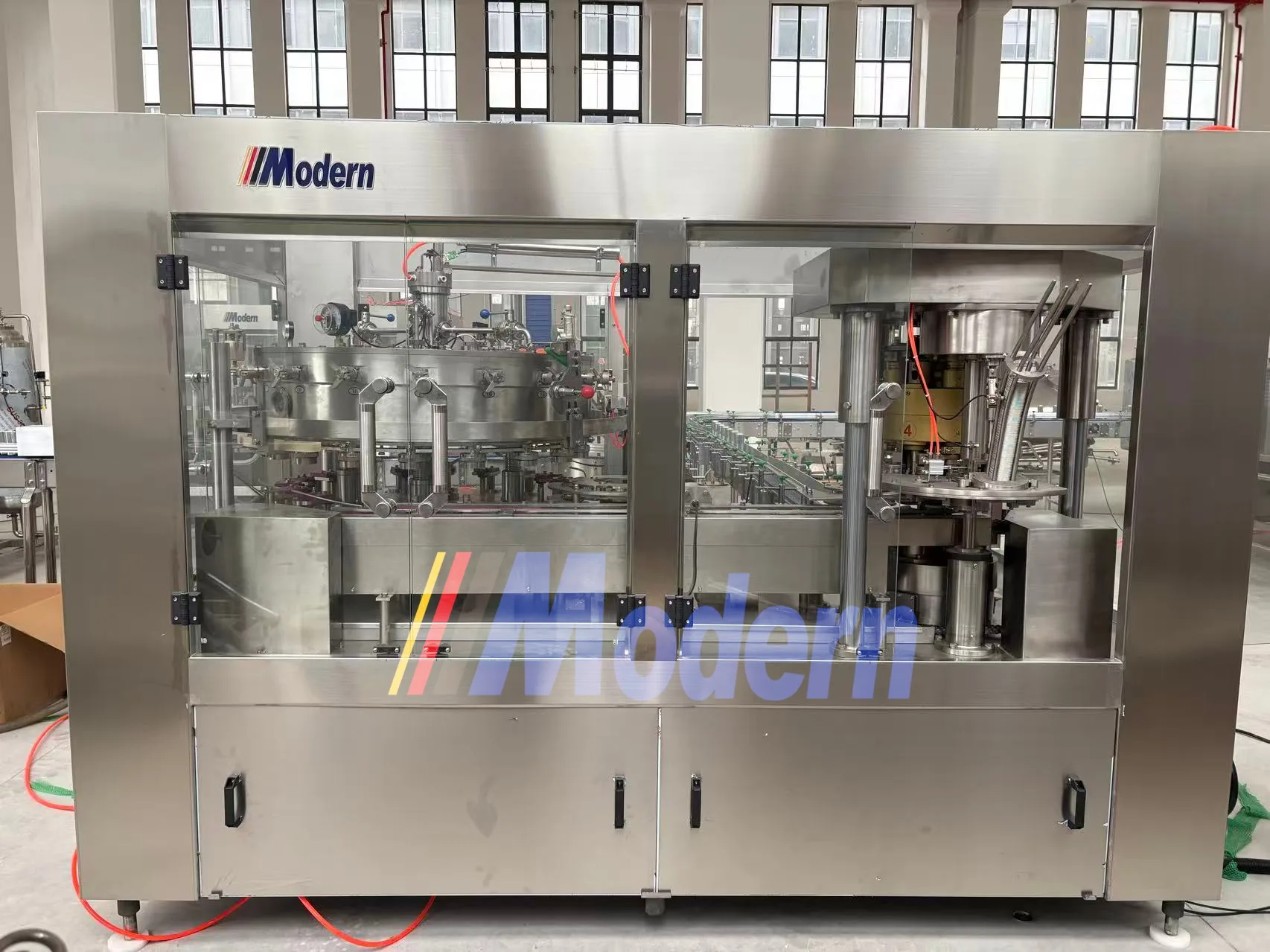
مقدمة
لقد أحدثت الأتمتة في إنتاج الغذاء ثورة في هذه الصناعة، لا سيما في تعزيز معايير سلامة الغذاء. أحد الجوانب الحاسمة التي تلعب فيها الخطوط المؤتمتة دوراً محورياً هو تقليل الخطأ البشري، وهو عامل شائع يساهم في حوادث سلامة الغذاء. في هذا المقال، نتعمق في أهمية الخطوط المؤتمتة في الحد من الخطأ البشري وتحسين بروتوكولات سلامة الغذاء بشكل عام.
فوائد الأتمتة في سلامة الغذاء
توفر الخطوط المؤتمتة مزايا عديدة عندما يتعلق الأمر بضمان سلامة الغذاء:
- الالتزام المستمر بمعايير الجودة
- تقليل الأخطاء البشرية في معالجة الأغذية
- تعزيز التتبع والمساءلة
- تحسين الكفاءة والإنتاجية
- تقليل مخاطر التلوث وعمليات الاستدعاء
أنواع الخطوط المؤتمتة
هناك أنواع مختلفة من الخطوط المؤتمتة المستخدمة في إنتاج الغذاء، مثل:
- الأذرع الروبوتية للمناولة والتعبئة الدقيقة
- أنظمة الفرز والفحص المؤتمتة
- آلات وضع الملصقات والختم المؤتمتة
التطبيقات في سيناريوهات واقعية
يتم استخدام الخطوط المؤتمتة في مجموعة واسعة من سيناريوهات معالجة الأغذية، بما في ذلك:
- مرافق الإنتاج واسعة النطاق
- مصانع معالجة اللحوم
- مصانع المخابز والحلويات
التفاصيل والميزات الفنية
تشمل الميزات الرئيسية للخطوط المؤتمتة التي تساعد في تقليل الخطأ البشري ما يلي:
- تكنولوجيا الاستشعار للكشف عن الشذوذ
- آليات مراقبة الجودة المؤتمتة
- دمج تحليلات البيانات للمراقبة في الوقت الفعلي
أفضل الممارسات لتنفيذ الخطوط المؤتمتة
عند دمج الخطوط المؤتمتة في معالجة الأغذية، من الضروري اتباع أفضل الممارسات التالية:
- الصيانة والمعايرة الدورية للمعدات
- تدريب الموظفين على تشغيل الأنظمة المؤتمتة
- تنفيذ بروتوكولات قوية لضمان الجودة
رؤى واتجاهات الصناعة
تشهد صناعة الأغذية توجهاً متزايداً نحو الأتمتة لتعزيز سلامة الغذاء وكفاءة الإنتاج. وتعمل الابتكارات مثل الأتمتة القائمة على الذكاء الاصطناعي وتكامل إنترنت الأشياء على تشكيل مستقبل معالجة الأغذية.
التحديات والحلول
على الرغم من فوائد الأتمتة، قد تنشأ تحديات مثل تكاليف الإعداد الأولية والتعقيدات التكنولوجية. ومع ذلك، فإن الاستثمار في التدريب والتحسين المستمر يمكن أن يعالج هذه التحديات بفعالية.
الاستدامة والتوقعات المستقبلية
لا تعمل الأتمتة على تحسين سلامة الغذاء فحسب، بل تساهم أيضاً في الاستدامة من خلال تقليل الهدر وتحسين استخدام الموارد. إن التوقعات المستقبلية للخطوط المؤتمتة في سلامة الغذاء واعدة، مع التركيز على الحلول الصديقة للبيئة وتعزيز الامتثال التنظيمي.
من خلال اعتماد الخطوط المؤتمتة، يمكن لمصنعي الأغذية تقليل هامش الخطأ في عملياتهم بشكل كبير، مما يضمن مستويات أعلى من سلامة الغذاء وثقة المستهلك.


