
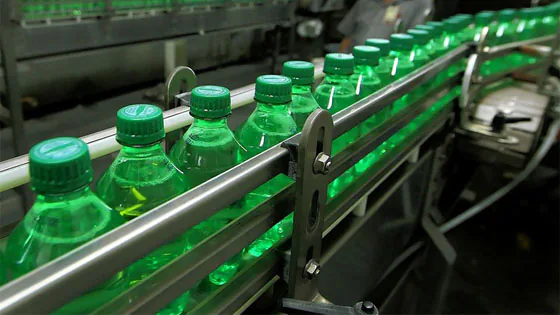
تعد المشروبات الغازية خياراً شائعاً في جميع أنحاء العالم، حيث تمثل الصودا جزءاً كبيراً من السوق. ومن المكونات الأساسية في إنتاج الصودا آلة كربنة المشروبات، التي تلعب دوراً حاسماً في منح الصودا قوامها الفوار المميز ومذاقها المنعش. في هذا المقال، سوف نتعمق في الآليات المعقدة لآلة كربنة المشروبات في خط إنتاج الصودا، ونستكشف العمليات المتضمنة والتكنولوجيا التي تحركها.
أهمية الكربنة في إنتاج الصودا
الكربنة هي عملية إذابة غاز ثاني أكسيد الكربون في سائل، مما يؤدي إلى تكوين حمض الكربونيك وخلق إحساس بالفقاعات عند الاستهلاك. في إنتاج الصودا، الكربنة هي ما يمنح المشروب فورانه ومذاقه المميز، مما يجعله خياراً شائعاً بين المستهلكين.
على الرغم من وجود طرق مختلفة لإدخال الكربنة في المشروبات، فإن النهج الأكثر شيوعاً في إنتاج الصودا التجاري هو استخدام آلة كربنة المشروبات. تم تصميم هذه الآلات للتحكم بدقة في كمية ثاني أكسيد الكربون الممزوجة بالسائل، مما يضمن الاتساق والجودة في المنتج النهائي.
مبادئ عمل آلة كربنة المشروبات
تتكون آلة كربنة المشروبات عادةً من عدة مكونات رئيسية تعمل معاً لكربنة السائل. تشمل المكونات الأساسية مصدراً لثاني أكسيد الكربون، وخزان كربنة، ووحدة خلط، وغرفة كربنة.
مصدر ثاني أكسيد الكربون
يعد مصدر ثاني أكسيد الكربون جزءاً حاسماً من عملية الكربنة. تسحب الآلة ثاني أكسيد الكربون من خزان تخزين أو مولد، والذي يتم تغذيته بعد ذلك إلى خزان الكربنة.
خزان الكربنة
خزان الكربنة هو المكان الذي يتم فيه خلط غاز ثاني أكسيد الكربون مع السائل. يتم ضغط الخزان للسماح بالذوبان الفعال للغاز، مما يؤدي إلى تكوين حمض الكربونيك.
وحدة الخلط
تضمن وحدة الخلط في آلة الكربنة توزيع ثاني أكسيد الكربون بالتساوي في جميع أنحاء السائل. هذه العملية ضرورية لتحقيق مستويات كربنة موحدة في المنتج النهائي.
غرفة الكربنة
بمجرد كربنة السائل، يدخل إلى غرفة الكربنة، حيث يتم إطلاق أي غاز زائد لتحقيق المستوى المطلوب من الكربنة. تساعد الغرفة في التحكم في الضغط والتأكد من أن السائل المكربن جاهز للتعبئة.
أنظمة التحكم الآلي
تم تجهيز آلات كربنة المشروبات الحديثة بأنظمة تحكم آلية متقدمة تراقب وتنظم عملية الكربنة. تستخدم هذه الأنظمة مستشعرات لقياس معايير مثل الضغط ودرجة الحرارة ومعدل التدفق، مما يسمح بالتحكم الدقيق في مستويات الكربنة.
من خلال الاستفادة من الأتمتة، يمكن لمنشآت إنتاج الصودا الحفاظ على الاتساق في منتجاتها وتحسين عملية الكربنة لتحقيق أقصى قدر من الكفاءة. كما أن دمج أنظمة التحكم الذكية يقلل من هامش الخطأ ويقلل من فرص هدر المنتج.
ضمان الجودة والاختبار
يعد ضمان جودة المشروبات الغازية أمراً بالغ الأهمية في إنتاج الصودا. تخضع آلات كربنة المشروبات لاختبارات صارمة وتدابير ضمان الجودة للتحقق من أدائها وموثوقيتها.
يجري المصنعون فحوصات منتظمة على مكونات الآلة ومعايرتها ووظائفها لضمان مطابقتها لمعايير الصناعة وامتثالها للوائح. بالإضافة إلى ذلك، تقوم مرافق الإنتاج بإجراء اختبارات مراقبة الجودة على المنتج النهائي للتحقق من مستويات الكربنة وجودة المشروب بشكل عام.
الاعتبارات البيئية
مع تزايد تركيز صناعة المشروبات على الاستدامة، تتطور آلات كربنة المشروبات لتقليل تأثيرها البيئي. يستكشف المصنعون تقنيات مبتكرة مثل احتجاز الكربون واستخدامه لتقليل انبعاثات ثاني أكسيد الكربون المرتبطة بعملية الكربنة.
من خلال تنفيذ ممارسات أكثر خضرة وتحسين استخدام الموارد، يمكن لخطوط إنتاج الصودا تقليل بصمتها الكربونية والمساهمة في مستقبل أكثر استدامة. يتماشى هذا التحول نحو الحلول الصديقة للبيئة مع تفضيلات المستهلكين للمنتجات الواعية بيئياً.
الاتجاهات المستقبلية في كربنة المشروبات
تتطور صناعة المشروبات باستمرار، ويبدو مستقبل آلات كربنة المشروبات واعداً. من المتوقع أن تُحدث التطورات في التكنولوجيا، بما في ذلك استخدام المستشعرات الذكية، واتصال إنترنت الأشياء (IoT)، وتحليلات البيانات، ثورة في عمليات إنتاج الصودا.
علاوة على ذلك، فإن صعود المشروبات المخصصة والطلب على خيارات أكثر صحة يدفعان الابتكار في تقنيات الكربنة. يستكشف المصنعون طرقاً جديدة لكربنة المشروبات باستخدام مكونات طبيعية وتقليل محتوى السكر، لتلبية تفضيلات المستهلكين المتغيرة.
الخلاصة
في الختام، تعد آلة كربنة المشروبات أصلاً حيوياً في خطوط إنتاج الصودا، حيث تلعب دوراً حاسماً في تحقيق مستويات الكربنة المطلوبة والحفاظ على جودة المنتج. من خلال فهم مبادئ عمل هذه الآلات وتبني التطورات التكنولوجية، يمكن لمصنعي الصودا تلبية طلبات المستهلكين للحصول على مشروبات غازية عالية الجودة مع دفع عجلة الاستدامة في الصناعة.


