مع تزايد الوعي الصحي الذي يدفع المستهلكين نحو المياه المعدنية المعبأة، ارتفع الطلب على خطوط تعبئة فعالة وعالية الجودة. إن فهم تعقيدات ووظائف خط تعبئة المياه المعدنية أمر بالغ الأهمية لأي شركة تتطلع إلى إنشاء أو تعزيز قدراتها الإنتاجية في هذا القطاع المزدهر.
أهمية خطوط تعبئة المياه المعدنية
المياه المعدنية، التي يتم الحصول عليها من الينابيع، غنية بالمعادن الطبيعية والإلكتروليتات، مما يجعلها خياراً مفضلاً للترطيب بين المستهلكين. ونتيجة لذلك، فإن خط تعبئة المياه المعدنية المصمم جيداً والفعال لا يعزز القدرات الإنتاجية فحسب، بل يضمن أيضاً جودة المنتج وسلامته والامتثال للوائح. يمكن أن يؤدي تنفيذ خط تعبئة متطور إلى زيادة المبيعات، وخفض التكاليف التشغيلية، وتحسين الميزة التنافسية.
المكونات الرئيسية لخط تعبئة المياه المعدنية
يعد فهم المكونات الأساسية لخط تعبئة المياه المعدنية أمراً ضرورياً لاستيعاب وظائفه وكفاءته. يلعب كل جزء دوراً حاسماً في العملية الشاملة، مما يضمن تلبية المنتج لمعايير الجودة مع زيادة الإنتاجية إلى أقصى حد.
1. نظام معالجة المياه
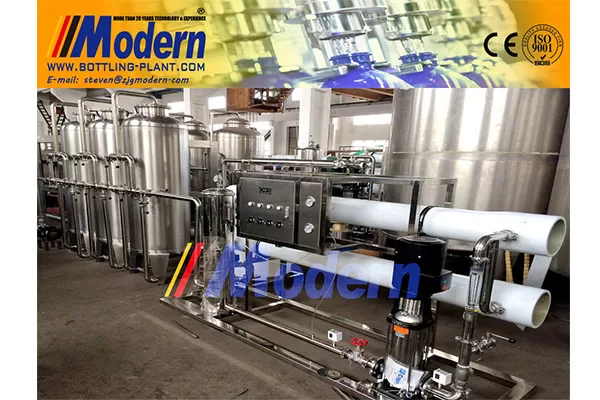
قبل تعبئتها، تخضع المياه المعدنية لعمليات تنقية صارمة لإزالة الملوثات. يتضمن نظام معالجة المياه القوي الترشيح، والتناضح العكسي، والتعقيم بالأشعة فوق البنفسجية. لا تضمن هذه الأنظمة مياهاً نظيفة وآمنة فحسب، بل تحافظ أيضاً على المحتوى المعدني الطبيعي، وهو أمر حيوي لصحة المستهلك.
2. آلة نفخ الزجاجات
بمجرد معالجة المياه، يتم تحضيرها للتعبئة باستخدام آلات نفخ الزجاجات، التي تصنع زجاجات بلاستيكية من الراتنج. تستخدم هذه العملية الحرارة وضغط الهواء لتشكيل الزجاجات، مما يضمن تصميمها وفقاً لمواصفات محددة. يعد اختيار تقنية النفخ المناسبة أمراً بالغ الأهمية لتحسين كفاءة الإنتاج وتقليل الهدر.
3. آلة التعبئة
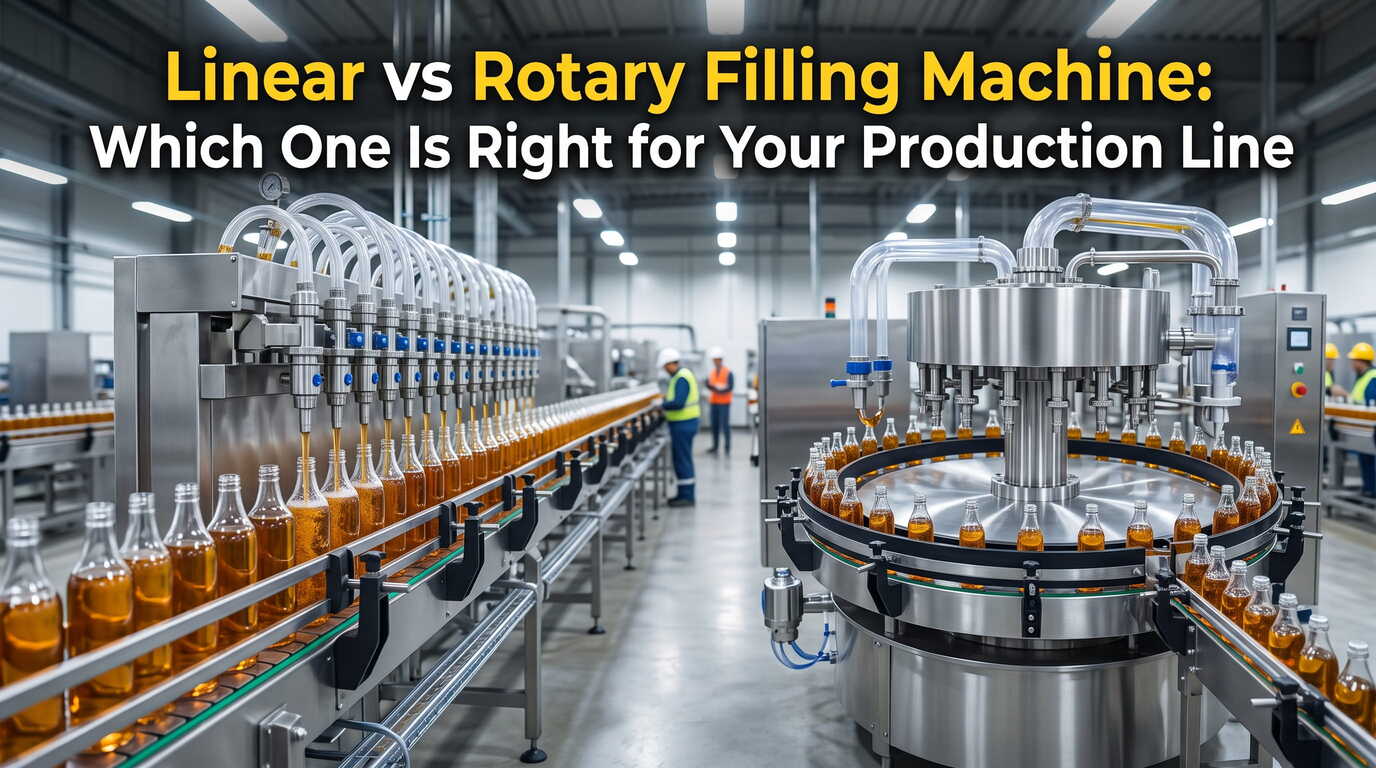
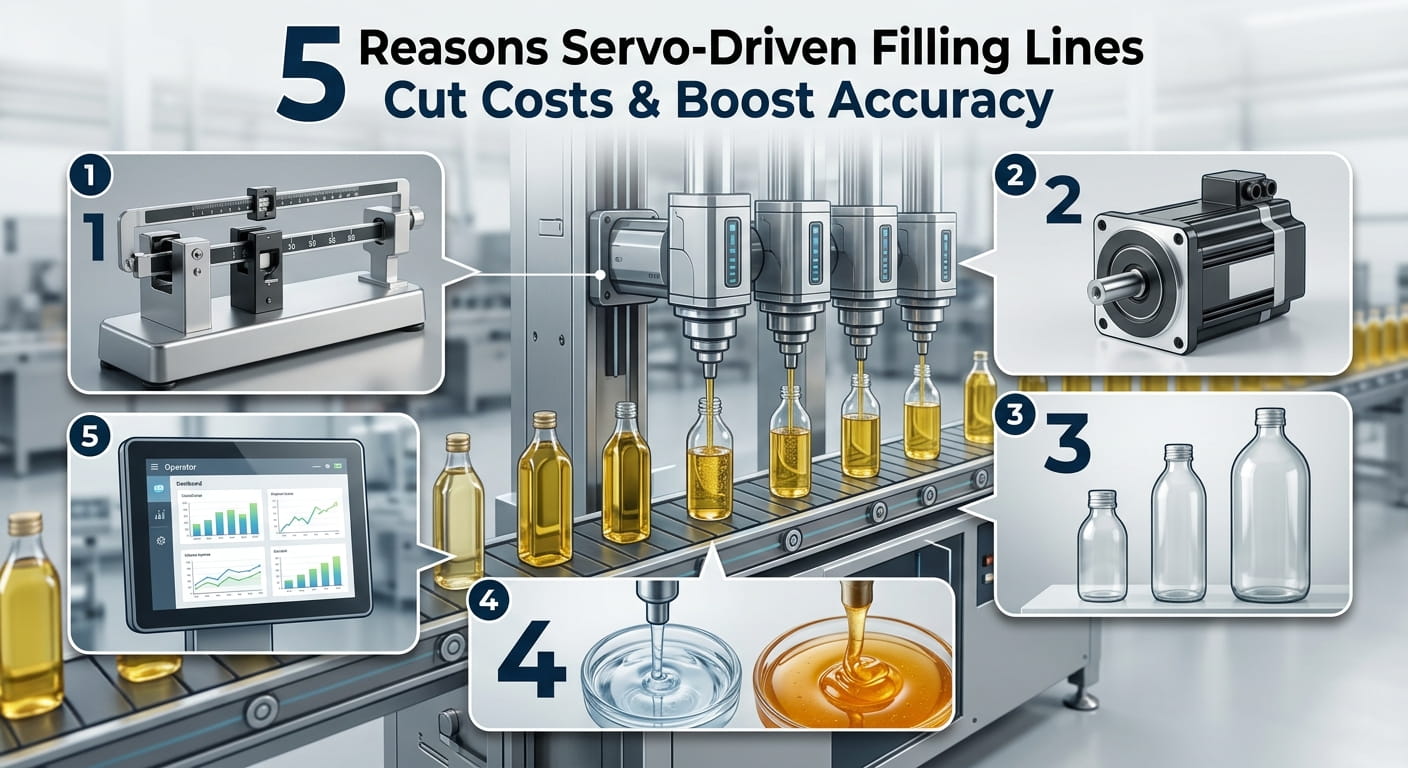
تعتبر آلة التعبئة قلب خط تعبئة المياه المعدنية. توجد تقنيات متنوعة، بما في ذلك التعبئة بالجاذبية، والتعبئة بالفراغ، والتعبئة بالضغط، والتعبئة المعقمة. لكل منها مزاياها الفريدة وهي مناسبة لأنواع مختلفة من الزجاجات وأحجام الإنتاج. من الضروري اختيار آلة تعبئة تتوافق مع متطلبات الإنتاج الخاصة بك وتضمن الحد الأدنى من انسكاب المنتج وتلوثه.
4. أنظمة الإغلاق ووضع الملصقات
بعد التعبئة، تحتاج الزجاجات إلى الإغلاق ووضع الملصقات عليها. تدمج آلات الإغلاق أغطية اللف أو الأغطية اللولبية أو الأغطية التاجية لضمان نضارة المنتج وسلامته. توفر أنظمة وضع الملصقات، سواء كانت ملتفة أو أمامية، معلومات أساسية للمستهلكين مع الالتزام بالمتطلبات التنظيمية. تعمل أنظمة الإغلاق ووضع الملصقات الفعالة على تقليل الجهد اليدوي وتعزيز الإنتاجية.
5. التعبئة والتغليف والتجميع على منصات نقالة
بمجرد تعبئتها، يجب تغليف المنتجات للتخزين والتوزيع. تتضمن هذه العملية التغليف بالانكماش الحراري، وتعبئة الصناديق، والتجميع على منصات نقالة. يمكن لأنظمة التغليف الفعالة أن تقلل بشكل كبير من تكاليف العمالة، وتحسن السلامة أثناء النقل، وتضمن وصول المنتجات إلى المستهلكين في حالة مثالية.
تحسين خط تعبئة المياه المعدنية
لتحقيق أقصى قدر من الكفاءة والموثوقية لخط تعبئة المياه المعدنية، يمكن تنفيذ العديد من الاستراتيجيات:
1. الصيانة الدورية
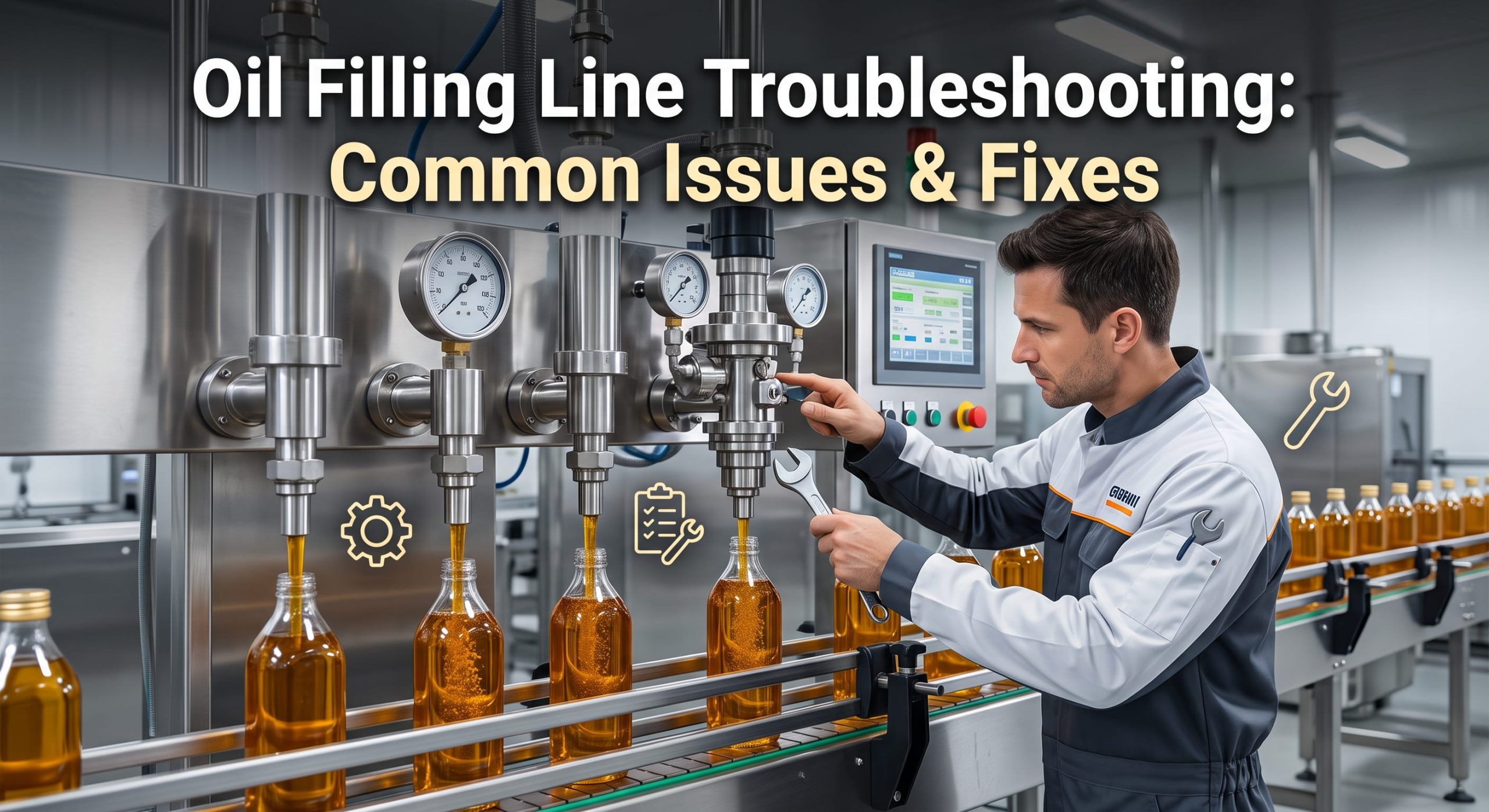
يمكن أن تساعد الصيانة الدورية للمعدات في تحديد المشكلات المحتملة قبل تفاقمها، مما يقلل من وقت التوقف عن العمل ويحمي الأرباح. يعد إنشاء خطة صيانة مجدولة أمراً ضرورياً، بما في ذلك استبدال الأجزاء البالية وتنظيف الآلات لضمان عمليات صحية.
2. مراقبة الجودة الفعالة
يسمح تنفيذ تدابير قوية لمراقبة الجودة للمنتجين بمراقبة طعم المياه ومظهرها وسلامتها الميكروبيولوجية. يمكن أن يسهل استخدام تكنولوجيا اختبار الجودة الحديثة المراقبة في الوقت الفعلي، مما يؤدي إلى اتخاذ تدابير تصحيحية فورية عند الضرورة.
3. تدريب الموظفين
يمكن أن تتأثر كفاءة خط تعبئة المياه المعدنية بشكل كبير بمهارات المشغلين. يضمن التدريب المستمر للموظفين، والذي يشمل أفضل الممارسات وبروتوكولات السلامة، قدرة الفريق على إدارة الآلات بفعالية ومعالجة التحديات التشغيلية بسرعة.
4. مبادرات الاستدامة
مع تزايد وعي المستهلكين بالبيئة، يمكن أن يؤدي دمج الممارسات المستدامة في الإنتاج إلى تعزيز سمعة العلامة التجارية وجذب قاعدة عملاء أوسع. فكر في تنفيذ ممارسات مثل إعادة تدوير المياه، واستخدام عبوات قابلة للتحلل الحيوي، وتقليل استهلاك الطاقة في عمليات التعبئة الخاصة بك.
التحديات في عمليات تعبئة المياه المعدنية
على الرغم من أن إنشاء خط تعبئة المياه المعدنية يجلب العديد من المزايا، إلا أنه يأتي أيضاً مع تحديات مختلفة يجب على المنتجين التعامل معها ببراعة.
1. الامتثال التنظيمي
يعد الالتزام باللوائح المحلية والدولية التي تحكم إنتاج المياه المعبأة أمراً بالغ الأهمية. يجب على المنتجين فهم معايير سلامة الأغذية، ومتطلبات وضع الملصقات، واللوائح البيئية للحفاظ على الامتثال، وهو ما قد يكون معقداً ومستهلكاً للموارد.
2. تقلب الطلب
يمكن أن يتقلب طلب السوق على المياه المعدنية المعبأة بسبب الموسمية أو الظروف الاقتصادية أو تفضيلات المستهلك. يعد الحفاظ على المرونة في جدولة الإنتاج وإدارة سلسلة التوريد أمراً ضرورياً للتكيف مع هذه التغييرات دون تكبد تكاليف غير ضرورية.
3. التطورات التكنولوجية
يمكن أن تشكل الوتيرة السريعة للتقدم التكنولوجي تحديات للمنتجين. يعد البقاء على اطلاع بالابتكارات في تكنولوجيا التعبئة وحلول التغليف أمراً حيوياً للحفاظ على الميزة التنافسية مع ضمان طول عمر خط الإنتاج.
اتجاهات السوق والتوقعات المستقبلية
لا تظهر سوق المياه المعبأة العالمية أي علامات على التباطؤ. ستستمر عوامل مثل زيادة الوعي الصحي، وتفضيل الراحة، وتزايد أنماط الحياة السريعة في تعزيز الطلب على المياه المعدنية. ونتيجة لذلك، من المرجح أن يحدد الاستثمار في تقنيات التعبئة المتقدمة والممارسات المستدامة العمليات الناجحة في السنوات القادمة.
علاوة على ذلك، فإن الابتكارات مثل دمج التكنولوجيا الذكية (إنترنت الأشياء) في خطوط الإنتاج، والأتمتة، وتحليلات البيانات ستعزز الكفاءة والإنتاجية. يجب على الشركات الاستفادة من هذه التطورات لتحسين سلاسل التوريد والاستجابة بشكل أفضل لديناميكيات السوق.
الخلاصة
يوفر إنشاء خط تعبئة المياه المعدنية فرصة فريدة للاستفادة من سوق متنامٍ مع زيادة طلب المستهلكين. من خلال فهم المكونات الرئيسية، وتحسين العمليات، والتغلب على التحديات، يمكن للمنتجين إنشاء عملية ناجحة ومستدامة. سيكون الاستثمار المستمر في التكنولوجيا والموارد البشرية محورياً في تعزيز المرونة والقدرة على التكيف في هذا المشهد المتطور. إن معالجة اتجاهات السوق باستراتيجيات قابلة للتنفيذ لن تؤمن سمعة الشركة فحسب، بل ستعزز أيضاً مكانتها كشركة رائدة في قطاع المياه المعدنية المعبأة.