
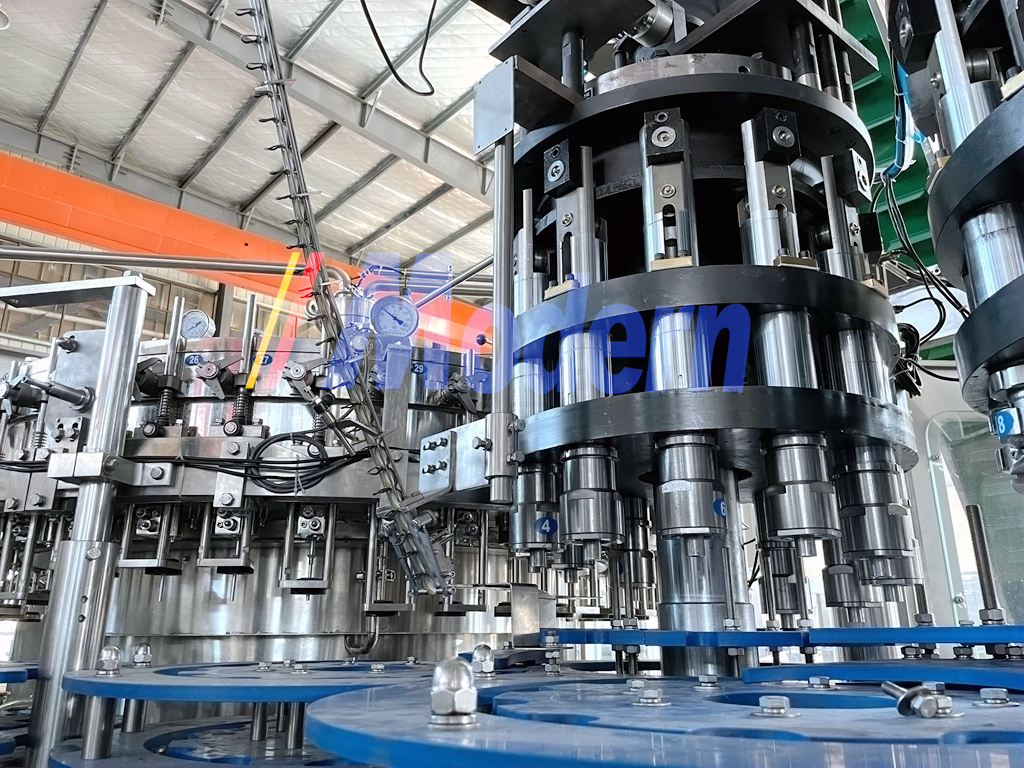
في عالم تصنيع المشروبات الذي يتطور باستمرار، لا يمكن المبالغة في أهمية معدات تعبئة المشروبات الغازية. فهذه الآلات الحيوية تؤثر بشكل كبير على كفاءة وجودة وسلامة عمليات الإنتاج. ومع استمرار نمو صناعة المشروبات الغازية، يصبح فهم تعقيدات معدات التعبئة أمراً ضرورياً للمصنعين الذين يهدفون إلى الحفاظ على ميزتهم التنافسية وتلبية طلبات المستهلكين.
فهم معدات تعبئة المشروبات الغازية
تم تصميم معدات تعبئة المشروبات الغازية للتعبئة الدقيقة للمشروبات السائلة مثل المشروبات الغازية والعصائر والمياه المنكهة. تعمل هذه الآلات على أتمتة عملية التعبئة، مما يسمح للمصنعين بتوسيع نطاق عملياتهم مع ضمان الجودة والاتساق. عادةً ما تتضمن هذه المعدات العديد من المكونات التي تعمل بتناغم لتحقيق التعبئة المثلى.
المكونات الرئيسية لمعدات التعبئة
تتكون خطوط تعبئة المشروبات الغازية بشكل عام من ثلاثة مكونات رئيسية: محطة الشطف، ومحطة التعبئة، ومحطة الإغلاق (السد). تقوم محطة الشطف بتجهيز العبوات عن طريق إزالة أي ملوثات، وهو أمر بالغ الأهمية للحفاظ على سلامة المنتج. تضمن محطة التعبئة جرعات دقيقة من المشروب، باستخدام تقنيات متنوعة مثل التعبئة الحجمية، أو التعبئة بالوزن، أو التعبئة بالضغط، اعتماداً على خصائص المنتج. وأخيراً، تقوم محطة الإغلاق بإغلاق العبوات بإحكام للحفاظ على نضارتها ومنع التسرب.
دور التكنولوجيا في معدات التعبئة
يلعب الابتكار التكنولوجي دوراً محورياً في تطوير معدات التعبئة الحديثة. تعمل التقنيات المتقدمة على تعزيز الدقة والسرعة وتعدد الاستخدامات، مما يحدث فرقاً كبيراً في معدلات الإنتاج والكفاءة التشغيلية.
أنظمة الأتمتة والتحكم
لقد أحدثت الأتمتة ثورة في صناعة المشروبات. يسمح تنفيذ أنظمة التحكم المتطورة بالمراقبة وإجراء التعديلات في الوقت الفعلي أثناء عملية التعبئة. وبفضل المستشعرات الذكية وأجهزة التحكم المنطقي القابلة للبرمجة (PLCs)، يمكن للمصنعين الحفاظ على مستويات تعبئة ثابتة، وتقليل الخطأ البشري، وتسهيل الصيانة التنبؤية. وهذا لا يعزز الإنتاجية فحسب، بل يقلل أيضاً من فترات التوقف المكلفة.
التكامل مع معدات الإنتاج الأخرى
يجب أن تتكامل معدات التعبئة بسلاسة مع الآلات الأخرى في خط الإنتاج، مثل معدات وضع الملصقات والتغليف. يضمن هذا التكامل سير عمل سلساً وفعالاً من مرحلة إنتاج إلى أخرى. يمكن للحلول المؤتمتة تبسيط العمليات، وتقليل المناولة اليدوية، وتعزيز الكفاءة الإجمالية.
اختيار معدات التعبئة المناسبة
عند اختيار معدات تعبئة المشروبات الغازية، يجب على المصنعين مراعاة عدة عوامل لضمان الأداء الأمثل والعائد على الاستثمار.
خصائص المنتج
يؤثر نوع المشروب الذي يتم إنتاجه بشكل كبير على نوع معدات التعبئة المطلوبة. بالنسبة للمشروبات الغازية، قد تكون طرق التعبئة بالضغط ضرورية لتجنب الرغوة وضمان الجرعات الصحيحة. وعلى العكس من ذلك، بالنسبة للمشروبات غير الغازية، يمكن استخدام التعبئة بالجاذبية أو التعبئة الحجمية. إن فهم الخصائص الفيزيائية والكيميائية للمنتج أمر حيوي لاتخاذ قرار مستنير.
حجم الإنتاج
يجب على المصنعين تقييم احتياجات الإنتاج الخاصة بهم، بما في ذلك المخرجات المتوقعة وقابلية التوسع للنمو المستقبلي. يمكن لخطوط التعبئة عالية السرعة المجهزة بتكنولوجيا متقدمة أن تلبي أحجام إنتاج أكبر، ولكنها قد تنطوي أيضاً على استثمارات أولية أعلى. إن الموازنة بين السرعة والحجم والتكلفة أمر ضروري لإيجاد الخيار المناسب.
الامتثال ولوائح السلامة
يعد الالتزام بلوائح الصناعة ومعايير السلامة أمراً بالغ الأهمية في إنتاج المشروبات. يجب أن تمتثل معدات تعبئة المشروبات الغازية للوائح المحلية والدولية المتعلقة بسلامة الأغذية والنظافة والأثر البيئي. يجب على المصنعين البحث بدقة في شهادات امتثال المعدات والبحث عن الطرازات التي تركز على النظافة والسلامة.
فوائد الاستثمار في معدات التعبئة الحديثة
يقدم الاستثمار في تكنولوجيا التعبئة المحدثة فوائد عديدة تتجاوز مكاسب الإنتاجية الفورية.
تحسين الكفاءة
تتميز آلات التعبئة الحديثة بسرعة ودقة معززتين، مما يقلل من هدر المواد والوقت. من خلال تقليل وقت التوقف عن العمل وتسريع عمليات التغيير بين أنواع المنتجات، يمكن للمصنعين تحقيق معدلات إنتاج أعلى، مما يؤدي في النهاية إلى زيادة الربحية.
الحفاظ على جودة المنتج
يمكن أن يؤدي التلوث وعدم الاتساق إلى عرقلة جودة المنتج وثقة المستهلك. تعمل معدات التعبئة المتقدمة ذات ميزات الصرف الصحي المحسنة على تقليل مخاطر التلوث وتسمح بجودة منتج متسقة، مما يضمن رضا العملاء وولائهم.
فعالية التكلفة
على الرغم من أن التكاليف الأولية لتقنيات التعبئة المتقدمة قد تكون مرتفعة، إلا أن عوامل مثل انخفاض تكاليف العمالة وتقليل هدر المنتج تساهم في تحقيق وفورات طويلة الأجل. بمرور الوقت، يمكن لخط التعبئة المختار جيداً أن يحقق عوائد كبيرة على الاستثمار.
الاتجاهات المستقبلية في معدات تعبئة المشروبات الغازية
صناعة المشروبات مهيأة للتحول المستمر، مع اتجاهات جديدة تشكل مستقبل معدات التعبئة.
ممارسات الاستدامة
مع تزايد المخاوف البيئية، من المتوقع بشكل متزايد تبني ممارسات مستدامة في جميع أنحاء صناعة المشروبات. يستكشف مصنعو المشروبات الغازية مواد صديقة للبيئة وميزات آلات تقلل من النفايات واستهلاك الطاقة. تكتسب الابتكارات في تقنيات التعبئة، مثل العبوات القابلة لإعادة التعبئة والتغليف القابل للتحلل الحيوي، زخماً كبيراً.
التكنولوجيا الذكية وتكامل إنترنت الأشياء
أصبح دمج إنترنت الأشياء (IoT) في عمليات التصنيع أكثر انتشاراً. تتيح معدات التعبئة الذكية المجهزة بالتشخيص عن بعد، وتحليلات الأداء، وقدرات الصيانة التنبؤية للمصنعين تحسين العمليات وإطالة عمر المعدات.
الخلاصة
في الختام، تلعب معدات تعبئة المشروبات الغازية دوراً حاسماً في نجاح مصنعي المشروبات. مع استمرار نمو الصناعة وتطورها، يجب على الشركات مواكبة التطورات التكنولوجية واتجاهات السوق. من خلال الاستثمار في معدات التعبئة المناسبة والبقاء قابلة للتكيف مع التغيير، يمكن للمصنعين تعزيز الكفاءة، وتحسين جودة المنتج، وتأمين مكانتهم في نهاية المطاف في سوق تنافسية بشكل متزايد.
مع ازدياد تعقيد مشهد إنتاج المشروبات الغازية، سيكون النهج الاستباقي لمعالجة التحديات والاستفادة من الفرص التي توفرها معدات التعبئة أمراً حيوياً للنمو والنجاح المستدامين.


