تعد آلات وضع الملصقات ضرورية في مختلف الصناعات لتوفير تعريف المنتج والمعلومات والعلامة التجارية. توفر هذه الآلات الكفاءة والدقة والاتساق في وضع الملصقات على المنتجات. تتوفر أنواع عديدة من آلات وضع الملصقات، وكل منها مناسب لمتطلبات وبيئات إنتاج مختلفة. في هذا المقال، سنستكشف الأنواع المختلفة لآلات وضع الملصقات وميزاتها الرئيسية.
1. آلات وضع الملصقات الأوتوماتيكية
تعتبر آلات وضع الملصقات الأوتوماتيكية مثالية لخطوط الإنتاج ذات الحجم الكبير حيث تكون السرعة والدقة أمراً بالغ الأهمية. يمكن لهذه الآلات وضع الملصقات على المنتجات بسلاسة دون الحاجة إلى تدخل يدوي. وهي مجهزة بأجهزة استشعار وعناصر تحكم قابلة للبرمجة لضمان وضع الملصقات بدقة. تتميز آلات وضع الملصقات الأوتوماتيكية بتعدد استخداماتها ويمكنها التعامل مع مجموعة واسعة من أحجام وأشكال الملصقات، مما يجعلها مناسبة لمختلف الصناعات.
2. آلات وضع الملصقات شبه الأوتوماتيكية
تعد آلات وضع الملصقات شبه الأوتوماتيكية حلاً أكثر فعالية من حيث التكلفة للشركات ذات احتياجات وضع الملصقات المتوسطة. تتطلب هذه الآلات بعض المدخلات اليدوية، مثل وضع المنتج على سير النقل أو بدء عملية وضع الملصق. تتميز آلات وضع الملصقات شبه الأوتوماتيكية بأنها مدمجة وسهلة الاستخدام وتوفر مرونة في وضع الملصقات. وهي مناسبة لخطوط الإنتاج الصغيرة إلى المتوسطة التي تتطلب توازناً بين الأتمتة والتحكم اليدوي.
3. آلات وضع الملصقات المحيطية (Wrap-around)
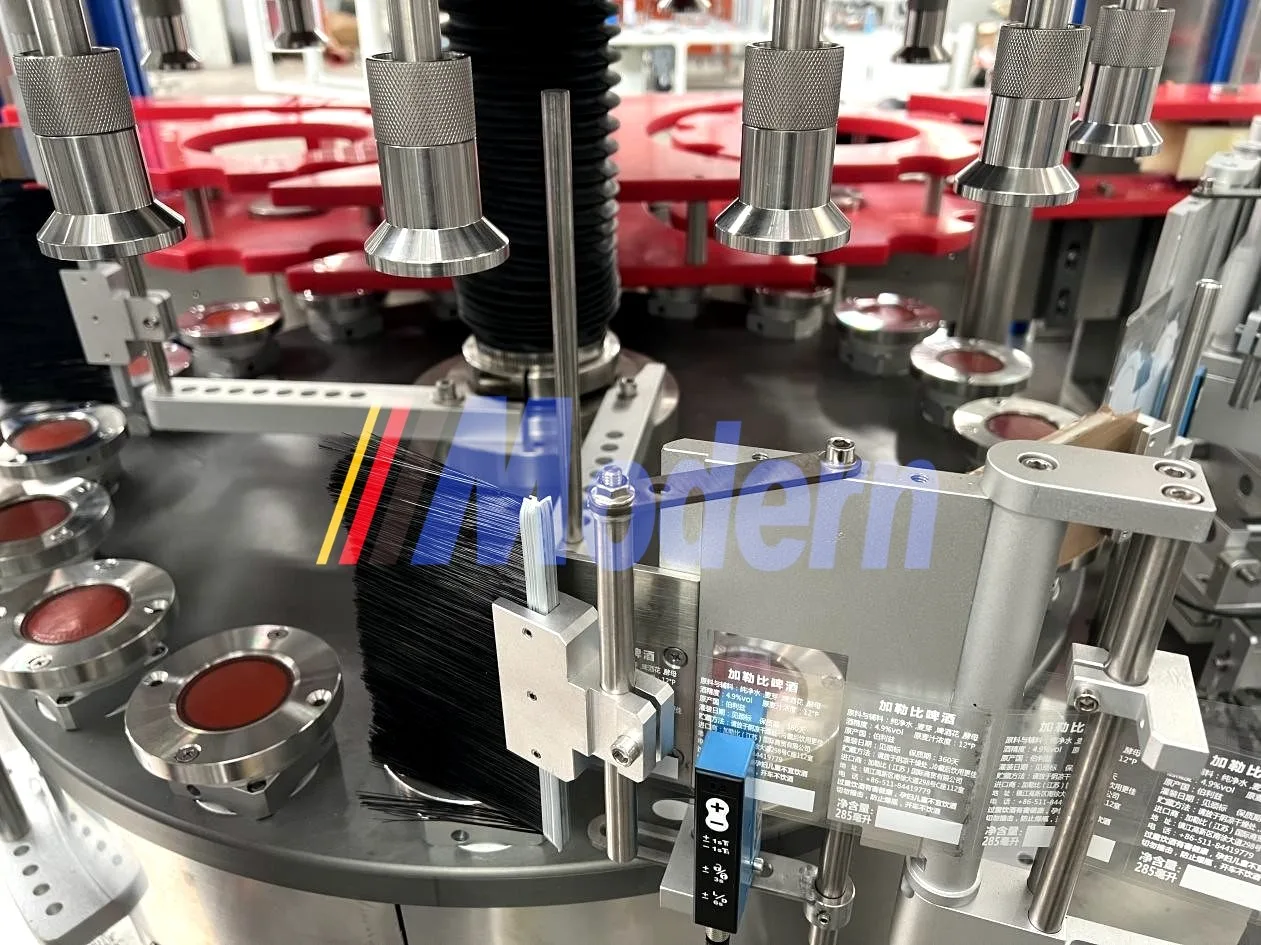
تم تصميم آلات وضع الملصقات المحيطية لوضع الملصقات حول المنتجات الأسطوانية أو المخروطية، مثل الزجاجات والعلب والأنابيب. تضمن هذه الآلات وضع الملصقات بدقة حول المحيط الكامل للمنتج، مما يوفر تغطية بزاوية 360 درجة. تستخدم آلات وضع الملصقات المحيطية آليات متخصصة للتعامل مع الأسطح المنحنية والحفاظ على الاتساق في وضع الملصقات. وهي تُستخدم بشكل شائع في صناعات المشروبات والأدوية ومستحضرات التجميل.
4. آلات وضع الملصقات العلوية
تم تصميم آلات وضع الملصقات العلوية خصيصاً لوضع الملصقات على السطح العلوي للمنتجات، مثل الصناديق والحاويات والعبوات. توفر هذه الآلات وضعاً دقيقاً للملصقات على الأسطح المسطحة أو غير منتظمة الشكل. يمكن تهيئة آلات وضع الملصقات العلوية بأنظمة توزيع مختلفة لاستيعاب أحجام وأشكال الملصقات المتنوعة. وهي تُستخدم على نطاق واسع في صناعات الأغذية والسلع المنزلية لتعريف المنتجات والعلامات التجارية.
5. آلات وضع الملصقات الأمامية والخلفية
تتمتع آلات وضع الملصقات الأمامية والخلفية بالقدرة على وضع الملصقات على كل من السطحين الأمامي والخلفي للمنتجات في تمريرة واحدة. هذه الآلات مثالية للمنتجات التي تتطلب وضع ملصقات على جوانب متعددة، مثل الزجاجات والجرار والحاويات. توفر آلات وضع الملصقات الأمامية والخلفية الكفاءة والاتساق في وضع الملصقات، مما يضمن وضع الملصقات بدقة على جانبي المنتج. وهي تُستخدم بشكل شائع في الصناعات الدوائية والكيميائية ومنتجات العناية الشخصية.
6. آلات وضع الملصقات عالية السرعة
تم تصميم آلات وضع الملصقات عالية السرعة لوضع الملصقات بشكل سريع ومستمر على المنتجات في خطوط الإنتاج سريعة الوتيرة. يمكن لهذه الآلات وضع الملصقات بسرعات عالية دون المساس بالدقة أو الجودة. تتميز آلات وضع الملصقات عالية السرعة بتكنولوجيا متقدمة، مثل محركات السيرفو وعناصر التحكم الدقيقة، لضمان وضع الملصقات بكفاءة. وهي مناسبة للصناعات ذات متطلبات الإنتاج الضخم والمواعيد النهائية الضيقة.
7. آلات الطباعة ووضع الملصقات
تجمع آلات الطباعة ووضع الملصقات بين وظائف الطباعة ووضع الملصقات في نظام واحد. يمكن لهذه الآلات طباعة معلومات متغيرة، مثل الرموز الشريطية (الباركود) والأرقام التسلسلية وتواريخ انتهاء الصلاحية، عند الطلب ووضعها مباشرة على المنتجات. توفر آلات الطباعة ووضع الملصقات خيارات التخصيص، وقدرات الطباعة في الوقت الفعلي، والتكامل السلس مع أنظمة الإنتاج. وهي تُستخدم بشكل شائع في مرافق الخدمات اللوجستية والتصنيع والتوزيع لأغراض الامتثال وتتبع الملصقات.
8. آلات وضع الملصقات داخل القالب (In-Mold)
تدمج آلات وضع الملصقات داخل القالب عملية وضع الملصقات مع قولبة المنتجات البلاستيكية، مثل الحاويات والأغطية والعبوات. تستخدم هذه الآلات قوالب متخصصة ووحدات إدخال الملصقات لقولبة الملصق مباشرة في المنتج أثناء عملية التصنيع. توفر آلات وضع الملصقات داخل القالب التصاقاً فائقاً للملصقات، ومتانة، وجاذبية جمالية. وهي تلغي الحاجة إلى عمليات وضع ملصقات ثانوية وتضمن تشطيباً سلساً على سطح المنتج.
الخلاصة
تلعب آلات وضع الملصقات دوراً حاسماً في تعريف المنتج ونشر المعلومات والعلامات التجارية في مختلف الصناعات. من خلال فهم الأنواع المختلفة لآلات وضع الملصقات وميزاتها الفريدة، يمكن للشركات اختيار الحل المناسب لتلبية متطلبات وضع الملصقات الخاصة بها بكفاءة وفعالية. سواء كانت آلات وضع الملصقات الأوتوماتيكية لخطوط الإنتاج عالية السرعة أو آلات وضع الملصقات المحيطية للأسطح المنحنية، فإن اختيار آلة وضع الملصقات المناسبة يمكن أن يعزز الإنتاجية والدقة وظهور العلامة التجارية. إن الاستثمار في آلة وضع الملصقات المناسبة يمكن أن يبسط العمليات ويحسن جودة المنتج ويدفع نمو الأعمال.