في السنوات الأخيرة، شهد الطلب على المشروبات الغازية (CSD) ارتفاعاً كبيراً على مستوى العالم، مما استدعى إنشاء محطات تعبئة فعالة لتلبية احتياجات الإنتاج. تلعب هذه المحطات دوراً حيوياً في صناعة المشروبات، حيث تقوم بمعالجة المواد الخام وتحويلها إلى منتجات جاهزة للسوق مع ضمان الجودة والسلامة والكفاءة. يقدم هذا المقال فحصاً شاملاً لمحطات تعبئة المشروبات الغازية، مستعرضاً عملياتها وتقنياتها والرؤى الاستراتيجية لتحسين الأداء.
فهم محطات تعبئة المشروبات الغازية
محطات تعبئة المشروبات الغازية هي منشآت مصممة خصيصاً لإنتاج وتعبئة وتغليف المشروبات الغازية. تعمل هذه المحطات من خلال سلسلة من العمليات المتكاملة التي تجمع بين الترشيح، والكربنة، والتغليف، مع الالتزام الصارم باللوائح الصناعية. إن فهم تفاصيل هذه العمليات أمر ضروري لأي شخص يتطلع إلى الاستثمار أو التشغيل أو تحسين الكفاءة داخل هذه المنشآت.
عملية الإنتاج
يمكن تقسيم عملية الإنتاج في محطة تعبئة المشروبات الغازية إلى عدة مراحل رئيسية:
- تحضير المواد الخام: تتضمن هذه المرحلة اختيار ومعالجة المكونات مثل الماء، والمحليات، والمنكهات، وعوامل الكربنة.
- الخلط والكربنة: يتم خلط المواد الخام بنسب دقيقة. ثم يُستخدم نظام كربنة لضخ ثاني أكسيد الكربون في خليط المشروب لتحقيق درجة الفوران المطلوبة.
- الترشيح ومراقبة الجودة: لضمان سلامة المستهلك، يتم إجراء فحوصات صارمة لمراقبة الجودة، بما في ذلك عمليات الترشيح لإزالة الشوائب.
- التعبئة والتغليف: يتم بعد ذلك نقل المشروب الغازي إلى آلات التعبئة، التي تقوم بملء العبوات وإغلاقها وتجهيزها للتوزيع.
التقنيات الرئيسية في محطات تعبئة المشروبات الغازية
تستخدم محطات تعبئة المشروبات الغازية الحديثة تقنيات متنوعة لتحسين عمليات الإنتاج وضمان جودة المنتج. فيما يلي بعض التقنيات الرئيسية المستخدمة:
أنظمة الترشيح المتقدمة
تلعب تقنيات الترشيح دوراً حاسماً في الحفاظ على سلامة المنتج. تُستخدم أنظمة الترشيح المتقدمة، مثل التناضح العكسي، لتنقية المياه عن طريق إزالة الشوائب والملوثات. تعمل هذه الأنظمة على تعزيز الجودة الشاملة للمشروب، مما يضمن مذاقاً متسقاً.
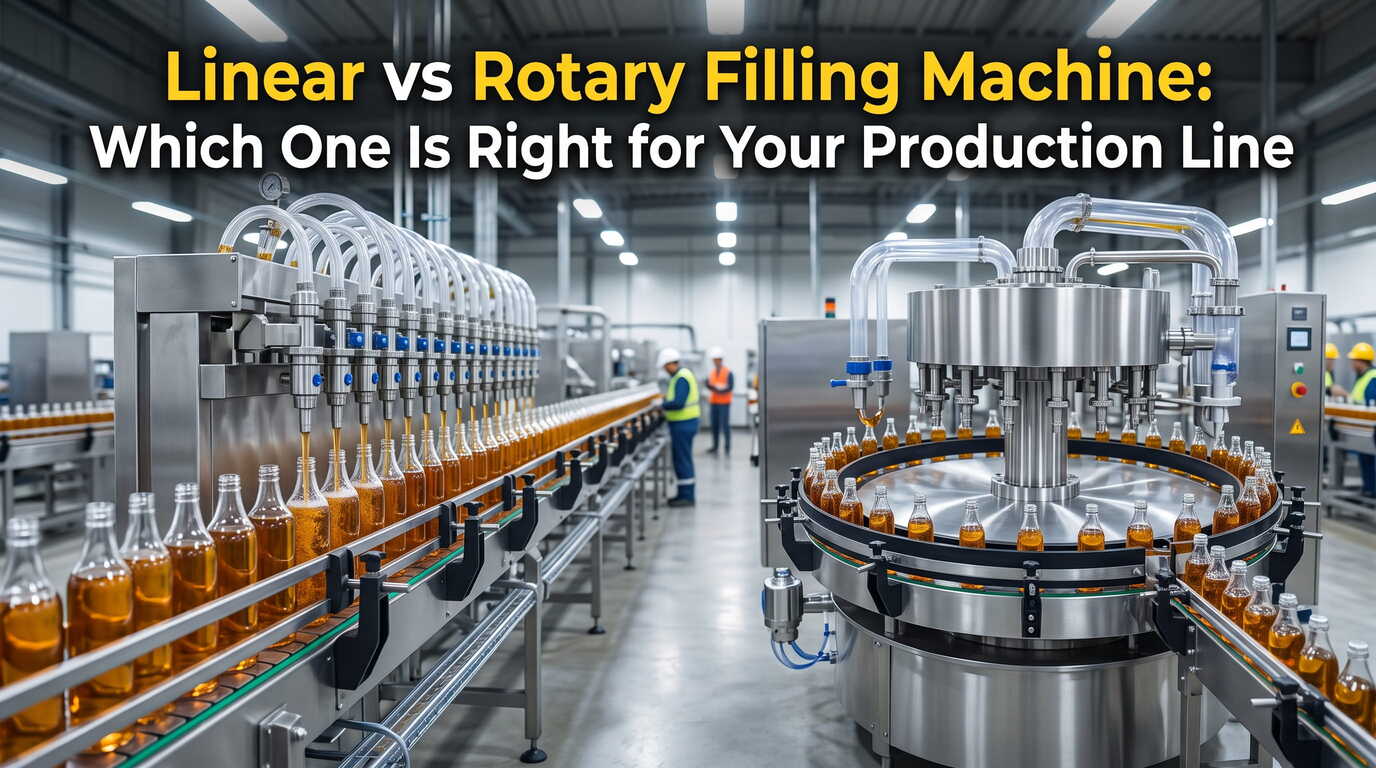
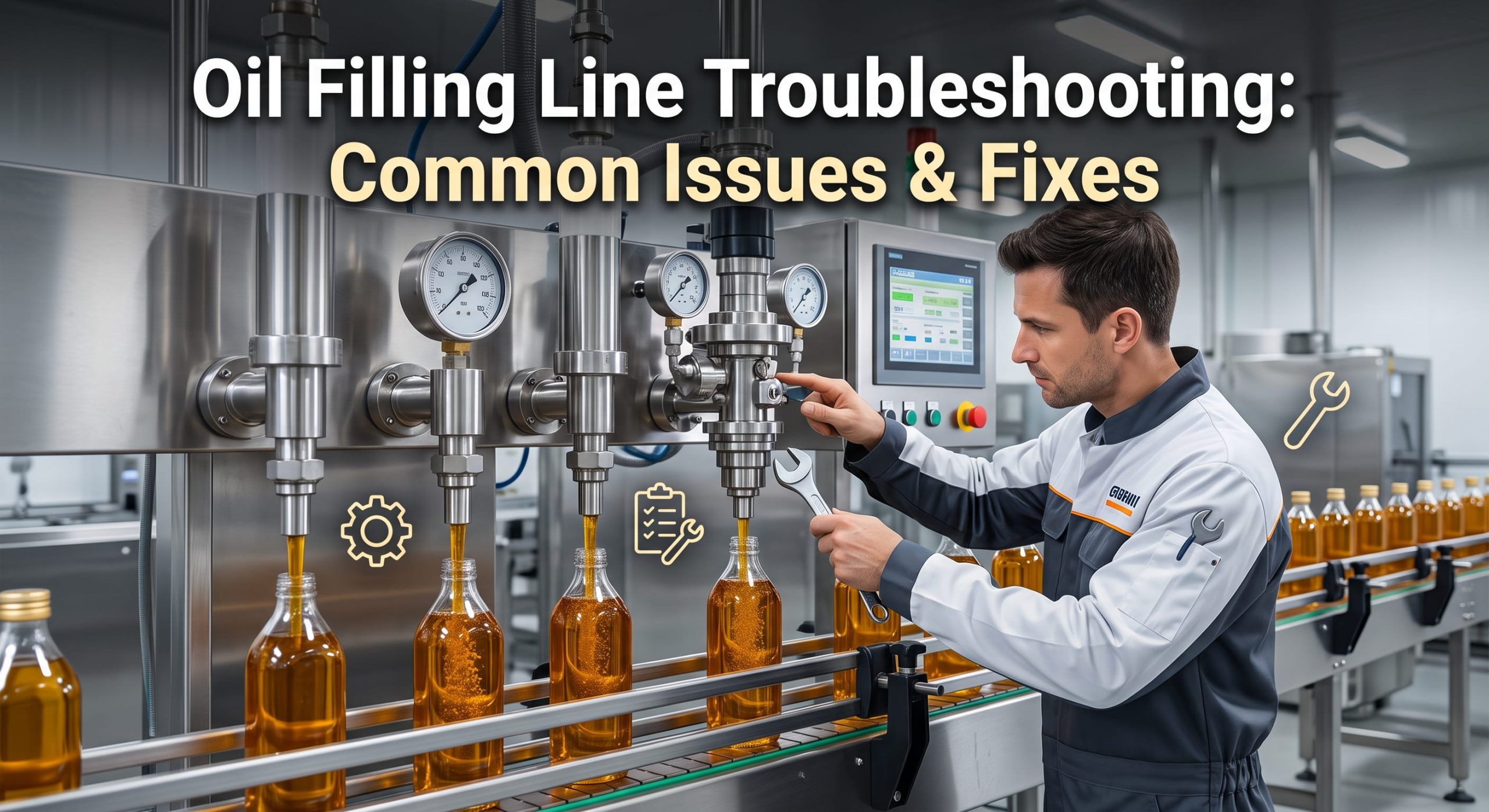
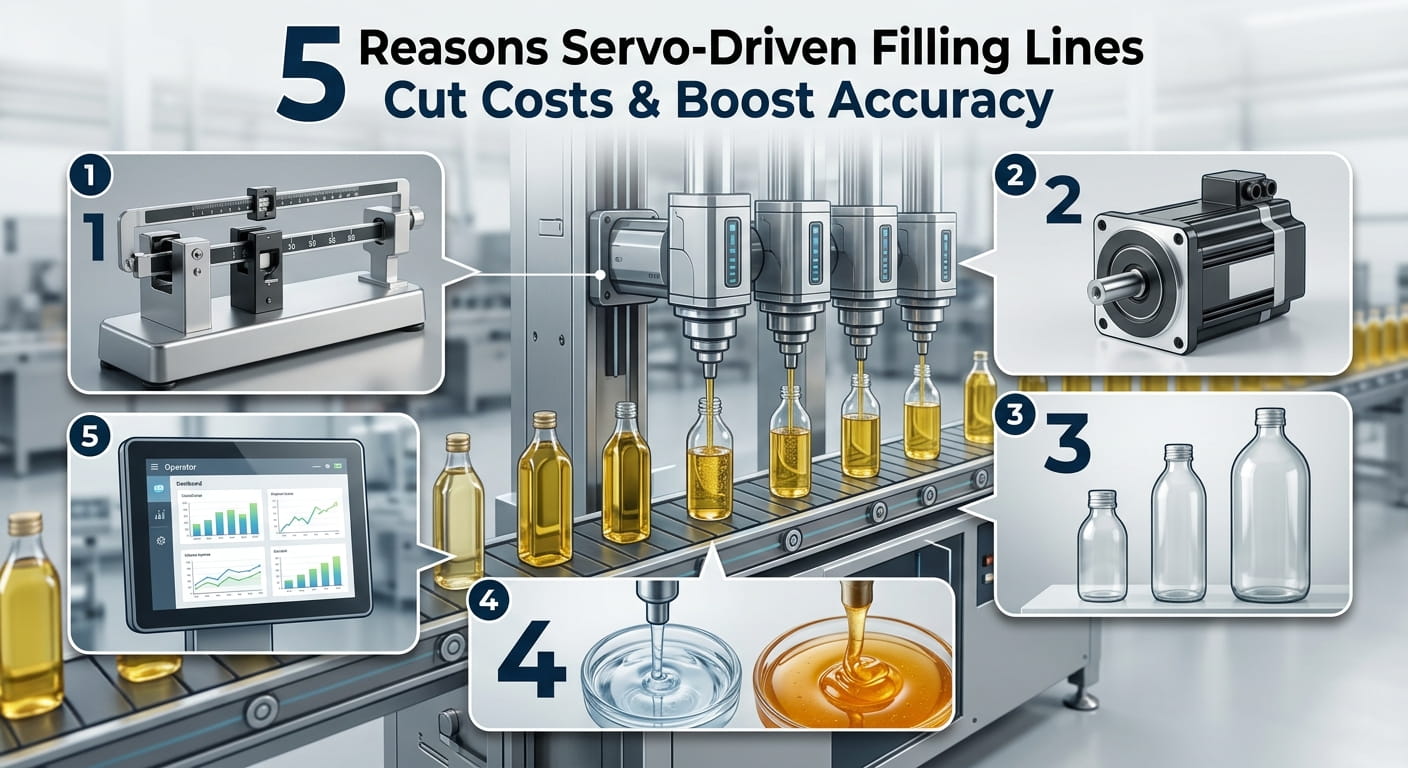
خطوط التعبئة الآلية
أحدثت الأتمتة ثورة في عملية التعبئة. يمكن لخطوط التعبئة الآلية ملء المنتجات وإغلاقها ووضع الملصقات عليها بسرعات عالية، مما يقلل من تكاليف العمالة ويقلل من الخطأ البشري. كما أن تنفيذ المركبات الموجهة آلياً (AGVs) يبسط حركة المواد داخل المحطة، مما يعزز الكفاءة العامة.
المراقبة في الوقت الفعلي ومراقبة الجودة
تدمج محطات تعبئة المشروبات الغازية الحديثة أنظمة مراقبة في الوقت الفعلي لتتبع متغيرات الإنتاج مثل درجة الحرارة والضغط ومستويات الكربنة. تتيح هذه التقنية التدخل في الوقت المناسب للحفاظ على جودة المنتج ومنع فشل الدفعات الإنتاجية.
أهمية معايير النظافة والسلامة
إن ضمان السلامة والنظافة في محطات تعبئة المشروبات الغازية له أهمية قصوى. يجب على مصنعي المشروبات الامتثال للمعايير المحلية والدولية، بما في ذلك ممارسات التصنيع الجيد (GMP) ومبادئ تحليل المخاطر ونقاط التحكم الحرجة (HACCP).
بروتوكولات التعقيم
يعد التعقيم المنتظم للمعدات ومناطق الإنتاج أمراً ضرورياً لمنع التلوث. يساعد تنفيذ بروتوكولات تنظيف صارمة، بما في ذلك استخدام مواد تنظيف قابلة للتحلل الحيوي، في ضمان بيئة صحية مواتية لإنتاج منتجات آمنة.
تدريب الموظفين وتدابير السلامة
يلعب الموظفون دوراً حاسماً في الحفاظ على معايير السلامة. التدريب المستمر على ممارسات النظافة، والتعامل مع المعدات، وتدابير السلامة ضروري لتعزيز ثقافة السلامة داخل المحطة. هذا الجانب لا يحمي القوى العاملة فحسب، بل يعزز أيضاً الإنتاجية الإجمالية.
الاعتبارات البيئية
مع تحول الاستدامة إلى محور تركيز رئيسي للصناعات في جميع أنحاء العالم، يجب على محطات تعبئة المشروبات الغازية تبني ممارسات صديقة للبيئة. يعد تقليل النفايات، والحفاظ على المياه، وخفض استهلاك الطاقة خطوات حاسمة في تعزيز الاستدامة في قطاع المشروبات.
استراتيجيات إدارة النفايات
يمكن أن يؤدي تنفيذ استراتيجيات فعالة لإدارة النفايات، مثل إعادة تدوير الزجاجات وتقليل البلاستيك المستخدم لمرة واحدة، إلى تقليل البصمة البيئية لمحطات تعبئة المشروبات الغازية بشكل كبير. كما يمكن أن يؤدي الانخراط في شراكات مع شركات إعادة التدوير وتشجيع المستهلكين على إعادة الزجاجات لإعادة استخدامها إلى تعزيز جهود الاستدامة.
مبادرات كفاءة الطاقة
يمكن للاستثمارات في الآلات الموفرة للطاقة ومصادر الطاقة المتجددة أن تقلل بشكل كبير من استهلاك الطاقة في إنتاج المشروبات الغازية. على سبيل المثال، يمكن أن يساعد استخدام الألواح الشمسية في تعويض تكاليف الطاقة والمساهمة في بصمة تشغيلية أكثر خضرة.
اتجاهات السوق وتفضيلات المستهلك
يعد البقاء في صدارة اتجاهات السوق أمراً ضرورياً لمحطات تعبئة المشروبات الغازية لتظل قادرة على المنافسة. مع تطور تفضيلات المستهلك، يجب أن تتكيف استراتيجيات الإنتاج وفقاً لذلك. تشمل الاتجاهات الرئيسية التي تؤثر على تصنيع المشروبات الغازية ما يلي:
الخيارات الواعية بالصحة
مع زيادة الوعي الصحي، يتجه العديد من المستهلكين نحو المشروبات ذات المحتوى السكري الأقل، والمكونات الطبيعية، والفوائد الوظيفية. يجب على مصنعي المشروبات الغازية التفكير في إعادة صياغة المنتجات واستكشاف محليات بديلة، مثل ستيفيا أو فاكهة الراهب، لتلبية هذا الطلب.
ابتكارات النكهات
يعد ابتكار النكهات أمراً حاسماً في جذب المستهلكين. يمكن أن يؤدي تقديم نكهات فريدة أو غريبة إلى تمييز المنتجات في سوق مزدحم. يمكن أن يساعد إجراء اختبارات التذوق المنتظمة وجمع ملاحظات المستهلكين في توجيه تطوير النكهات في المستقبل.
رؤى عملية لمشغلي محطات تعبئة المشروبات الغازية
بالنسبة لمشغلي محطات تعبئة المشروبات الغازية، هناك العديد من الاستراتيجيات القابلة للتنفيذ لتعزيز الكفاءة وجودة المنتج:
الاستثمار في التدريب والتطوير
قم بتمكين القوى العاملة لديك من خلال الاستثمار في برامج التدريب والتطوير المهني المستمرة. من المرجح أن يلتزم الموظفون المهرة ببروتوكولات السلامة ويساهموا في التحسين التشغيلي.
تبني التطورات التكنولوجية
استثمر في أحدث التقنيات وابقَ على اطلاع دائم بابتكارات القطاع. إن تحديث الآلات ودمج تحليلات البيانات يمكن أن يؤدي إلى تحسين عمليات الإنتاج.
التركيز على اتجاهات المستهلكين
أجرِ أبحاث السوق بانتظام للبقاء على دراية بتفضيلات المستهلكين المتغيرة. يمكن أن يوجه الاستفادة من رؤى المستهلكين تطوير المنتجات الجديدة واستراتيجيات التسويق.
الخلاصة
تعد محطات تعبئة المشروبات الغازية جزءاً لا يتجزأ من مشهد تصنيع المشروبات، حيث تلعب دوراً محورياً في تقديم مشروبات غازية عالية الجودة للمستهلكين. ومن خلال فهم تعقيدات عمليات الإنتاج، وتبني التطورات التكنولوجية، وإعطاء الأولوية للنظافة والاستدامة البيئية، يمكن للمشغلين تحسين أداء المحطة وتعزيز القدرة التنافسية في سوق ديناميكي. ومع استمرار تطور القطاع، سيكون البقاء قابلاً للتكيف واستباقياً مفتاح النجاح في المستقبل.