
شهدت صناعة المشروبات في السنوات الأخيرة تحولاً كبيراً مدفوعاً بالابتكارات في تكنولوجيا التصنيع. ومن أبرز هذه التطورات إدخال خط تعبئة المشروبات الغازية (CSD). يستعرض هذا المقال تفاصيل خطوط تعبئة المشروبات الغازية، ومكوناتها، وكفاءتها التشغيلية، والفوائد العديدة التي تقدمها لمصنعي المشروبات. سواء كنت خبيراً في هذا المجال أو بدأت للتو في قطاع إنتاج المشروبات، فإن فهم دقة خط تعبئة المشروبات الغازية يمكن أن يزودك بالرؤى اللازمة لتعزيز كفاءة الإنتاج وجودة المنتج.
فهم خطوط تعبئة المشروبات الغازية (CSD)
خط تعبئة المشروبات الغازية هو نظام متكامل مصمم خصيصاً لتعبئة المشروبات الغازية مثل الصودا والمياه الفوارة ومشروبات الطاقة في زجاجات. تم تصميم هذه الخطوط لدمج عدة مراحل من الإنتاج، بما في ذلك الشطف، والتعبئة، والإغلاق، ووضع الملصقات، مما يقلل من المناولة ويقلل من مخاطر التلوث. الهدف الأساسي من خط تعبئة المشروبات الغازية هو الحفاظ على سلامة الكربنة وضمان وصول المنتج إلى المستهلكين في حالة مثالية.
المكونات الرئيسية لخط تعبئة المشروبات الغازية
لتقدير وظيفة خط تعبئة المشروبات الغازية بشكل كامل، من الضروري فهم مكوناته الأساسية. تعمل هذه المكونات بانسجام لضمان عمليات سلسة:
- محطة الشطف: تتضمن هذه المرحلة الأولية شطف الزجاجات للتخلص من أي ملوثات وضمان نظافتها. تستخدم محطة الشطف الفعالة مزيجاً من الماء عالي الجودة والهواء لتنظيف الزجاجات تماماً قبل التعبئة.
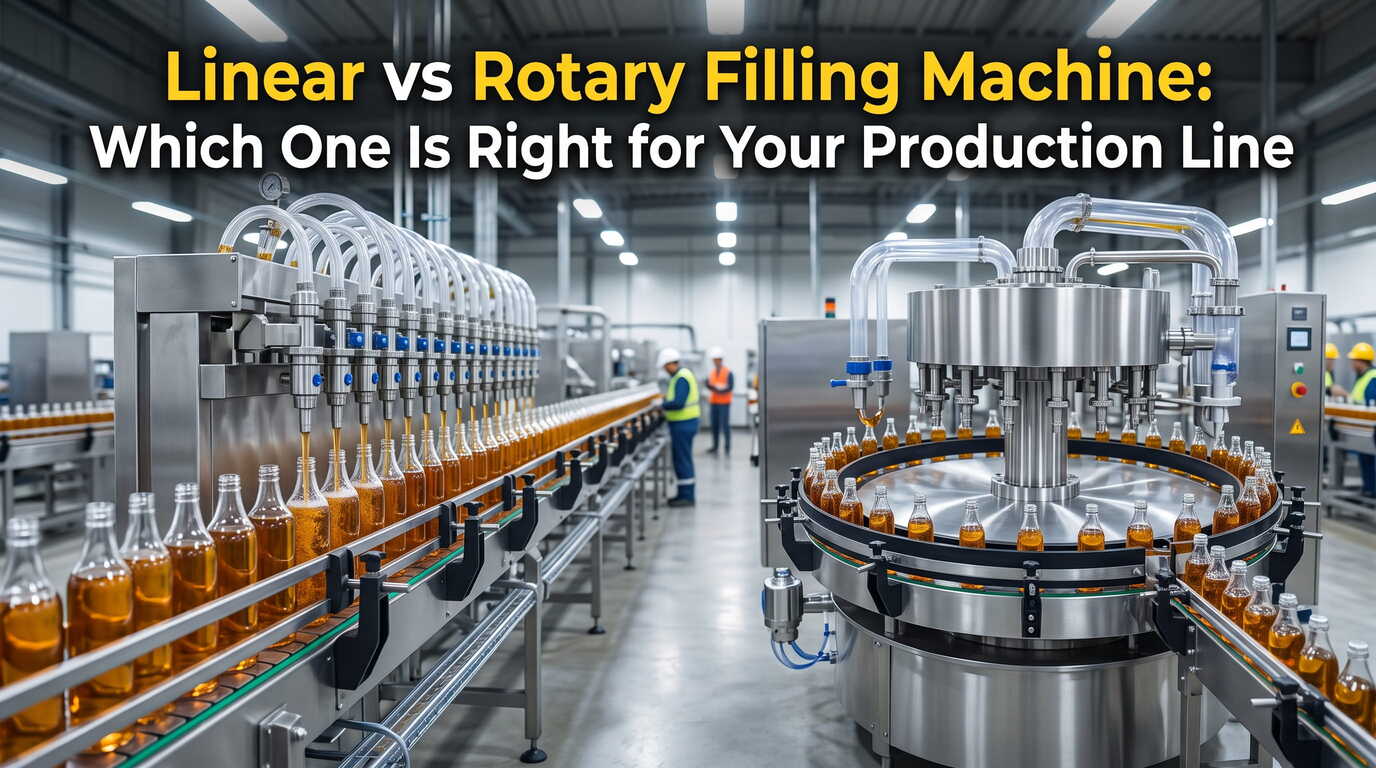
- آلة التعبئة: يعد هذا الجهاز قلب خط تعبئة المشروبات الغازية، حيث يقوم بتوزيع المشروبات الغازية في الزجاجات مع الحفاظ على مستويات الكربنة. هناك طرق تعبئة متنوعة، بما في ذلك التعبئة بالجاذبية، وبالضغط، وبالتفريغ، ويعتمد الاختيار على المنتج المحدد الذي يتم تعبئته.
- آلة الإغلاق (السد): بعد التعبئة، تقوم آلة الإغلاق بإغلاق الزجاجات بإحكام لمنع التسرب والحفاظ على الكربنة. يمكن استخدام أنواع مختلفة من الأغطية، اعتماداً على متطلبات المنتج.
- آلة وضع الملصقات: يقوم هذا المكون بوضع ملصقات المنتج التي تعد ضرورية للعلامة التجارية ومعلومات المستهلك. إن وضع الملصقات بدقة ليس مجرد متطلب تنظيمي، بل يلعب أيضاً دوراً حيوياً في التسويق.
- محطة التعبئة والتغليف: بمجرد تعبئة الزجاجات وإغلاقها ووضع الملصقات عليها، يتم تغليفها للتوزيع. يعمل نظام التغليف المصمم جيداً على تحسين المساحة وضمان النقل الآمن.
سير عمل خط تعبئة المشروبات الغازية
لا تعود كفاءة خط تعبئة المشروبات الغازية إلى مكوناته الفردية فحسب، بل تكمن أيضاً في سير العمل السلس بين هذه المكونات. فيما يلي تفصيل خطوة بخطوة لكيفية عمل خط تعبئة المشروبات الغازية النموذجي:
الخطوة 1: تحضير الزجاجات
تبدأ العملية بنقل الزجاجات الفارغة إلى محطة الشطف. قد تصل الزجاجات بكميات كبيرة وتحتاج إلى توجيهها بشكل صحيح للشطف والتعبئة.
الخطوة 2: الشطف
في محطة الشطف، تتعرض الزجاجات لنفاثات من الماء المعقم أو الهواء. هذه العملية ضرورية للتخلص من الأوساخ أو جزيئات الغبار أو أي روائح متبقية من المحتويات السابقة.
الخطوة 3: التعبئة
بعد الشطف، تنتقل الزجاجات النظيفة إلى آلة التعبئة. تم تصميم عملية التعبئة للتعامل مع السوائل الغازية بعناية، مما يضمن سرعة التعبئة والضغط المناسبين للحفاظ على مستويات الكربنة. تعد رؤوس التعبئة الدقيقة مفيدة في تحقيق الحد الأدنى من الرغوة أثناء عملية التعبئة.
الخطوة 4: الإغلاق (السد)
بمجرد تعبئتها، يتم نقل الزجاجات فوراً إلى محطة الإغلاق. تضمن آلة الإغلاق الفعالة إغلاق كل زجاجة بشكل صحيح، مما يقلل من مخاطر الانسكاب والتلوث.
الخطوة 5: وضع الملصقات
مع تثبيت الأغطية بإحكام، تنتقل الزجاجات إلى آلة وضع الملصقات، حيث تحصل على ملصقات العلامة التجارية. تعد الدقة في وضع الملصقات ضرورية للامتثال للمعايير التنظيمية وتعزز التعرف على العلامة التجارية.
الخطوة 6: فحص الجودة والتغليف
أخيراً، تخضع الزجاجات لفحوصات الجودة لاكتشاف أي مشكلات مثل الزجاجات غير الممتلئة أو العيوب. يتم بعد ذلك تغليف الزجاجات المعتمدة، غالباً باستخدام آلات تعبئة الكرتون أو المنصات، مما يجهزها للشحن.
فوائد تنفيذ خط تعبئة المشروبات الغازية
يوفر اعتماد خط تعبئة المشروبات الغازية في إنتاج المشروبات فوائد لا حصر لها، مما يعزز كفاءة التشغيل وجودة المنتج. فيما يلي بعض المزايا الجديرة بالذكر:
1. زيادة الكفاءة
من خلال أتمتة عملية التعبئة، يمكن للمصنعين تقليل الوقت والعمالة المطلوبة للتعبئة بشكل كبير. يمكن لخط تعبئة المشروبات الغازية الفعال معالجة آلاف الزجاجات في الساعة، مما يلبي الطلب المتزايد على المشروبات الغازية.
2. جودة منتج محسنة
يعد الحفاظ على الكربنة أمراً حيوياً للحفاظ على المذاق والقوام الذي يتوقعه المستهلكون من المشروبات الغازية. يقلل خط التعبئة المصمم جيداً من تعرض المنتج للهواء، مما يحافظ بفعالية على جودة المذاق ويطيل مدة الصلاحية.
3. تحسين السلامة والتعقيم
مع بروتوكولات التنظيف والشطف الصارمة، يعزز خط تعبئة المشروبات الغازية سلامة المنتج. من خلال تقليل المناولة اليدوية وتنفيذ الشطف والإغلاق الآلي، تنخفض مخاطر التلوث بشكل كبير.
4. المرونة في الإنتاج
غالباً ما يتم تصميم خطوط تعبئة المشروبات الغازية الحديثة للتعامل مع أحجام زجاجات وأنواع منتجات متعددة. تسمح هذه المرونة للمصنعين بالتبديل بسرعة بين المنتجات استجابة لاتجاهات السوق دون الحاجة إلى إعادة تهيئة واسعة النطاق.
5. فعالية التكلفة
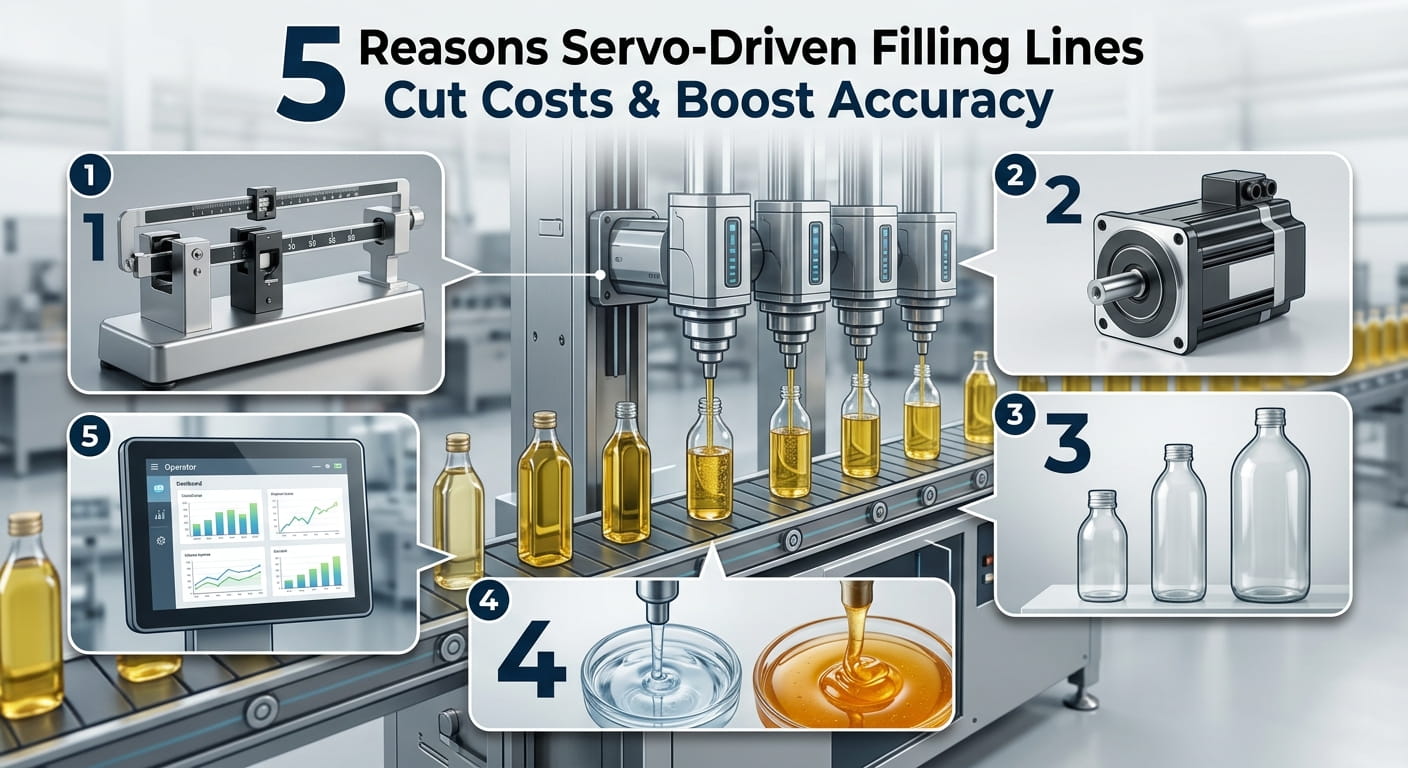
على الرغم من أن الاستثمار الأولي في خط تعبئة المشروبات الغازية قد يكون كبيراً، إلا أن المدخرات طويلة الأجل من خلال زيادة الإنتاج، وتقليل تكاليف العمالة، وتقليل هدر المنتج يمكن أن تؤدي إلى عوائد استثمار رائعة. يمكن إعادة توجيه الأموال التي يتم توفيرها من العمالة نحو البحث والتطوير والتسويق.
التحديات والاعتبارات
على الرغم من المزايا العديدة، هناك تحديات مرتبطة بتنفيذ خط تعبئة المشروبات الغازية. من الضروري التعامل مع هذا التحول بتخطيط دقيق.
1. الاستثمار الرأسمالي الأولي
يمكن أن تكون تكلفة شراء خط تعبئة المشروبات الغازية كبيرة. تحتاج الشركات إلى الاستعداد لهذا الاستثمار وتقييم خيارات التمويل. قد يكون من المفيد إجراء تحليل مفصل للتكلفة والعائد لفهم الآثار المالية طويلة الأجل.
2. تكاليف الصيانة
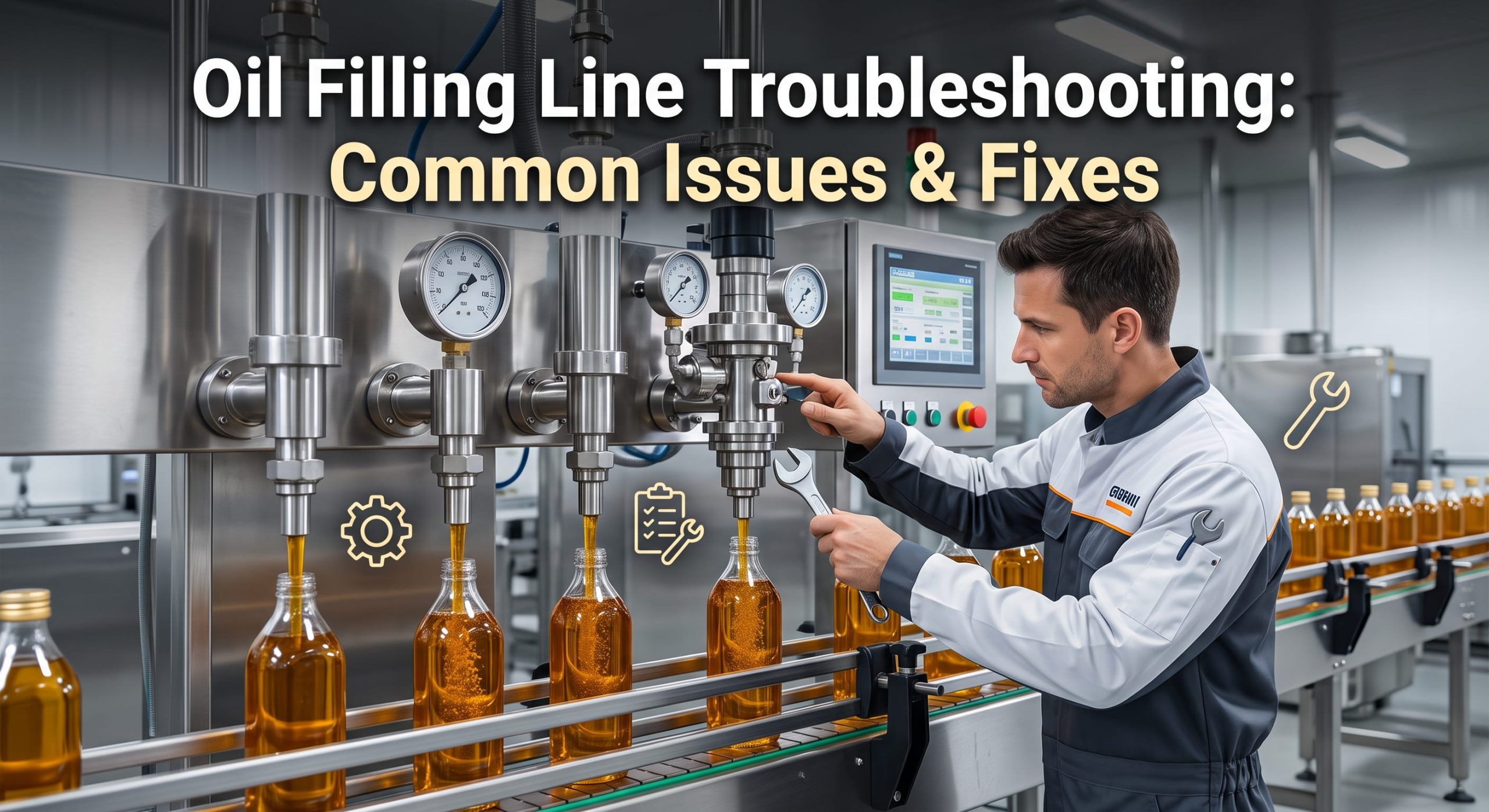
تعد الصيانة الدورية أمراً بالغ الأهمية لضمان الكفاءة التشغيلية المثلى. يجب على المصنعين مراعاة التكاليف المحتملة المرتبطة بالصيانة الروتينية وتجهيز أنفسهم بالمعرفة أو الموظفين المناسبين لاستكشاف الأخطاء وإصلاحها.
3. تدريب الموظفين
يتطلب إدخال التكنولوجيا المتقدمة قوة عاملة مدربة بشكل كافٍ. يجب على الشركات الاستثمار في برامج التدريب لضمان مهارة الموظفين في تشغيل المعدات وصيانتها بأمان وفعالية.
الخلاصة
يعد خط تعبئة المشروبات الغازية أصلاً لا غنى عنه في إنتاج المشروبات الغازية، حيث يعزز الكفاءة والسلامة وسلامة المنتج. إن الفهم الكامل لمكوناته وسير عمله وفوائده يمكن أن يمكّن مصنعي المشروبات بشكل كبير من وضع استراتيجيات فعالة تلبي متطلبات السوق. مع استمرار تطور مشهد المشروبات، قد لا يكون دمج خط تعبئة المشروبات الغازية المتطور مجرد ميزة تنافسية، بل ضرورة للنجاح في صناعة المشروبات المزدهرة.