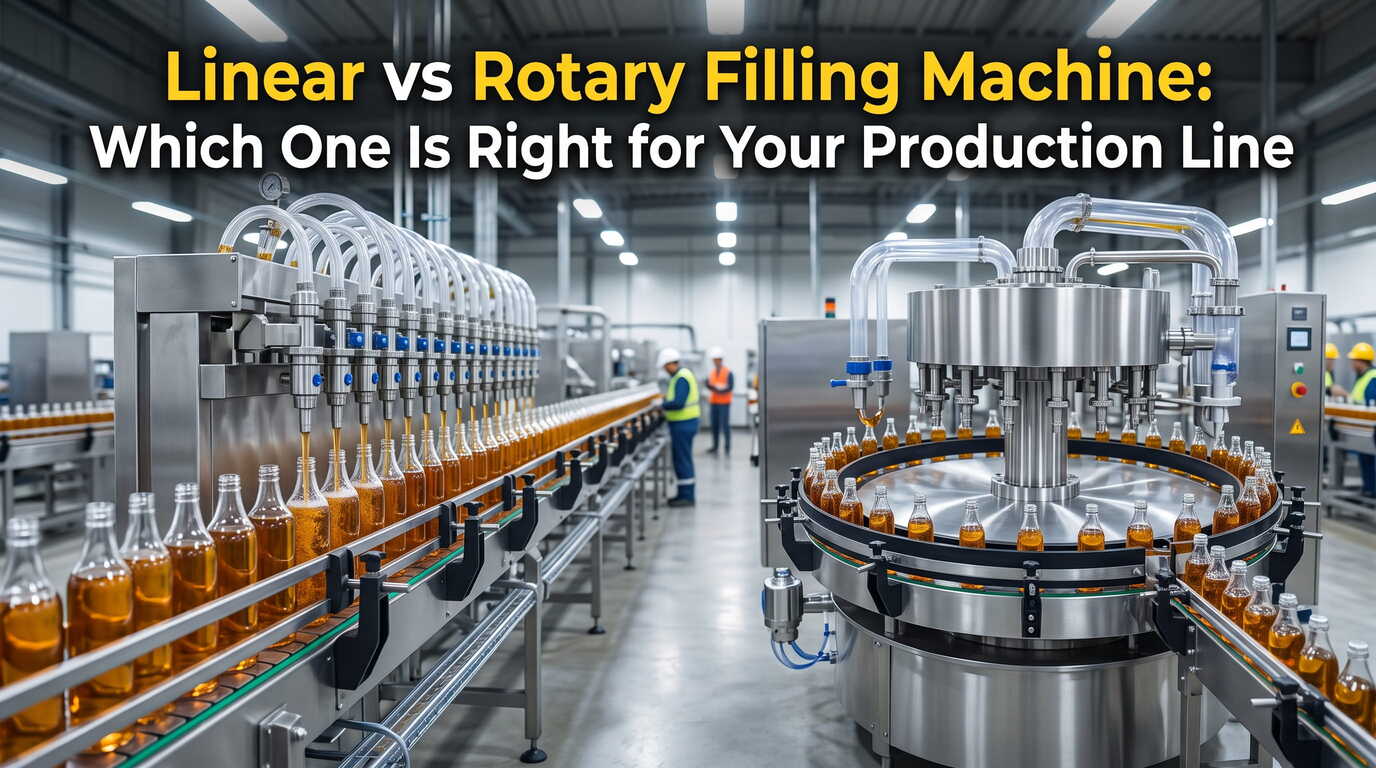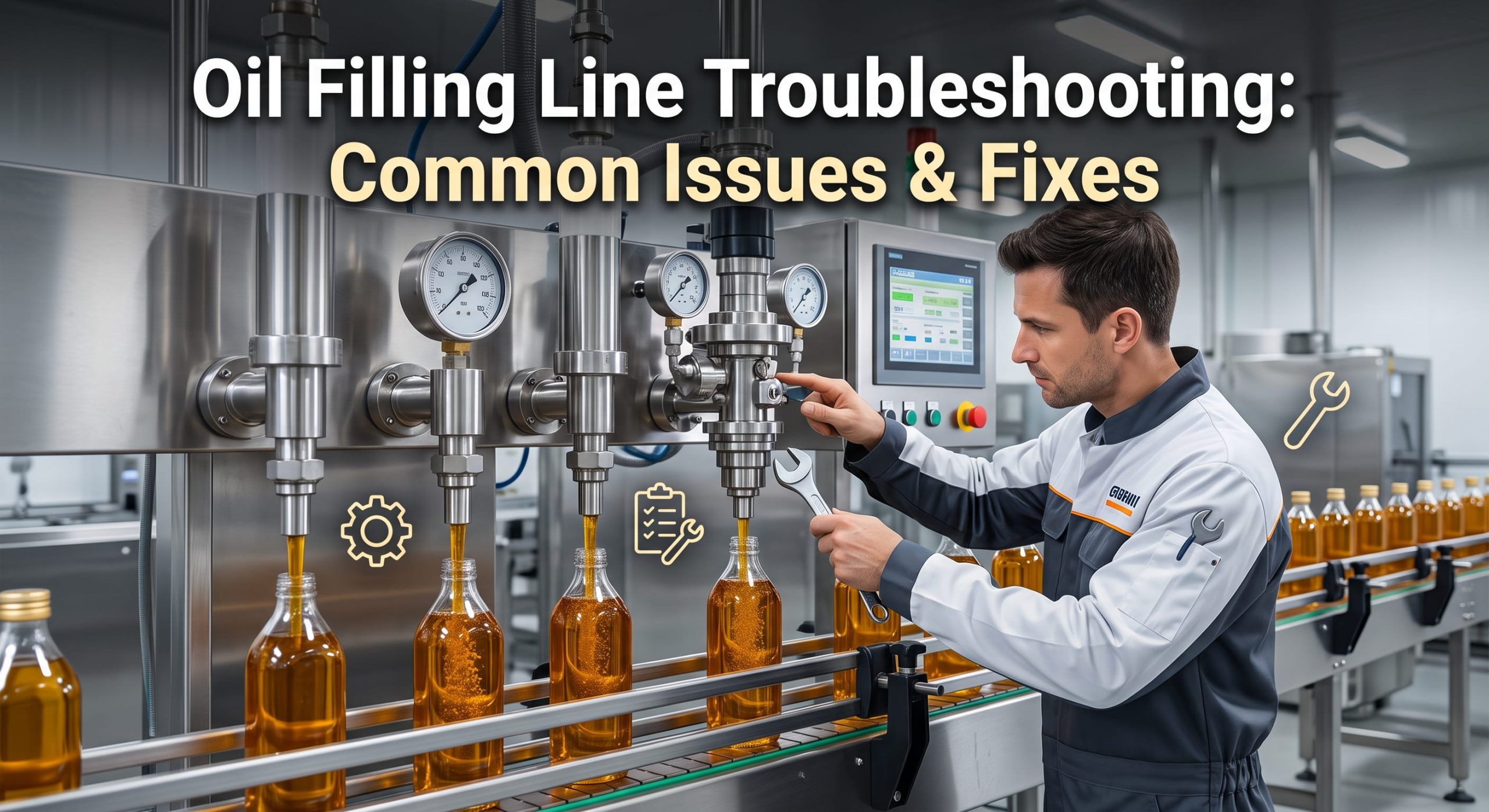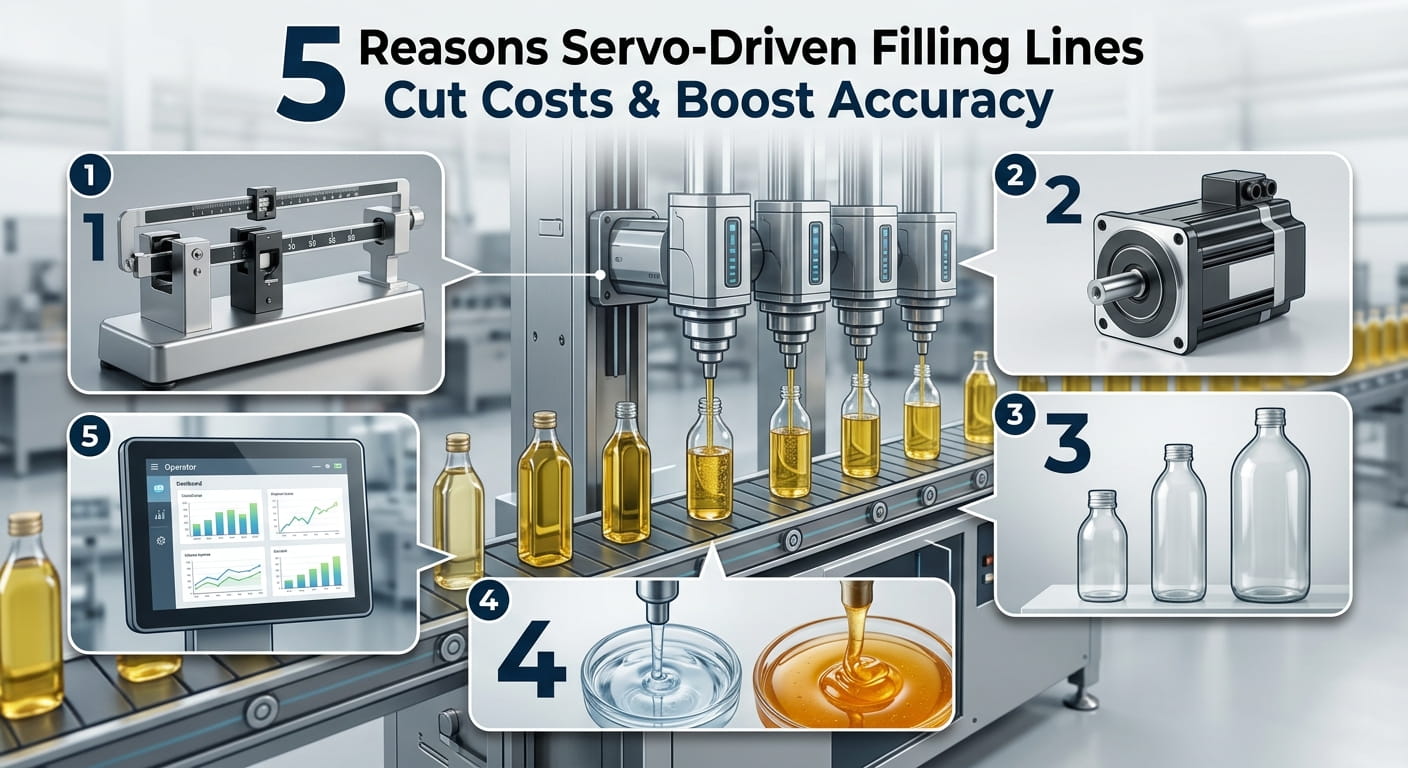
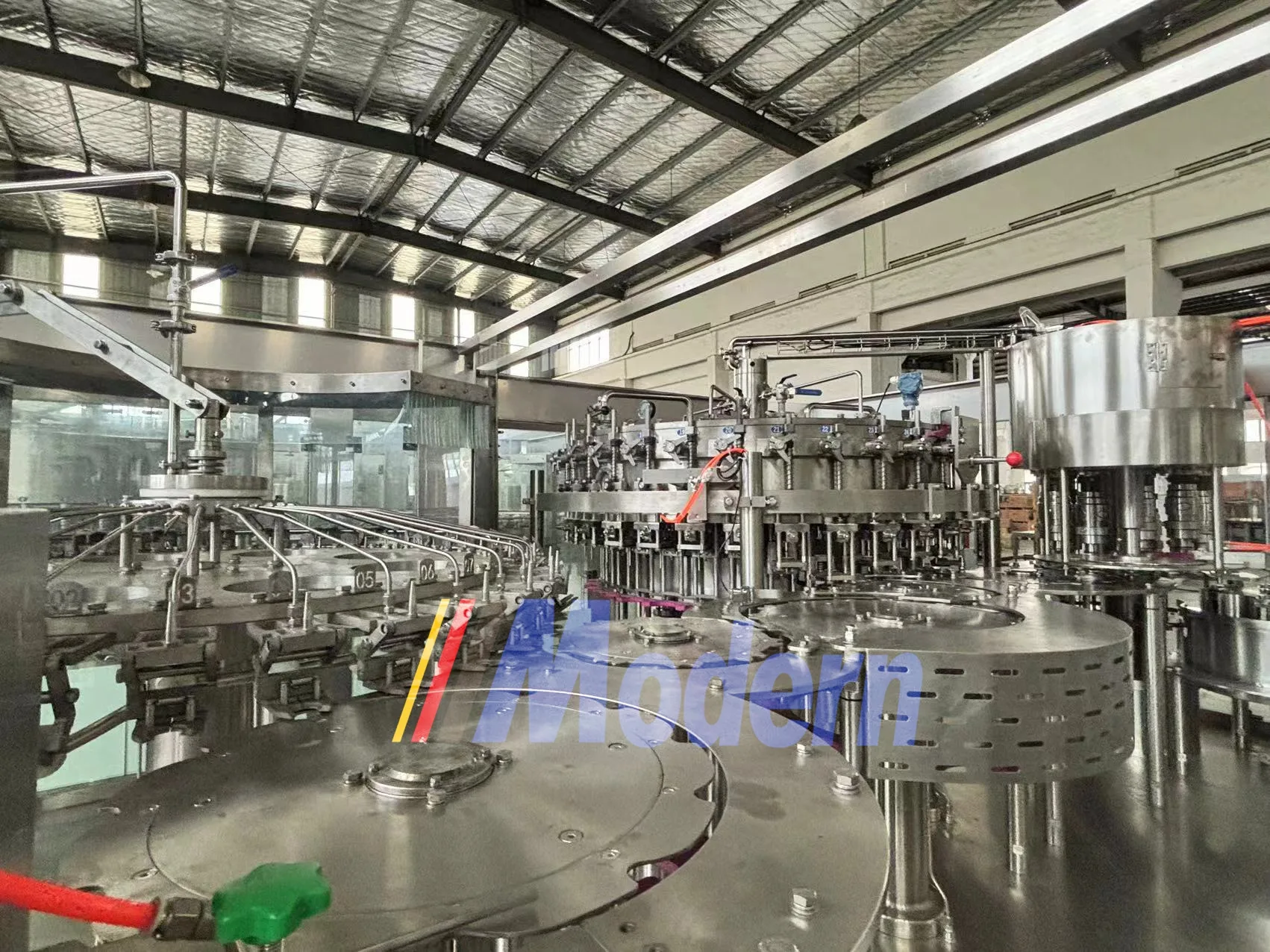
في مختلف العمليات الصناعية، يمثل التعامل مع السوائل عالية اللزوجة وتعبئتها تحديات فريدة يمكن أن تعيق الكفاءة والجودة. تتطلب السوائل عالية اللزوجة، مثل المواد اللاصقة والمعاجين والهلام، معدات وتقنيات متخصصة لضمان تعبئة دقيقة ومتسقة. في هذا المقال، سنستكشف التحديات المحددة التي تواجه تعبئة السوائل عالية اللزوجة، ونتعمق في كيفية تقديم الآلات المتقدمة لحلول مبتكرة للتغلب على هذه العقبات.
التحديات:
1. الدقة والإحكام
أحد التحديات الرئيسية عند تعبئة السوائل عالية اللزوجة هو الحفاظ على الدقة والإحكام طوال العملية. ونظراً لطبيعة هذه السوائل السميكة واللزجة، قد يكون قياس الكميات الدقيقة أمراً صعباً. كما يمكن أن تؤثر الاختلافات في اللزوجة على معدل التدفق، مما يؤدي إلى تفاوت في مستويات التعبئة.
2. حبس الهواء
السوائل عالية اللزوجة أكثر عرضة لاحتجاز فقاعات الهواء أثناء عملية التعبئة. يمكن أن تؤدي جيوب الهواء إلى الإضرار بجودة التعبئة وخلق مشكلات مثل التوزيع غير المتساوي وهدر المنتج. إن إزالة الهواء من هذه المواد اللزجة يدوياً عملية تستغرق وقتاً طويلاً وغالباً ما تكون غير فعالة.
3. التنظيف والصيانة
تحدٍ كبير آخر يتمثل في تنظيف وصيانة المعدات بعد تعبئة السوائل عالية اللزوجة. يمكن للبقايا التي تتركها هذه المواد أن تتصلب وتسد الأنابيب والصمامات والفوهات، مما يؤدي إلى توقف العمليات من أجل التنظيف واحتمالية تلف الآلات بمرور الوقت.
حلول الآلات:
1. مضخات الإزاحة الإيجابية
تعد مضخات الإزاحة الإيجابية حلاً شائعاً لتعبئة السوائل عالية اللزوجة بدقة. تعمل هذه المضخات عن طريق إزاحة حجم محدد من السائل مع كل دورة ضخ، مما يضمن تعبئة دقيقة بغض النظر عن تغيرات اللزوجة. بالإضافة إلى ذلك، فهي تساعد في منع حبس الهواء من خلال توفير تدفق مستمر ومتسق.
2. آلات التعبئة بالتفريغ (الفراغ)
تعتبر آلات التعبئة بالتفريغ فعالة في إزالة فقاعات الهواء من السوائل عالية اللزوجة قبل التعبئة. من خلال إنشاء تفريغ هوائي داخل الحاوية، تقوم هذه الآلات بسحب الهواء، مما يضمن تعبئة خالية من الفقاعات والحفاظ على سلامة المنتج. تقلل هذه العملية من مخاطر الانسكاب والهدر.
3. أنظمة التنظيف الآلي
لمعالجة تحديات التنظيف والصيانة، تأتي آلات التعبئة المتقدمة مجهزة بأنظمة تنظيف آلية. تستخدم هذه الأنظمة محاليل وعمليات تنظيف فعالة للقضاء على تراكم البقايا ومنع الانسداد، مما يقلل من وقت التوقف عن العمل ويطيل عمر المعدات.
نصائح عملية لتعبئة فعالة:
1. تحسين التحكم في درجة الحرارة
يعد التحكم في درجة حرارة السوائل عالية اللزوجة أمراً بالغ الأهمية للحفاظ على خصائص تدفقها. تأكد من تسخين السوائل أو تبريدها إلى نطاق درجة الحرارة المثالي قبل التعبئة لتحقيق اللزوجة ومعدلات التدفق المثلى.
2. الصيانة والفحص الدوري
قم بتنفيذ جدول صيانة دوري لمعدات التعبئة لمنع حدوث مشكلات مثل الانسداد والتآكل. افحص الأختام والصمامات والأنابيب بحثاً عن علامات التلف، واستبدل أي مكونات تالفة لضمان التشغيل السلس.
3. إجراء اختبارات المنتج
قبل الإنتاج على نطاق واسع، قم بإجراء اختبارات شاملة للمنتج باستخدام آلات وإعدادات تعبئة مختلفة لتحديد الحل الأنسب لسائلك عالي اللزوجة. اضبط المعلمات حسب الحاجة لتحقيق نتائج تعبئة متسقة ودقيقة.
الخلاصة:
تطرح تعبئة السوائل عالية اللزوجة تحديات فريدة يمكن أن تؤثر على الكفاءة والجودة والإنتاجية الإجمالية في العمليات الصناعية. من خلال فهم هذه التحديات والاستفادة من حلول الآلات المبتكرة، يمكن للشركات تبسيط عمليات التعبئة الخاصة بها وضمان تعبئة متسقة ودقيقة وخالية من الهواء. كما أن تنفيذ النصائح العملية واستراتيجيات الصيانة يعزز من موثوقية وطول عمر معدات التعبئة، مما يساهم في عملية إنتاج سلسة.