
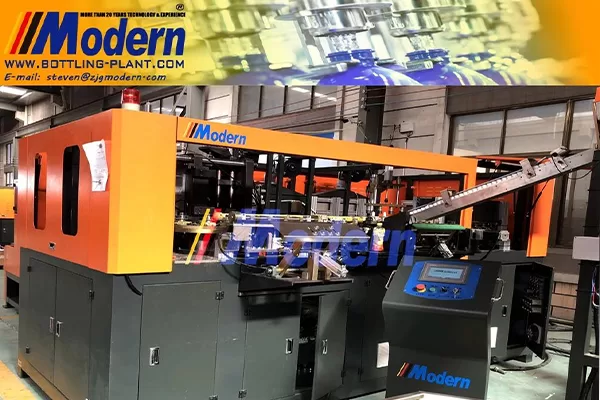
في عصر أصبحت فيه مياه الشرب النظيفة والآمنة أمراً بالغ الأهمية، يستمر الطلب على المياه المعبأة في الارتفاع. لقد أصبحت صناعة التعبئة حجر الزاوية في الراحة الحديثة، حيث توفر للمستهلكين حلولاً سهلة للترطيب. وتعتبر آلات تعبئة المياه المعبأة عنصراً أساسياً في هذه الصناعة، فهي لا تضمن كفاءة الإنتاج فحسب، بل تحافظ أيضاً على جودة وسلامة المياه التي يتم تعبئتها. يتعمق هذا المقال في تفاصيل آلات تعبئة المياه المعبأة، ويغطي أنواعها ووظائفها وأفضل الممارسات للتنفيذ الفعال.
فهم آلات تعبئة المياه المعبأة
آلات تعبئة المياه المعبأة هي معدات متخصصة مصممة لأتمتة عملية تعبئة الحاويات بالمياه. وهي تعمل على تبسيط مراحل مختلفة من عملية التعبئة، بما في ذلك الشطف والتعبئة والإغلاق، مما يزيد من الكفاءة ويقلل من الخطأ البشري. هذه الآلات لا غنى عنها في مرافق الإنتاج واسعة النطاق التي تلبي احتياجات المستهلكين والاحتياجات التجارية.
أنواع آلات تعبئة المياه المعبأة
إن فهم الأنواع المختلفة لآلات تعبئة المياه المعبأة يمكن أن يساعد الشركات على اختيار المعدات المناسبة بناءً على احتياجاتها التشغيلية. وتشمل الأنواع الرئيسية ما يلي:
- آلات التعبئة بالجاذبية: تستفيد هذه الآلات من الجاذبية لتعبئة الزجاجات، مما يجعلها مناسبة للمشروبات غير الغازية مثل الماء. وهي بسيطة نسبياً وفعالة من حيث التكلفة.
- آلات التعبئة بالمكبس: باستخدام آلية المكبس، تتميز هذه الآلات بالدقة والقدرة على التعامل مع لزوجات مختلفة. وهي مثالية للمشروبات الأكثر كثافة، مما يتيح مرونة أكبر.
- آلات التعبئة بالتفريغ الهوائي: تعتبر آلات التعبئة بالتفريغ مثالية للمنتجات الحساسة، حيث تقلل من التعرض للهواء. وهي تعمل عن طريق خلق فراغ يسحب السائل إلى الحاوية، مما يضمن الحفاظ على الجودة.
- آلات التعبئة بالضغط: باستخدام أنظمة الضغط، تعد هذه الآلات مناسبة للمشروبات الغازية. وهي تضمن معدل إنتاج أسرع، مما يجعلها أكثر كفاءة للمتطلبات ذات الحجم الكبير.
الميزات الرئيسية لآلات تعبئة المياه المعبأة
تنبع فعالية وكفاءة آلات تعبئة المياه المعبأة من ميزات متنوعة مصممة لتعزيز الإنتاجية والحفاظ على جودة المياه:
الأتمتة والتحكم
تم تجهيز الآلات الحديثة بأنظمة آلية تسمح بالتحكم الدقيق في كل مرحلة من مراحل التعبئة. ويشمل ذلك عمليات الشطف والتعبئة والإغلاق الآلية، مما يقلل الحاجة إلى التدخل اليدوي ويزيد من السرعة.
سرعات تعبئة قابلة للتعديل
للتكيف مع متطلبات الإنتاج المتغيرة، توفر العديد من آلات التعبئة سرعات تعبئة قابلة للتعديل. تتيح هذه الميزة للمصنعين تحسين معدلات الإنتاج بناءً على الاحتياجات الحالية، مما يساعد في إدارة سير العمل وتجنب الاختناقات.
أنظمة ضمان الجودة
تعد مراقبة الجودة أمراً بالغ الأهمية في صناعة المياه المعبأة. تأتي العديد من الآلات مع أنظمة مدمجة لضمان الجودة تراقب متغيرات مثل مستويات التعبئة ووجود الملوثات، مما يضمن وصول المنتجات ذات الجودة العالية فقط إلى المستهلكين.
كفاءة الطاقة
مع تزايد التركيز على الاستدامة في الصناعات في جميع أنحاء العالم، يمكن لآلات تعبئة المياه المعبأة الموفرة للطاقة أن تقلل من التأثير البيئي. يبحث المصنعون بشكل متزايد عن معدات تستهلك طاقة أقل أثناء التشغيل مع الحفاظ على أداء عالٍ.
اختيار آلة تعبئة المياه المعبأة المناسبة
يعد اختيار آلة تعبئة المياه المعبأة المناسبة أمراً ضرورياً للكفاءة التشغيلية. يجب مراعاة عدة عوامل خلال هذه العملية:
القدرة الإنتاجية
قم بتقييم القدرة الإنتاجية التي تتناسب مع احتياجات عملك. قد تستفيد العمليات الصغيرة من آلات أبسط قادرة على تعبئة عدد أقل من الزجاجات في الساعة. وعلى العكس من ذلك، يجب على المنتجين على نطاق واسع اعتماد آلات عالية السعة يمكنها تعبئة مئات أو آلاف الزجاجات في إطار زمني معين.
قيود الميزانية
يمثل الاستثمار في آلة تعبئة التزاماً مالياً كبيراً. قم بتقييم ميزانيتك وحدد التوازن المناسب بين التكاليف الأولية والكفاءة التشغيلية طويلة الأجل. في حين أن الخيارات الأقل سعراً قد تكون مغرية، إلا أن ضمان الموثوقية والمتانة يجب أن يكون له الأولوية.
الصيانة والدعم
يعد اختيار آلة توفر سهولة في الصيانة أمراً بالغ الأهمية. ابحث عن المعدات التي تتضمن ضمانات ودعماً فنياً موثوقاً للتعامل مع أي مشكلات تشغيلية على الفور.
أفضل الممارسات للتشغيل والصيانة
لتحقيق أقصى قدر من العمر الافتراضي وكفاءة آلات تعبئة المياه المعبأة، يعد الالتزام بأفضل الممارسات أمراً حيوياً:
التنظيف والتعقيم الدوري
نظراً لأهمية النظافة في صناعة التعبئة، يجب أن يكون التنظيف والتعقيم المنتظم أولوية قصوى. سيؤدي اتباع جدول تنظيف محدد إلى منع التلوث وضمان عمل الآلات بسلاسة.
عمليات التفتيش الروتينية والصيانة الوقائية
ضع روتيناً لفحص مكونات الآلة الحيوية لتحديد أي تآكل قبل أن يؤدي إلى أعطال. يمكن للصيانة الوقائية أن تطيل عمر المعدات بشكل كبير، مما يحافظ على تشغيل خطوط الإنتاج بكفاءة.
تدريب الموظفين
يعد الموظفون المدربون تدريباً جيداً ضروريين لتشغيل الآلة بفعالية. تأكد من أن الموظفين على دراية بإرشادات التشغيل وبروتوكولات السلامة وإجراءات الصيانة لتقليل الحوادث وتعزيز الإنتاجية.
الاتجاهات المستقبلية في تكنولوجيا تعبئة المياه المعبأة
يتطور عالم آلات تعبئة المياه المعبأة بسرعة، مع وجود العديد من الاتجاهات المهيأة لتشكيل مستقبل الصناعة:
تكامل التكنولوجيا الذكية
يُحدث دمج التكنولوجيا الذكية ثورة في الصناعة. ويشمل ذلك اتصال إنترنت الأشياء (IoT)، مما يسمح بالمراقبة والتشخيص عن بُعد، مما يعزز الكفاءة التشغيلية والرقابة على الإنتاج.
حلول مستدامة
مع تزايد أهمية الاستدامة للمستهلكين، تستثمر الشركات في حلول تعبئة صديقة للبيئة. ويشمل ذلك آلات تقلل من النفايات وتعزز قابلية إعادة التدوير، بالإضافة إلى طرق لتقليل استهلاك المياه أثناء الإنتاج.
تقنيات متقدمة لمراقبة الجودة
يتم دمج تقنيات متقدمة مثل الذكاء الاصطناعي والتعلم الآلي في عمليات مراقبة الجودة. تتيح هذه الابتكارات المراقبة والتحليل في الوقت الفعلي، مما يؤدي إلى تحديد أسرع للعيوب واتخاذ إجراءات وقائية.
الخلاصة
تلعب آلات تعبئة المياه المعبأة دوراً لا غنى عنه في صناعة المشروبات، حيث تعزز الكفاءة والسلامة في إنتاج المياه. من خلال فهم الأنواع المختلفة من الآلات المتاحة وميزاتها وأفضل الممارسات للتشغيل، يمكن للشركات اتخاذ قرارات مستنيرة تتماشى مع احتياجات الإنتاج الخاصة بها. ومع استمرار التطورات التكنولوجية في إعادة تشكيل الصناعة، فإن مواكبة الاتجاهات ستضمن للشركات ليس فقط تلبية طلب المستهلكين ولكن أيضاً المساهمة بشكل إيجابي في البيئة. في النهاية، يمكن أن يمهد حل التعبئة المناسب الطريق لمشروع ناجح في سوق المياه المعبأة.


