في بيئة التصنيع سريعة الخطى اليوم، تعد الكفاءة والجودة من أهم الأولويات. ومع الطلب المتزايد باستمرار على المشروبات والمنتجات المعبأة في زجاجات، تحتاج الشركات إلى معدات موثوقة للحفاظ على معايير عالية. وهنا يأتي دور آلات غسل وتعبئة وإغلاق الزجاجات. إن فهم الموردين المختلفين وما يقدمونه يمكن أن يحدث فرقاً كبيراً في تحسين خطوط الإنتاج. تتعمق هذه المقالة في تفاصيل موردي آلات غسل وتعبئة وإغلاق الزجاجات، وتستكشف أهميتها، وميزاتها الرئيسية، ونصائح لاختيار المورد المناسب لاحتياجاتك.
أهمية حلول التعبئة والتغليف الآلية
في صناعة المشروبات والتعبئة والتغليف، تؤثر كفاءة خطوط الإنتاج بشكل مباشر على الأرباح النهائية للشركة. تعمل حلول التعبئة والتغليف الآلية، مثل آلات غسل وتعبئة وإغلاق الزجاجات، على تبسيط العملية، مما يقلل من تكاليف العمالة ويزيد من الإنتاجية. تضمن هذه الآلات عدم تعبئة المنتجات بالحجم الصحيح فحسب، بل أيضاً ضمان نظافتها وإغلاقها بإحكام. ونظراً لمعايير الجودة الصارمة في الصناعة، يصبح دور المورد الموثوق أمراً بالغ الأهمية.
أنواع آلات غسل وتعبئة وإغلاق الزجاجات
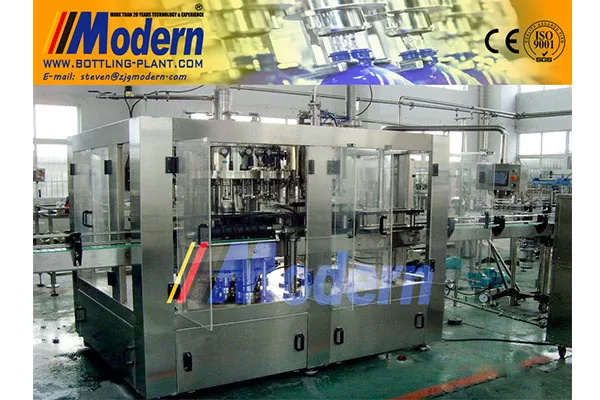
يعد فهم أنواع الآلات المتاحة أمراً بالغ الأهمية عند تقييم الموردين. يمكن تصنيف آلات غسل وتعبئة وإغلاق الزجاجات إلى عدة فئات:
1. آلات غسل الزجاجات
تم تصميم هذه الآلات لتنظيف الزجاجات جيداً قبل البدء في أي عملية تعبئة. وهي تستخدم تقنيات غسل متنوعة، تشمل:
- نفاثات الضغط العالي
- التنظيف بالموجات فوق الصوتية
- الغسيل الكيميائي
يمكن أن يؤدي استخدام دورات غسل فعالة إلى تقليل استهلاك المياه والطاقة، مما يجعلها خياراً صديقاً للبيئة للمصنعين.
2. آلات تعبئة الزجاجات
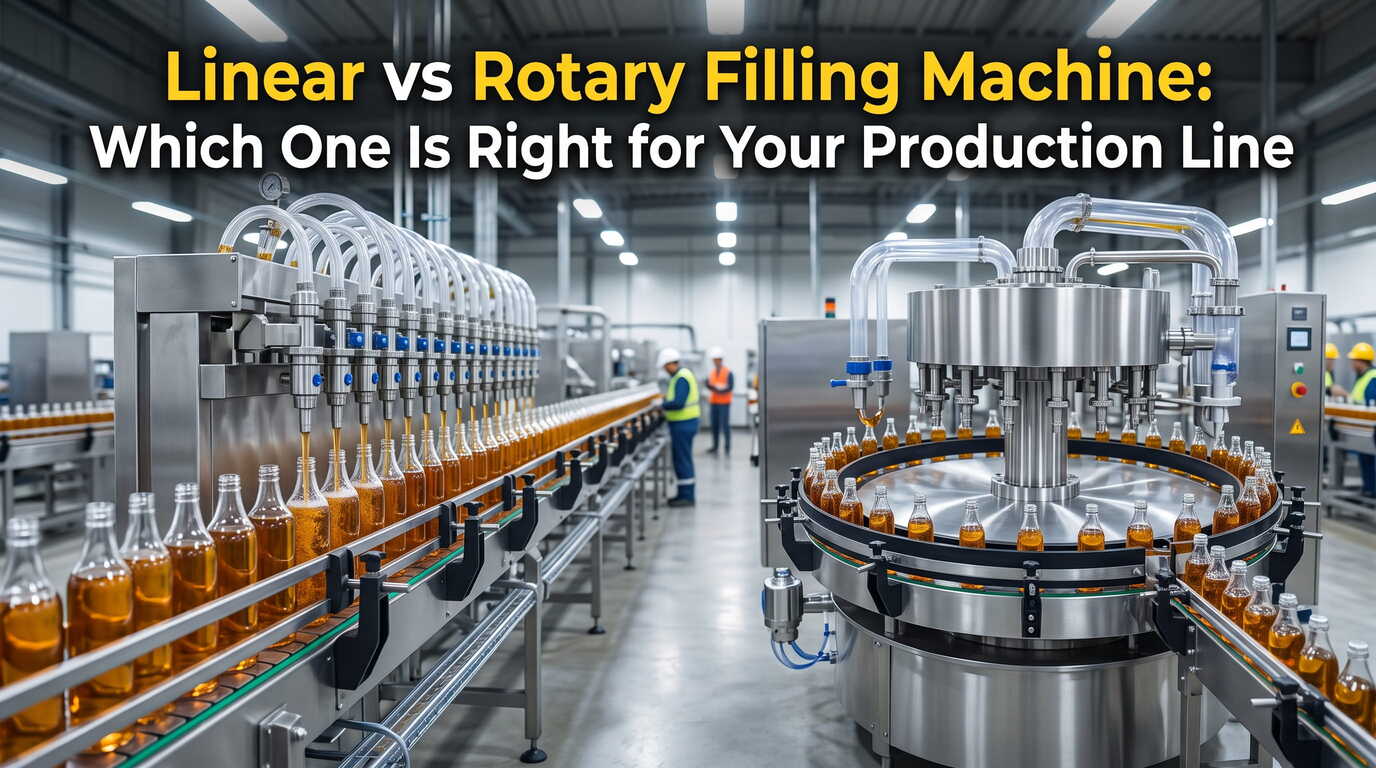
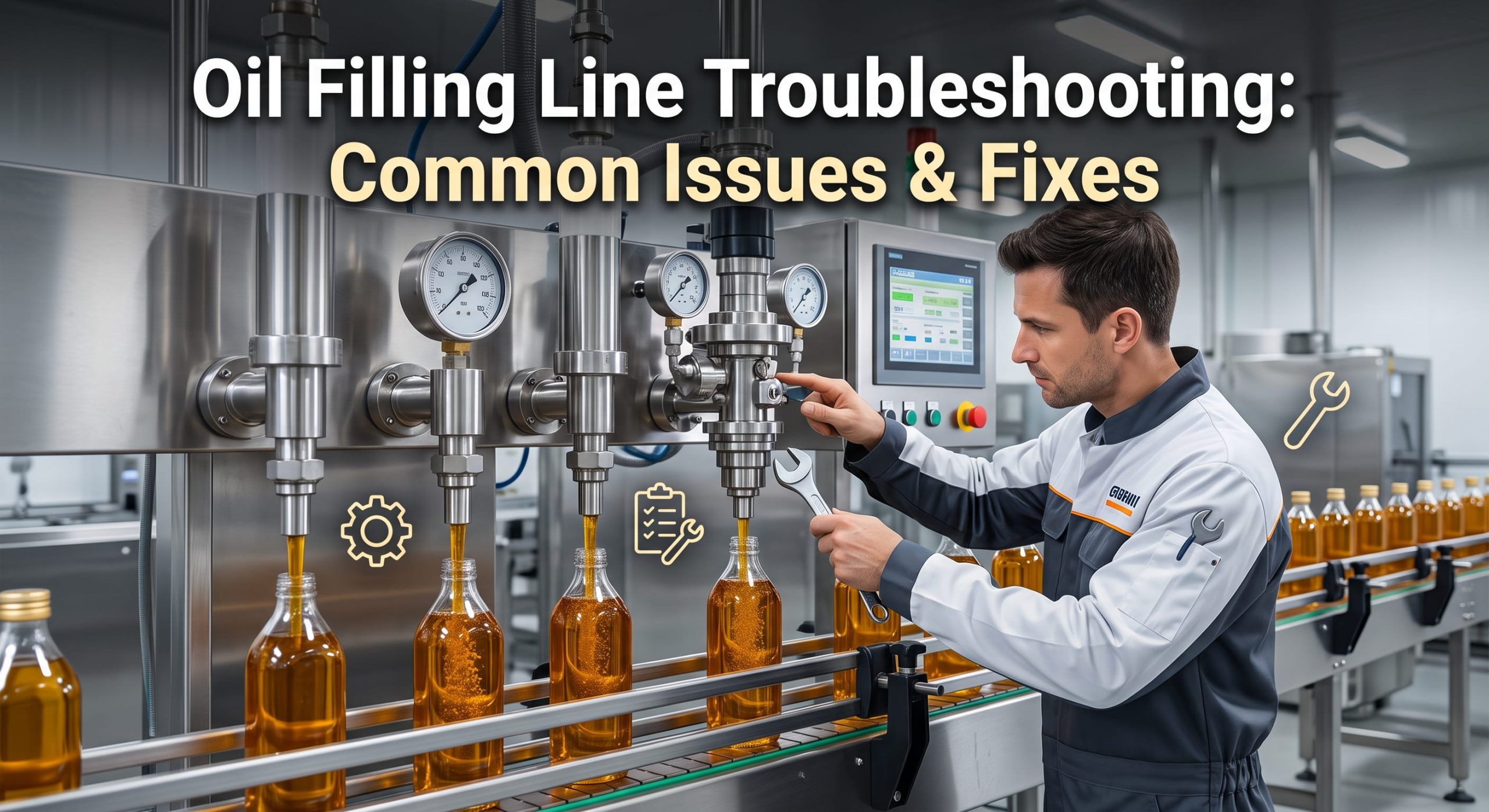
تختلف آلات التعبئة بناءً على نوع المنتج، بما في ذلك المنتجات السائلة وشبه السائلة والصلبة. تشمل الأنواع الرئيسية:
- آلات التعبئة بالجاذبية (Gravity fillers)
- آلات التعبئة بالكباس (Piston fillers)
- آلات التعبئة بالتفريغ (Vacuum fillers)
- آلات التعبئة بالوزن الصافي (Net weight fillers)
يقدم كل نوع مزايا متميزة، مثل الدقة والسرعة، مصممة خصيصاً لتلبية احتياجات صناعية محددة.
3. آلات إغلاق الزجاجات
بعد التعبئة، تعد عملية الإغلاق ضرورية لضمان سلامة المنتج. تشمل الأنواع المختلفة لآلات الإغلاق:
- آلات الإغلاق المغزلية (Spindle cappers)
- آلات الإغلاق بالدرفلة (Roll-on cappers)
- آلات الإغلاق بالضغط (Snap cappers)
يعتمد اختيار آلة الإغلاق على تصميم الزجاجة ونوع الغطاء المستخدم، مما يؤكد الحاجة إلى قاعدة موردين متنوعة.
الميزات الرئيسية التي يجب البحث عنها في الموردين
عند تقييم موردي آلات غسل وتعبئة وإغلاق الزجاجات، هناك العديد من الميزات الرئيسية التي يجب مراعاتها:
1. خيارات التخصيص
كل خط إنتاج فريد من نوعه، وقد لا يكون النهج الموحد مناسباً. ابحث عن الموردين الذين يقدمون خيارات تخصيص، مما يسمح لك بتكييف الآلات لتناسب احتياجات المعالجة الخاصة بك، بما في ذلك حجم الماكينة وسرعتها والميزات المناسبة لنوع الزجاجة الخاص بك.
2. التكنولوجيا والابتكار
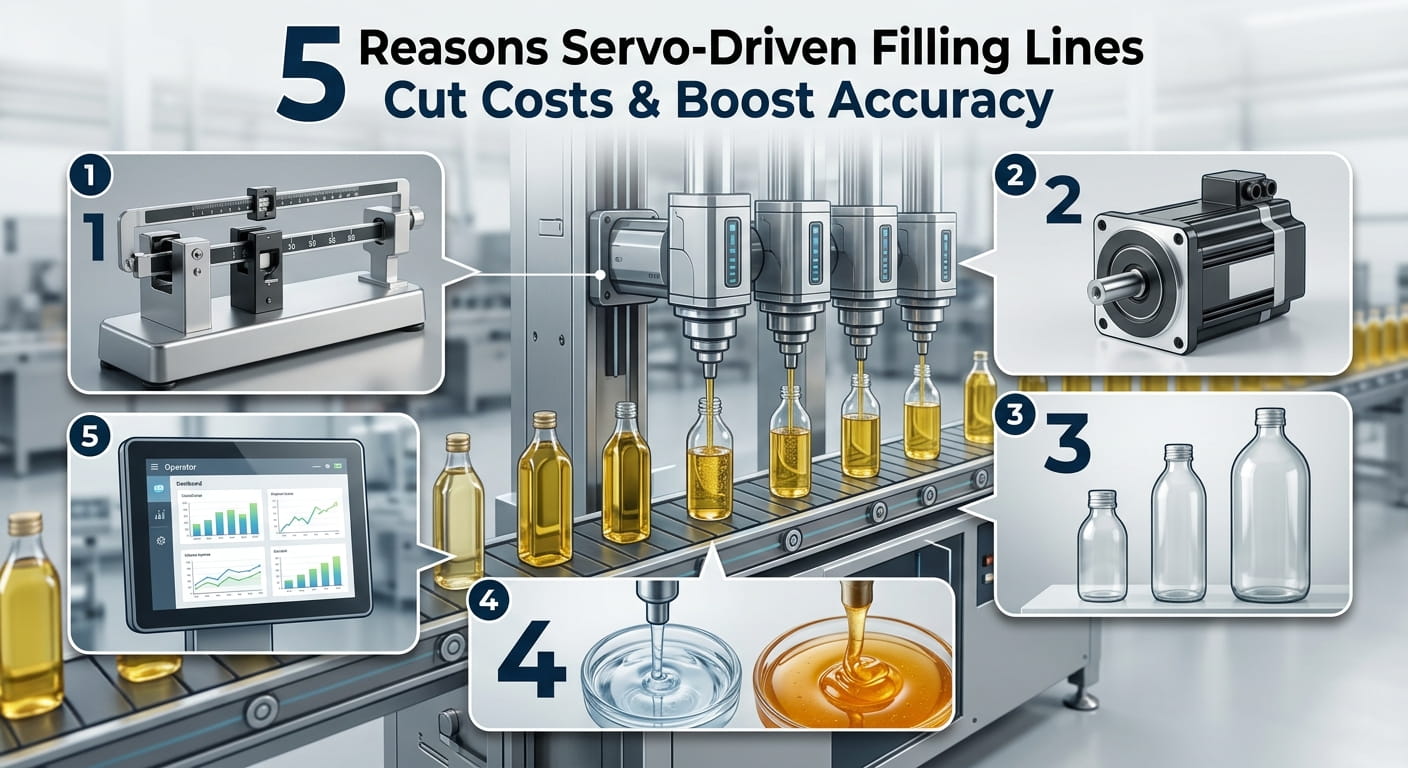
تتطور التكنولوجيا باستمرار، ومن المرجح أن يقدم الموردون الذين يستثمرون في البحث والتطوير كفاءة وموثوقية فائقة في آلاتهم. تعد أتمتة الماكينات والمراقبة عن بعد وقدرات إنترنت الأشياء (IoT) اعتبارات مهمة في سوق اليوم.
3. معايير الجودة والشهادات
تأكد من أن المورد المحتمل يلتزم بمعايير الجودة العالمية. ابحث عن شهادات مثل ISO 9001 أو شهادة CE، والتي تشير إلى الامتثال لمعايير الجودة الصارمة فيما يتعلق بسلامة المعدات وأدائها.
4. الدعم والخدمة
يجب أن يقدم المورد الموثوق دعماً شاملاً وخدمة ما بعد البيع. تحقق مما إذا كانوا يقدمون التدريب وخدمة الصيانة وفريق خدمة عملاء متاحاً وقادراً على معالجة الاستفسارات الفنية على الفور.
تقييم سمعة المورد وخبرته
يمكن أن تؤثر سمعة المورد وخبرته بشكل كبير على قرارك. فيما يلي استراتيجيات لتقييم الموردين المحتملين:
1. المراجعات والشهادات
يمكن أن توفر شهادات العملاء رؤى لا تقدر بثمن حول قدرات المورد. ابحث عن المراجعات على منصات مستقلة أو منتديات تجارية أو وسائل التواصل الاجتماعي. يمكن أن تشير التعليقات الإيجابية من مصنعين آخرين في مجالك إلى شريك موثوق.
2. دراسات الحالة
اطلب من الموردين المحتملين دراسات حالة أو أمثلة لتنفيذات سابقة ناجحة. سيساعدك هذا على فهم خبرتهم وأنواع المشكلات التي نجحوا في حلها لعملاء آخرين.
3. الخبرة في الصناعة
ضع في اعتبارك المدة التي قضاها المورد في السوق. من المرجح أن يكون المورد ذو الخبرة الواسعة قد واجه تحديات مختلفة وطور العديد من الحلول الفعالة بمرور الوقت، مما يعزز موثوقيته.
خطوات عملية للتعامل مع الموردين
بمجرد تحديد الموردين المحتملين، يمكن أن تبدأ عملية التعامل معهم بفعالية:
1. الاستشارات الأولية
تواصل مع الموردين لمناقشة احتياجاتك المحددة. يمكن للاستشارة الأولية أن تقدم رؤى حول مدى فهمهم لمتطلباتك وقدرتهم على تلبيتها بشكل كافٍ.
2. طلب عروض أسعار مفصلة
بعد المناقشات، اطلب عروض أسعار مفصلة تأخذ في الاعتبار جميع الجوانب مثل تكاليف الآلات، والجداول الزمنية للتسليم، والضمانات. ستساعدك عروض الأسعار الشفافة على تجنب أي تكاليف خفية لاحقاً في العملية.
3. زيارات الموقع وعروض توضيحية للآلات
كلما أمكن ذلك، قم بزيارة مصنع المورد. إن مراقبة عمليات الإنتاج لديهم بشكل مباشر توفر رؤى قيمة حول قدراتهم التشغيلية. اطلب عروضاً توضيحية للآلات لتقييم معايير الأداء في سيناريوهات واقعية.
الخلاصة
تعتمد كفاءة خط الإنتاج بشكل كبير على جودة المعدات المستخدمة، لا سيما في مراحل الغسيل والتعبئة والإغلاق. يلعب الموردون الذين يمكنهم تقديم حلول قوية وفعالة وقابلة للتخصيص دوراً محورياً في تحسين عمليات الإنتاج. ومن خلال التقييم الشامل للموردين بناءً على ابتكاراتهم التكنولوجية، وخيارات التخصيص، ومعايير الجودة، والسمعة، يمكن للشركات تأمين شراكة تعزز الكفاءة التشغيلية وتلبي متطلبات الصناعة.
مع استمرار تطور قطاعي المشروبات والتعبئة والتغليف، فإن البقاء على اطلاع بأحدث الاتجاهات والتقنيات في آلات غسيل وتعبئة وإغلاق الزجاجات سيوفر ميزة تنافسية في السوق. اتخذ قرارات استباقية بشأن التعامل مع الموردين، لضمان أن خطوط الإنتاج الخاصة بك لا تلبي فحسب، بل تتجاوز معايير الجودة والكفاءة العالية المطلوبة في الصناعة اليوم.