
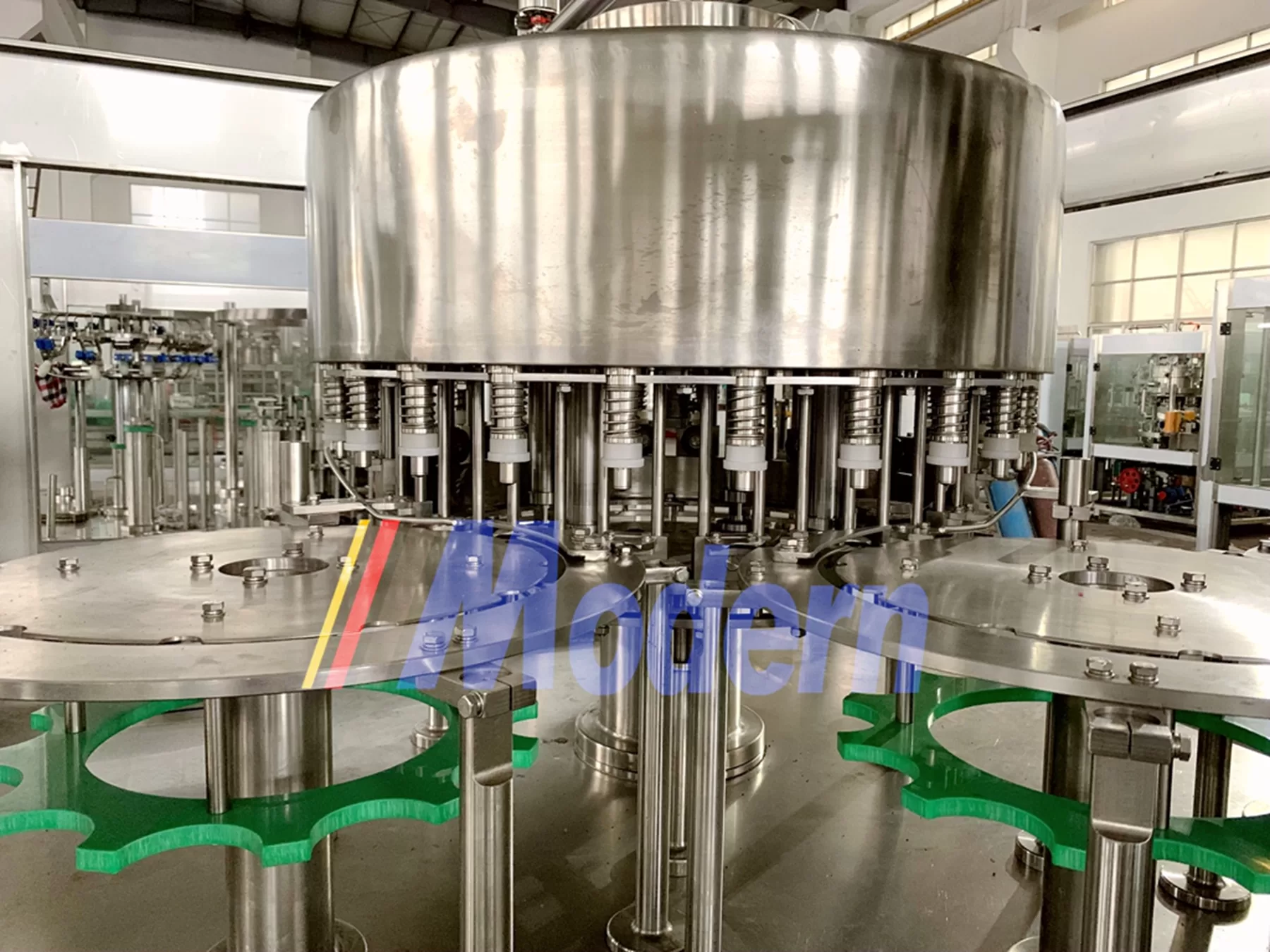
شهدت صناعة المياه المعدنية المعبأة نمواً كبيراً على مدى العقود القليلة الماضية. حيث يسعى عدد متزايد من الناس للحصول على خيارات ترطيب مريحة وصحية، مما أدى إلى زيادة الطلب على منتجات المياه المعبأة. ولتلبية هذا الطلب، يجب على المصنعين الاستثمار في آلات تعبئة فعالة وعالية الجودة. يستكشف هذا المقال الأبعاد المختلفة لآلات تعبئة المياه المعدنية في الزجاجات، بما في ذلك أنواعها، وتقنياتها، ومميزاتها التشغيلية، وفوائدها، وتحدياتها، ومعايير اختيارها.
فهم آلات تعبئة المياه المعدنية في الزجاجات
آلات تعبئة المياه المعدنية في الزجاجات هي معدات متخصصة مصممة لتعبئة المياه بكفاءة في أنواع مختلفة من الزجاجات. وتعد هذه الآلات حاسمة لضمان جودة ونظافة وسلامة المياه المعبأة. فهي تعمل على أتمتة عملية التعبئة، مما يعزز الإنتاجية مع تقليل الخطأ البشري ومخاطر التلوث.
أنواع آلات التعبئة
هناك أنواع مختلفة من آلات التعبئة المستخدمة في صناعة المياه المعدنية المعبأة، حيث يلبي كل منها متطلبات إنتاج محددة:
- آلات التعبئة بالجاذبية: تعتمد هذه الآلات على الجاذبية لملء الزجاجات من خزان. تُستخدم حشوات الجاذبية عادةً للمنتجات ذات اللزوجة المنخفضة، مما يجعلها مثالية للمياه والعصائر والمشروبات الأخرى غير الغازية.
- آلات التعبئة بالمكبس: تستخدم آلات التعبئة المكبسية مكبساً لسحب السائل من خزان الإمداد ثم توزيعه في الزجاجة. هذه الطريقة مثالية للسوائل الأكثر كثافة، ولكن يمكن تكييف بعض الطرازات لتعبئة المياه أيضاً.
- آلات التعبئة بالتفريغ (الفراغ): تخلق آلات التعبئة بالتفريغ (الفراغ) ضغطاً سالباً في الزجاجة لسحب السائل إليها. هذه الطريقة مناسبة للمنتجات التي تتطلب مستوى عالٍ من الدقة والحد الأدنى من الانسكاب.
- آلات التعبئة بالضغط: تستخدم هذه الآلات ضغط الهواء لملء الزجاجات، وهي شائعة الاستخدام للمشروبات الغازية، ولكن بعض التعديلات تسمح باستخدامها للمياه الساكنة، اعتماداً على متطلبات الإنتاج.
التكنولوجيا الكامنة وراء آلات التعبئة
تستفيد آلات التعبئة الحديثة من تقنيات متقدمة لزيادة الكفاءة وضمان سلامة المنتج. تشمل الميزات التكنولوجية الرئيسية ما يلي:
الأنظمة المؤتمتة
تلعب الأتمتة دوراً مهماً في تشغيل آلات تعبئة الزجاجات. تقلل الأنظمة المؤتمتة من التدخل اليدوي وتسهل الإنتاج المستمر، مما يقلل من تكاليف العمالة ويحسن السلامة. كما يتيح دمج المستشعرات وأجهزة التحكم المنطقي القابلة للبرمجة (PLCs) المراقبة والتعديلات في الوقت الفعلي، مما يعزز دقة التشغيل.
التحكم في التدفق والقياس
يعد التحكم الدقيق في التدفق أمراً حيوياً للحفاظ على اتساق المنتج وتلبية المعايير التنظيمية. تضمن تقنيات قياس التدفق المتقدمة، مثل عدادات تدفق الكتلة، أحجام تعبئة دقيقة، مما يقلل من الهدر ويعزز الربحية. تتضمن بعض الآلات أيضاً سرعات تعبئة قابلة للتعديل لاستيعاب أحجام الزجاجات المختلفة واختلافات لزوجة المياه.
التصميم الصحي
نظراً لطبيعة المنتج، تعتبر النظافة أمراً بالغ الأهمية في صناعة المياه المعبأة. تم تصميم آلات التعبئة الحديثة مع مراعاة النظافة، حيث تتضمن ميزات مثل الهيكل المصنوع من الفولاذ المقاوم للصدأ، وسهولة الفك للتنظيف، وأنظمة التنظيف في المكان (CIP). تسهل عناصر التصميم هذه الامتثال للوائح الصحية وتعزز ثقة المستهلك في المنتج.
فوائد استخدام آلات التعبئة
يوفر الاستثمار في آلات تعبئة المياه المعدنية عالية الجودة العديد من المزايا للمصنعين:
زيادة الكفاءة
تعمل آلات التعبئة على تحسين سرعة واتساق عملية التعبئة بشكل كبير، مما يتيح للمنتجين تلبية الطلب المرتفع مع الحفاظ على معايير جودة صارمة.
فعالية التكلفة
من خلال أتمتة عملية التعبئة، يمكن للشركات تقليل تكاليف العمالة وتقليل هدر المنتج، مما يؤدي إلى تحسين هوامش الربح والفعالية العامة من حيث التكلفة.
تعزيز جودة المنتج
بفضل ميزات مراقبة الجودة الصارمة، تساعد آلات التعبئة الحديثة في ضمان تعبئة كل زجاجة بالحجم الصحيح مع الحد الأدنى من الانسكاب، مما يعزز جودة المنتج ويقلل من فرص التلوث.
التحديات في الصناعة
على الرغم من أن آلات تعبئة المياه المعدنية توفر العديد من الفوائد، إلا أن هناك تحديات تتعلق بتشغيلها وصيانتها:
تكاليف الاستثمار الأولية
يمكن أن تكون التكلفة الأولية لشراء وتركيب آلات التعبئة كبيرة، خاصة بالنسبة للمؤسسات الصغيرة والمتوسطة. ومع ذلك، يمكن للتخطيط المالي الدقيق والنظر في المدخرات طويلة الأجل أن يساعد في تخفيف هذه التكاليف.
الصيانة ووقت التوقف عن العمل
مثل أي آلات، تتطلب آلات التعبئة صيانة دورية لضمان الأداء الأمثل. بالإضافة إلى ذلك، يمكن أن تؤدي الأعطال غير المتوقعة إلى توقف الإنتاج، مما يؤثر على سير العمل والربحية. يمكن أن يؤدي تنفيذ جدول صيانة مناسب إلى تقليل هذه المخاطر بشكل كبير.
الامتثال التنظيمي
يمكن أن يكون الامتثال للوائح سلامة الأغذية المحلية والدولية جانباً صعباً في تشغيل منشأة تعبئة الزجاجات. إن البقاء على اطلاع بأحدث اللوائح وضمان استيفاء آلات التعبئة لجميع المعايير اللازمة أمر بالغ الأهمية لنجاح السوق.
اختيار آلة التعبئة المناسبة
يعد اختيار آلة تعبئة المياه المعدنية المناسبة أمراً بالغ الأهمية للنجاح التشغيلي لأي شركة لتصنيع المشروبات. فيما يلي اعتبارات رئيسية عند إجراء الاختيار:
القدرة الإنتاجية
يجب أن يوجه حجم الإنتاج المتوقع اختيار آلة التعبئة. يمكن أن يوفر تقييم أهداف الإنتاج قصيرة وطويلة الأجل وضوحاً بشأن ميزات الآلة الضرورية، مما يضمن القابلية للتوسع للاحتياجات المستقبلية.
نوع الزجاجات
تلبي الآلات المختلفة أنواعاً مختلفة من الزجاجات، بما في ذلك PET والزجاج والألمنيوم. يعد فهم توافق آلة التعبئة مع نوع الزجاجة المقصود أمراً ضرورياً لمنع عدم الكفاءة التشغيلية.
الميزانية والعوائد المضمونة
ضع ميزانية واضحة للحصول على آلة التعبئة وفكر في العائد المتوقع على الاستثمار (ROI). ابحث عن الآلات التي توفر توازناً بين التكلفة والجودة والكفاءة لتعظيم الربحية.
دعم ما بعد البيع
إن اختيار شركة مصنعة تقدم دعماً قوياً لما بعد البيع، بما في ذلك التدريب والصيانة وتوافر قطع الغيار، يمكن أن يعزز بشكل كبير من العمر التشغيلي لآلة التعبئة.
الخلاصة
يستمر الطلب على المياه المعدنية المعبأة في الارتفاع عالمياً، مما يستلزم عمليات إنتاج فعالة وعالية الجودة. إن الاستثمار في آلات تعبئة متقدمة يعزز الكفاءة التشغيلية وجودة المنتج والربحية. إن فهم أنواع هذه الآلات وتقنياتها ومعايير اختيارها يمكّن المصنعين من اتخاذ قرارات مستنيرة تتماشى مع أهداف أعمالهم ومتطلبات السوق. مع تطور الصناعة، سيكون البقاء في طليعة التطورات التكنولوجية وضمان الامتثال للوائح السلامة أمراً بالغ الأهمية للحفاظ على النجاح في المشهد التنافسي لإنتاج المياه المعبأة.


