
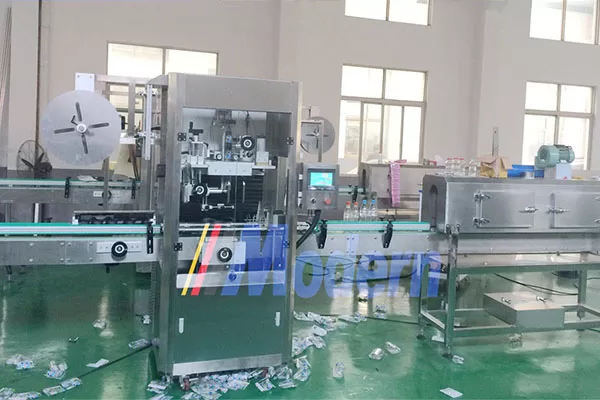
مقدمة
في عالم التصنيع والإنتاج سريع الخطى، تعد الكفاءة مفتاحاً للبقاء في دائرة المنافسة. ومن المجالات الحيوية التي يمكن للشركات من خلالها تعزيز كفاءتها التشغيلية بشكل كبير هو دمج خطوط التعبئة والتغليف. يستعرض هذا المقال المزايا، والأنواع، والتطبيقات، والتفاصيل التقنية، وأفضل الممارسات، واتجاهات السوق، والتحديات، وجوانب الاستدامة المتعلقة بخطوط التعبئة والتغليف المتكاملة.
مزايا خطوط التعبئة والتغليف المتكاملة
توفر خطوط التعبئة والتغليف المتكاملة مجموعة واسعة من المزايا للشركات التي تتطلع إلى تبسيط عمليات الإنتاج الخاصة بها. تشمل بعض الفوائد الرئيسية ما يلي:
- تحسين كفاءة الإنتاج الإجمالية ومعدل المخرجات
- خفض تكاليف العمالة وتقليل الأخطاء البشرية
- الاستخدام الأمثل للموارد، مما يؤدي إلى توفير في التكاليف
- تعزيز اتساق المنتج ومراقبة الجودة
- زيادة مرونة الإنتاج وقابلية التوسع
أنواع وفئات خطوط التعبئة والتغليف المتكاملة
تأتي خطوط التعبئة والتغليف المتكاملة في أنواع وتكوينات مختلفة لتناسب مختلف الصناعات ومتطلبات المنتجات. تشمل الاختلافات الشائعة ما يلي:
- خطوط التعبئة والتغليف الأوتوماتيكية
- خطوط التعبئة والتغليف شبه الأوتوماتيكية
- خطوط التعبئة والتغليف الدوارة
- خطوط التعبئة والتغليف الخطية
التطبيقات وحالات الاستخدام
تجعل تعددية استخدامات خطوط التعبئة والتغليف المتكاملة منها مناسبة لمجموعة واسعة من الصناعات والمنتجات، بما في ذلك الأغذية والمشروبات، والأدوية، ومستحضرات التجميل، وغيرها. تُستخدم هذه الأنظمة في:
- تعبئة السوائل والمشروبات في زجاجات
- تعبئة المساحيق والمنتجات الحبيبية
- تغليف وختم المنتجات بتنسيقات متنوعة
- وضع الملصقات وترميز الدفعات على العناصر
التفاصيل التقنية والميزات التشغيلية
تدمج خطوط التعبئة والتغليف المتكاملة تقنيات وميزات متقدمة لضمان التشغيل السلس والمخرجات المتسقة. تشمل التفاصيل التقنية الرئيسية ما يلي:
- آليات تعبئة دقيقة لضمان دقة الجرعات
- أنظمة تعبئة وختم أوتوماتيكية
- التكامل مع مستشعرات مراقبة الجودة وأنظمة الفحص
- واجهات سهلة الاستخدام لسهولة التشغيل والمراقبة
أفضل الممارسات والنصائح والصيانة
لتحقيق أقصى قدر من الكفاءة وطول عمر خطوط التعبئة والتغليف المتكاملة، يجب على الشركات اتباع أفضل الممارسات وإرشادات الصيانة، مثل:
- التنظيف والتشحيم الدوري لمكونات الآلات
- تدريب الموظفين على إجراءات التشغيل والصيانة الصحيحة
- تنفيذ جداول الصيانة الوقائية لتجنب الأعطال
- المعايرة الدورية للمعدات لضمان دقة التعبئة والتغليف
اتجاهات السوق ورؤى الصناعة
تتطور صناعة خطوط التعبئة والتغليف المتكاملة باستمرار، مع تركيز الاتجاهات على الأتمتة والاستدامة والتخصيص. تشمل بعض الرؤى الرئيسية ما يلي:
- زيادة الطلب على حلول التعبئة والتغليف الصديقة للبيئة
- تزايد دمج تقنيات إنترنت الأشياء (IoT) والذكاء الاصطناعي (AI) في التصنيع الذكي
- حلول قابلة للتخصيص لتلبية متطلبات تغليف المنتجات الفريدة
التحديات والحلول
على الرغم من أن خطوط التعبئة والتغليف المتكاملة توفر مزايا عديدة، إلا أنها تواجه أيضاً تحديات مثل مشكلات الصيانة، والأعطال التقنية، واختناقات الإنتاج. تشمل بعض الحلول ما يلي:
- تنفيذ استراتيجيات الصيانة التنبؤية باستخدام مستشعرات إنترنت الأشياء
- توفير تدريب شامل للمشغلين لاستكشاف الأخطاء وإصلاحها في المشكلات الشائعة
- ضمان توفر قطع الغيار لعمليات الإصلاح والاستبدال السريعة
الاستدامة والتوقعات المستقبلية
في عالم يركز بشكل متزايد على الاستدامة والممارسات الصديقة للبيئة، تلعب خطوط التعبئة والتغليف المتكاملة دوراً حيوياً في تقليل الهدر واستهلاك الطاقة. تشمل التوقعات المستقبلية ما يلي:
- تطوير مواد تغليف قابلة للتحلل وإعادة التدوير
- تعزيز تصميمات وتشغيل الآلات الموفرة للطاقة
- تبني مبادئ الاقتصاد الدائري في عمليات الإنتاج
ختاماً، توفر خطوط التعبئة والتغليف المتكاملة حلاً سلساً وفعالاً للشركات التي تتطلع إلى تعزيز قدراتها الإنتاجية. ومن خلال الاستفادة من المزايا، وفهم الجوانب التقنية، والبقاء على اطلاع باتجاهات السوق، يمكن للمصنعين الحفاظ على صدارتهم في سوق عالمية تنافسية.
من خلال تبني الابتكار والاستدامة وأفضل الممارسات، يمكن للشركات تعزيز كفاءتها الإنتاجية بشكل حقيقي باستخدام خطوط التعبئة والتغليف المتكاملة.


