
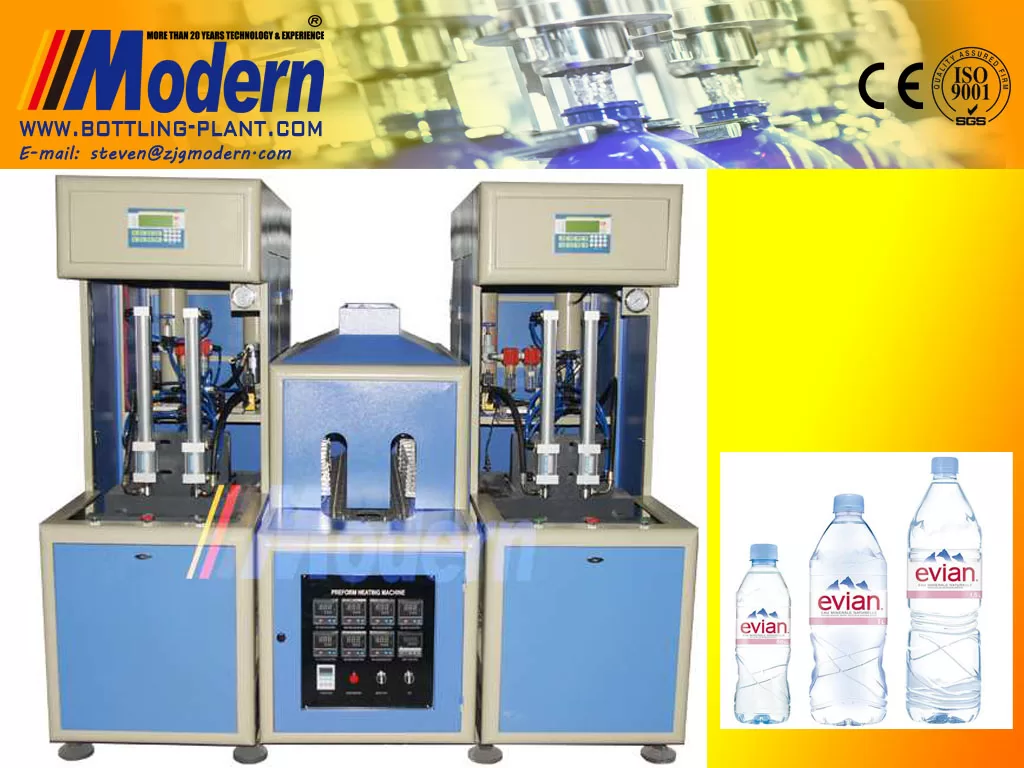
عندما يتعلق الأمر بتصنيع المنتجات البلاستيكية، فإن هناك طريقتين شائعتين تستخدمان على نطاق واسع وهما القولبة بالنفخ والقولبة بالحقن. وعلى الرغم من أن كلتا العمليتين ضروريتان لإنتاج مجموعة واسعة من العناصر البلاستيكية، فإن فهم الاختلافات بين القولبة بالنفخ والقولبة بالحقن يعد أمراً بالغ الأهمية للمصنعين الذين يتطلعون إلى اختيار الطريقة الأكثر ملاءمة لاحتياجاتهم الخاصة.
القولبة بالنفخ
القولبة بالنفخ هي عملية تصنيع تُستخدم لإنشاء أجزاء بلاستيكية مجوفة. تتضمن هذه الطريقة صهر راتنج البلاستيك ثم تشكيله على هيئة أنبوب مجوف يُعرف باسم "الباريسون" (parison). يتم بعد ذلك وضع الباريسون داخل تجويف القالب حيث يتم ضخ هواء مضغوط داخل الأنبوب، مما يجبر البلاستيك على التمدد واتخاذ شكل القالب. بمجرد أن يبرد البلاستيك ويتصلب، يتم فتح القالب وإخراج المنتج النهائي.
أنواع القولبة بالنفخ
هناك ثلاثة أنواع رئيسية للقولبة بالنفخ: القولبة بالنفخ بالبثق، والقولبة بالنفخ بالحقن، والقولبة بالنفخ بالتمدد. تُستخدم القولبة بالنفخ بالبثق لإنتاج عناصر مثل الزجاجات والحاويات. وتُستخدم القولبة بالنفخ بالحقن بشكل شائع للزجاجات الطبية الصغيرة وزجاجات الاستخدام الفردي. أما القولبة بالنفخ بالتمدد فهي مثالية لإنتاج زجاجات PET للمشروبات.
القولبة بالحقن
القولبة بالحقن هي عملية متعددة الاستخدامات تُستخدم لتصنيع مجموعة واسعة من المنتجات البلاستيكية، بما في ذلك الأشكال المعقدة والعناصر عالية الدقة. تتضمن العملية حقن مادة بلاستيكية منصهرة في تجويف القالب، حيث تبرد وتتصلب لتشكل الشكل المطلوب. تتميز القولبة بالحقن بكفاءة عالية ويمكنها إنتاج أعداد كبيرة من الأجزاء المتطابقة بدقة واتساق عاليين.
الاختلافات الرئيسية بين القولبة بالنفخ والقولبة بالحقن
على الرغم من أن كلاً من القولبة بالنفخ والقولبة بالحقن طريقتان فعالتان لإنتاج المنتجات البلاستيكية، إلا أن هناك اختلافات رئيسية تميزهما:
1. تعقيد المنتج: تعد القولبة بالحقن مناسبة لإنتاج أشكال معقدة وتفاصيل دقيقة، مما يجعلها مثالية لعناصر مثل أغلفة الأجهزة الإلكترونية ومكونات السيارات. من ناحية أخرى، تعد القولبة بالنفخ أكثر ملاءمة للأجسام المجوفة ذات سماكة الجدار الموحدة، مثل الزجاجات والحاويات.
2. حجم الإنتاج: تعد القولبة بالحقن أكثر كفاءة لعمليات الإنتاج ذات الحجم الكبير نظرًا لأوقات دورتها الأسرع وقدرتها على إنتاج أجزاء متعددة في قالب واحد. أما القولبة بالنفخ فهي أكثر ملاءمة لأحجام الإنتاج المتوسطة إلى الكبيرة، ولكن قد تكون لها قيود من حيث سرعة الإنتاج لأنواع معينة من المنتجات.
3. تكاليف الأدوات: تتضمن القولبة بالحقن عادةً تكاليف أدوات أولية أعلى بسبب تعقيد القوالب المطلوبة للأجزاء المعقدة. في المقابل، قد تكون للقولبة بالنفخ تكاليف أدوات أولية أقل، ولكنها قد تختلف اعتمادًا على نوع عملية القولبة بالنفخ وتصميم المنتج.
اختيار الطريقة المناسبة لاحتياجاتك
عند اتخاذ قرار بين القولبة بالنفخ والقولبة بالحقن لاحتياجات التصنيع البلاستيكي الخاصة بك، من الضروري مراعاة عوامل مثل تعقيد المنتج، وحجم الإنتاج، واعتبارات التكلفة، والمتطلبات الزمنية. يمكن أن تساعدك استشارة خبير تصنيع أو متخصص في البلاستيك في تحديد الطريقة الأكثر ملاءمة لمشروعك المحدد.
في النهاية، توفر كل من القولبة بالنفخ والقولبة بالحقن فوائد ومزايا تعتمد على طبيعة المنتج الذي يتم إنتاجه. من خلال فهم الاختلافات بين هاتين العمليتين، يمكن للمصنعين اتخاذ قرارات مستنيرة تعمل على تحسين كفاءة الإنتاج وجودة المنتج.
الخلاصة
ختاماً، تعد القولبة بالنفخ والقولبة بالحقن طريقتين متميزتين وقيمتين في صناعة البلاستيك. لكل طريقة نقاط قوتها وقدراتها الفريدة، مما يجعلها مناسبة لأنواع مختلفة من المنتجات ومتطلبات الإنتاج. من خلال فهم الاختلافات بين القولبة بالنفخ والقولبة بالحقن وتقييم احتياجات مشروعك بعناية، يمكنك اختيار الطريقة الأنسب لتحقيق أفضل النتائج في تصنيع المنتجات البلاستيكية.


