
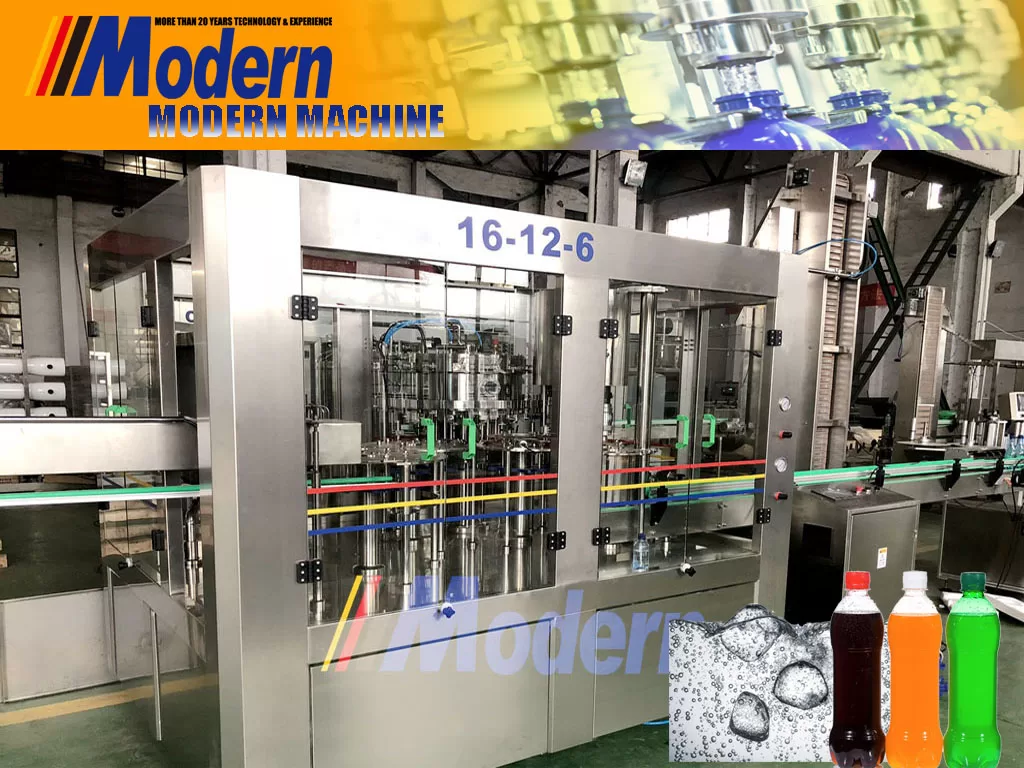
في عالم التصنيع الديناميكي، تبرز مصانع إنتاج المشروبات بعملياتها الإنتاجية المعقدة والسريعة. ونظراً للمخاطر المحتملة المرتبطة بالعمل على خطوط الإنتاج، فمن الضروري أن تلتزم مرافق إنتاج المشروبات بمعايير سلامة صارمة لحماية الموظفين وضمان سير العمليات بسلاسة. يستعرض هذا المقال معايير السلامة الأساسية التي يجب تنفيذها في خطوط إنتاج المشروبات للحفاظ على بيئة عمل آمنة.
فهم أهمية السلامة في إنتاج المشروبات
تعتبر السلامة أمراً بالغ الأهمية في أي صناعة، وقطاع إنتاج المشروبات ليس استثناءً. يتضمن خط الإنتاج في مصنع المشروبات عمليات متنوعة مثل الخلط، والتعبئة، ووضع الملصقات، والتغليف، وكلها قد تشكل مخاطر كبيرة على العمال إذا لم تتم إدارتها بشكل صحيح. يمكن أن تؤدي الحوادث على خطوط الإنتاج إلى إصابات، وفقدان في الإنتاجية، وتلف في المعدات، وحتى مسؤوليات قانونية.
إن تنفيذ معايير سلامة قوية في مرافق إنتاج المشروبات لا يحمي الموظفين فحسب، بل يساهم أيضاً في تحسين الكفاءة، وتقليل وقت التوقف عن العمل، وتعزيز الأداء العام للمصنع. من خلال إعطاء الأولوية للسلامة، يمكن للشركات خلق بيئة عمل إيجابية تعزز الإنتاجية ورفاهية الموظفين.
معايير السلامة الرئيسية لخطوط إنتاج المشروبات
1. حماية الآلات: تعد حماية الآلات بشكل صحيح أمراً ضرورياً لمنع العمال من ملامسة الأجزاء المتحركة للآلات. يجب تزويد جميع المعدات الموجودة على خط الإنتاج بحواجز حماية كافية وأقفال أمان لتقليل مخاطر الحوادث.
2. السلامة الكهربائية: تعد المخاطر الكهربائية مصدر قلق شائع في مصانع المشروبات بسبب استخدام معدات كهربائية متنوعة. يعد الفحص والصيانة الدورية للأنظمة الكهربائية، إلى جانب التدريب المناسب للعمال على ممارسات السلامة الكهربائية، أمراً بالغ الأهمية لمنع الصدمات والحرائق والحوادث الكهربائية الأخرى.
3. معدات الوقاية الشخصية (PPE): يجب تزويد الموظفين على خط الإنتاج بمعدات الوقاية الشخصية المناسبة مثل نظارات السلامة، والقفازات، والخوذات، والملابس الواقية للحماية من المخاطر المحتملة. يعد التدريب المنتظم على الاستخدام الصحيح لمعدات الوقاية الشخصية أمراً ضرورياً لضمان أقصى قدر من الفعالية.
4. السلامة الكيميائية: يتضمن إنتاج المشروبات استخدام مواد كيميائية متنوعة للتنظيف والتعقيم وإضافة النكهات. من المهم تخزين المواد الكيميائية والتعامل معها والتخلص منها بشكل صحيح لمنع التعرض لها أو تلوثها. يجب تدريب العمال على التعامل الآمن مع المواد الكيميائية واستخدامها في عملية الإنتاج.
5. التخطيط للاستجابة للطوارئ: يجب أن تمتلك مرافق إنتاج المشروبات خططاً شاملة للاستجابة للطوارئ للتعامل مع الحوادث أو الوقائع المحتملة. ويشمل ذلك تدريب الموظفين على إجراءات الطوارئ، وإجراء تدريبات منتظمة، وضمان توفر حقائب الإسعافات الأولية ومعدات الطوارئ.
تدريب الموظفين ووعيهم
أحد الركائز الأساسية لبرنامج سلامة ناجح في إنتاج المشروبات هو تدريب الموظفين ورفع وعيهم. يجب أن يتلقى العمال تدريباً شاملاً على إجراءات السلامة، وتشغيل المعدات، وتحديد المخاطر، وبروتوكولات الاستجابة للطوارئ. يمكن لاجتماعات السلامة الدورية، وجلسات التدريب التنشيطية، وقنوات الاتصال المفتوحة أن تساعد في تعزيز ممارسات السلامة وتنمية ثقافة السلامة داخل المؤسسة.
إن تشجيع الموظفين على الإبلاغ عن مخاوف السلامة، أو الحوادث الوشيكة، أو المخاطر المحتملة يمكن أن يساعد في تحديد المشكلات ومعالجتها بشكل استباقي قبل أن تتفاقم وتتحول إلى حوادث. كما يمكن لبرامج التوعية بالسلامة، واللافتات، والتذكيرات المرئية أن تلعب دوراً مهماً في إبقاء السلامة في مقدمة اهتمامات الموظفين أثناء مهامهم اليومية على خط الإنتاج.
التحسين المستمر والامتثال
إن ضمان السلامة في خطوط إنتاج المشروبات عملية مستمرة تتطلب تحسيناً مستمراً وامتثالاً للمعايير التنظيمية. يمكن لعمليات تدقيق السلامة الدورية، والتفتيش، وتقييم المخاطر أن تساعد في تحديد مجالات التحسين وتخفيف المخاطر المحتملة. من المهم للشركات البقاء على اطلاع بأفضل ممارسات الصناعة، واللوائح، والتطورات التكنولوجية لتعزيز تدابير السلامة وحماية القوى العاملة لديها.
من خلال الاستثمار في تدريب السلامة، والمعدات، والبنية التحتية، يمكن لمرافق إنتاج المشروبات خلق بيئة عمل آمنة ومنتجة تقلل من المخاطر وتضمن رفاهية الموظفين. إن الامتثال لمعايير السلامة لا يخفف من المخاطر القانونية والمالية فحسب، بل يعزز أيضاً سمعة الشركة ومصداقيتها في الصناعة.
الخلاصة
ختاماً، يعد تنفيذ معايير السلامة الصارمة والالتزام بها في خطوط إنتاج المشروبات أمراً ضرورياً للحفاظ على بيئة عمل آمنة وفعالة. من خلال إعطاء الأولوية للسلامة، يمكن للشركات حماية موظفيها، وتحسين العمليات التشغيلية، وتحقيق نمو مستدام في قطاع التصنيع التنافسي. يعد التدريب المستمر، وتقييم المخاطر، والامتثال للوائح، وثقافة الوعي بالسلامة مكونات حيوية لبرنامج سلامة ناجح في مرافق إنتاج المشروبات. باتباع الإرشادات الموضحة في هذا المقال، يمكن للشركات الارتقاء بمعايير السلامة الخاصة بها وضمان مكان عمل مزدهر وآمن لجميع الموظفين المشاركين في عملية الإنتاج.


