
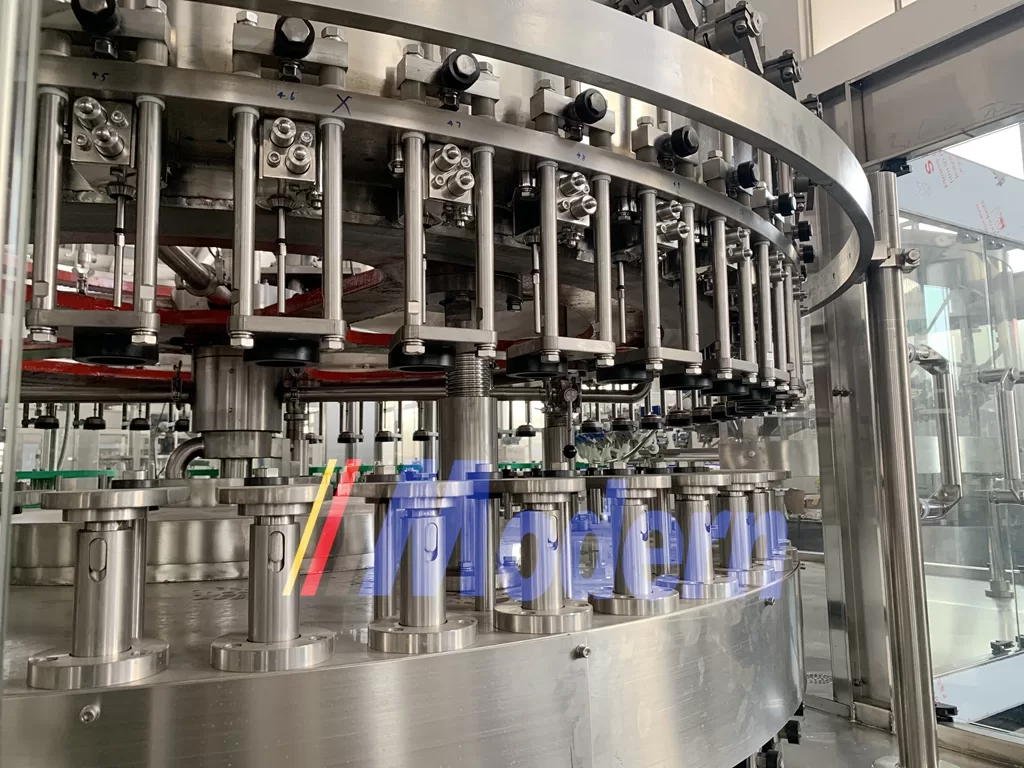
في عالم إنتاج الجعة، تعد الكفاءة مفتاحاً لتلبية طلبات المستهلكين والحفاظ على القدرة التنافسية في السوق. أحد الجوانب الحاسمة لتحسين الكفاءة في مصانع الجعة هو تخطيط خط تعبئة الجعة. من خلال التصميم والتنظيم الاستراتيجي لخط التعبئة، يمكن لمصانع الجعة زيادة الإنتاج إلى الحد الأقصى، وتقليل وقت التوقف عن العمل، وضمان جودة متسقة عبر مجموعة منتجاتها.
أهمية تخطيطات خط تعبئة الجعة الفعالة
تعد تخطيطات خط تعبئة الجعة الفعالة ضرورية لمصانع الجعة التي تتطلع إلى تبسيط عمليات الإنتاج وتحسين الأداء العام. يمكن لخط التعبئة المصمم جيداً أن يساعد في تقليل الاختناقات، ومنع هدر المنتج، وتعزيز سرعة ودقة عملية التعبئة. من خلال تحسين التخطيط، يمكن لمصانع الجعة زيادة سعة الإنتاج، وتعزيز جودة المنتج، وفي النهاية زيادة أرباحها.
اعتبارات رئيسية لتصميم تخطيطات خط تعبئة الجعة
عند تصميم تخطيط خط تعبئة الجعة لتحقيق أقصى قدر من الكفاءة، يجب على مصانع الجعة مراعاة العديد من العوامل الرئيسية:
1. استغلال المساحة
يعد تحسين استغلال المساحة أمراً بالغ الأهمية لضمان سلاسة العمليات على خط التعبئة. يجب على مصانع الجعة التخطيط بعناية للتخطيط لتقليل المساحة المهدرة والاستفادة بكفاءة من مساحة الأرضية المتاحة. يمكن أن يشمل ذلك وضع المعدات بشكل استراتيجي، وضمان سير العمل المناسب، وتقليل الحركات غير الضرورية.
2. كفاءة سير العمل
يجب رسم سير العمل على خط التعبئة بعناية لضمان عملية مستمرة ومبسطة. يجب تحسين كل خطوة في عملية التعبئة لتقليل أوقات الانتظار، وتقليل مخاطر الأخطاء، وضمان تدفق ثابت للمنتج من البداية إلى النهاية.
3. توزيع المعدات
يلعب وضع المعدات دوراً حاسماً في كفاءة خط تعبئة الجعة. يجب على مصانع الجعة مراعاة عوامل مثل قرب المعدات، وسهولة الوصول للصيانة، والاعتبارات المريحة للمشغلين. من خلال وضع المعدات بشكل استراتيجي، يمكن لمصانع الجعة تحسين كفاءة سير العمل وتقليل مخاطر تعطل الإنتاج.
4. سهولة الوصول للتنظيف والصيانة
يعد الوصول السهل للتنظيف والصيانة أمراً ضرورياً للحفاظ على خط تعبئة صحي وفعال. يجب على مصانع الجعة تصميم التخطيط بطريقة تسمح بالتنظيف والصيانة السهلة للمعدات لمنع التلوث وضمان الأداء الأمثل.
5. نقاط فحص مراقبة الجودة
يعد دمج نقاط فحص مراقبة الجودة في مراحل مختلفة من عملية التعبئة أمراً بالغ الأهمية للحفاظ على جودة المنتج واتساقه. يجب على مصانع الجعة تضمين نقاط فحص لمراقبة مستويات التعبئة، والتحقق من وجود تسريبات، وضمان وضع الملصقات بشكل صحيح لمنع مشاكل الجودة وتقليل الهدر.
أفضل الممارسات لتحسين كفاءة خط تعبئة الجعة
يمكن أن يساعد تنفيذ أفضل الممارسات التالية مصانع الجعة على تحسين كفاءة خط تعبئة الجعة لديها:
1. الاستثمار في الأتمتة
يمكن لتقنيات الأتمتة أن تعزز بشكل كبير سرعة ودقة عملية التعبئة. من خلال الاستثمار في معدات التعبئة الآلية، يمكن لمصانع الجعة تحسين الكفاءة، وتقليل تكاليف العمالة، وتقليل مخاطر الخطأ البشري.
2. توحيد العمليات
يمكن أن يساعد توحيد العمليات على خط التعبئة في زيادة الكفاءة والاتساق. يجب على مصانع الجعة وضع مبادئ توجيهية وإجراءات واضحة لكل خطوة من خطوات عملية التعبئة لضمان عملية منهجية وخالية من الأخطاء.
3. تدريب المشغلين بفعالية
يعد التدريب المناسب للمشغلين أمراً ضرورياً لتحسين الكفاءة على خط التعبئة. يجب على مصانع الجعة توفير برامج تدريب شاملة لضمان فهم المشغلين للمعدات والعمليات ومعايير الجودة المعنية في عملية التعبئة.
4. تنفيذ مبادئ التصنيع الرشيق
يمكن أن يساعد تطبيق مبادئ التصنيع الرشيق مصانع الجعة في تحديد الهدر والقضاء عليه في عملية التعبئة. من خلال تبسيط سير العمل، وتقليل وقت التوقف عن العمل، وتحسين استخدام الموارد، يمكن لمصانع الجعة تعزيز الكفاءة ودفع التحسين المستمر.
5. مراقبة مقاييس الأداء
يمكن أن توفر مراقبة مقاييس الأداء بانتظام مثل الإنتاجية، ووقت التوقف عن العمل، ومعدلات الخطأ رؤى قيمة حول كفاءة خط التعبئة. يجب على مصانع الجعة تتبع مؤشرات الأداء الرئيسية واستخدام البيانات لتحديد مجالات التحسين ودفع التميز التشغيلي.
الخلاصة
تعد تخطيطات خط تعبئة الجعة الفعالة ضرورية لزيادة الإنتاجية، وضمان جودة المنتج، وتعزيز القدرة التنافسية في صناعة الجعة. من خلال التصميم والتحسين الدقيق لتخطيط خط التعبئة، يمكن لمصانع الجعة تبسيط العمليات، وتقليل الهدر، وتقديم منتجات استثنائية للمستهلكين. من خلال اتباع أفضل الممارسات ودمج الاعتبارات الرئيسية في عملية التصميم، يمكن لمصانع الجعة تحقيق أقصى قدر من الكفاءة ووضع نفسها في مكانة للنجاح في سوق تنافسية.
بالنسبة لمصانع الجعة التي تتطلع إلى البقاء في صدارة الصناعة، فإن استثمار الوقت والموارد في تحسين تخطيط خط تعبئة الجعة هو خطوة استراتيجية يمكن أن تحقق فوائد كبيرة طويلة الأجل.


