
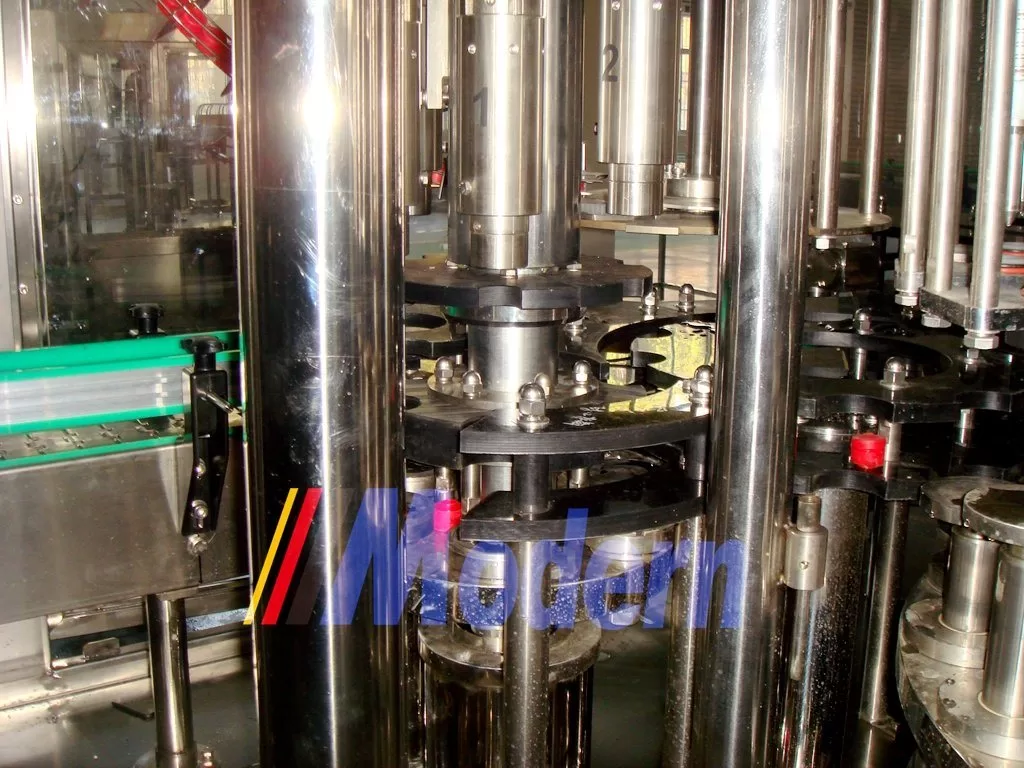
في مجال التصنيع الصناعي، أصبح الاختيار بين الأتمتة الكاملة والأتمتة الجزئية في خطوط الإنتاج المتكاملة قراراً حاسماً للشركات التي تسعى إلى تعزيز الكفاءة والإنتاجية والقدرة التنافسية. توفر كلتا استراتيجيتي الأتمتة مزايا وتحديات فريدة تتطلب تقييماً دقيقاً لتتوافق مع الأهداف والقيود التشغيلية المحددة. في هذا التحليل الشامل، نتعمق في الاعتبارات الرئيسية والمزايا والعيوب للأتمتة والأتمتة الجزئية في الخطوط المتكاملة لتقديم رؤى قيمة لصناع القرار في قطاع التصنيع.
صعود الأتمتة في التصنيع
أحدثت الأتمتة ثورة في مشهد التصنيع، حيث وفرت مستويات غير مسبوقة من السرعة والدقة والاتساق في عمليات الإنتاج. يمكن للخطوط المتكاملة المجهزة بأنظمة روبوتية متقدمة، والذكاء الاصطناعي، والآلات المتطورة أن تزيد الإنتاج بشكل كبير، وتقلل من تكاليف العمالة، وتقلل الأخطاء، وتحسن مراقبة الجودة الشاملة. يتيح التكامل السلس لتقنيات الأتمتة للمصنعين تبسيط العمليات، وتحقيق سرعة أكبر في طرح المنتجات في السوق، والتكيف مع متطلبات السوق الديناميكية بسرعة.
مزايا الأتمتة الكاملة
تتمثل إحدى المزايا الرئيسية للأتمتة الكاملة في الخطوط المتكاملة في الكفاءة التي لا مثيل لها التي تضفيها على عمليات التصنيع. يمكن للأنظمة المؤتمتة العمل على مدار الساعة طوال أيام الأسبوع دون الحاجة إلى فترات راحة، مما يؤدي إلى دورات إنتاج مستمرة واستخدام أمثل للموارد. علاوة على ذلك، تقلل الأتمتة من الخطأ البشري، وتعزز سلامة مكان العمل، وتضمن جودة ثابتة للمنتج، مما يؤدي إلى مستويات أعلى من رضا العملاء وسمعة العلامة التجارية.
تعد فعالية التكلفة ميزة أخرى مهمة للأتمتة الكاملة. في حين أن الاستثمار الأولي في تكنولوجيا ومعدات الأتمتة قد يكون كبيراً، فإن الوفورات طويلة الأجل في تكاليف العمالة، وتقليل الهدر، وزيادة حجم الإنتاج يمكن أن تؤدي في النهاية إلى عائد استثمار إيجابي. بالإضافة إلى ذلك، تسمح الأتمتة للمصنعين بإعادة تخصيص الموارد البشرية لمهام أكثر تعقيداً تتطلب الإبداع ومهارات حل المشكلات والتفكير النقدي، مما يعزز رضا الموظفين ومشاركتهم بشكل عام.
تحديات الأتمتة الكاملة
على الرغم من مزاياها العديدة، تطرح الأتمتة الكاملة أيضاً تحديات يجب معالجتها بعناية. يمكن أن تكون التكاليف الأولية المرتفعة المرتبطة بشراء وتنفيذ تكنولوجيا الأتمتة باهظة بالنسبة لبعض الشركات، وخاصة الشركات الصغيرة والمتوسطة ذات الميزانيات المحدودة. علاوة على ذلك، تتطلب تعقيدات تركيب وصيانة الأنظمة المؤتمتة خبرة متخصصة ودعماً فنياً مستمراً، وهو ما قد يشكل تحديات للمؤسسات التي تفتقر إلى القدرات الداخلية أو الوصول إلى الموارد الخارجية.
هناك قضية حاسمة أخرى تتعلق بالأتمتة الكاملة وهي الافتقار إلى المرونة والقدرة على التكيف في بيئات الإنتاج سريعة التغير. تم تصميم الأنظمة المؤتمتة لأداء مهام محددة بدقة وكفاءة، ولكنها قد تجد صعوبة في استيعاب الاختلافات في مواصفات المنتج، أو أحجام الإنتاج، أو متطلبات السوق. ونتيجة لذلك، قد تواجه الشركات التي تعتمد فقط على الأتمتة الكاملة صعوبات في الاستجابة بسرعة لتقلبات تفضيلات المستهلك، أو اضطرابات سلسلة التوريد، أو التغييرات التنظيمية.
دور الأتمتة الجزئية في التصنيع
توفر الأتمتة الجزئية نهجاً وسطاً يجمع بين مزايا الأتمتة ومرونة التدخل البشري في جوانب معينة من عملية الإنتاج. في الخطوط المتكاملة المؤتمتة جزئياً، يعمل المشغلون جنباً إلى جنب مع الآلات المؤتمتة للإشراف على العمليات، وأداء المهام اليدوية، وإجراء تعديلات في الوقت الفعلي بناءً على المتطلبات الظرفية. يستفيد هذا النموذج الهجين من نقاط القوة لكل من الأتمتة والخبرة البشرية لتحسين الكفاءة والإنتاجية والقدرة على التكيف.
مزايا الأتمتة الجزئية
تتمثل إحدى المزايا الرئيسية للأتمتة الجزئية في قدرتها على تحقيق التوازن بين كفاءة التكلفة والمرونة التشغيلية. على عكس الأتمتة الكاملة، تتطلب الأنظمة المؤتمتة جزئياً استثماراً أولياً أقل، مما يجعلها في متناول مجموعة واسعة من الشركات، بما في ذلك الشركات الناشئة والشركات الصغيرة والمتوسطة. من خلال تمكين المشغلين من التدخل عند الضرورة، تتيح الأتمتة الجزئية للمؤسسات تخصيص عمليات الإنتاج، وتلبية المتطلبات الفريدة، والحفاظ على درجة عالية من المرونة في بيئة سوق ديناميكية.
علاوة على ذلك، تعزز الأتمتة الجزئية التعاون بين الإنسان والآلة، مما يعزز ثقافة العمل التي تقدر الإبداع وحل المشكلات والتحسين المستمر. يشارك المشغلون في الخطوط المؤتمتة جزئياً بفاعلية في مراقبة مقاييس الإنتاج، وتحديد المشكلات المحتملة، وتنفيذ الإجراءات التصحيحية، مما يعزز الكفاءة التشغيلية الشاملة ويدفع عجلة الابتكار. يمكن أن يؤدي دمج البراعة البشرية مع تقنيات الأتمتة في الأنظمة المؤتمتة جزئياً إلى تعزيز تخصيص المنتج، وسرعة طرحه في السوق، وتحسين رضا العملاء.
تحديات الأتمتة الجزئية
على الرغم من فوائدها، تطرح الأتمتة الجزئية أيضاً تحديات يجب التعامل معها بفعالية. يمكن أن يؤدي الاعتماد على تدخل المشغل في الخطوط المؤتمتة جزئياً إلى خطر الخطأ البشري، وعدم الاتساق، والتباين في مخرجات الإنتاج. يعد ضمان التدريب المناسب والإشراف وتدابير مراقبة الجودة أمراً ضرورياً للتخفيف من هذه المخاطر والحفاظ على المستوى المطلوب من جودة المنتج والأداء التشغيلي.
بالإضافة إلى ذلك، تتطلب تعقيدات دمج واجهات الإنسان والآلة في الأنظمة المؤتمتة جزئياً من المؤسسات الاستثمار في تدريب الموظفين، وتطوير المهارات، ومبادرات التعلم المستمر. إن تزويد المشغلين بالمعرفة والكفاءات اللازمة للتفاعل مع الآلات المؤتمتة بفعالية أمر بالغ الأهمية لتعظيم إمكانات الأتمتة الجزئية وضمان التعاون السلس بين الشركاء من البشر والآلات.
تحقيق التوازن الصحيح: اعتبارات رئيسية لصناع القرار
عند تقييم الاختيار بين الأتمتة الكاملة والأتمتة الجزئية في الخطوط المتكاملة، يجب على صناع القرار في قطاع التصنيع مراعاة العديد من العوامل الرئيسية لتحديد الاستراتيجية المثلى التي تتوافق مع أهدافهم التشغيلية، وقيود الميزانية، وديناميكيات السوق.
1. المتطلبات التشغيلية:
يمكن أن يساعد تقييم الاحتياجات المحددة لعملية الإنتاج، مثل الحجم والتعقيد والتباين، في تحديد ما إذا كانت الأتمتة الكاملة أو الأتمتة الجزئية أكثر ملاءمة. قد تستفيد الصناعات ذات المهام المتكررة وعالية الحجم من الأتمتة الكاملة، في حين قد تفضل الصناعات التي تتطلب المرونة والتخصيص نهجاً مؤتمتاً جزئياً.
2. تحليل التكلفة والعائد:
إن إجراء تحليل شامل للتكلفة والعائد يقارن بين الاستثمار الأولي، والنفقات التشغيلية، والوفورات المحتملة، والعوائد طويلة الأجل للأتمتة الكاملة والأتمتة الجزئية يمكن أن يوفر وضوحاً بشأن الآثار المالية لكل استراتيجية. يمكن أن يساعد تقييم عوامل مثل تكاليف العمالة، ونفقات الصيانة، وقابلية التوسع في تحديد الحل الأكثر فعالية من حيث التكلفة للعمل.
3. قابلية التوسع والقدرة على التكيف:
يعد النظر في قابلية التوسع والقدرة على التكيف لأنظمة الأتمتة لاستيعاب النمو المستقبلي، وتغيرات السوق، والتقدم التكنولوجي أمراً بالغ الأهمية للاستدامة طويلة الأجل. يجب على المؤسسات تقييم قابلية التوسع لاستراتيجية الأتمتة المختارة وقدرتها على التكامل مع التقنيات الناشئة واحتياجات العمل المتطورة.
4. مشاركة الموظفين والتدريب:
إن إدراك أهمية مشاركة الموظفين، والتدريب، وتطوير المهارات عند الانتقال إلى بيئة مؤتمتة أو مؤتمتة جزئياً أمر ضروري لتعزيز ثقافة التحسين المستمر والابتكار. يمكن أن يؤدي توفير فرص لرفع المهارات، والتدريب المتقاطع، وتبادل المعرفة إلى تعزيز أداء المشغل وتعظيم فوائد تقنيات الأتمتة.
الخلاصة
في الختام، يعد قرار اعتماد الأتمتة الكاملة أو الأتمتة الجزئية في خطوط التصنيع المتكاملة خياراً متعدد الأوجه يتطلب دراسة متأنية لعوامل مختلفة، بما في ذلك المتطلبات التشغيلية، وكفاءة التكلفة، والمرونة، ومشاركة الموظفين. في حين توفر الأتمتة الكاملة فوائد كفاءة وإنتاجية لا مثيل لها، توفر الأتمتة الجزئية نهجاً مرناً وتعاونياً يجمع بين نقاط قوة الأتمتة والخبرة البشرية.
من خلال موازنة مزايا وتحديات كل استراتيجية ومواءمتها مع أهداف وقيود العمل المحددة، يمكن للمؤسسات اتخاذ قرارات مستنيرة تعمل على تحسين الأداء التشغيلي، وتعزيز جودة المنتج، ودفع النمو المستدام في مشهد التصنيع التنافسي.
في نهاية المطاف، يعتمد التكامل الناجح لتقنيات الأتمتة في خطوط الإنتاج المتكاملة على تحقيق التوازن الصحيح بين الابتكار التكنولوجي والبراعة البشرية، وتعزيز ثقافة التعلم والتحسين المستمر، والاستفادة من الإمكانات التحويلية للأتمتة لدفع نجاح الأعمال في العصر الرقمي.


