
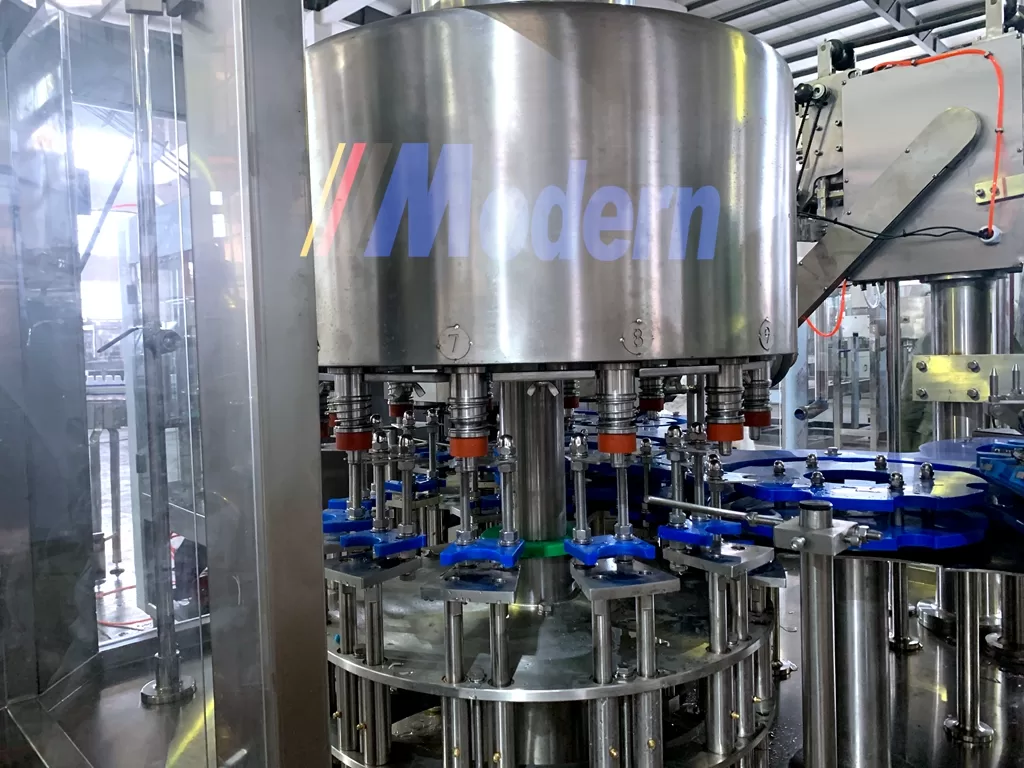
تعد خطوط التعبئة الفعالة والمنظمة بشكل جيد أمراً بالغ الأهمية لضمان التشغيل السلس لمنشأة الإنتاج. وعندما يتعلق الأمر بتعبئة زيوت الطعام، فإن الدقة والنظافة هما الأولوية القصوى. في هذا المقال، سوف نتعمق في الاعتبارات الرئيسية والنصائح العملية لتصميم خط تعبئة أوتوماتيكي لزيت الطعام يعمل على زيادة الإنتاجية والجودة إلى أقصى حد.
1. فهم عملية الإنتاج
قبل إعداد تخطيط خط التعبئة، من الضروري أن يكون لديك فهم شامل لعملية الإنتاج. حدد المراحل المختلفة التي تتضمنها تعبئة زيت الطعام، بما في ذلك التعبئة، والإغلاق، ووضع الملصقات، والتغليف. يجب أن تتدفق كل مرحلة بسلاسة إلى المرحلة التالية لتجنب الاختناقات وضمان إنتاج فعال.
2. التموضع الأمثل للمعدات
يمكن أن يؤثر وضع المعدات بشكل استراتيجي على طول خط التعبئة بشكل كبير على الكفاءة. تأكد من ترتيب الآلات في تسلسل منطقي، مع وجود مسافات دنيا بين كل محطة. هذا التخطيط يقلل من مناولة المنتج ويقلل من مخاطر التلوث.
2.1 محطة التعبئة
تعد محطة التعبئة واحدة من المكونات الحاسمة لخط التعبئة. ضع آلات التعبئة في بداية الخط لضمان تعبئة دقيقة وموحدة للزجاجات. ضع في اعتبارك عوامل مثل أحجام الزجاجات، وسرعة التعبئة، والدقة عند وضع معدات التعبئة.
2.2 الإغلاق والختم
بعد التعبئة، تنتقل الزجاجات إلى محطة الإغلاق والختم. ضع آلات الإغلاق بشكل صحيح لإغلاق الزجاجات المعبأة بسلاسة، مما يضمن إحكام الإغلاق ومنع التسرب. يمكن أن يؤدي دمج معدات الإغلاق مع محطة التعبئة إلى تبسيط العملية وتقليل حالات عدم المحاذاة.
2.3 وضع الملصقات والتغليف
يجب وضع محطات وضع الملصقات والتغليف بشكل استراتيجي في نهاية خط التعبئة. تأكد من مزامنة آلات وضع الملصقات مع سرعة الخط لتجنب التأخير. سيسهل الوضع الصحيح لمعدات التغليف عملية التجميع الفعال للزجاجات المعبأة والموسومة ووضعها على منصات التحميل.
3. اعتبارات النظافة والسلامة
تعتبر النظافة والسلامة أمراً بالغ الأهمية في منشآت إنتاج الأغذية، خاصة عند تعبئة زيوت الطعام. عند تصميم تخطيط خط التعبئة، قم بدمج ميزات مثل الأسطح سهلة التنظيف، وفصل المناطق النظيفة عن المتسخة، والتهوية المناسبة للحفاظ على بيئة معقمة.
3.1 أنظمة التنظيف في المكان (CIP)
قم بدمج أنظمة التنظيف في المكان (CIP) في تخطيط خط التعبئة لأتمتة عملية التنظيف. تساعد أنظمة CIP في تقليل وقت التوقف عن العمل للتنظيف اليدوي وتضمن تعقيم المعدات بدقة بين دورات الإنتاج، مما يمنع التلوث.
3.2 حواجز السلامة واللافتات
قم بتركيب حواجز السلامة واللافتات الواضحة على طول خط التعبئة لمنع الحوادث وتوجيه الموظفين بشأن ممارسات السلامة. حدد بوضوح المناطق الخطرة، ومخارج الطوارئ، وبروتوكولات السلامة لخلق بيئة عمل آمنة للمشغلين.
4. المرونة وقابلية التوسع
توقع النمو المستقبلي والتغيرات في حجم الإنتاج عند تصميم تخطيط خط التعبئة. تأكد من أن التخطيط يسمح بالمرونة لاستيعاب التعديلات أو الترقيات في المعدات، ويمكن توسيعه بسهولة لتلبية متطلبات الإنتاج المتزايدة.
4.1 التصميم المعياري
فكر في تصميم معياري لتخطيط خط التعبئة، مما يسمح بسهولة دمج آلات أو مكونات إضافية حسب الحاجة. تتيح التصميمات المعيارية إعادة تكوين خط الإنتاج بسرعة وتقليل وقت التوقف عن العمل أثناء الترقيات أو الصيانة.
4.2 السعة الاحتياطية
خصص سعة احتياطية في المناطق الرئيسية من خط التعبئة للتعامل مع تقلبات حجم الإنتاج أو استيعاب خطوط إنتاج جديدة. إن وجود سعة إضافية مدمجة في التخطيط يضمن قدرة الإنتاج على التكيف مع متطلبات السوق المتغيرة دون انقطاع.
5. مراقبة الجودة والرقابة
قم بتنفيذ تدابير مراقبة الجودة وأنظمة الرقابة في جميع أنحاء خط التعبئة لضمان جودة المنتج المتسقة واكتشاف أي انحرافات على الفور. قم بدمج أجهزة الاستشعار، والكاميرات، وأدوات تحليل البيانات للمراقبة في الوقت الفعلي لمقاييس الإنتاج وتحديد المشكلات المحتملة.
5.1 فحوصات ضمان الجودة
قم بدمج فحوصات ضمان الجودة في نقاط حاسمة على طول خط التعبئة للتحقق من جودة المنتج والامتثال للمعايير. قم بتنفيذ أنظمة فحص آلية لاكتشاف العيوب، أو التسريبات، أو أخطاء وضع الملصقات، مما يمنع وصول المنتجات المعيبة إلى السوق.
5.2 تتبع الأداء
استخدم أدوات تتبع الأداء لمراقبة كفاءة خط التعبئة وتحديد مجالات التحسين. تتبع المقاييس مثل الإنتاجية، ووقت التوقف عن العمل، ومعدلات الخطأ لتحسين عمليات الإنتاج وزيادة المخرجات مع الحفاظ على معايير الجودة.
6. تدريب الموظفين وإجراءات التشغيل القياسية (SOPs)
قدم تدريباً شاملاً للموظفين الذين يشغلون خط التعبئة وقم بتطوير إجراءات التشغيل القياسية (SOPs) للمهام الروتينية. يساهم الموظفون المدربون جيداً والبروتوكولات الواضحة في التشغيل السلس للخط، وتقليل الأخطاء، وتعزيز الإنتاجية الإجمالية.
6.1 برامج التدريب المستمرة
قم بإجراء برامج تدريبية بانتظام لتحديث الموظفين بشأن صيانة المعدات، وإجراءات السلامة، ومعايير الجودة. يعزز التدريب المستمر مهارات الموظفين، ويقلل من وقت التوقف عن العمل بسبب الأخطاء، ويعزز ثقافة التحسين المستمر داخل منشأة الإنتاج.
6.2 توثيق إجراءات التشغيل القياسية
قم بتوثيق إجراءات تشغيل قياسية مفصلة لكل مرحلة من مراحل عملية التعبئة، مع تحديد تعليمات خطوة بخطوة وأفضل الممارسات. تعمل إجراءات التشغيل القياسية كدليل مرجعي للمشغلين، مما يضمن الاتساق في العمليات ويتيح استكشاف الأخطاء وإصلاحها بسرعة لأي مشكلات قد تنشأ أثناء الإنتاج.
7. الخاتمة
يتطلب تصميم تخطيط فعال ومنظم جيداً لخط تعبئة زيت الطعام الأوتوماتيكي دراسة متأنية لعوامل مختلفة، بما في ذلك وضع المعدات، ومعايير النظافة، والمرونة، ومراقبة الجودة، وتدريب الموظفين. من خلال تنفيذ النصائح والاستراتيجيات الموضحة في هذا المقال، يمكن للمصنعين تحسين عمليات الإنتاج الخاصة بهم، وتعزيز جودة المنتج، وتلبية متطلبات السوق بفعالية.


