
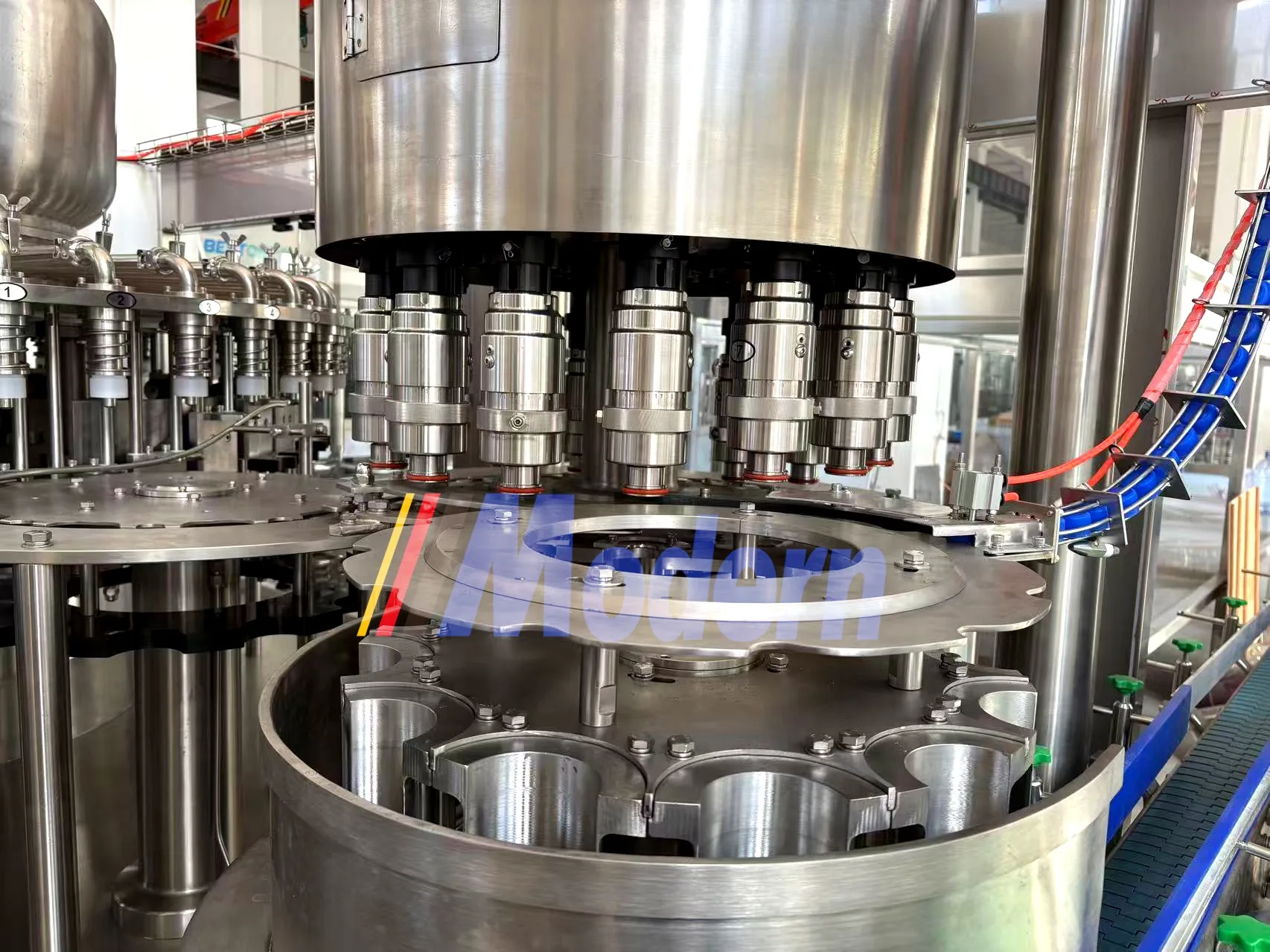
في ظل المشهد المتطور باستمرار لإنتاج الأغذية والمشروبات، يسعى المصنعون باستمرار إلى إيجاد طرق لتحسين الكفاءة والجودة وفترة الصلاحية. لقد برزت تقنية التعبئة المعقمة كعامل تغيير جذري في صناعة إنتاج العصائر، حيث تقدم مجموعة من المزايا التي يمكن أن تحدث ثورة في طريقة معالجة العصائر وتعبئتها. يتناول هذا المقال تعقيدات تقنية التعبئة المعقمة، ومزاياها، وأفضل الممارسات لتطبيقها في إنتاج العصائر.
فهم تقنية التعبئة المعقمة
تقنية التعبئة المعقمة هي طريقة لتعبئة الأغذية والمشروبات في بيئة معقمة لضمان فترة صلاحية أطول مع الحفاظ على جودة المنتج وقيمته الغذائية. وفي سياق إنتاج العصائر، تتضمن التعبئة المعقمة تعقيم مواد التعبئة والتغليف والمنتج بشكل منفصل، ثم دمجهما في بيئة معقمة لمنع أي تلوث.
أحد المكونات الرئيسية لتقنية التعبئة المعقمة هو عملية التعقيم. يتم تعقيم مواد التعبئة والتغليف، مثل الزجاجات أو الكرتون، باستخدام تقنيات مثل التعقيم بالبخار أو بخار بيروكسيد الهيدروجين. وعادة ما يتم تعقيم منتج العصير باستخدام المعالجة الحرارية قصيرة المدى (HTST) أو طرق تعقيم أخرى تضمن القضاء على الكائنات الحية الدقيقة الضارة.
مزايا التعبئة المعقمة في إنتاج العصائر
توفر تقنية التعبئة المعقمة العديد من المزايا لمنتجي العصائر:
فترة صلاحية ممتدة:
من خلال القضاء على الكائنات الحية الدقيقة التي يمكن أن تسبب التلف، تعمل تقنية التعبئة المعقمة على إطالة فترة صلاحية منتجات العصائر، مما يسمح للمصنعين بتوزيع منتجاتهم لمسافات أطول وتقليل مخاطر هدر المنتج.
الحفاظ على الجودة الغذائية:
تساعد عملية التعقيم اللطيفة المستخدمة في التعبئة المعقمة في الحفاظ على الجودة الغذائية والنكهة واللون للعصير، مما يضمن حصول المستهلكين على منتج عالي الجودة يحتفظ بنضارته ومذاقه بمرور الوقت.
توفير التكاليف:
على الرغم من أن الاستثمار الأولي في تقنية التعبئة المعقمة قد يكون كبيراً، إلا أن وفورات التكلفة على المدى الطويل كبيرة. فتقليل هدر المنتج، وتحسين الكفاءة، والقدرة على تعبئة المنتجات في حاويات معقمة دون الحاجة إلى التبريد، كلها عوامل تساهم في توفير التكاليف للمصنعين.
أفضل الممارسات لتطبيق تقنية التعبئة المعقمة
يتطلب دمج تقنية التعبئة المعقمة في إنتاج العصائر تخطيطاً وتنفيذاً دقيقين. فيما يلي بعض أفضل الممارسات التي يجب مراعاتها:
الاستثمار في التدريب والتعليم:
تأكد من حصول موظفي الإنتاج لديك على تدريب شامل حول تقنية التعبئة المعقمة والعمليات المرتبطة بها. فالموظفون المطلعون ضروريون للحفاظ على سلامة البيئة المعقمة وضمان جودة المنتج.
الحفاظ على معايير النظافة الصارمة:
طبق ممارسات نظافة صارمة في جميع أنحاء منشأة الإنتاج الخاصة بك لتقليل مخاطر التلوث. إن التنظيف المنتظم للمعدات، وإجراءات التعقيم، وبروتوكولات النظافة الشخصية أمر بالغ الأهمية للتطبيق الناجح لتقنية التعبئة المعقمة.
مراقبة والتحكم في المعايير الرئيسية:
راقب وتحكم بانتظام في المعايير الرئيسية مثل درجة الحرارة والضغط وأوقات التعقيم لضمان فعالية عملية التعبئة المعقمة باستمرار. طبق تدابير قوية لمراقبة الجودة لاكتشاف أي انحرافات عن المعايير المحددة.
التعاون مع الموردين:
اعمل بشكل وثيق مع موردي مواد التعبئة والتغليف، ومعدات التعقيم، والمكونات الأخرى لنظام التعبئة المعقمة لضمان التكامل السلس والأداء الأمثل. أقم شراكات قوية مع موردين موثوقين لتعزيز الكفاءة والجودة.
الخلاصة
تمثل تقنية التعبئة المعقمة تقدماً كبيراً في إنتاج العصائر، حيث توفر مزايا لا مثيل لها من حيث جودة المنتج، وفترة الصلاحية، وكفاءة التكلفة. من خلال فهم مبادئ التعبئة المعقمة، والاستفادة من مزاياها، واتباع أفضل الممارسات للتنفيذ، يمكن لمصنعي العصائر تحسين عمليات الإنتاج لديهم وتلبية طلب المستهلكين على منتجات عصائر عالية الجودة وتدوم طويلاً. إن تبني تقنية التعبئة المعقمة ليس مجرد قرار استراتيجي فحسب، بل هو أيضاً شهادة على الالتزام بالتميز في إنتاج الأغذية والمشروبات.


